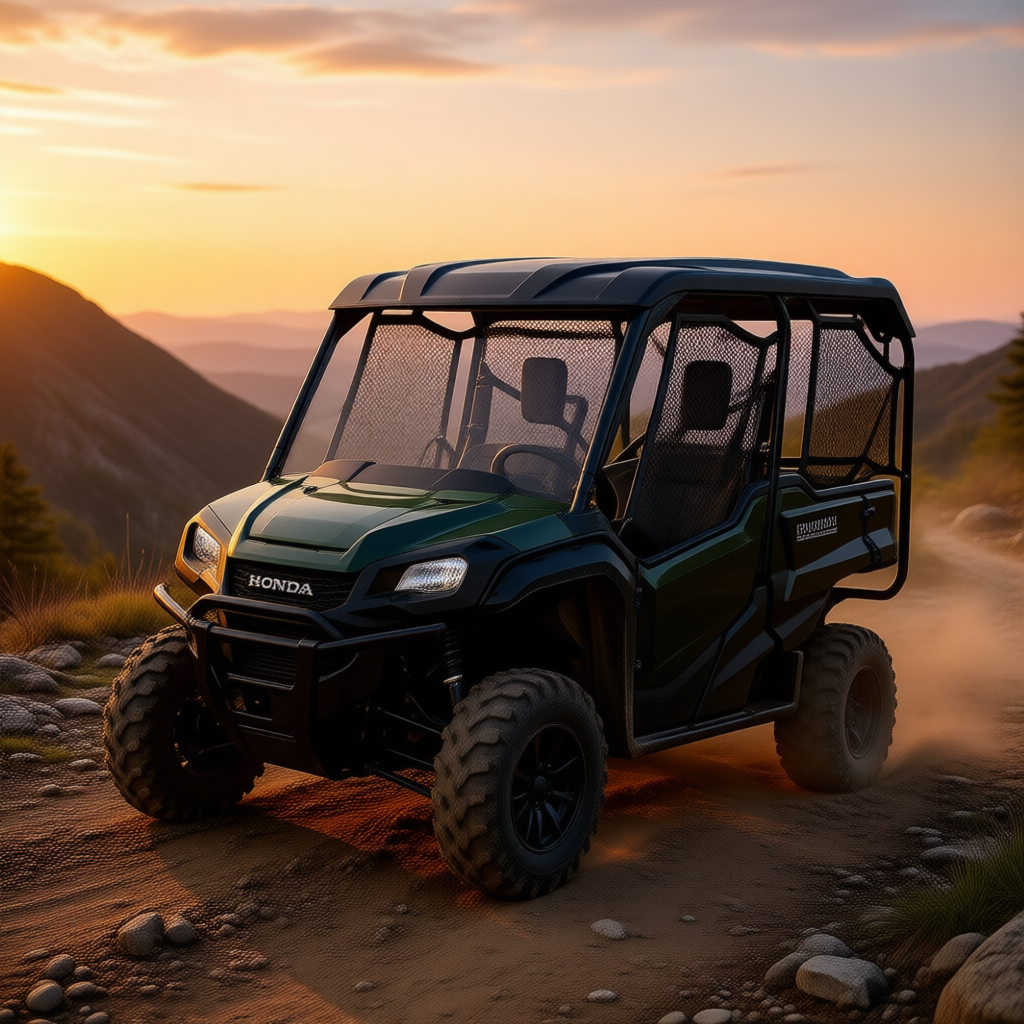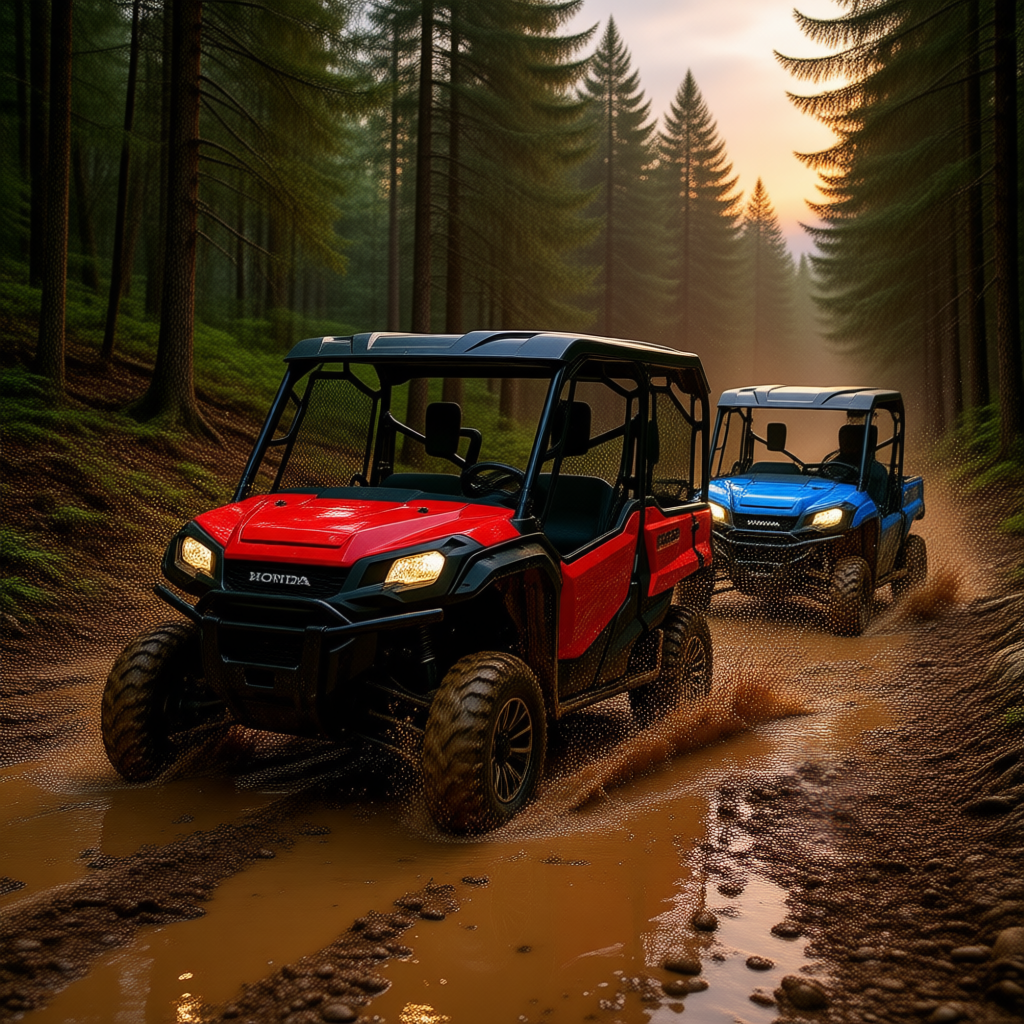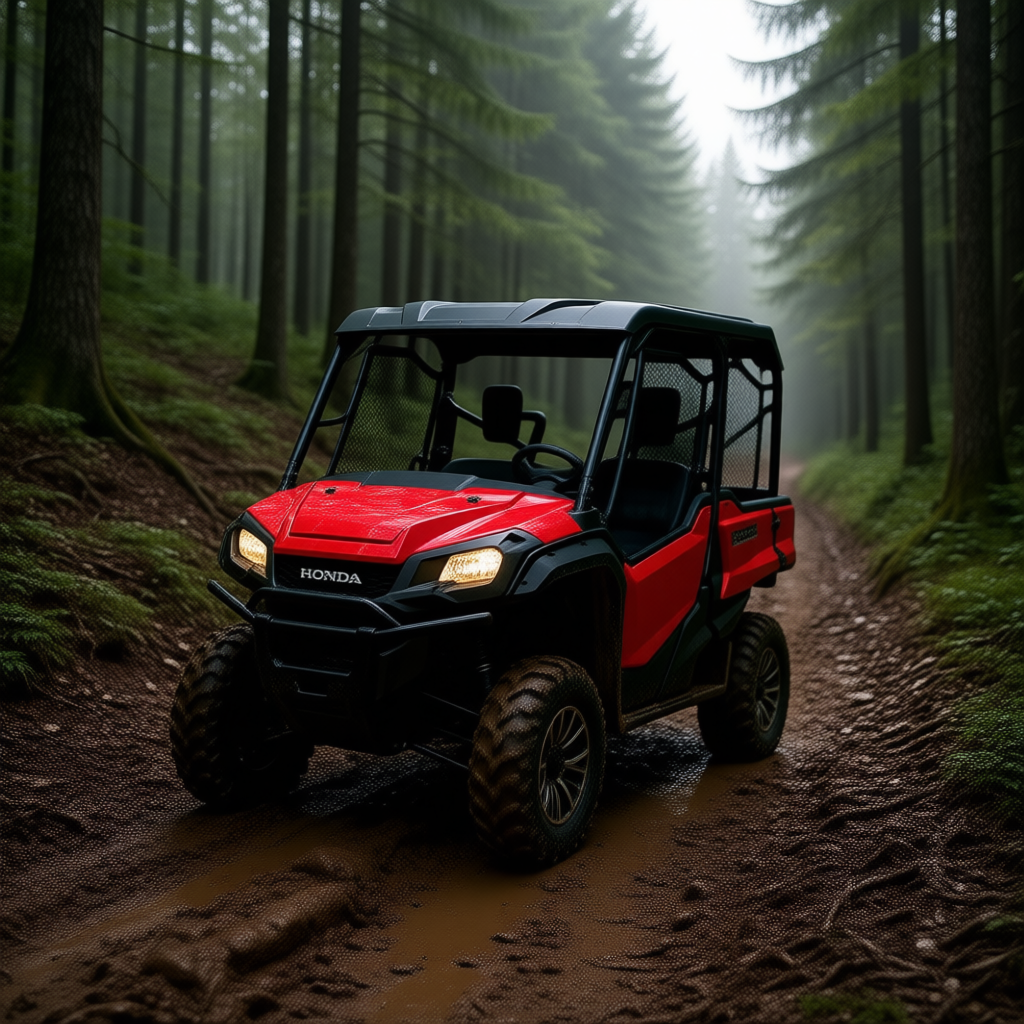
Utility vehicles (UTVs), also known as side-by-sides, have seen a significant surge in popularity owing to their versatility and robustness. The Kawasaki Mule vs Honda Pioneer vs Polaris Ranger debate remains one of the most searched comparisons in the utility vehicle space heading into 2026. These vehicles are designed to handle a variety of terrains and tasks, making them indispensable in agriculture, construction, and outdoor recreation. UTVs are characterized by larger cargo areas, multiple seating capacities, and the ability to traverse rugged landscapes—setting them apart from traditional ATVs and standard automobiles.
In agriculture, UTVs transport equipment, feed, and supplies across expansive farmlands. In construction, they provide reliable material and personnel movement across job sites where larger vehicles struggle. For recreation, they offer adventurous rides through forests, deserts, and mountainous regions. Understanding these diverse applications sets the stage for a detailed honda pioneer vs kawasaki mule and Polaris Ranger comparison that addresses every buyer’s real-world needs.
Honda Pioneer vs Kawasaki Mule: The Core Comparison
The honda pioneer vs kawasaki mule matchup is one of the most frequently searched queries among UTV buyers in 2026. Both platforms deliver exceptional utility, but they approach the task with fundamentally different engineering philosophies. The Honda Pioneer lineup—spanning the Pioneer 520, Pioneer 700, and Pioneer 1000—emphasizes refined powertrain technology, including Honda’s industry-leading Dual Clutch Transmission (DCT) and i-4WD intelligent traction system. The Kawasaki Mule series, including the Mule Pro, Mule SX, and Mule 4010 Trans, prioritizes rugged simplicity, proven mechanical durability, and configurable seating via the Trans Cab system.
When comparing the mule vs pioneer platforms directly, engine displacement and delivery character are key differentiators. The Honda Pioneer 700 uses a 675cc single-cylinder engine producing approximately 45 HP, while the Kawasaki Mule Pro-FXT packs an 812cc three-cylinder engine delivering around 48 HP. The Pioneer 1000 steps up to a 999cc parallel-twin with 72 HP, whereas the Mule Pro-DXT FE uses a 993cc three-cylinder diesel producing 24 HP but significantly more low-end torque for heavy hauling and sustained grade climbing.
The kawasaki mule vs honda pioneer decision often comes down to transmission preference. Honda’s 6-speed DCT offers crisp, automatic or manual shifting without belt maintenance, while Kawasaki’s conventional CVT with high/low range provides seamless power delivery that many ranch operators find intuitive after years of use. Both systems have proven durable beyond 5,000 operating hours with scheduled maintenance.
Honda Pioneer 520 vs Kawasaki Mule SX: Entry-Level Showdown
In the honda pioneer 520 vs kawasaki mule sx entry-level category, the Pioneer 520’s 475cc engine and compact 50-inch width make it ideal for tight trails, greenhouse aisles, and vineyard rows. The Mule SX’s 401cc single-cylinder offers a slightly narrower footprint and lighter curb weight (approximately 1,500 lbs) for confined workspaces where maneuverability trumps outright power.
Both seat two passengers and handle payloads around 400–500 pounds. The kawasaki mule vs honda pioneer 700 mid-tier comparison shifts the balance toward the Pioneer’s DCT smoothness and slightly higher ground clearance, while the Mule Pro’s three-cylinder engine provides a broader torque band for towing light trailers. Buyers searching for a honda mule equivalent will find that Kawasaki’s entry-level offerings fill a similar niche with a different mechanical character.
Kawasaki Mule vs Honda Pioneer vs Polaris Ranger: Complete Spec Breakdown
The kawasaki mule vs honda pioneer vs polaris ranger comparison reveals distinct engineering philosophies that cater to different buyer priorities. Below is an updated 2026 technical specification table for the flagship workhorse models from each brand:
| Specification | Kawasaki Mule Pro-FXT | Honda Pioneer 1000 | Polaris Ranger XP 1000 |
|---|---|---|---|
| Engine | 812cc 3-cyl gas | 999cc parallel-twin | 999cc ProStar twin |
| Horsepower | ~48 HP | ~72 HP | ~82 HP |
| Payload Capacity | 1,000 lbs | 1,000 lbs | 1,500 lbs |
| Towing Capacity | 2,000 lbs | 2,000 lbs | 2,500 lbs |
| Seating | 3–6 (Trans Cab) | 2–5 (QuickFlip) | 2–3 (XP) / 5–6 (Crew) |
| Transmission | CVT + Hi/Lo range | 6-speed DCT + auto | PVT CVT (Hi/Lo) |
| Ground Clearance | 10.8 in | 11.8 in | 13 in |
| Suspension Travel | 8.7 in F / 9.5 in R | 10.5 in F / 10.5 in R | 11 in F / 11 in R |
| Warranty | 3 years | 1 year (ext. avail.) | 1 year (ext. avail.) |
The Polaris Ranger XP 1000 leads in raw horsepower and payload, making it a top pick for maximum hauling. The Honda Pioneer 1000 counters with its sophisticated DCT and i-4WD for superior traction management on loose or muddy surfaces. The Kawasaki Mule Pro-FXT offers the longest factory warranty and the most flexible seating configurations through its tool-free Trans Cab conversion—critical for operations that shift between crew transport and cargo hauling daily.
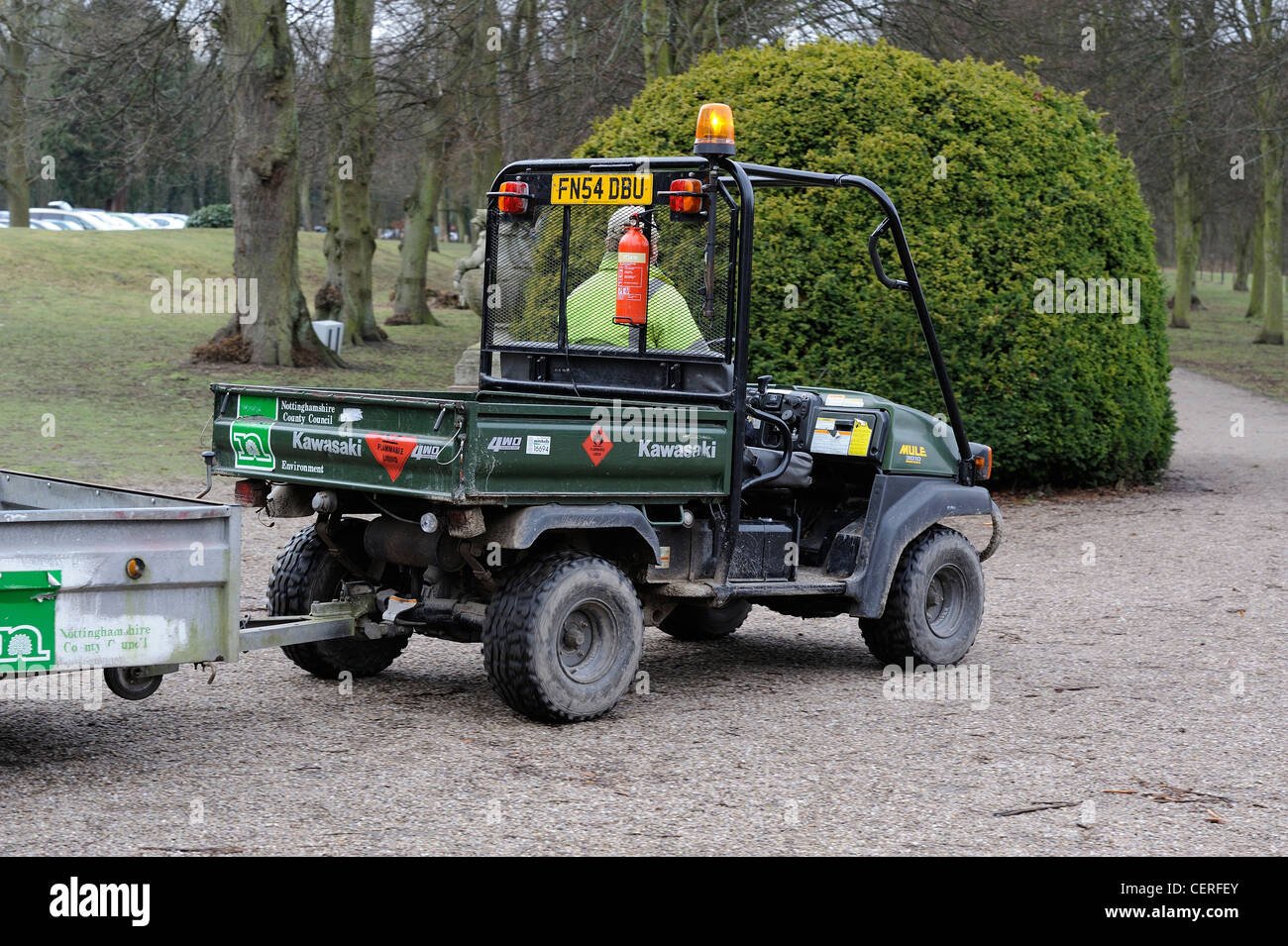
Kawasaki Mule vs Polaris Ranger: Which Workhorse Wins?
Check out our off-road collection Amazon products
The kawasaki mule vs polaris ranger debate often centers on whether buyers prioritize mechanical simplicity or technological sophistication. The Kawasaki Mule’s three-cylinder engine and conventional CVT drivetrain are praised for long-term reliability and lower maintenance costs. The polaris ranger vs kawasaki mule comparison tilts toward Polaris when buyers need maximum towing (2,500 lbs vs. 2,000 lbs) and the Ride Command GPS/diagnostics ecosystem for fleet management.
However, the mule polaris ranger conversation also involves total cost of ownership. Kawasaki’s three-year warranty significantly outpaces Polaris’s one-year coverage, potentially saving owners hundreds in early drivetrain repairs. The Mule’s steel bed resists denting better than the Polaris composite bed under repeated heavy-load use. Conversely, the Polaris Ranger’s 13 inches of ground clearance and ProStar engine responsiveness give it an edge in extreme terrain traversal and deep-rut scenarios.
For buyers searching for a polaris ranger alternative, the Kawasaki Mule Pro-FXT delivers comparable payload at a lower MSRP with a longer warranty. For those seeking a kawasaki mule alternative or the best kawasaki mule alternative, the Polaris Ranger 570 provides a more affordable entry point with modern electronics and a smoother ride quality on maintained trails. The polaris ranger or kawasaki mule decision ultimately hinges on whether technology integration or mechanical simplicity drives your purchasing criteria.
Polaris Ranger vs Kawasaki Mule: Terrain and Towing Performance
When evaluating the polaris ranger vs kawasaki mule on real-world terrain, suspension travel becomes critical. The Ranger XP 1000 offers 11 inches of front and rear suspension travel, absorbing washboard roads and rocky trails with composure. The Mule Pro-FXT provides 8.7 inches front and 9.5 inches rear—adequate for farm and ranch use but slightly less planted on high-speed desert runs or deeply rutted logging roads.
In the kawasaki mule vs polaris ranger 570 mid-tier matchup, the Ranger 570’s 567cc ProStar engine produces 44 HP versus the Mule SX’s 401cc at roughly 16 HP. This makes the Ranger 570 substantially more capable for towing and hill climbing. However, the Mule SX’s lighter weight and tighter turning radius make it the preferred choice for orchard rows, barn aisles, and tight property maintenance tasks where a ranger mule comparison favors nimbleness over brute force.
Recommended Insights From Our Guide Library:
- Kawasaki Mule Pro FXT vs Honda Pioneer 1000-5: The Ultimate UTV Showdown
- Honda Pioneer vs Kawasaki Mule vs Polaris Ranger: Ultimate UTV Comparison (2026)
- Honda Pioneer vs Kawasaki Mule: A Comprehensive Comparison
- Kawasaki Mule Pro FXT Archives – Pioneer Honda Lovers
- Kawasaki Mule Archives – Pioneer Honda Lovers
The kawasaki mule sx vs polaris ranger 570 question ultimately depends on whether the buyer needs a nimble, low-maintenance work cart or a more powerful, trail-capable utility rig. Both handle 1,000-pound payloads, but the Ranger 570 tows 1,500 pounds compared to the Mule SX’s 1,100-pound limit. For those weighing mule vs ranger options in this displacement class, consider your typical tow loads before committing.

Are Honda Engines Better Than Polaris or Kawasaki?
A common search query—are Honda engines better than those from Polaris or Kawasaki?—deserves a nuanced answer. Honda’s 999cc parallel-twin in the Pioneer 1000 benefits from decades of motorcycle and automotive engine engineering, delivering smooth power delivery, excellent fuel injection calibration, and proven long-term reliability. The DCT transmission eliminates belt-slip concerns common in CVT-equipped competitors, reducing a recurring maintenance item for high-hour operators.
Kawasaki’s three-cylinder and single-cylinder engines are equally durable, with a reputation for tolerating neglect and high-hour use without catastrophic failure. The honda vs kawasaki reliability question is nearly a wash—both exceed 5,000 hours with proper oil changes and filter service. Polaris ProStar engines produce the highest peak horsepower in this comparison but have historically shown slightly higher incidence of belt and clutch wear under sustained heavy loads. In the broader honda utv vs polaris utv and honda vs polaris utv discussions, Honda’s engineering conservatism translates to fewer warranty claims over the vehicle’s lifespan.
Honda Pioneer vs Polaris Ranger: Technology and Comfort
The polaris ranger vs honda pioneer and honda pioneer vs polaris ranger comparisons extend beyond powertrain into cabin technology. The Polaris Ranger XP 1000 integrates the Ride Command 7-inch touchscreen with GPS navigation, vehicle diagnostics, and Bluetooth connectivity. The Honda Pioneer 1000 focuses on drivetrain refinement—its i-4WD system automatically distributes torque front-to-rear without driver input, while the DCT’s Sport and Trail modes adapt shift points to terrain.
In the polaris ranger xp 1000 vs honda pioneer 1000 and honda pioneer 1000 vs polaris ranger 1000 flagship matchups, the Ranger’s 82 HP and 1,500-lb payload edge out the Pioneer’s 72 HP and 1,000-lb rating. However, the honda pioneer or polaris ranger decision for mixed work-and-play buyers often favors the Pioneer’s quieter cabin, smoother low-speed crawling, and lower vibration at idle. The pioneer vs ranger comfort gap narrows in the Crew configurations, where both offer bench seating for three passengers.
FAQ: Honda Pioneer vs Kawasaki Mule vs Polaris Ranger
Is the Honda Pioneer or Kawasaki Mule better for farm work?
For farm work, the Kawasaki Mule Pro-FXT’s Trans Cab seating, 3-year warranty, and steel cargo bed give it a practical edge. The Honda Pioneer 700 counters with smoother DCT shifting and better fuel economy on long property patrols. Both handle 1,000-pound payloads adequately, but the Mule’s tool-free seat reconfiguration saves time during harvest season crew changes.
Can the Polaris Ranger replace a Kawasaki Mule?
Yes. The Polaris Ranger is a direct kawasaki mule alternative for most utility tasks. It offers higher horsepower, greater towing capacity, and the Ride Command tech suite. However, buyers who prioritize warranty length and lower purchase price may still prefer the Mule. The kawasaki mule or polaris ranger choice often comes down to dealer proximity and parts availability in your region.
Which is more reliable: Honda Pioneer vs Polaris Ranger?
In the honda pioneer vs polaris ranger reliability discussion, Honda’s DCT and fuel-injected twin tend to require less drivetrain maintenance over 3,000+ hours. Polaris owners report occasional belt replacements under heavy towing. Both platforms are well-supported by extensive dealer networks, and the honda side by side vs polaris reliability gap has narrowed considerably in recent model years.
Check out our off-road collection Amazon products
What is the best Polaris Ranger competitor?
Top polaris ranger competitors include the Kawasaki Mule Pro-FXT, Honda Pioneer 1000, and Can-Am Defender. Each offers comparable payload and towing, with differentiation coming down to transmission type, warranty coverage, and technology features. For a full breakdown, see our Can-Am Defender vs Honda Pioneer comparison.
Is the Kawasaki Mule a true Polaris Ranger alternative for construction sites?
The polaris vs kawasaki utv question in construction contexts favors the Mule’s steel bed and three-year warranty for job-site abuse. However, the Ranger’s higher ground clearance handles unfinished grading better. Both meet OSHA-compliant ROPS standards in cab-equipped trims.
Conclusion: Which Utility Vehicle Is Right for You?
Community Reference & Authority Resources:
After this comprehensive kawasaki mule vs honda pioneer vs polaris ranger analysis, the ideal choice depends on your priorities. The Kawasaki Mule excels in rugged durability, cost-efficiency, and warranty coverage—ideal for budget-conscious ranchers and farmers. The Honda Pioneer delivers the most refined powertrain technology and balanced comfort for mixed work-and-recreation use. The Polaris Ranger leads in raw power, payload capacity, and integrated technology for users who demand maximum capability.
Assess your terrain, typical loads, passenger needs, and budget. Whether you choose the Mule, Pioneer, or Ranger, all three represent the pinnacle of UTV engineering in 2026. Explore the full Honda Pioneer model lineup to find your perfect match, and test-drive each platform before committing to ensure the seat ergonomics, controls, and cargo bed dimensions suit your daily workflow. The polaris mule and mule ranger searches you’ve been running end here—pick the machine that matches your land, your loads, and your long-term ownership goals.
🔍 Explore More: See all guides for Honda Pioneer.