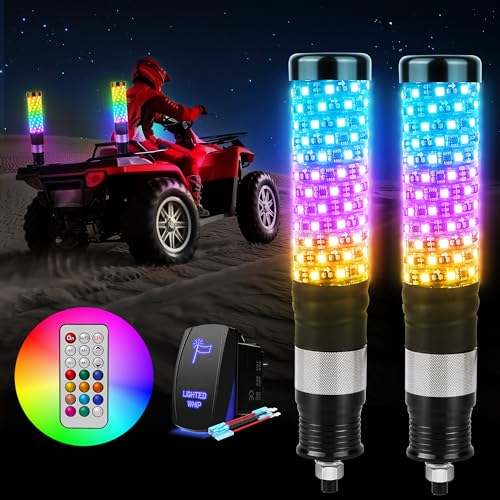
- Thicker, Brighter, and More Vibrant – 1.9″ thick design, high-brightness 5050 LED chips, and a tightly wound 360° spiral…
- Multi-Functional Remote Control – Choose from 12 solid colors, 366 effects, and adjustable brightness and speed with the…
- Long-Lasting & Weatherproof – With an IP68 waterproof rating and a corrosion-resistant aluminum alloy base, which can be…
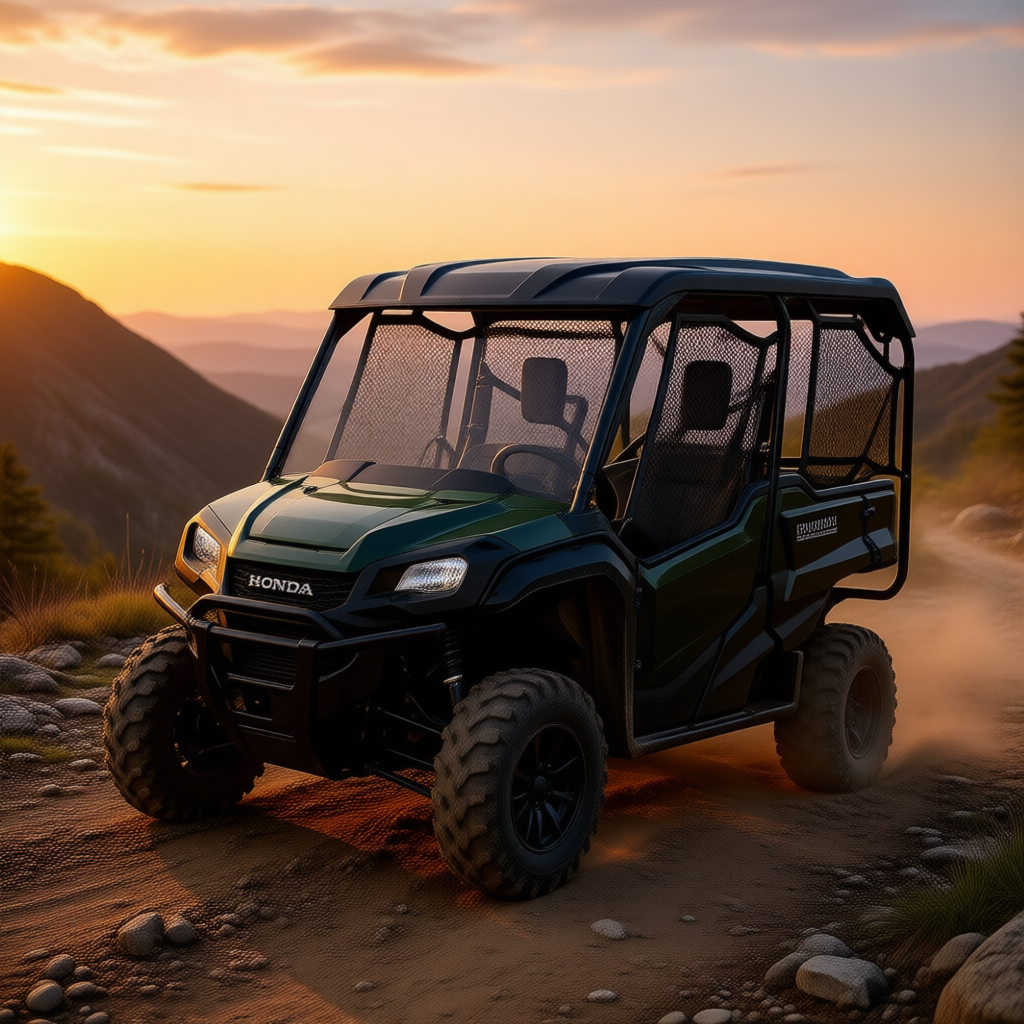
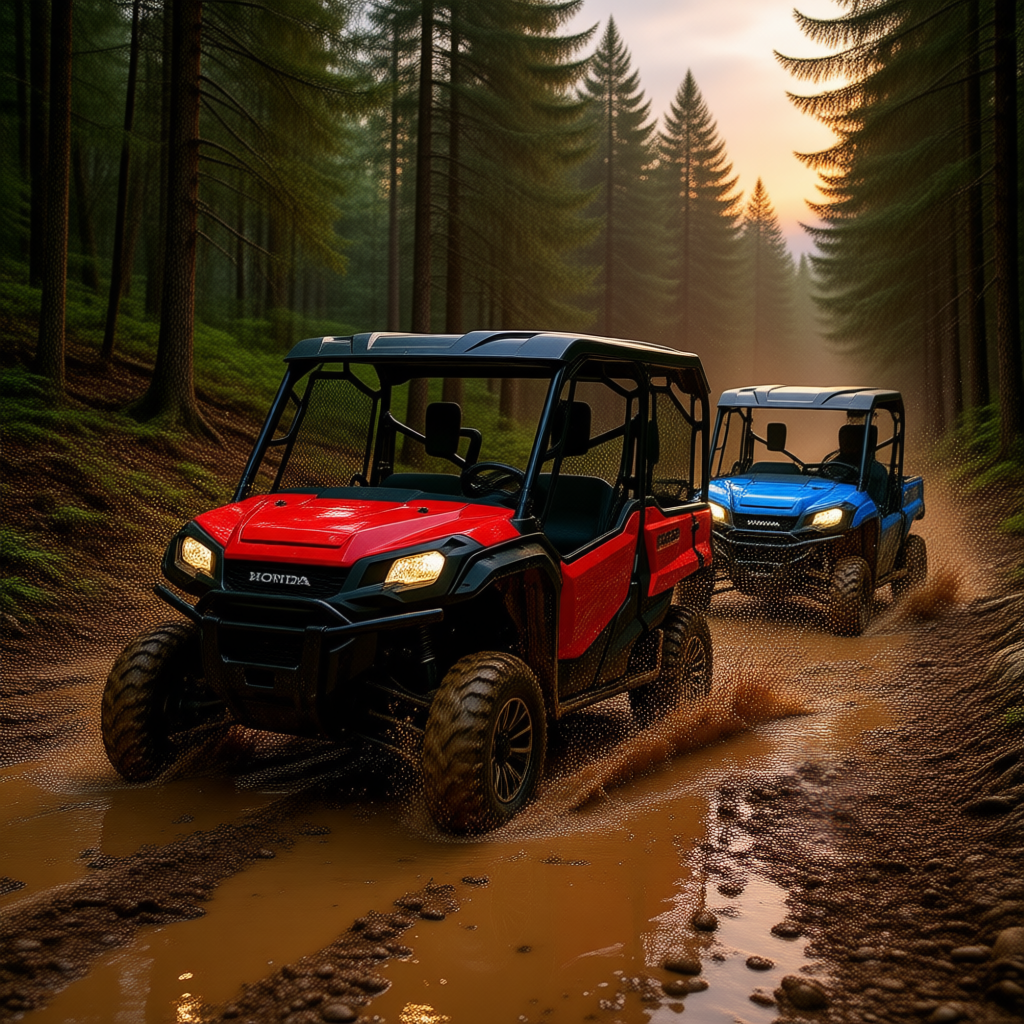
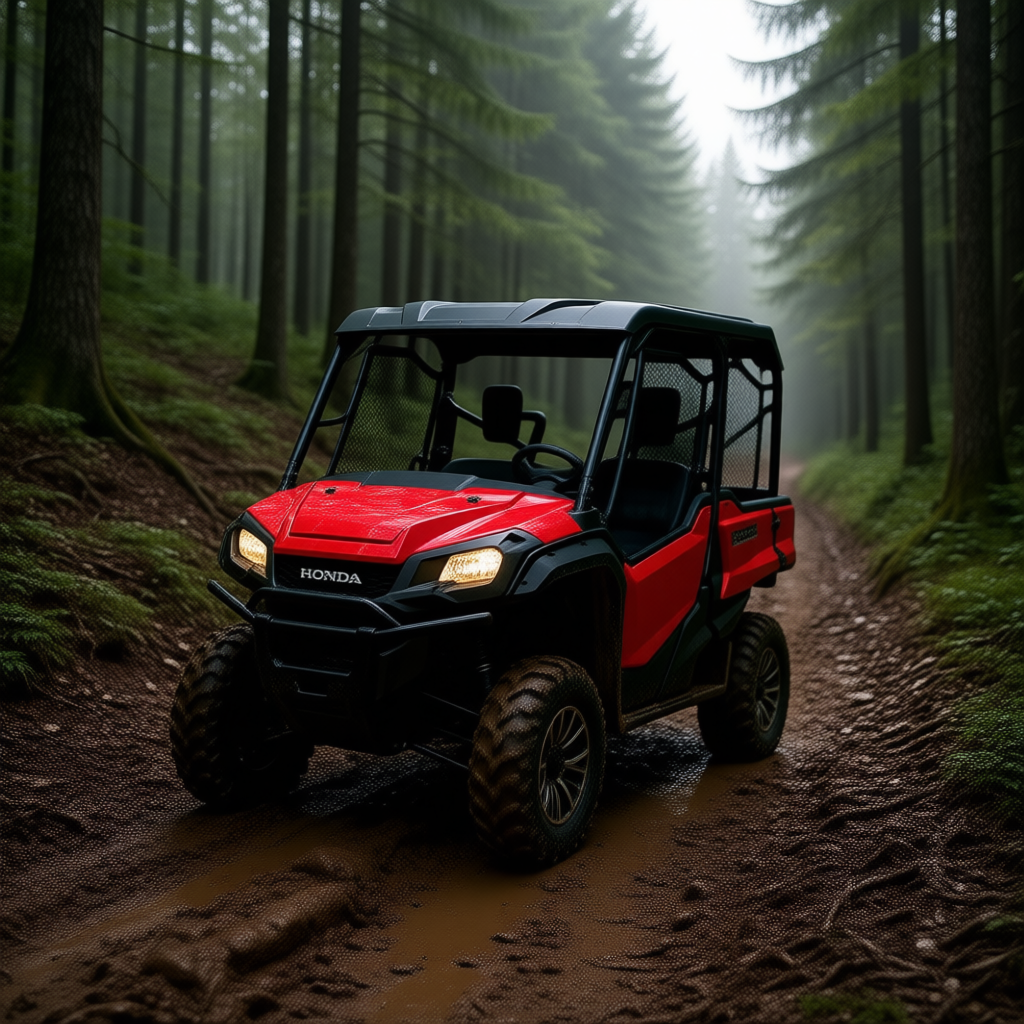
When it comes to side-by-side utility vehicles, the Honda Pioneer vs Kawasaki Mule debate is one of the most popular among off-road enthusiasts, farmers, and hunters. If you have been searching the web for a “honda mule” or a “mule honda,” you are certainly not alone. Because both brands dominate the utility terrain vehicle (UTV) market, buyers frequently mix up the names. To clarify right out of the gate: Honda manufactures the Pioneer, while Kawasaki manufactures the Mule. However, the terms are often used interchangeably when shoppers compare these two legendary workhorses.
Both brands have earned a stellar reputation for reliability, performance, and versatility, making them highly sought after in the market. This comprehensive guide aims to break down the key attributes, updated technical specifications, and performance metrics of both machines.
The Honda Pioneer is celebrated for its robust engineering, automotive-style Dual Clutch Transmission (DCT), and adaptability in diverse terrains. Whether for recreational use or heavy-duty work, it delivers a sporty yet utilitarian experience. On the other hand, the Kawasaki Mule stands out with its impressive payload capacity, smooth three-cylinder engine options, and overall comfort, making it a favorite among those who require a dependable daily workhorse.
Our goal is to shed light on engine performance, durability, comfort, and additional features to assist prospective buyers in making a well-informed decision. From engine specs to cargo management, this detailed analysis seeks to equip you with all the necessary information to confidently choose between these two UTV giants.
Overview of the Honda Pioneer Lineup
The Honda Pioneer series has established itself as a prominent name in the off-road vehicle market. Honda, a company with a storied history in automotive and motorcycle manufacturing, ventured into the side-by-side segment aiming to offer durable and versatile vehicles for both recreational and utility purposes.
Key models in the Honda Pioneer lineup include the Pioneer 500, Pioneer 700, and the flagship Pioneer 1000. The Pioneer 500 is compact and agile, designed for tight trails and ease of transport. The Pioneer 700 strikes a perfect balance between size and power, making it a versatile option for various terrains. Meanwhile, the Pioneer 1000 stands out equipped with a powerful 999cc engine, paddle shifters, and advanced features to tackle the most demanding tasks.
Honda’s reputation is built on a foundation of reliability and innovation. The vehicles in this series are known for their rugged durability, ensuring they can withstand harsh conditions and heavy use. Core features that contribute to the popularity of the Honda Pioneer series include its versatile performance capabilities and adaptability to different tasks. Whether used for trail riding, farming, or industrial applications, Honda’s commitment to safety is evident with features such as Roll-Over Protective Structures (ROPS), seatbelts, and secure door latches.
Overview of the Kawasaki Mule Lineup
The Kawasaki Mule series has long been a stalwart in the off-road vehicle market. The inception of the Mule dates back to the late 1980s, making it one of the original side-by-sides. Over the years, the lineup has expanded significantly to meet various commercial and recreational needs.
Among the key models in the current lineup are the Mule SX, Mule Pro-MX, and Mule Pro-FXT. The Mule SX is the entry-level model, ideal for light-duty tasks and featuring a compact design perfect for navigating tight spaces. The Mule Pro-MX offers a middle ground, balancing power and maneuverability for both recreational and professional use. The Mule Pro-FXT is the premium model, boasting a powerful 812cc three-cylinder engine, advanced features, and the ability to seat up to six passengers with its Trans Cab.
Kawasaki consistently delivers products that are durable, reliable, and capable of handling a variety of terrains. The core features that make the Kawasaki Mule series popular include its robust steel construction, versatility, and focus on utility. With continuous innovations, Kawasaki remains a key player, maintaining a legacy of quality that the Mule series exemplifies.
Performance and Power: Technical Specs Compared
The Honda Pioneer and Kawasaki Mule are both renowned for their robust performance and power, but they achieve this in very different ways.
Engine Specifications: The Honda Pioneer typically comes equipped with a liquid-cooled, fuel-injected parallel-twin engine. In the Pioneer 1000, the 999cc motor produces roughly 72 horsepower. Its standout feature is the Dual Clutch Transmission (DCT), which offers both automatic shifting and manual paddle-shifted gear changes, providing a highly responsive and sporty feel.
On the other hand, the premium Kawasaki Mule Pro-FXT features a liquid-cooled, 812cc three-cylinder engine. While the horsepower for the Mule peaks lower (around 48 HP), the three-cylinder layout and Continuously Variable Transmission (CVT) provide incredibly smooth, linear torque delivery. This makes the Mule a quiet, reliable workhorse for heavy-duty tasks.
Check out our off-road collection Amazon products
SHOP THE COLLECTIONHandling Diverse Terrains: The Honda Pioneer is designed with a focus on agility and maneuverability. Its advanced suspension system ensures a smooth ride, and its acceleration is notably brisk, providing a thrilling riding experience on trails. The Kawasaki Mule shines in stability and ruggedness. Its lower center of gravity and longer wheelbase enhance stability, making it a preferred choice for tasks that require hauling over uneven ground.
Utility and Versatility
When evaluating the utility of these machines, several key aspects come into focus, including cargo capacity, towing capabilities, and accessory ranges. Both models are designed with work-related tasks in mind, making them well-suited for farming, hunting, and construction.
The Honda Pioneer series offers a robust cargo bed with impressive load capacities. The Pioneer 1000 can handle up to 1,000 pounds of cargo, and its towing capacity reaches a notable 2,000 pounds. The Pioneer also features an innovative QuickFlip® seating design, which provides flexible seating arrangements to accommodate either more passengers or additional interior cargo space.
The Kawasaki Mule series is equally renowned for its substantial utility features. The Mule Pro-FXT boasts a heavy-duty steel cargo bed capable of carrying up to 1,000 pounds and can also tow up to 2,000 pounds. The Mule’s transformable Trans Cab™ system allows for easy switching between two, three, and four-passenger configurations in seconds, making it highly adaptable to various job requirements.
Comfort and Convenience
Both vehicles are designed to offer a comfortable ride, but there are distinctions that may influence your choice. The Honda Pioneer offers spacious seating arrangements that can accommodate up to five passengers (in the 1000-5 Deluxe Crew). The seats feature padded cushions and adjustable positions, with ample cabin space ensuring passengers have enough room during longer rides.
Recommended Insights From Our Guide Library:
- Honda Pioneer vs Kawasaki Mule vs Polaris Ranger: Ultimate UTV Comparison (2026 Update)
- Kawasaki Mule Pro FXT vs Honda Pioneer 1000-5: The Ultimate UTV Showdown
- Honda Pioneer vs Kawasaki Mule: A Comprehensive Comparison
- Kawasaki Mule Pro FXT Archives – Pioneer Honda Lovers
- Kawasaki Mule specs Archives – Pioneer Honda Lovers
In contrast, the Kawasaki Mule provides a versatile seating arrangement that can accommodate up to six passengers in the FXT models. The Mule’s bench seats are known for their automotive-style comfort and ergonomic design, which supports the rider’s posture and reduces fatigue. The cabin space is thoughtfully planned, allowing for easy entry and exit, which is especially beneficial when frequently getting in and out of the vehicle.
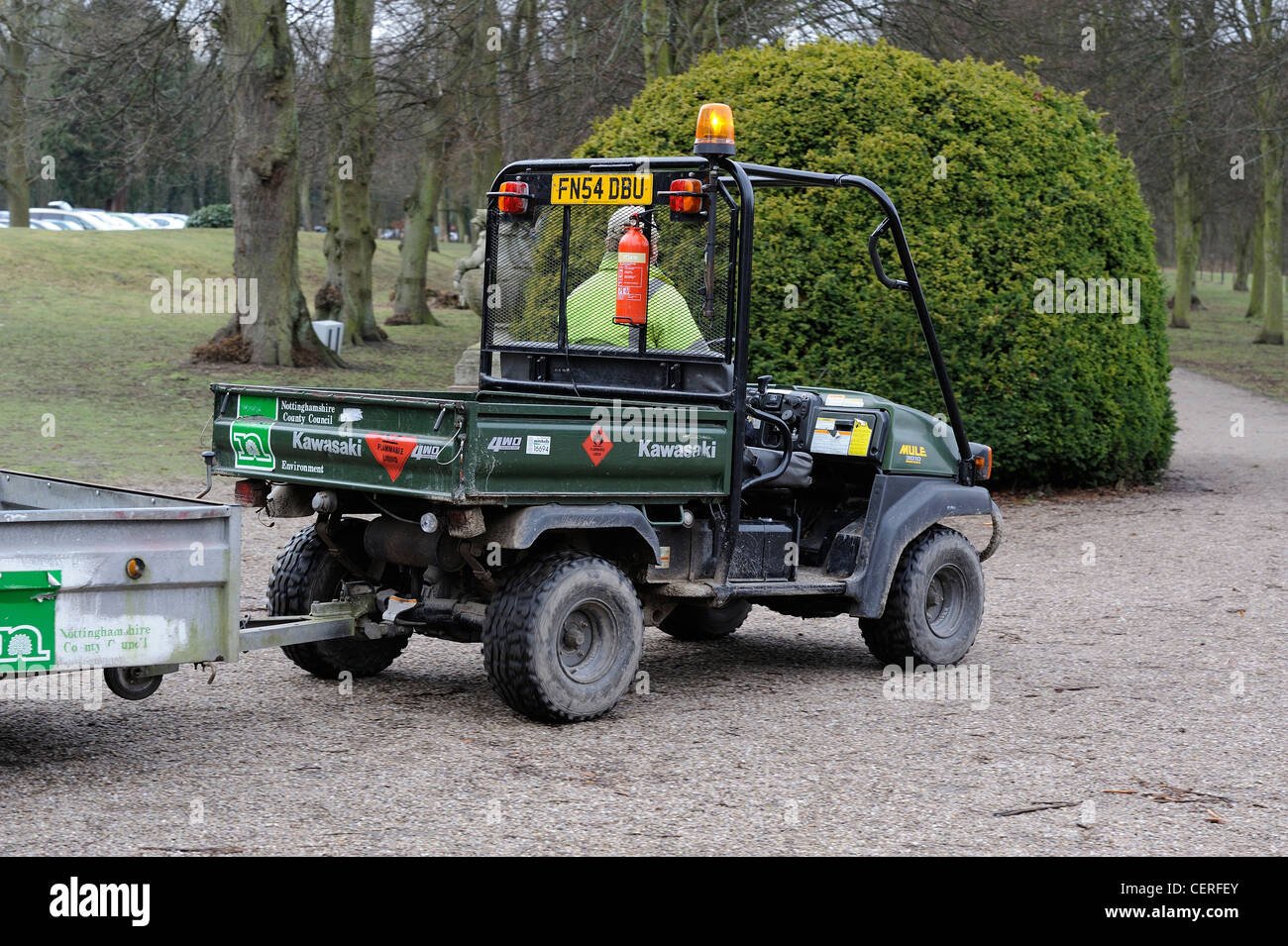
Additional comfort features such as air conditioning, heating, and sound systems are available in higher-end models or via aftermarket additions for both brands. These enhancements significantly improve the overall riding experience in extreme weather conditions.
Safety Features
Both manufacturers have made significant strides to ensure rider protection. A key component in both vehicles is the inclusion of robust roll cages (ROPS) and durable 3-point seat belts that secure passengers during operation, further enhancing safety.
Impact-resistant materials are another critical aspect. The Honda Pioneer features a high-strength steel frame, while the Kawasaki Mule boasts a reinforced frame and resilient body panels designed to absorb impact forces.
Advanced safety technologies also play a significant role. The Honda Pioneer is equipped with an electronic stability control and advanced braking systems with dual disc brakes. The Kawasaki Mule comes with a traction control system that optimizes grip by managing wheel spin, alongside dependable hydraulic disc brakes.
Pricing and Value for Money
Pricing and value are crucial factors for prospective buyers. The Honda Pioneer lineup generally starts at a slightly higher price point. The base Honda Pioneer 500 starts around $9,499, while the entry-level Kawasaki Mule SX begins at approximately $7,799.
For those seeking premium performance, the Honda Pioneer 1000 starts around $15,899, offering its robust 999cc engine and DCT technology. In contrast, the Kawasaki Mule Pro-FXT starts around $13,099. Despite the lower price, the Mule Pro-FXT is often praised for its reliability, six-passenger seating, and durability in demanding conditions.
Evaluating value involves more than just the purchase price. The Honda Pioneer offers superior build quality and sporty performance. Conversely, the Kawasaki Mule’s value proposition includes exceptional durability, ease of maintenance, and a lower entry cost for premium features. Both brands offer competitive warranties and financing options through authorized dealers.
Kawasaki Mule vs Honda Pioneer vs Polaris Ranger
No UTV comparison is complete without bringing Polaris into the mix. When looking at the kawasaki mule vs honda pioneer vs polaris ranger matchup, the differences become even more nuanced. The Polaris Ranger generally offers the highest raw horsepower and towing capacity in its full-size class (up to 2,500 lbs). However, the Honda Pioneer easily wins on transmission technology with its DCT, offering a sportier, more engaging drive. The Kawasaki Mule sits perfectly in the middle, often undercutting both in price while offering the most comfortable, car-like bench seating and the quietest three-cylinder engine. For a deeper dive into this specific three-way battle, check out our model breakdown and recent reviews on Kawasaki’s newer lineup.
Frequently Asked Questions (FAQ)
Is there such a thing as a Honda Mule?
No, a “honda mule” or “mule honda” does not actually exist. This is a very common mix-up in the off-road community. “Mule” is the trademarked name for Kawasaki’s utility vehicle line, while “Pioneer” is the trademarked name for Honda’s equivalent line. When people search for a Honda Mule, they are almost always looking for the Honda Pioneer.
Which is better for heavy farm work: Kawasaki Mule vs Honda Pioneer?
Check out our off-road collection Amazon products
SHOP THE COLLECTIONIn the kawasaki mule vs honda pioneer debate for farm work, the Kawasaki Mule Pro-FXT often takes the crown due to its larger, more comfortable cabin, smoother CVT transmission (which is less prone to jerking when hauling delicate cargo), and highly durable steel bed. However, if you need a vehicle that can tow heavy loads up steep grades quickly, the Honda Pioneer’s DCT and higher horsepower make it a superior towing machine.
How do they compare in a Kawasaki Mule vs Honda Pioneer vs Polaris Ranger towing battle?
When comparing the kawasaki mule vs honda pioneer vs polaris ranger, the Polaris Ranger typically leads in maximum towing capacity (2,500 lbs for full-size models). Both the Honda Pioneer 1000 and the Kawasaki Mule Pro are tied closely behind, offering highly capable 2,000 lb towing limits. However, the Honda Pioneer’s DCT provides better engine braking on steep downhills compared to the CVTs found in the Mule and Ranger.
Conclusion and Final Thoughts
In this comprehensive Honda Pioneer vs Kawasaki Mule comparison, we delved into various aspects that highlight the strengths of both side-by-sides. The Honda Pioneer stands out with its robust engineering, versatile performance, and advanced technological features like the DCT, making it an excellent choice for those who seek a sporty, all-around utility vehicle.
On the other hand, the Kawasaki Mule is renowned for its durability, reliability, and exceptional passenger comfort. This vehicle shines in heavy-duty work environments, offering unparalleled stability and ease of maintenance. Its rugged construction makes it ideal for agricultural applications where reliability is paramount.
Community Reference & Authority Resources:
Ultimately, whether you were originally searching for a “honda mule” or specifically want a Kawasaki Pioneer (we know you don’t!), choosing between these two comes down to your specific needs. Whether it’s the dynamic performance of the Pioneer or the rugged, smooth durability of the Mule, each option offers unique benefits. By evaluating the key aspects discussed, potential buyers can make an informed decision that best suits their requirements and enhances their overall off-road experience.


🔍 Explore More: See all guides for Honda Pioneer.