The Ultimate UTV Showdown: Honda Pioneer vs Can-Am Defender in 2026
When evaluating the premier utility task vehicles on the market, the debate surrounding the Honda Pioneer vs Can-Am Defender remains one of the most fiercely contested matchups in the off-road community. As we move through 2026, both manufacturers have refined their platforms to deliver unprecedented levels of torque, chassis stability, and worksite versatility. Whether you are managing a sprawling ranch, navigating dense hunting trails, or tackling extreme mud bogs, choosing the right machine requires a granular understanding of their mechanical DNA. In this comprehensive guide, we dissect the engineering, powertrain dynamics, and long-term reliability of these two industry titans to help you make an informed purchasing decision.
The side-by-side market has evolved dramatically, shifting from basic farm runabouts to highly sophisticated, multi-terrain workhorses. Understanding the nuanced differences between a Can Am vs Honda side by side platform is critical for buyers who demand maximum return on their investment. From the aggressive styling and raw horsepower of the Canadian-engineered Defender to the automotive-grade refinement and bulletproof durability of the Japanese-engineered Pioneer, each machine caters to a distinct subset of the off-road demographic. Let us dive deep into the mechanical specifications, diagnostic workflows, and real-world performance metrics that separate these two legendary UTVs.
Engine Performance and Powertrain Dynamics
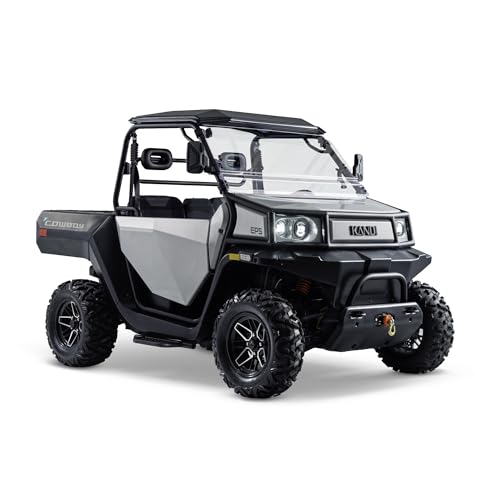
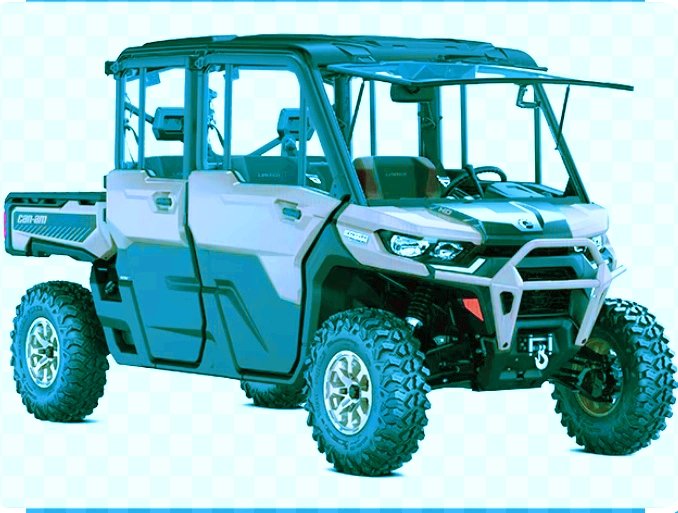
At the heart of the Can-Am Defender vs Honda Pioneer debate lies a fundamental divergence in powertrain philosophy. Can-Am equips the Defender lineup with its legendary Rotax V-twin engines, available in HD7, HD9, and the range-topping HD10 configurations. The HD10, a 976cc liquid-cooled V-twin, pushes out an impressive 82 horsepower and massive low-end torque, making it an absolute powerhouse for heavy towing and steep incline crawling. This power is routed through a highly responsive Continuously Variable Transmission (CVT) with an advanced Quick Response System (QRS), ensuring immediate belt engagement and reduced slippage under heavy loads. The Rotax engine also features a high-output stator, capable of powering multiple aftermarket accessories like high-lumen light bars and heated grips without draining the battery. Furthermore, the strategically elevated air intake prevents water ingestion during deep creek crossings, a vital feature for extreme trail riders.
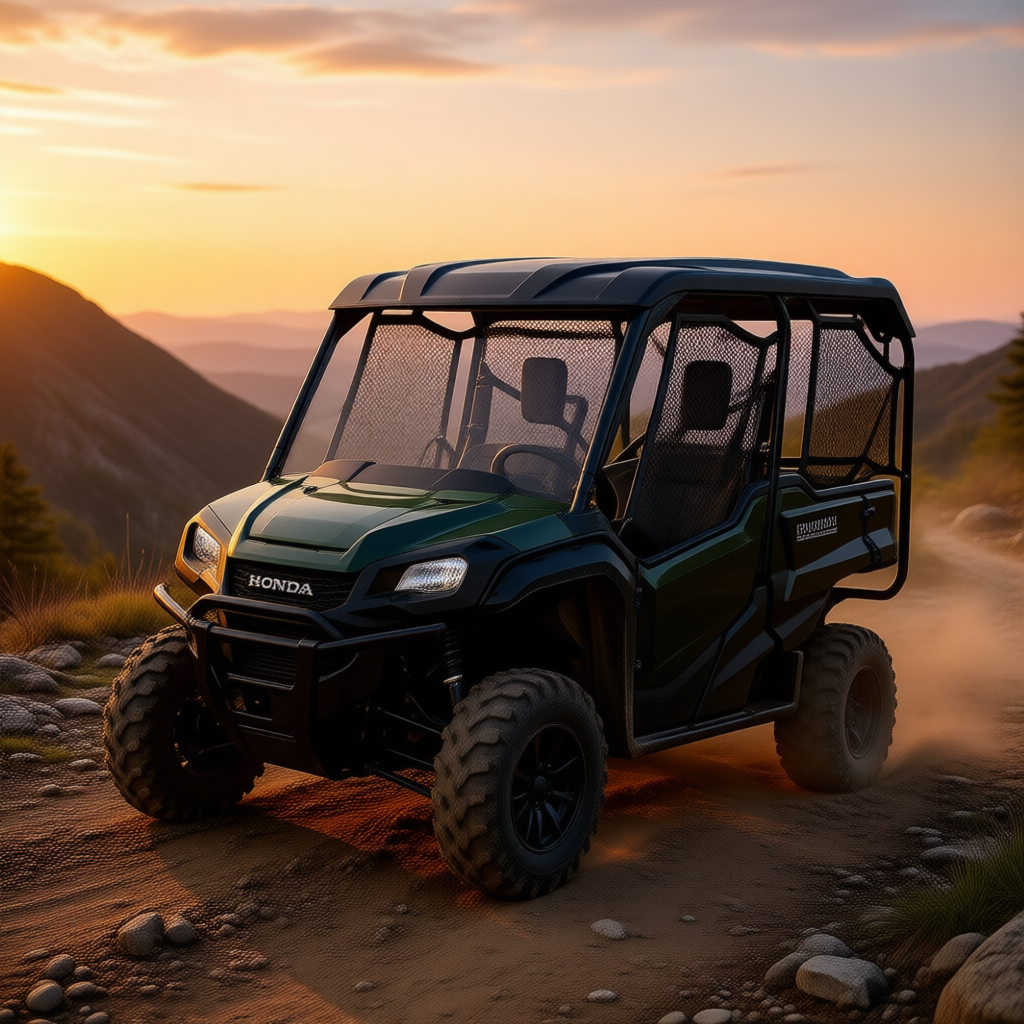
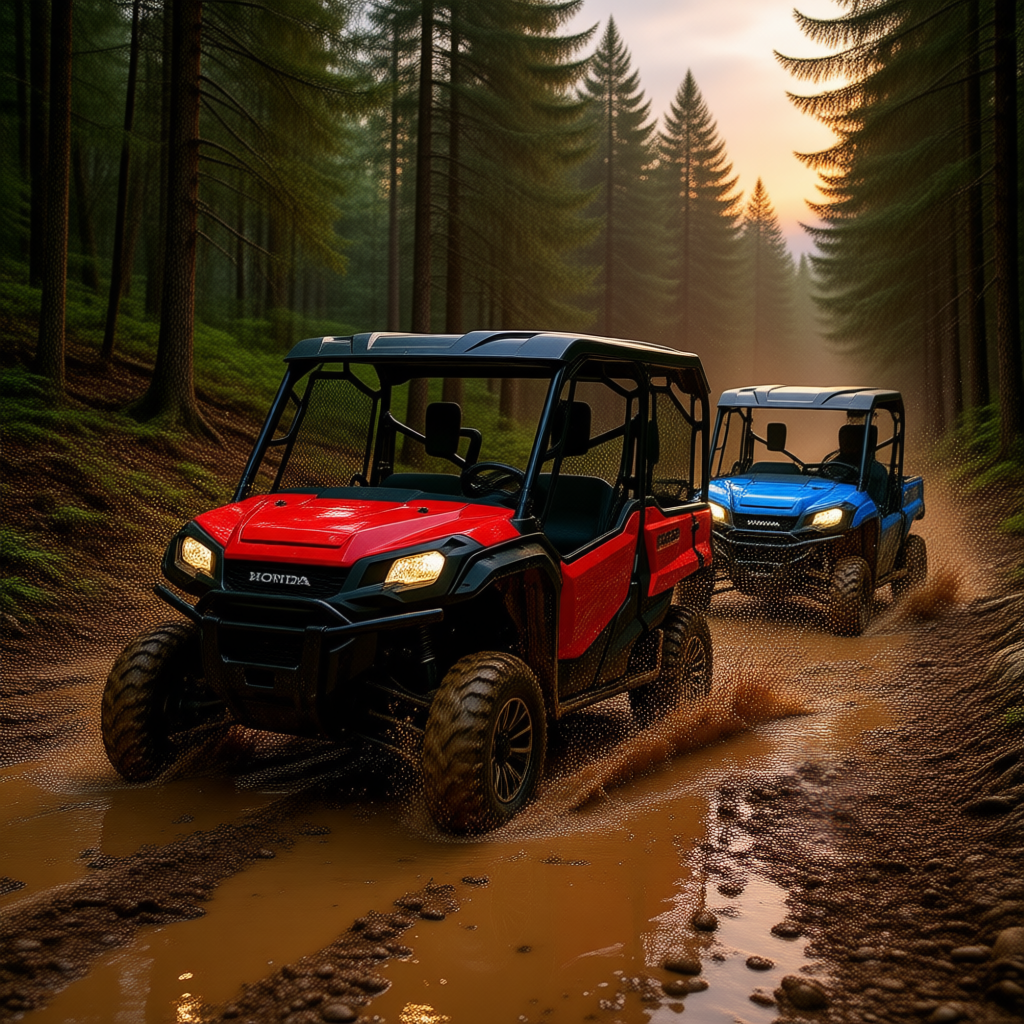
Conversely, Honda approaches the pioneer UTV segment with a focus on mechanical sympathy and bulletproof reliability. The Pioneer 1000 series utilizes a 999cc liquid-cooled Unicam parallel-twin engine that produces 72 horsepower. While it may yield slightly less peak horsepower than the Rotax V-twin, Honda’s engineering brilliance shines through its automotive-style Dual-Clutch Transmission (DCT). Unlike a traditional CVT, the DCT provides direct mechanical coupling, eliminating the belt slip and lag often associated with utility CVTs. This results in instantaneous power delivery, superior engine braking, and a highly predictable throttle response when feathering the throttle over technical rock crawls.
The Unicam cylinder head design reduces valvetrain mass, allowing for a more compact engine and a lower center of gravity, which drastically improves handling dynamics. For those looking at enhancing the performance of their rigs, the DCT platform offers a uniquely engaging and robust driving dynamic that simply cannot be replicated by a rubber belt system. The DCT also features a dedicated oil cooling circuit to prevent thermal degradation during prolonged, heavy-load towing operations, ensuring the transmission remains within optimal temperature thresholds even on the steepest grades.
Suspension, Chassis, and Off-Road Capability
When comparing the can am vs honda side by side platforms, suspension geometry and chassis rigidity dictate how well the machine translates power to the ground. The Can-Am Defender boasts a robust double A-arm front suspension and a sophisticated Torsional Trailing Arm Independent (TTI) rear suspension. This setup provides up to 10 inches of suspension travel, allowing the Defender to absorb massive whoops and square-edge hits without transferring harsh impacts to the cabin. The TTI rear suspension is particularly ingenious, as it minimizes camber change throughout the travel arc, keeping the tire contact patch flat and maximizing traction under heavy acceleration.
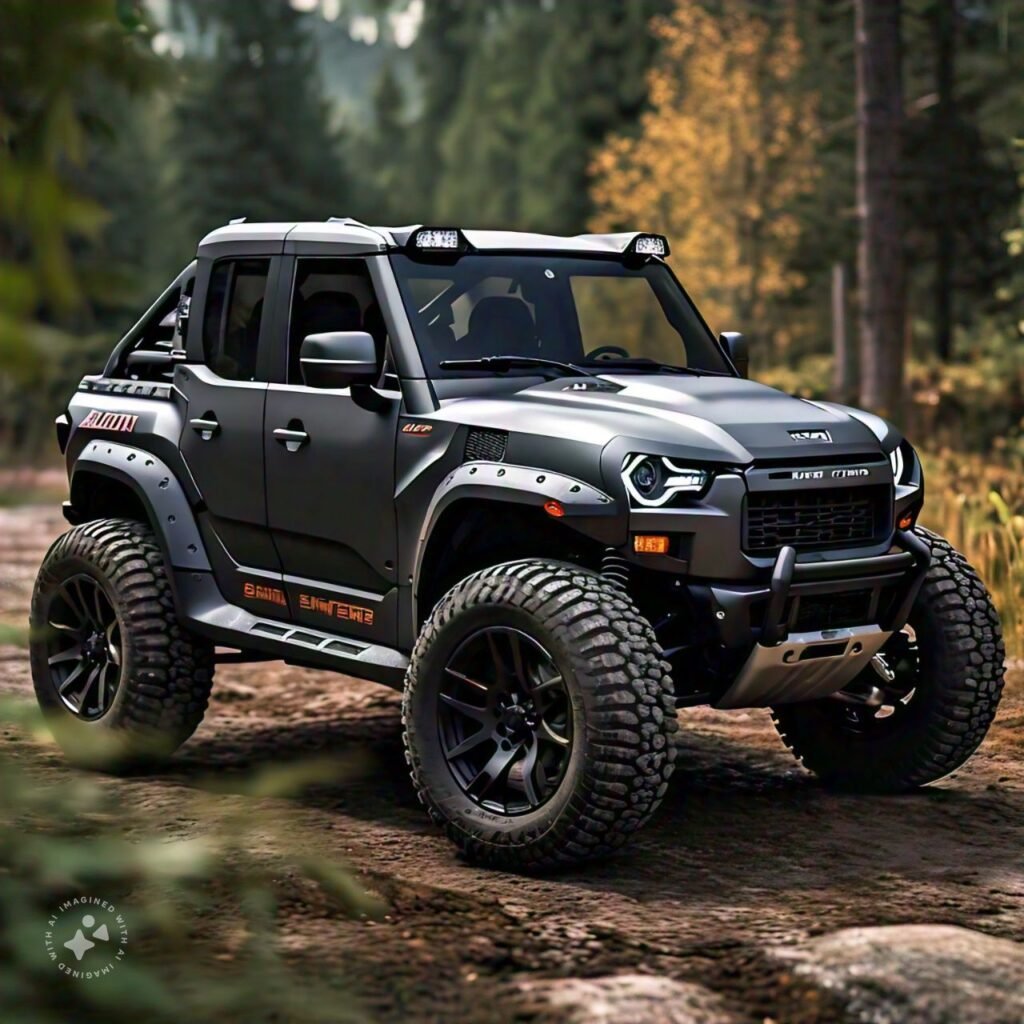
Furthermore, Can-Am’s industry-leading 14 inches of ground clearance ensures that the undercarriage remains protected when traversing deeply rutted trails or oversized boulders. The Tri-Mode Dynamic Power Steering (DPS) adjusts assist based on vehicle speed, significantly reducing arm pump on washboard roads while maintaining precise feedback at low speeds. This makes the Defender an incredibly capable machine for high-speed desert running and aggressive trail riding.
Check out our off-road collection Amazon products
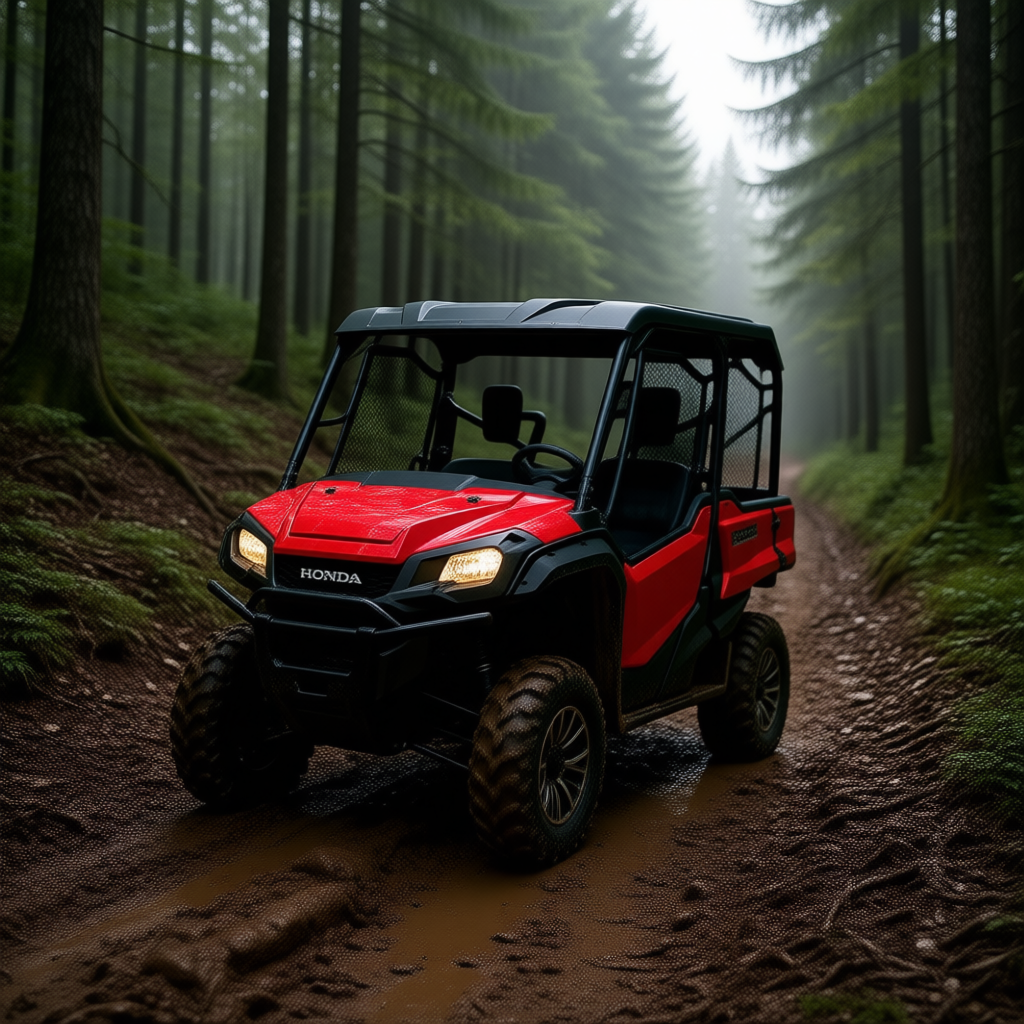
SHOP THE COLLECTIONHonda, however, prioritizes stability, load-leveling, and precise handling over sheer suspension travel. The Pioneer utilizes a double-wishbone front and rear suspension setup, offering around 10 inches of travel but with a significantly stiffer, more controlled damping profile utilizing heavy-duty torsion bars and gas-charged shocks. This translates to less body roll when cornering with a heavy bed load and superior traction when climbing off-camber hills. Both machines feature selectable four-wheel drive systems, but Honda’s TraxLok system combined with its front differential lock provides an almost mechanical grip that feels incredibly planted. The Electric Power Steering (EPS) on the Pioneer is tuned for precision rather than just lightness, giving the driver excellent feedback from the front tires, which is crucial when navigating tight, wooded trails where maneuverability is paramount.
Cargo Capacity, Towing, and Utility Features
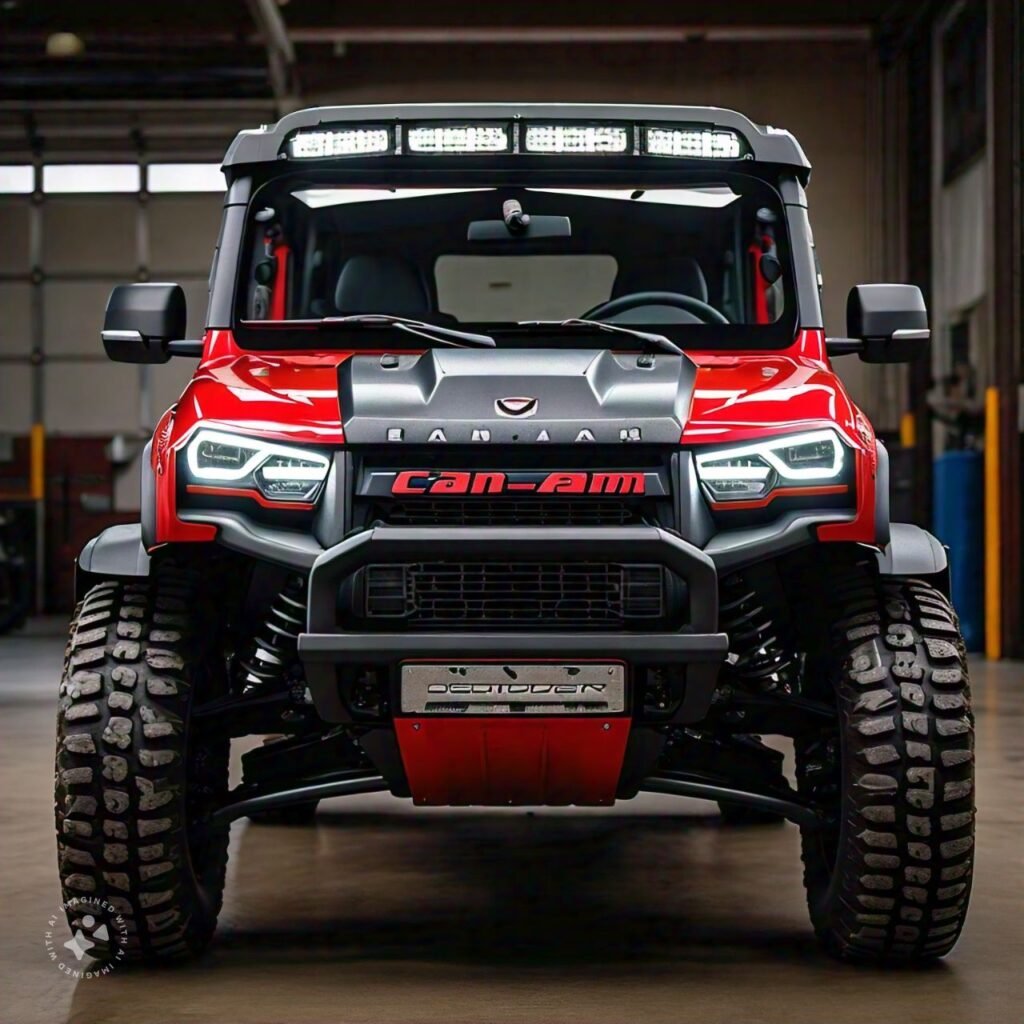
Utility is the primary metric for any workhorse, and the can am defender vs honda pioneer comparison reveals distinct approaches to cargo management. The Can-Am Defender features the versatile VERSA-PRO bench seat and a massive 600-pound capacity cargo bed with integrated tie-downs and a waterproof storage compartment. The bed is constructed with the LinQ accessory mounting system, allowing for tool-less installation of coolers, storage bags, and spare tire carriers. More importantly, the Defender is rated to tow an industry-leading 2,500 pounds, making it the undisputed king of the job site when it comes to pulling heavy equipment trailers, livestock carriers, or large logs. The integrated 4,500-pound winch and robust steel bumper further solidify its reputation as a heavy-duty workhorse capable of handling the most demanding commercial applications.
The Honda Pioneer, while slightly trailing in peak towing numbers (typically rated around 2,000 to 2,500 pounds depending on the exact model year and configuration), makes up for it with brilliant ergonomic utility. The Pioneer’s bed features a highly intuitive, automotive-style tailgate and an available hydraulic dump function that makes unloading mulch, gravel, or feed effortless for a single operator. The bed is constructed from high-density polyethylene or stamped steel, designed to resist denting, chemical corrosion, and UV degradation. Honda’s focus on low-speed torque multiplication via its DCT and sub-transmission means that even when fully loaded, the Pioneer maintains composure and traction without overheating the drivetrain. Whether you are outfitting your rig for agricultural chores or weekend landscaping, the UTV you choose must align with your specific payload requirements and daily operational workflows.
Recommended Insights From Our Guide Library:
- Honda Pioneer 1000 vs Can Am Defender HD10: Which UTV Wins?
- Can Am Defender vs Honda Pioneer: Complete Side-by-Side Comparison (2026 Update)
- Can-Am Defender vs Honda Pioneer: Ultimate Side-by-Side Comparison (2026 Update)
- Can-Am Defender vs. Honda Pioneer: The Ultimate Towing Faceoff
- The Budget Trap vs. The King: ODES UTV vs. Can-Am Defender (2025-2026 Deep Dive) – Pioneer Honda Lovers
Cabin Comfort, Ergonomics, and Technology
Modern side-by-sides are expected to provide a refined driving experience, and cabin ergonomics play a massive role in reducing operator fatigue during long days in the saddle. The Can-Am Defender offers a surprisingly spacious interior with adjustable bolsters, a tilt steering wheel, and a centralized digital gauge cluster. The cabin is sealed exceptionally well against dust and water intrusion, and the available 7.6-inch digital display with integrated GPS navigation and Bluetooth connectivity brings a premium, tech-forward feel to the worksite.
The Defender also features extensive modular storage solutions, including a removable center console, waterproof dash compartments, and a flat floor design that makes sliding in and out of the cab incredibly easy. The PRO-TORQ bench seat can even fold up to create an interior cargo shelf for securing sensitive equipment. The NVH (Noise, Vibration, and Harshness) levels in the Defender are well-managed, though the aggressive exhaust note of the V-twin is always present, reminding the driver of the power on tap.
Honda takes a more utilitarian, no-nonsense approach to the cabin, focusing on durability and ease of cleaning. The Pioneer’s interior is designed to be hosed out, with heavy-duty rubberized flooring and marine-grade materials that resist UV degradation and chemical spills. While it may lack the massive digital screens of its Canadian rival, the Pioneer’s analog-digital hybrid dash provides all the critical telemetry—such as transmission gear, engine temp, and maintenance intervals—at a quick glance. The seating position is upright and commanding, offering excellent outward visibility which is crucial when hooking up a trailer or navigating dense brush. The doors on the Pioneer feature automotive-style positive latches and robust window nets, ensuring occupants remain securely inside the roll cage perimeter during aggressive cornering or side-hill traversals.
Reliability, Maintenance, and Long-Term Value
When investing tens of thousands of dollars into a machine, long-term reliability and resale value are paramount. The Honda Pioneer has cultivated a cult-like following specifically because of its legendary, over-engineered durability. Honda’s powertrain components, from the DCT clutches to the heavy-duty CV joints, are built to withstand hundreds of thousands of miles with basic routine maintenance. The fit and finish, wiring harness routing, and corrosion resistance on a Pioneer are widely considered the gold standard in the powersports industry.

Honda recommends valve clearance checks only every 16,000 miles, a testament to the precision machining of their valvetrain and the longevity of their internal engine components. The rubber-mounted engine and DCT significantly reduce low-frequency vibrations that typically cause operator fatigue and rattle interior panels loose over time. This mechanical sympathy translates directly to lower cost-of-ownership and fewer unexpected downtime events on the farm or trail.
Can-Am has made massive strides in recent years to improve the durability of the Defender platform, addressing early-generation CVT cooling issues and strengthening the front differential. Today, the Defender is a highly reliable machine, provided the owner adheres to strict maintenance schedules, particularly regarding air filter cleaning, primary clutch sheave maintenance, and belt inspections. The CVT requires more frequent attention to ensure optimal performance and prevent premature belt wear under heavy loads. However, when it comes to sheer peace of mind and long-term depreciation, the Pioneer typically holds its value better on the used market. Ultimately, the decision hinges on whether you prioritize raw, unadulterated power and premium tech (Can-Am) or automotive-grade refinement and bulletproof longevity (Honda).
Frequently Asked Questions (FAQ)
What is the main difference in the Honda Pioneer vs Can-Am Defender powertrain?
The primary difference lies in the transmission and engine configuration. The Can-Am Defender utilizes a Rotax V-twin engine paired with a Continuously Variable Transmission (CVT), delivering aggressive, belt-driven acceleration. In contrast, the Honda Pioneer employs a Unicam parallel-twin engine mated to an automotive-style Dual-Clutch Transmission (DCT), providing direct mechanical coupling, superior engine braking, and highly predictable low-speed throttle control.
Which is better for heavy towing: Can Am Defender vs Honda Pioneer?
Check out our off-road collection Amazon products
SHOP THE COLLECTIONFor maximum towing capacity, the Can-Am Defender holds the edge with an industry-leading 2,500-pound towing rating and a heavy-duty hitch receiver. However, the Honda Pioneer is also rated near 2,500 pounds in specific configurations and utilizes its DCT and sub-transmission to provide exceptional low-speed torque multiplication, making it incredibly capable when pulling heavy loads up steep, technical inclines without overheating the drivetrain.
How does the can am vs honda side by side suspension compare?
The Can-Am Defender features a Torsional Trailing Arm Independent (TTI) rear suspension that offers up to 10 inches of travel and 14 inches of ground clearance, making it ideal for absorbing massive impacts on high-speed whoops and rocky trails. The Honda Pioneer utilizes a double-wishbone setup with heavy-duty torsion bars, prioritizing load-leveling, reduced body roll, and precise handling when carrying heavy bed payloads or navigating tight, off-camber trails.
Is the pioneer utv good for farm work?
Community Reference & Authority Resources:
Absolutely. The pioneer UTV is widely regarded as one of the best agricultural platforms on the market. Its hydraulic dump bed, automotive-style tailgate, and ultra-reliable DCT powertrain make it perfect for hauling feed, moving mulch, and towing farm equipment. The sealed cabin and easy-to-clean interior ensure it can withstand the harsh, muddy, and dusty conditions typical of daily farm chores.

- Comprehensive Tool Set: The Cartman 148 Piece Tool Kit includes all the crucial tools needed for everyday home repairs a…
- Corrosion-Resistant: All tools in the kit are heat-treated, ensuring that they resist corrosion and remain sturdy over t…
- Convenient Storage: The kit comes in a sturdy and handy blow-molded case, which securely houses each tool in its respect…
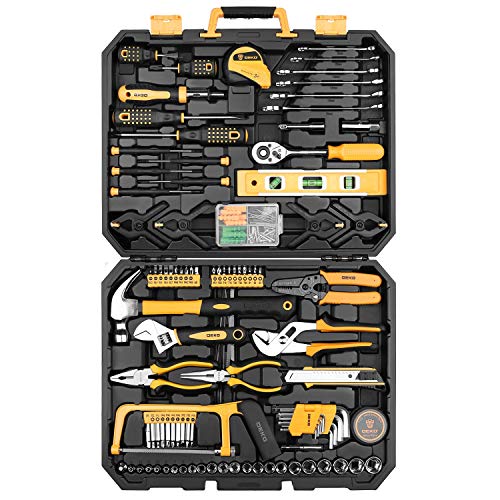
- HIGH QUALITY&STANDARDS:Forged from high-quality steel and finished in high-polish chrome,strength, durability, anti-corr…
- COMPLETE VARIETIES:Contains tools needed for most small repairs and basic DIY projects around the house.Perfect for Hand…
- INCLUDES:Comprehensive assortment of professional-grade wrenches, ratchets, a complete range of 1/4 inch and 3/8inch met…
🔍 Explore More: See all guides for Honda Pioneer.