






Can Am Defender vs Honda Pioneer: The Ultimate Side-by-Side Showdown for 2026
In the ever-evolving world of Utility Task Vehicles, the can am defender vs honda pioneer debate remains one of the most searched comparisons among off-road enthusiasts, ranchers, hunters, and working professionals alike. Both machines have earned significant acclaim for exceptional performance, robust reliability, and versatile applications across farming, hunting, trail riding, and heavy-duty utility work. As we move through 2026, both manufacturers have refined their platforms with incremental updates that sharpen the competitive edge in this head-to-head matchup.
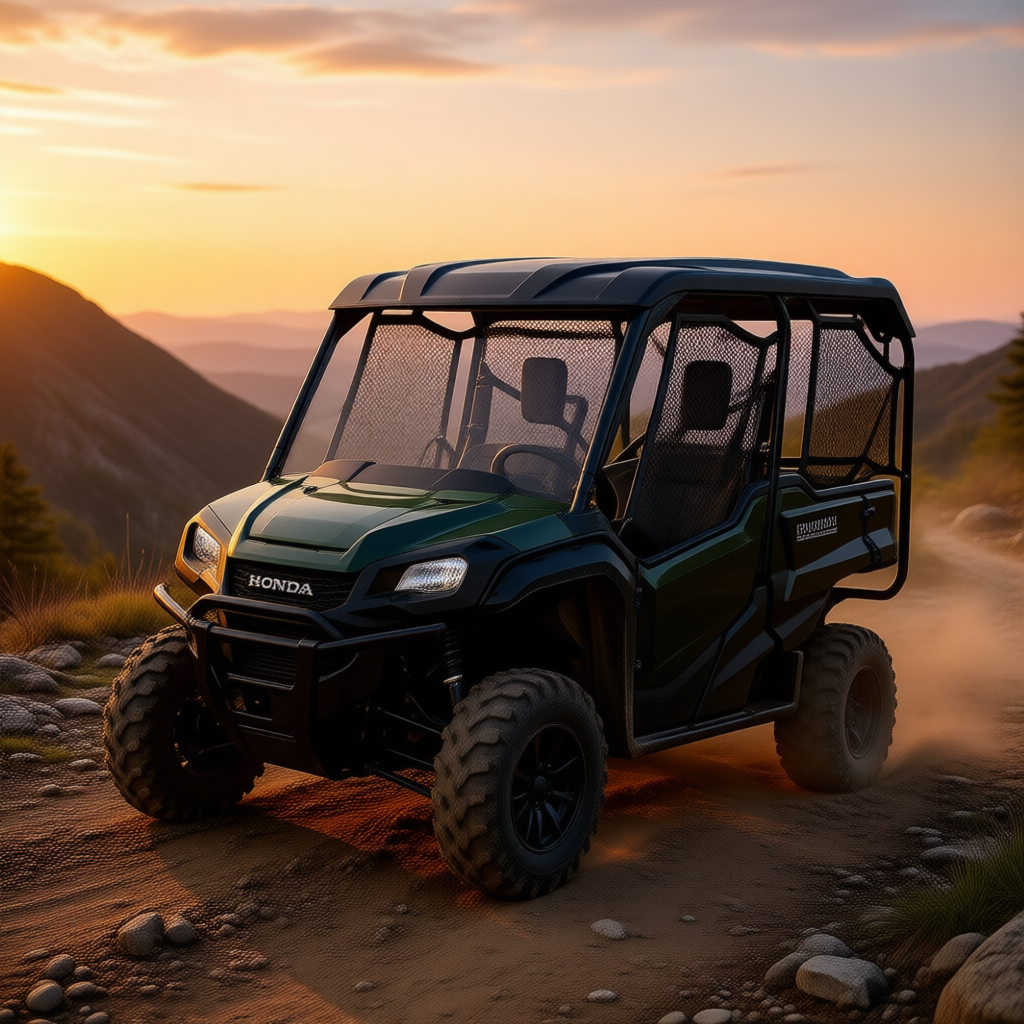
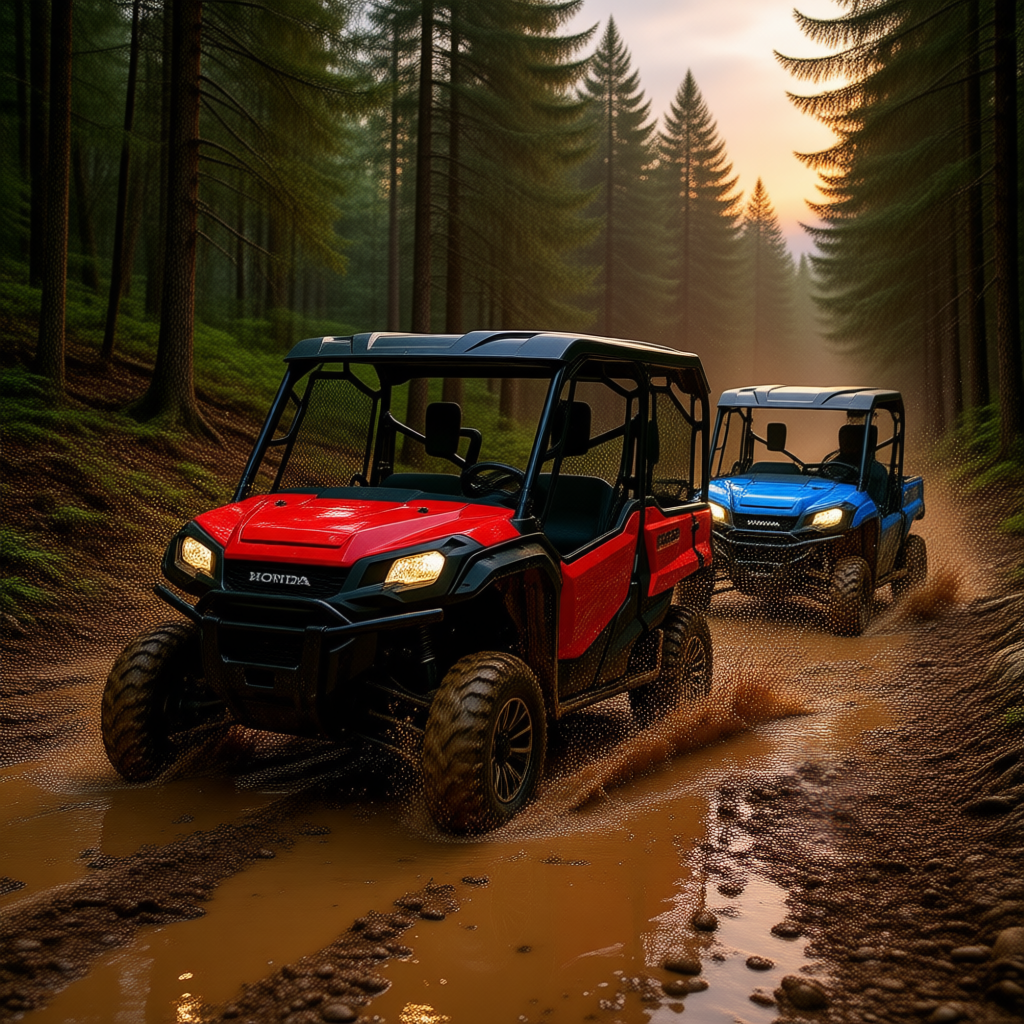
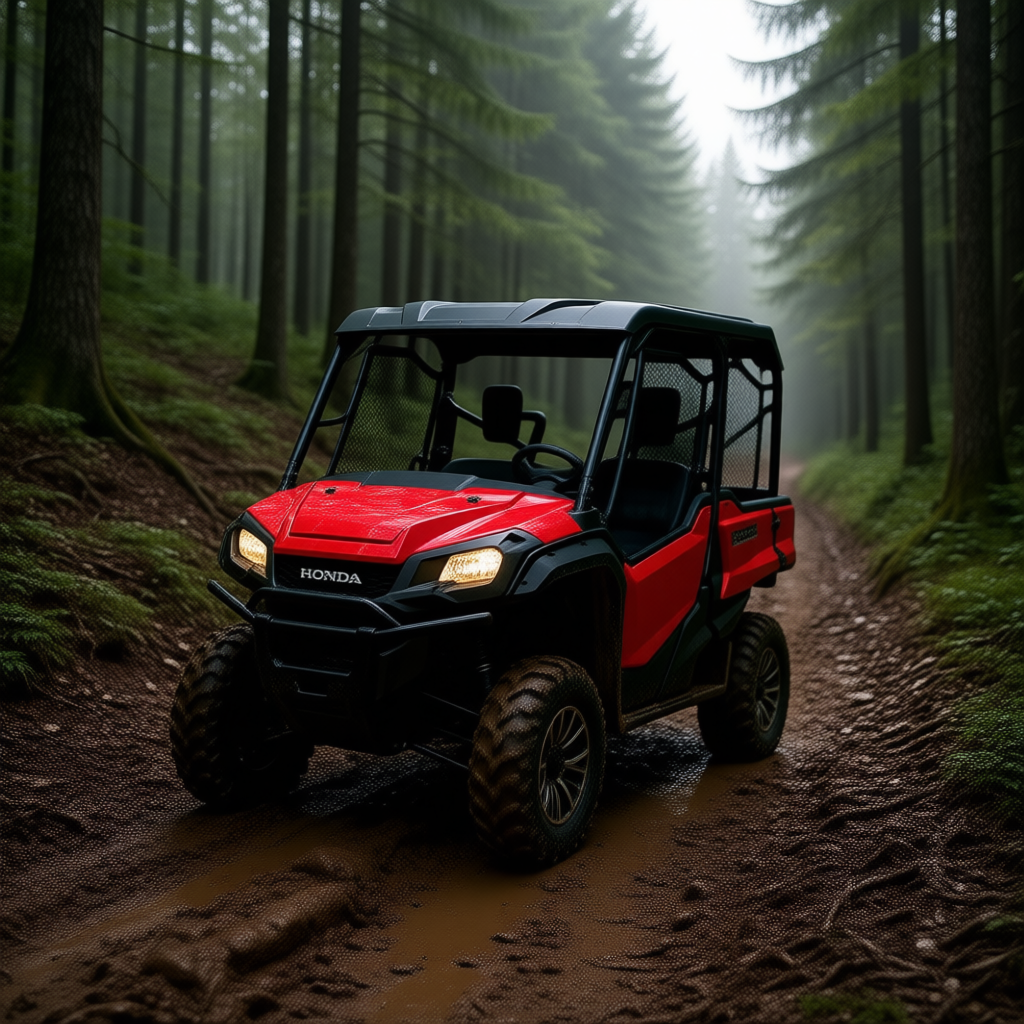
The Honda Pioneer, first introduced in 2014, has become synonymous with durability and engineering precision. Honda’s storied history in automotive and recreational vehicles is evident in every component. Whether tackling farm chores, thrilling trail rides, or weekend adventures, the Pioneer delivers consistent performance and long-lasting reliability that owners trust year after year. The 2026 model year continues this tradition with refined DCT calibration and improved cabin ergonomics.
On the other side of the can am vs honda side by side conversation, the Can-Am Defender, launched by BRP (Bombardier Recreational Products) in 2016, quickly established itself as a formidable competitor. Known for its rugged design and advanced features, the Defender caters to both recreational users and those demanding a reliable workhorse. Can-Am’s commitment to innovation and user-centric design is evident in every aspect of the Defender’s construction, from its Rotax powertrain to its versatile cargo management system.
This comprehensive guide dissects performance, design, features, technology, and pricing to help you determine which UTV best matches your needs in 2026. Whether you require a vehicle for heavy-duty tasks or exploring the great outdoors, understanding the strengths and weaknesses in the honda pioneer vs can am defender matchup is essential before investing your hard-earned money.
Engine Performance: Honda Pioneer 1000 vs Can Am Defender
When comparing the honda pioneer 1000 vs can am defender at the powertrain level, several critical factors define each vehicle’s raw capabilities and suitability for different terrains. Engine displacement, horsepower output, torque delivery, transmission type, and fuel efficiency all play decisive roles in real-world performance across mud, rock, sand, and steep grades.
The Honda Pioneer lineup features engine options ranging from 500cc to 1000cc. The flagship Pioneer 1000 generates approximately 72 horsepower with substantial low-end torque, making it well-suited for demanding tasks and challenging terrains. Honda’s engineering philosophy emphasizes smooth, linear power delivery and exceptional longevity, ensuring the Pioneer remains a dependable choice for both recreational and work-oriented purposes. The 6-speed Dual Clutch Transmission (DCT) with manual shift mode gives drivers precise control without the complexity of a traditional clutch lever.
The Can-Am Defender counters with a selection of powerful Rotax engines ranging from 800cc to 1000cc. Top-end Defender models deliver an impressive 82 horsepower, providing a measurable edge in raw acceleration and hill-climbing ability. The Defender’s high torque output enhances its capacity to tackle steep inclines and haul heavy loads with confidence. In the can am defender vs honda pioneer 1000 power comparison, the Defender holds a slight horsepower advantage, while the Pioneer excels in fuel efficiency and smoother throttle response through its refined DCT programming.
Fuel efficiency remains a critical differentiator in 2026. The Honda Pioneer’s engines are renowned for sipping fuel, translating to longer rides and reduced operational costs over thousands of miles. Owners report averaging 25-30% better fuel economy compared to equivalent Can-Am models under similar load conditions. The Can-Am Defender, with its more aggressive power delivery and CVT transmission, consumes slightly more fuel but offers superior peak performance to justify the trade-off for users prioritizing maximum output on demanding job sites.
Design and Build Quality
The design and build quality of any UTV significantly influence long-term performance and owner satisfaction. In the honda pioneer vs can am defender comparison, distinct philosophies emerge in chassis construction, material selection, corrosion resistance, and overall aesthetic direction that reflect each manufacturer’s core engineering DNA.
The Honda Pioneer features a high-strength steel chassis engineered to withstand harsh conditions across varied terrains. Its exterior design prioritizes sleek functionality and ease of maintenance, with tool-less access panels for routine service items. The ergonomics offer comfortable seating with high-quality materials, ample cabin space, and intuitive control placement that reduces fatigue during extended 8-hour workdays. The 2026 Pioneer models feature improved seat bolstering and revised steering column angles for enhanced driver comfort.
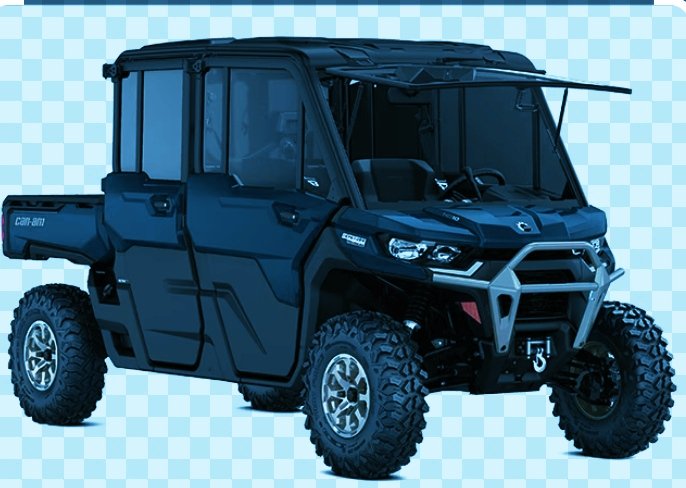
The Can-Am Defender boasts a rugged, aggressive aesthetic with a chassis constructed from heavy-duty materials promising exceptional resilience in punishing environments. The Defender offers flexible seating configurations including bench or bucket seats, generous cabin space, and easy access points that prove advantageous in demanding work environments where operators mount and dismount frequently. Both machines excel in build quality, with the Pioneer favoring refined practicality and the Defender emphasizing tough versatility for industrial-grade applications.
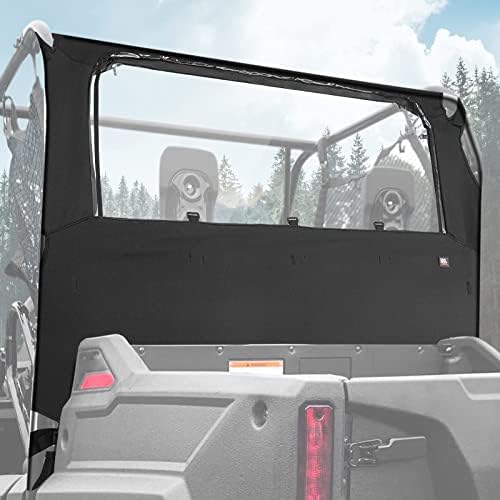
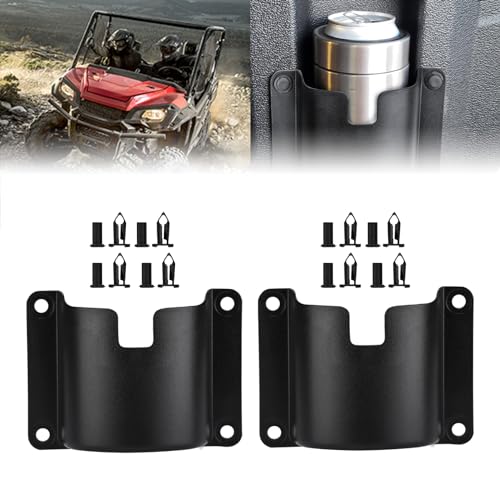
Check out our off-road collection Amazon products
Handling and Suspension Comparison
Handling and suspension characteristics define how each vehicle performs across diverse off-road conditions. In this can am vs honda side by side evaluation, both machines employ sophisticated suspension architectures tuned for different priorities, from rock crawling precision to high-speed desert stability.
The Honda Pioneer utilizes a double-wishbone suspension delivering 7.9 inches of front travel and 10.5 inches of rear travel. This setup ensures a smoother, more cushioned ride over uneven surfaces while maintaining precise handling in rugged environments. The adjustable suspension allows owners to fine-tune ride characteristics for rocky trails or smoother paths. Honda’s electronic power steering provides consistent feedback without the numbness common in budget UTVs, making long days on the trail significantly less fatiguing.
The Can-Am Defender employs an independent torsional trailing A-arm (TTA) rear suspension with 10 inches of travel front and rear. This advanced system provides optimal ground clearance and stability across muddy terrains, steep slopes, and rocky landscapes. The Pioneer shines in moderately rough terrain with refined comfort, while the Defender excels in extreme conditions where maximum stability and performance resilience are paramount. The Defender’s Visco-Lok QE front differential automatically distributes torque to the wheel with the most traction, reducing the need for manual diff-lock engagement.
Utility, Towing, and Versatility
Utility capacity separates work-ready UTVs from recreational toys, and this is where the can am defender vs honda pioneer comparison becomes most relevant for professional buyers. The Honda Pioneer’s cargo bed handles up to 1,000 pounds with a 2,000-pound towing capacity. The Can-Am Defender pushes further with 1,200 pounds of cargo capacity and 2,500 pounds of towing capability, giving it a measurable advantage for agricultural, construction, and industrial applications where every pound of payload matters.
Both vehicles support extensive accessory ecosystems that expand their functional range dramatically. The Pioneer accommodates winches, plows, and cargo racks, while the Can-Am Defender offers gun racks, bed extenders, and specialized hunting gear. The Pioneer’s innovative QuickFlip seating system enables rapid transformation between passenger and cargo configurations without tools. Meanwhile, the Defender’s PRO-TORQ transmission ensures smooth power delivery that enhances both utility and recreational performance across varying load conditions.
Recommended Insights From Our Guide Library:
- Can-Am Defender HD10 vs Honda Pioneer 1000 Trail: Which UTV Wins?
- Can Am Defender vs Honda Pioneer: Complete Side-by-Side Comparison (2026)
- Can-Am Defender vs. Honda Pioneer: The Ultimate Towing Faceoff
- The Battle of the UTVs: Can-Am Defender vs Honda Pioneer
- Can-Am Defender HD10 Archives – Pioneer Honda Lovers
For hunters and outdoor enthusiasts, the Defender’s larger bed dimensions accommodate full-size coolers, game bags, and gear bins without requiring a trailer. The Pioneer’s slightly smaller footprint makes it more maneuverable on narrow farm roads and tight wooded trails where space is at a premium. Both platforms accept aftermarket dump bed kits, snow plows, and sprayer systems for seasonal versatility.
Technology and Features
Modern UTV buyers expect advanced technology that enhances both productivity and enjoyment. The Honda Pioneer features a straightforward dashboard with analog and digital displays, Bluetooth connectivity, hill start assist, and traction control. The Can-Am Defender raises the bar with a full-color digital display, intuitive touchscreen interface, GPS navigation, dynamic power steering, and adaptable suspension settings that can be adjusted on the fly.
The Pioneer emphasizes intuitive controls and straightforward operation for users seeking simplicity and minimal learning curves. The Defender’s advanced systems offer greater customization for those prioritizing cutting-edge technology and immersive driving experiences. Both represent excellent value within their respective dashboard design philosophies, catering to different user preferences in the 2026 powersports market.
Maintenance and Reliability
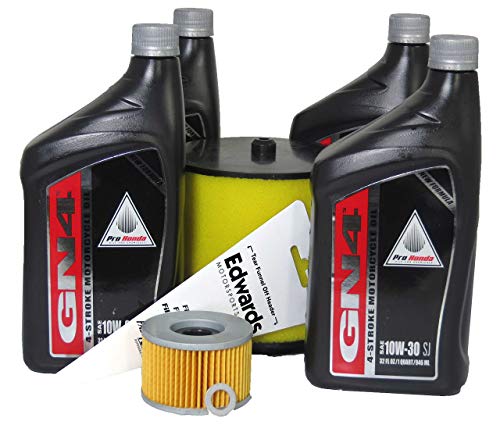
Honda’s legendary engineering precision translates into fewer reported issues and exceptional long-term reliability for the Pioneer. Routine maintenance tasks including oil changes, filter replacements, and brake inspections are designed for owner accessibility with common hand tools. Honda’s widespread service network ensures parts availability and comprehensive warranty support across all 50 states, with most dealers stocking critical components for same-day repairs.
The Can-Am Defender also maintains competitive service intervals with easy component access and clearly labeled service points. Some users report occasional electrical and drivetrain concerns, particularly with CVT belt wear under heavy towing loads, though Can-Am’s expansive dealer network and responsive warranty support effectively address these issues. Both brands enjoy strong reputations for durability in the powersports industry, but Honda’s track record of 200,000+ mile engines gives the Pioneer a slight long-term ownership advantage.
Price and Value for Money
The Honda Pioneer typically starts at a lower base price, making it attractive for budget-conscious buyers entering the UTV market. Models range from the compact Pioneer 500 starting around $10,000 to the powerful Pioneer 1000-5 Deluxe approaching $22,000. The Can-Am Defender commands a higher entry price but delivers premium features, superior towing capacity, and robust construction that justify the investment for heavy-duty users who demand maximum capability from day one.
Optional upgrades for both platforms include enhanced suspension packages, winches, cab enclosures, heated seats, and specialized tires for mud or rock terrain. The Pioneer provides cost-effective versatility across multiple trim levels, while the Defender offers premium capability for those whose work demands maximum performance and durability. Resale values favor Honda slightly, with Pioneer models retaining approximately 65-70% of value after three years compared to 60-65% for equivalent Defender models.
Can Am vs Honda Side by Side: Frequently Asked Questions
Is the Can-Am Defender better than the Honda Pioneer?
Neither is universally better. The can am defender vs honda pioneer decision depends entirely on your priorities and intended use. The Defender offers more horsepower (82 hp vs 72 hp), higher towing capacity (2,500 lbs vs 2,000 lbs), and more advanced technology features. The Pioneer counters with superior fuel efficiency, smoother power delivery, lower maintenance costs, and Honda’s proven long-term reliability spanning decades of engineering refinement.
How does the Honda Pioneer 1000 compare to the Can-Am Defender?
In the honda pioneer 1000 vs can am defender matchup, the Defender holds advantages in peak horsepower, cargo capacity, and towing capability. The Pioneer 1000 excels in fuel economy, ride refinement, and lower total cost of ownership over a 5-year period. For pure work capability requiring maximum pulling power, the Defender edges ahead; for balanced daily use, trail riding, and longevity, the Pioneer 1000 is the stronger choice.
Check out our off-road collection Amazon products
Which is more reliable: Can-Am vs Honda side by side?
Honda’s engineering heritage gives the Pioneer a slight reliability edge with fewer reported mechanical issues over extended ownership periods. The Can-Am Defender is well-built but has more reported electrical component concerns and CVT belt replacement needs under heavy use. Both offer strong warranty coverage and extensive dealer networks for support, but Honda’s simpler mechanical design generally translates to fewer service visits over the vehicle’s lifespan.
Can Am Defender vs Honda Pioneer 1000: Which should I buy for farm work?
For intensive farm work requiring heavy towing and maximum cargo capacity, the Can-Am Defender’s 2,500-pound towing rating and 1,200-pound bed capacity make it the stronger workhorse. For mixed farm and recreational use where fuel costs matter over thousands of annual operating hours, the Honda Pioneer 1000’s efficiency and lower maintenance requirements provide better long-term value and reduced downtime during critical harvest seasons.
Which UTV holds better resale value in 2026?
The Honda Pioneer consistently retains higher resale value due to Honda’s brand reputation for reliability and lower perceived maintenance costs. Three-year-old Pioneer models typically sell for 65-70% of original MSRP, while comparable Defender models average 60-65%. This makes the Pioneer a slightly safer financial investment for buyers who plan to upgrade within 3-5 years.
Community Reference & Authority Resources:
Is the Can-Am Defender better for hunting than the Honda Pioneer?
The Can-Am Defender’s larger cargo bed, higher ground clearance, and available camo-specific trims make it marginally better suited for dedicated hunting applications. However, the Honda Pioneer’s quieter engine operation and smoother ride reduce game disturbance, making it an excellent choice for hunters who prioritize stealth. Both platforms accept gun racks, blind carriers, and game-hauling accessories for the 2026 season.
🔍 Explore More: See all guides for Honda Pioneer.