

When it comes to reliable, versatile, and fun-to-drive utility side-by-sides, Honda Pioneers consistently rank among the best Honda UTV options on the market. Known for legendary durability, innovative drivetrain technology, and remarkably low ownership costs, these machines remain favorites among off-road enthusiasts, farmers, hunters, and recreational riders heading into 2026.
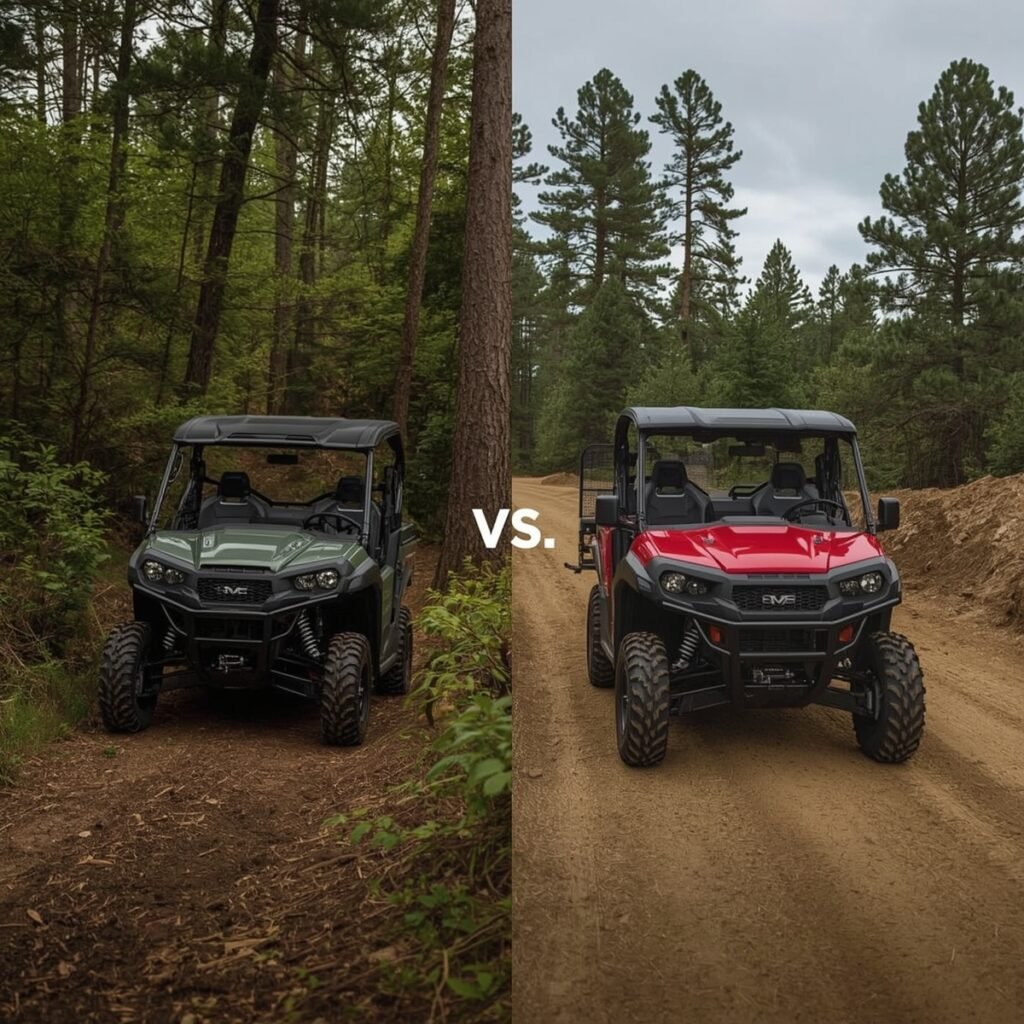
But within the Pioneer lineup, one comparison generates more search queries and dealership questions than any other: the Honda Pioneer 500 vs 700. Both models share Honda’s DNA of bulletproof engineering, yet they target distinctly different riders and workloads. Choosing between them can be a tough decision, especially when you want the best value for your hard-earned money.
In this comprehensive 2026 guide, we break down every specification, performance metric, and cost factor so you can determine which Honda 700 UTV or Pioneer 500 truly matches your needs, terrain, and budget. Whether you are cross-shopping the Pioneer 520 vs 700 or trying to decide if the compact 500 is enough, this analysis covers it all.
Key Differences: Size, Power, and Seating
The most apparent distinctions between the Pioneer 500 and Pioneer 700 lie in their physical dimensions, engine displacement, and passenger capacity. These factors directly influence trail access, hauling ability, and day-to-day usability. Understanding these differences is the first step in the Honda Pioneer 500 vs 700 decision and the foundation for determining which machine delivers the best long-term value for your specific use case.
Honda Pioneer 500: Compact and Agile
The Pioneer 500 is Honda’s most compact side-by-side, engineered for agility and easy transport. Its 475cc liquid-cooled single-cylinder four-stroke engine delivers smooth, tractable power for light utility work and recreational trail riding. The standout feature is its five-speed automatic transmission with paddle shifters—a true geared gearbox rather than a CVT—providing direct gear engagement and superior engine braking on descents. This transmission design sets the Honda 500 UTV apart from nearly every competitor in its class.
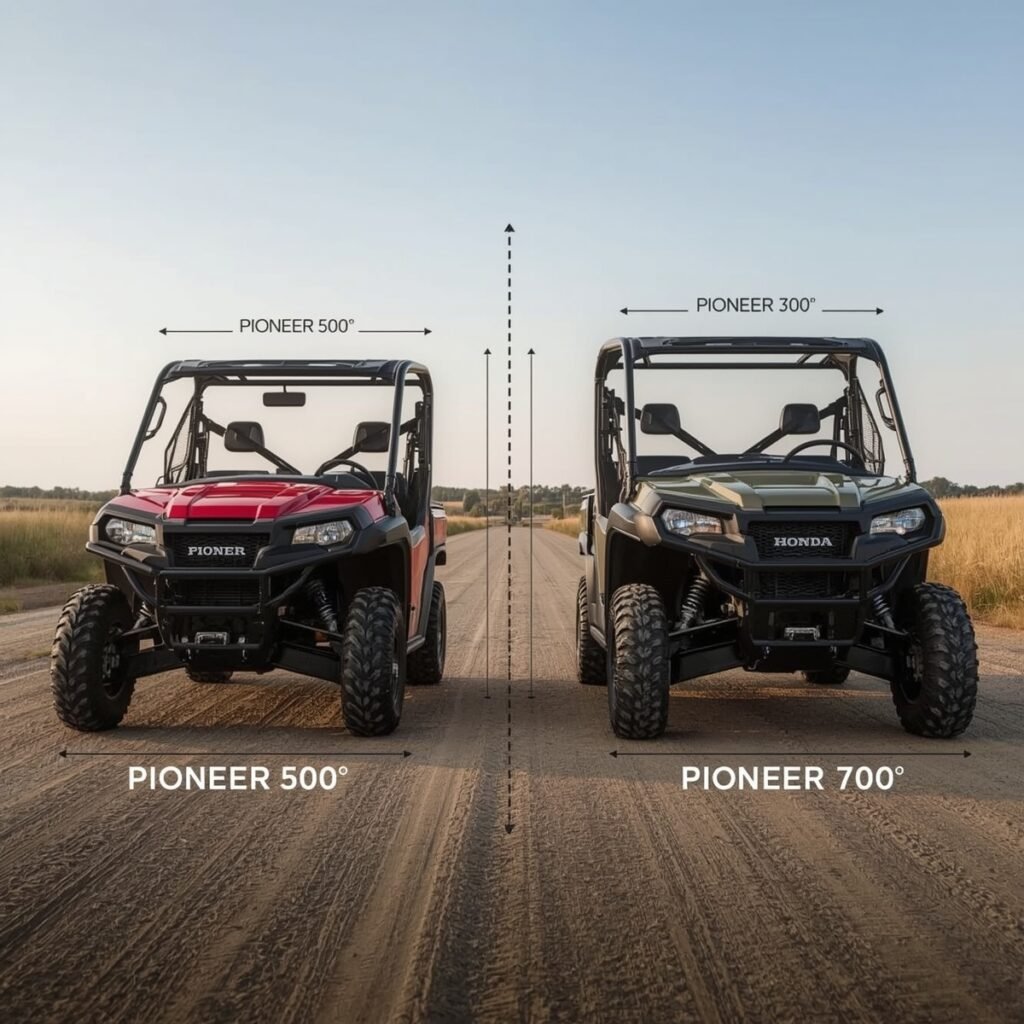
At just 50 inches wide, the Honda 500 UTV fits into the back of a full-size pickup truck and navigates narrow forest-service roads with width restrictions. Seating is configured for two passengers, and the machine carries a 1,000-pound towing capacity with a 450-pound bed rating. The Pioneer 500 top speed hovers around 45 mph, which is more than adequate for trail and property use. Honda Pioneer 500 dimensions measure approximately 102.6 inches in length and 76.5 inches in height, making garage storage and trailer loading straightforward.
Honda Pioneer 700: More Power, More Capacity
The Honda Pioneer 700 side by side steps up in every measurable dimension. Its 675cc liquid-cooled single-cylinder engine produces noticeably more torque, making steep grades and heavy loads far less taxing. The fully automatic transmission with torque converter delivers seamless power delivery, and select trims offer a manual-shift mode for riders who want more control on technical terrain.
At approximately 59.9 inches wide, the Honda 700 UTV trades some trail access for superior lateral stability. Seating is available in a two-person configuration or the highly versatile Pioneer 700-4, which adds a convertible rear bench that folds flat to expand cargo space. Towing capacity jumps to 1,500 pounds, and the bed handles up to 1,000 pounds—making the Pioneer 700 a genuine workhorse for larger properties and agricultural tasks throughout 2026 and beyond.
Honda Pioneer 520 vs 700: Where Does the 520 Fit?
Many shoppers also search for the Honda Pioneer 520 vs 700 comparison. The Pioneer 520 replaced the 500 in recent model years with a slightly updated 518cc engine, revised styling, and minor ergonomic tweaks. Mechanically, the 520 retains the same five-speed automatic transmission, 50-inch width, and two-seat layout. If you are deciding between the Pioneer 520 vs 700, the same size-and-power calculus applies: the 520 excels in tight terrain and easy transport, while the 700 dominates in towing, payload, and multi-passenger versatility. The Pioneer 500 vs 520 differences are minimal, making either an excellent compact choice.
Performance and Handling: On the Trail and at Work
Beyond raw specifications, how these UTVs perform in real-world scenarios determines their long-term value. Handling characteristics, ride comfort, suspension compliance, and overall capability on varied terrain will shape your ownership experience for years. Both the Honda Pioneer 500 review and Honda Pioneer 700 review communities consistently highlight the machines’ distinct strengths in their respective niches.
Pioneer 500: Nimble and Fun
The Pioneer 500’s compact footprint and lighter curb weight make it incredibly nimble. Its 50-inch width allows it to slip through narrow gaps that larger machines simply cannot pass, and the short wheelbase yields a tight turning radius ideal for technical, tree-lined trails. The independent front and rear suspension soaks up moderate bumps effectively, and the geared transmission’s engine braking gives confident control on steep descents without riding the brakes.
For property maintenance, light hunting access, and recreational trail riding where space is constrained, the Pioneer 500 is difficult to beat. Riders who need a Honda Pioneer 500 alternative for extremely tight single-track often look at the Pioneer 520, which shares the same chassis with minor refinements. The compact dimensions also make this machine a favorite for those who transport their UTV frequently in a truck bed.
Pioneer 700: Stable and Capable
Check out our off-road collection Amazon products
SHOP THE COLLECTIONThe Honda Pioneer 700 reviews consistently praise its planted, confidence-inspiring feel. The wider stance and longer wheelbase contribute to greater stability on uneven terrain, especially when carrying heavy loads or towing. The 675cc engine provides a noticeable increase in low-end torque, allowing easier acceleration on inclines and more confident hauling across open fields and rocky paths.
Suspension travel is slightly greater than the 500’s, translating to a smoother ride over washboards and rocky sections. The 700-4 models also provide a more comfortable experience for rear passengers, making them the best Honda side by side choice for families who ride together. For open trails, moderate-to-aggressive terrain, and serious utility work, the Honda UTV 700 platform shines. The Pioneer 700 top speed reaches approximately 50 mph, giving riders ample pace for fire roads and open terrain.
Honda Pioneer 700 Towing Capacity: What You Can Actually Haul
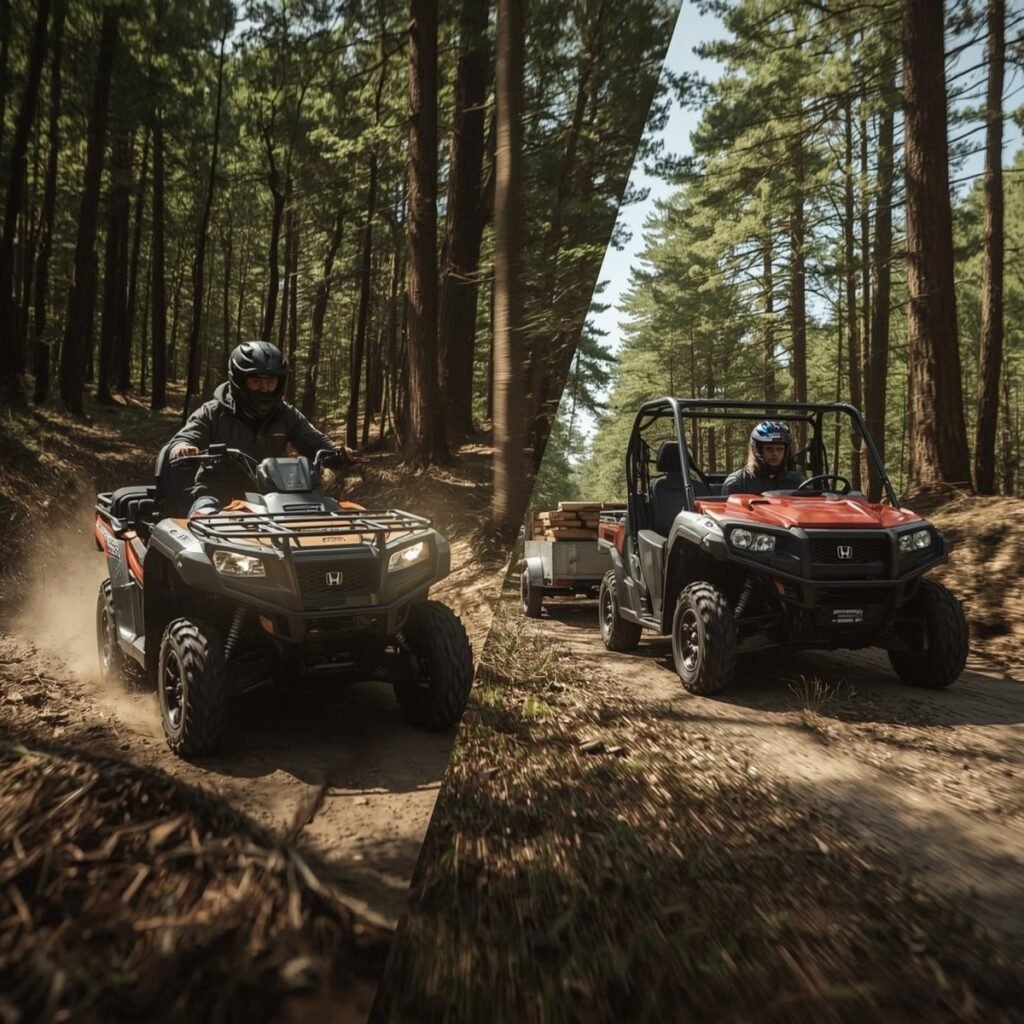
One of the most searched specifications is the Honda Pioneer 700 towing capacity. Rated at 1,500 pounds, the Pioneer 700 can comfortably pull a small utility trailer loaded with firewood, feed bags, or hunting gear. The 1,000-pound bed capacity further expands what you can carry without a trailer, from bags of gravel to a full-size cooler and camp equipment. This combination makes the Honda 700 Pioneer one of the most capable utility machines in its displacement class.
By comparison, the Pioneer 500’s 1,000-pound towing limit and 450-pound bed rating are adequate for lighter chores but fall short when you need to move a loaded ATV trailer or several hundred pounds of fencing material. If towing is a priority in your Honda Pioneer 500 vs 700 evaluation, the 700 is the clear winner. For reference, the official Honda Powersports specifications page confirms these ratings across current model-year Pioneer 700 and 700-4 trims.
In practical terms, the Honda Pioneer 700 towing capacity handles a standard 4×8 utility trailer loaded with landscaping materials, a pair of dirt bikes on a lightweight trailer, or a fully loaded game cart during hunting season. The torque converter transmission ensures smooth, jerk-free starts even at maximum rated load, protecting both the driveline and your cargo.
Cost and Value Analysis: Where Your Money Goes
Recommended Insights From Our Guide Library:
- Honda Pioneer 500 vs 700: Which UTV Offers the Best Value in 2026?
- Honda Pioneer 500 vs Polaris Ranger 500: The Ultimate Size Comparison
- Honda Pioneer 700 vs 520 for Farming: Which UTV is Right for Your Farm?
- Polaris Ranger 570 vs Honda Pioneer 700 Value: Which UTV Offers Better Bang for Your Buck?
- Pioneer Honda Lovers – Page 36 of 74 – Drive Dreams that you Love 💓
Ultimately, the “best value” is not just about sticker price; it is about what you receive over the vehicle’s lifespan relative to your specific workload and riding style. The Honda Pioneer value proposition extends well beyond the initial purchase, encompassing fuel economy, maintenance intervals, parts availability, and resale strength.
Initial Purchase Price
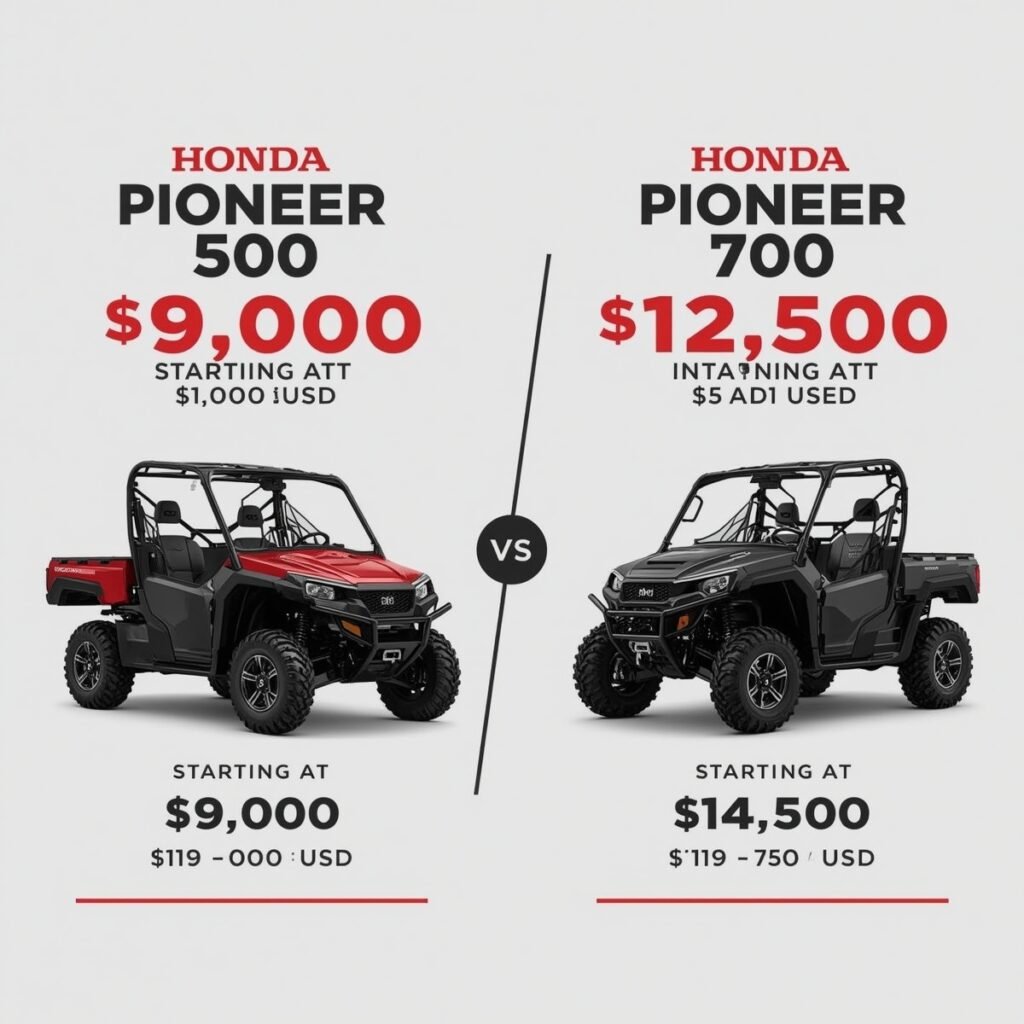
- Pioneer 500 / 520: New models typically start in the low-to-mid $9,000 range, making them accessible to first-time UTV buyers and those with modest hauling needs.
- Pioneer 700 / 700-4: The Honda 700 Pioneer lineup starts in the low-to-mid $12,000 range, with the four-seat 700-4 and Deluxe trims pushing toward $14,000–$15,000. The 2020 Honda Pioneer 700-4 value on the used market remains strong, often holding 70 percent or more of original MSRP after four years.
Running Costs and Maintenance
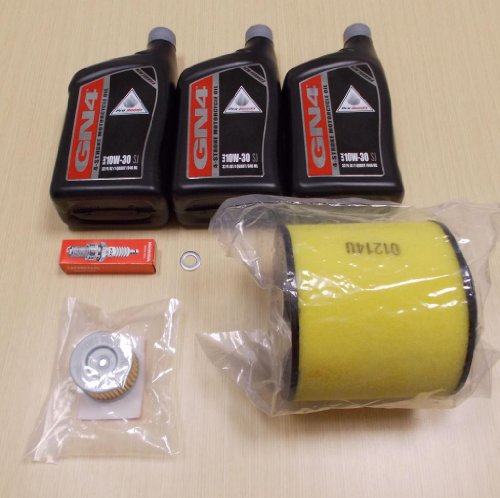
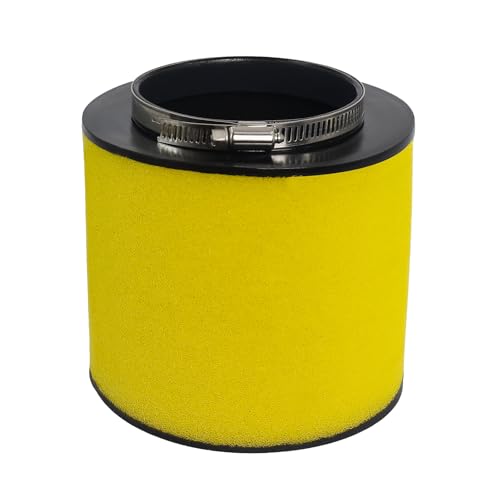
Both the Pioneer 500 and 700 benefit from Honda’s legendary reliability, translating to lower long-term maintenance costs than many competitors. Oil changes, air-filter swaps, and brake inspections follow similar intervals. The smaller 475cc engine may sip slightly less fuel under light loads, but real-world consumption differences are marginal. Parts availability for both the Honda Pioneer 700 and 500 is excellent through OEM dealers and aftermarket suppliers. For routine upkeep, you can explore Pioneer 500 and 700 maintenance guides to keep your machine in top shape.
Resale Value
Honda UTVs hold their value exceptionally well. The Pioneer 700 price on the secondary market remains robust thanks to the model’s reputation for durability and the strong demand for used Honda side-by-sides. The 2015 Honda Pioneer 700-4 value, for example, still commands a premium over similarly aged competitors. This strong residual value means your total cost of ownership is often lower than the sticker price suggests.
Which Offers the Best Value?
- Pioneer 500 / 520 – Best for Compact Utility and Recreation: Lower entry cost, 50-inch trail access, and Honda reliability make it the best Honda UTV for riders who prioritize agility and simplicity.
- Pioneer 700 / 700-4 – Best for Versatility and Heavier Work: Higher towing, greater payload, optional four-seat configuration, and more torque justify the premium for buyers with diverse or demanding needs.
Honda Pioneer 500 vs 700: Quick Spec Comparison Table
| Specification | Pioneer 500 / 520 | Pioneer 700 / 700-4 |
|---|---|---|
| Engine | 475cc / 518cc single-cyl | 675cc single-cyl |
| Transmission | 5-speed auto w/ paddles | Full auto w/ torque converter |
| Width | 50 in | 59.9 in |
| Seating | 2 | 2 or 4 (700-4) |
| Towing Capacity | 1,000 lb | 1,500 lb |
| Bed Capacity | 450 lb | 1,000 lb |
| Top Speed (approx.) | 45 mph | 50+ mph |
| Starting MSRP | ~$9,299 | ~$12,499 |
Frequently Asked Questions
Is the Honda Pioneer 500 or 700 better for hunting?
If your hunting access involves narrow, overgrown trails or truck-bed transport, the Pioneer 500’s 50-inch width is a major advantage. However, if you need to haul a deer stand, multiple hunters, or a loaded game cart, the Pioneer 700’s extra towing capacity and available four-seat layout make it the more practical choice for serious hunting operations.
What is the Honda Pioneer 700 towing capacity?
The Honda Pioneer 700 towing capacity is rated at 1,500 pounds across both the two-seat and 700-4 configurations. The bed independently handles up to 1,000 pounds of cargo, giving you flexible hauling options without needing a trailer for smaller loads.
How does the Honda Pioneer 520 vs 700 compare?
The Pioneer 520 is essentially an updated Pioneer 500 with a 518cc engine and minor styling changes. It retains the 50-inch width, five-speed transmission, and two-seat layout. The 700 adds roughly 200cc of displacement, a wider chassis, optional four-seat seating, and 50 percent more towing capacity. For most buyers, the decision mirrors the Pioneer 500 vs 700 calculus.
What is the best Honda UTV for the money in 2026?
Check out our off-road collection Amazon products
SHOP THE COLLECTIONFor pure trail agility and low cost of entry, the Pioneer 500/520 is the best Honda UTV value. For families, farmers, or anyone needing multi-passenger seating and heavier hauling, the Pioneer 700-4 delivers the most capability per dollar in Honda’s lineup. Both platforms benefit from Honda’s industry-leading reliability and strong resale values.
What is the Pioneer 500 top speed?
The Honda Pioneer 500 top speed is approximately 45 mph under ideal conditions. The Pioneer 700 can reach roughly 50 mph or slightly more, depending on load and terrain. Neither machine is designed for high-speed desert running; both prioritize torque, control, and utility over outright pace.
Are parts easy to find for the Honda Pioneer 700?
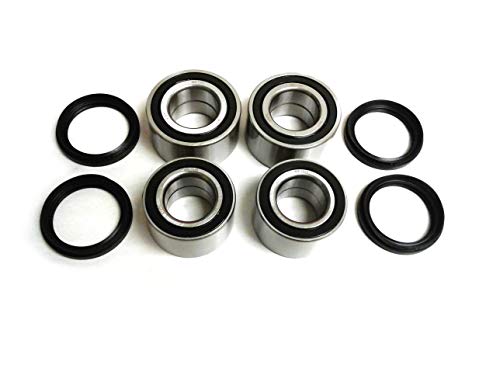
Yes. As one of Honda’s most popular UTV platforms, the Pioneer 700 benefits from wide OEM and aftermarket parts availability. Common maintenance items such as air filters, brake pads, and wheel bearings are stocked at most dealerships and online retailers. The shared architecture between the Pioneer 500, 520, and 700 also means many components are interchangeable, simplifying sourcing.
Conclusion: Finding Your Perfect Pioneer
In the Honda Pioneer 500 vs 700 debate, there is no single “best” UTV—only the best UTV for your specific needs. The Pioneer 500 (and its 520 successor) shines as the agile, compact, and affordable option for tight trails, light utility, and two-person recreation. The Pioneer 700 and 700-4 deliver a significant step up in power, towing, payload, and passenger flexibility, justifying their higher price for buyers with more demanding workloads.
Community Reference & Authority Resources:
Both machines embody Honda’s commitment to quality and long-term reliability, ensuring that whichever you choose, you are investing in a side-by-side that will serve you well for years. Assess your primary terrain, passenger count, towing requirements, and budget, and the right Pioneer will become obvious. Happy riding, and may your chosen Honda UTV bring you endless adventures and productivity in 2026 and beyond!


🔍 Explore More: See all guides for Honda Pioneer.