






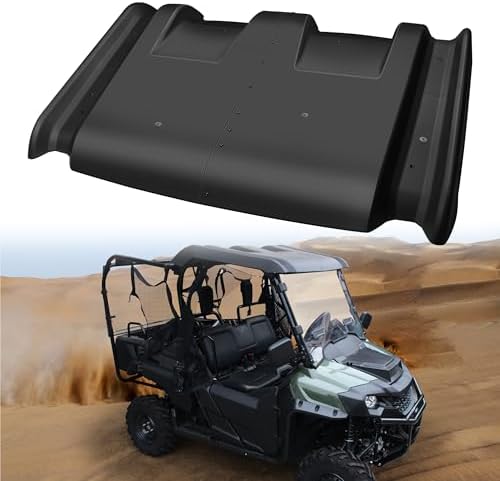
When it comes to off-road adventures, the Honda Pioneer 700 remains a top choice among side-by-side enthusiasts in 2026. With its powerful 675cc parallel-twin engine and rugged dual-clutch transmission (DCT), it is built to tackle tough terrains year-round. However, a growing number of owners report a frustrating issue: Honda Pioneer 700 transmission slipping when cold, particularly during the first few minutes of operation in cooler weather.
In this comprehensive 2026 guide, we explore the root causes of Honda Pioneer 700 transmission problems, walk through detailed diagnostic steps, and provide proven solutions to get your side-by-side shifting smoothly again—whether the issue is low or dirty fluid, worn clutch components, or sticky solenoid valves.
Understanding Honda Pioneer 700 Transmission Slipping
Before diving into fixes, it helps to understand what transmission slipping actually means in the context of the Pioneer 700’s dual-clutch transmission. The transmission transfers engine power through a series of clutch packs and hydraulic circuits to the wheels. When the Honda Pioneer 700 transmission slipping occurs, RPMs climb without a corresponding increase in ground speed, acceleration feels sluggish, and you may notice a delay or “hunt” between gear changes.
Cold-weather slipping is especially common because transmission fluid thickens at lower temperatures, reducing hydraulic pressure until the fluid warms up. This temporary condition usually resolves after 3–5 minutes of riding. However, if slipping persists beyond the warm-up window, a deeper mechanical issue is likely at play. Understanding the difference between benign cold-start behavior and genuine Honda Pioneer 700 transmission problems is the first step toward an accurate diagnosis.
The DCT system relies on precise hydraulic pressure to engage clutch packs. Any disruption—whether from degraded fluid, trapped air, or worn seals—compromises that pressure and manifests as slip. In 2026, with many Pioneer 700 units now exceeding 5,000 operating hours, fluid degradation and seal wear have become increasingly common contributors.
Why Does the Honda Pioneer 700 Transmission Slip When Cold?
The Honda Pioneer 700 transmission slipping when cold is almost always tied to fluid viscosity and hydraulic pressure. Below are the primary cold-start culprits that owners should investigate:
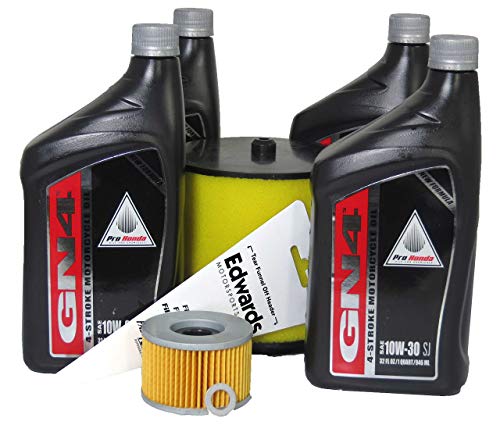
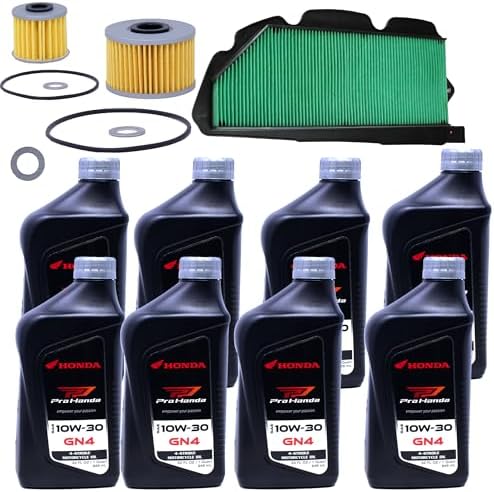
- Thickened transmission fluid: At temperatures below 40 °F (4 °C), the OEM Honda GN4 10W-30 or equivalent fluid becomes significantly more viscous, slowing clutch engagement and reducing initial hydraulic pressure.
- Air trapped in hydraulic lines: Overnight parking allows micro-bubbles to form in the circuit. These compress under initial load, causing momentary slip until they are purged through circulation.
- Cold clutch plate friction material: The friction discs need heat to reach their optimal grip coefficient. Cold plates can glaze slightly, reducing bite for the first few shifts until operating temperature is reached.
- ECU cold-start mapping: The Pioneer’s ECU enriches the fuel mixture and adjusts shift points during warm-up, which can momentarily mismatch clutch pressure to engine torque output.
If the slipping disappears after the machine reaches operating temperature (roughly 160–180 °F at the transmission case), the condition is typically benign. Persistent slipping beyond five minutes of operation, however, signals worn components or fluid degradation that demands immediate attention.
Common Honda Pioneer 700 Transmission Problems
Beyond cold-start slipping, owners across model years (2014–2026) report a cluster of related Honda Pioneer 700 transmission problems that share overlapping root causes. Recognizing these patterns early can save thousands in repair costs:
- Delayed or harsh shifting in automatic mode: Often linked to dirty fluid or a failing shift solenoid. The DCT controller detects resistance and delays engagement, producing a noticeable “clunk.”
- Honda Pioneer 700 not shifting properly between 2nd and 3rd gear: Usually caused by a worn shift fork or debris in the valve body restricting hydraulic flow to the 3rd gear clutch pack.
- Grinding or clunking on engagement: Points to worn dog gears or a failing actuator motor. This is more common in units frequently operated in manual paddle-shift mode.
- Complete loss of drive in one direction: May indicate a broken clutch pack spring or severe fluid starvation requiring immediate shutdown to prevent catastrophic damage.
These Honda Pioneer transmission problems share overlapping root causes—low or dirty fluid, neglected service intervals, and aggressive loading—making early diagnosis critical to avoiding a full transmission rebuild. The 2009 Honda Big Red 700 MUV 4×4 transmission problems reported by earlier owners follow a similar pattern, reinforcing the importance of consistent fluid maintenance across Honda’s side-by-side lineage.
Honda Pioneer 700 Clutch Slipping: Signs and Diagnosis
Honda Pioneer 700 clutch slipping presents slightly differently from general transmission slip. Because the Pioneer uses a wet multi-plate clutch pack inside the DCT housing, the symptoms are distinct and progressive:
- RPM surge without proportional speed increase, especially under load (towing, hill climbing, or deep-mud operation).
- A faint burning smell from the transmission area after sustained throttle application.
- Slipping that worsens as the machine heats up—the opposite pattern of cold-start slip.
- Visible darkening or metallic particles in the transmission fluid during a drain inspection.
To confirm clutch slipping, perform a stall test: engage the parking brake, shift into gear, and apply moderate throttle. If RPMs climb past 3,500 without the machine lurching forward, the clutch plates are likely glazed or worn beyond service limits. Per the Honda service manual, minimum plate thickness is 2.7 mm. Any measurement below this threshold mandates replacement.
If you notice the Honda Big Red 700 transmission slipping in older models you may also own, the diagnostic procedure is nearly identical, as both platforms share wet-clutch architecture.
Honda Pioneer 700 Transmission Fluid: Specs, Check, and Change
Proper Honda Pioneer 700 transmission fluid maintenance is the single most effective defense against slipping. Below are the updated 2026 specifications every owner should know:
Check out our off-road collection Amazon products
| Specification | Detail |
|---|---|
| OEM Fluid | Honda GN4 10W-30 or Pro-Honda GN4 |
| Capacity (drain & refill) | Approximately 2.6 US qt (2.5 L) |
| Check Interval | Every 100 hours or 6 months |
| Full Change Interval | Every 200 hours or annually |
| Operating Temp Range | –20 °F to 240 °F |
| Required Standard | JASO MA/MA2 (wet-clutch safe) |
Honda Pioneer 700 Transmission Fluid Check Procedure
To perform a Honda Pioneer 700 transmission fluid check, park on level ground with the engine off and cooled for at least 3 minutes. Remove the dipstick (located on the right side of the transmission case—see our guide on locating the oil dipstick on Honda Pioneer models), wipe clean, reinsert fully, then withdraw to read the level. The fluid should sit between the upper and lower marks and appear translucent amber. Dark, burnt-smelling, or gritty fluid demands an immediate drain and refill.
Choosing the Correct Fluid
Using the wrong fluid type is a leading cause of Honda Pioneer 700 transmission slipping. Avoid automotive ATF or gear oils not rated for wet-clutch applications. The correct fluid must meet JASO MA/MA2 standards to prevent clutch glazing. If you operate in extreme cold (below 0 °F), consider a synthetic 5W-30 equivalent approved by Honda to reduce cold-start viscosity issues. Never use friction-modified “energy conserving” oils, as these will cause progressive clutch slip.
Step-by-Step Solutions for Honda Pioneer 700 Transmission Slipping
If you are experiencing Honda Pioneer 700 transmission slipping when cold or at any operating temperature, follow this diagnostic and repair workflow in order:
1. Verify and Top Off Transmission Fluid
Recommended Insights From Our Guide Library:
- Honda Pioneer 700 Transmission Slipping When Cold: Causes, Fixes & Fluid Specs
- The Ultimate Guide to Honda Pioneer Transmission Tear-Downs
- Unraveling the Mysteries of the 2009 Honda Big Red 700 MUV 4×4 Transmission
- pioneerhonda.blog, Author at Pioneer Honda Lovers – Page 64 of 66
- Pioneer Honda Lovers – Page 71 of 74 – Drive Dreams that you Love 💓
Check the level as described above. If low, add the correct fluid in 4 oz increments until the level reaches the upper mark. Inspect for external leaks around the drain plug, filter housing, and axle seals. Low or dirty fluid is the number-one cause of intermittent slip and the easiest fix.
2. Perform a Full Fluid and Filter Change
If the fluid is dark or contaminated, drain completely, replace the transmission filter (part number 15410-HN8-A01), and refill with fresh OEM fluid. This single service resolves the majority of cold-start slipping complaints reported in 2026 owner forums.
3. Inspect Clutch Plates
If slipping persists after a fluid change, the clutch plates may be worn. Remove the transmission side cover and measure plate thickness with a micrometer. Replace any plate below 2.7 mm or showing visible glazing. A qualified Honda powersports technician can perform this service if you lack the specialty case-splitting tools.
4. Clean or Replace Shift Solenoids and Valves
Sticky valves caused by debris buildup prevent proper hydraulic pressure delivery. Remove the valve body, soak in transmission-safe solvent, and inspect each bore for scoring. Replace any solenoid showing resistance outside the 5–8 ohm specification. This step is critical when the Honda Pioneer 700 is not shifting properly between specific gears.
5. Reset the ECU / DCT Learning Memory
After mechanical repairs, disconnect the battery for 15 minutes or use a Honda diagnostic tool to reset the DCT adaptive learning parameters. This ensures the ECU recalibrates shift pressure to match the new clutch and fluid condition, eliminating phantom slip codes.
Honda Pioneer 700 Transmission Technical Specifications
Understanding the hardware helps contextualize why certain failures occur. The Pioneer 700 uses a 6-speed dual-clutch transmission with an automatic/manual mode selector:
| Component | Specification |
|---|---|
| Transmission Type | 6-speed DCT (Dual Clutch Transmission) |
| Clutch Type | Wet multi-plate, hydraulically actuated |
| Final Drive | Shaft drive, 2WD/4WD selectable |
| Shift Modes | Full Auto, Sport Auto, Manual (paddle) |
| Gear Ratios (1st–6th) | 2.86 / 1.76 / 1.32 / 1.07 / 0.89 / 0.77 |
| Fluid Capacity | 2.6 US qt (2.5 L) |
Compared to belt-driven CVT systems found in competitors like the Polaris Ranger or Can-Am Defender, the Pioneer’s DCT offers more direct power delivery and consistent performance under load but requires stricter fluid maintenance intervals. For a broader comparison of drivetrain designs, see our Pioneer Honda vs. modern ATVs and LTVs comparison. Riders looking to maximize performance across their Honda fleet will find that drivetrain care is the universal foundation.
FAQ: Honda Pioneer 700 Transmission Slipping
Why does my Honda Pioneer 700 transmission slip only when cold?
Cold fluid is thicker and takes longer to build full hydraulic pressure. In most cases, Honda Pioneer 700 transmission slipping when cold resolves within 3–5 minutes as the fluid warms to operating temperature. If it persists beyond that window, check for low fluid level, a weak clutch spring, or a clogged filter restricting flow.
How often should I change the Honda Pioneer 700 transmission fluid?
Honda recommends a full fluid and filter change every 200 operating hours or once per year, whichever comes first. Severe use—mud riding, heavy towing, extreme temperatures—shortens this interval to every 100 hours. Always use JASO MA-rated fluid.
Can I fix Honda Pioneer 700 clutch slipping myself?
A fluid and filter change is a straightforward DIY job requiring basic hand tools and approximately 45 minutes. Clutch plate replacement, however, requires splitting the transmission case and specialty Honda tools—best left to an experienced technician to avoid damaging the DCT internals.
Check out our off-road collection Amazon products
Is Honda Pioneer 700 transmission slipping covered under warranty?
If your Pioneer is within the original 12-month or 6-month (commercial) warranty period and the issue is not caused by misuse or aftermarket fluid, Honda’s powertrain warranty may cover the repair. Contact your authorized dealer with your VIN and complete service records.
What fluid should I use to stop cold-weather slipping?
Stick with Honda GN4 10W-30 (JASO MA). In sub-zero climates, a JASO MA-rated synthetic 5W-30 can reduce cold-start viscosity without compromising clutch friction. Never use automotive ATF or friction-modified oils, as these accelerate clutch glazing.
What causes Honda Pioneer 700 not shifting properly between gears?
Failure to shift between specific gears (commonly 2nd to 3rd) is typically caused by debris in the valve body, a worn shift fork, or a solenoid operating outside its 5–8 ohm resistance range. A fluid flush and solenoid inspection usually resolves the issue.
Conclusion
Community Reference & Authority Resources:
Experiencing Honda Pioneer 700 transmission slipping when cold can be frustrating, but it is almost always a solvable problem. By maintaining the correct Honda Pioneer 700 transmission fluid level and type, inspecting clutch plates at recommended intervals, and addressing sticky valves early, you can eliminate slip and restore the smooth, confident shifting your side-by-side was engineered to deliver.
If you are unsure about any aspect of the repair process, consult a qualified Honda powersports technician to ensure the problem is properly diagnosed and resolved before it escalates into a costly rebuild. Consistent maintenance in 2026 and beyond remains the most reliable strategy for keeping your Pioneer 700 transmission performing at its best for thousands of miles to come.
🔍 Explore More: See all guides for Honda Pioneer.