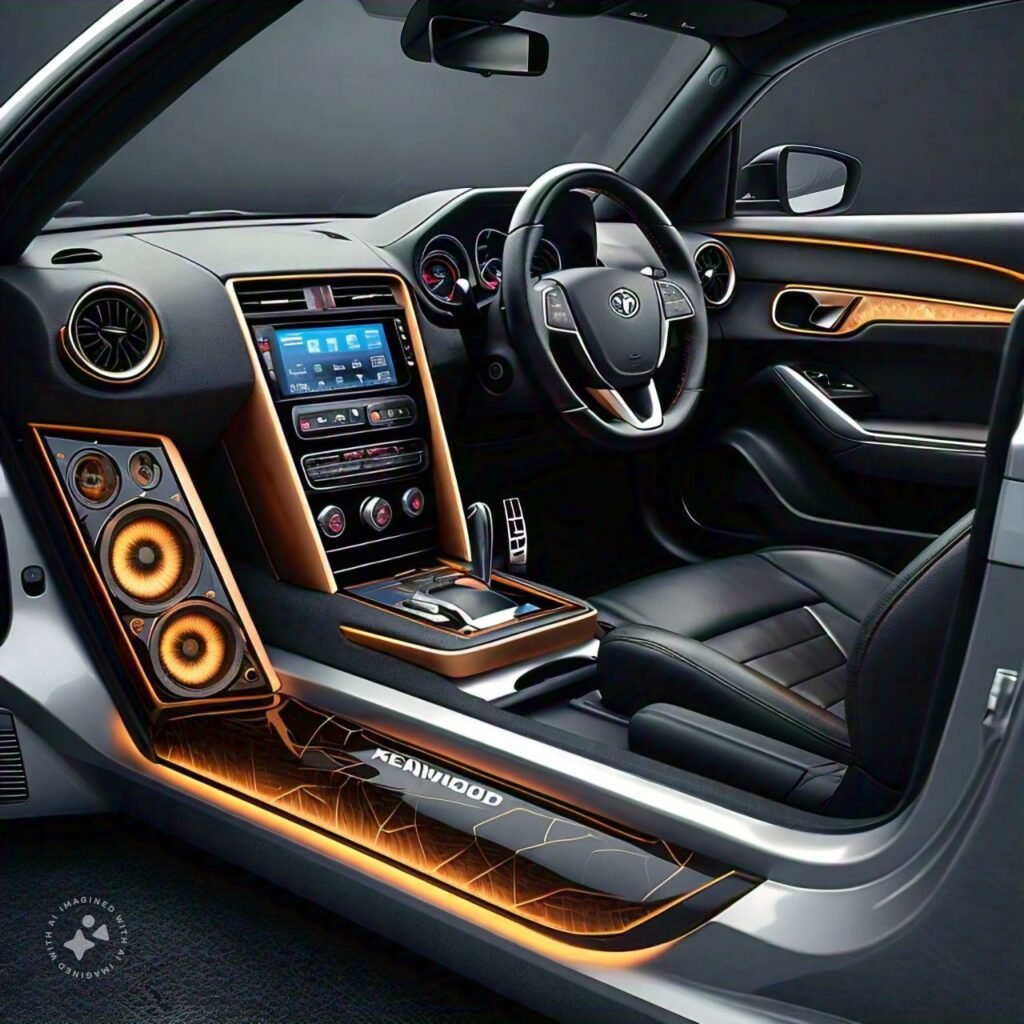
Pioneer and Kenwood are two undisputed titans in the car audio industry, each boasting a storied history and a well-earned reputation for quality and innovation. For decades, these Japanese engineering powerhouses have been at the forefront of car audio technology, continually pushing the boundaries of what is possible in terms of sound quality, connectivity, and user experience. Whether you are upgrading a daily driver or building a competition-grade sound system, the kenwood vs pioneer debate remains one of the most hotly contested topics among audiophiles and casual listeners alike.
In this comprehensive 2026 guide, we break down every critical comparison point—from speaker performance and head unit features to installation ease and long-term value. By the end, you will have a clear, data-backed answer to the question: which is better, Kenwood or Pioneer?
Brand History & Legacy: Kenwood Pioneer Origins
Pioneer was founded in Tokyo, Japan, in 1938 by Nozomu Matsumoto, initially focusing on the repair of radios and speakers. The company quickly expanded its product line and, by the 1970s, had established itself as a dominant leader in the global car audio market. Pioneer’s commitment to innovation has led to numerous industry firsts, including the introduction of the world’s first automotive CD player in 1984 and the first in-dash GPS navigation system in 1990. Over the years, Pioneer has built a reputation for producing high-quality audio equipment that delivers exceptional sound performance and long-term durability.
Kenwood, also based in Japan, was founded in 1946 under the original name Kasuga Radio Co. Ltd. The company rebranded as Kenwood in 1981 and has since become synonymous with cutting-edge car audio technology. Kenwood’s journey in the car audio sector began in earnest in the 1980s, and the brand quickly gained a loyal following thanks to its innovative products and dedication to quality. Key milestones for Kenwood include the development of the first anti-theft car radio in 1983 and the launch of their advanced multimedia receivers in the 2000s. Today, the kenwood pioneer rivalry continues to drive innovation across the entire aftermarket audio industry.
Product Range and Offerings
When it comes to car audio systems, both Pioneer and Kenwood have established themselves as industry leaders, offering an extensive range of products catering to various needs and preferences. Understanding their product offerings can help consumers make informed decisions based on their specific audio requirements.
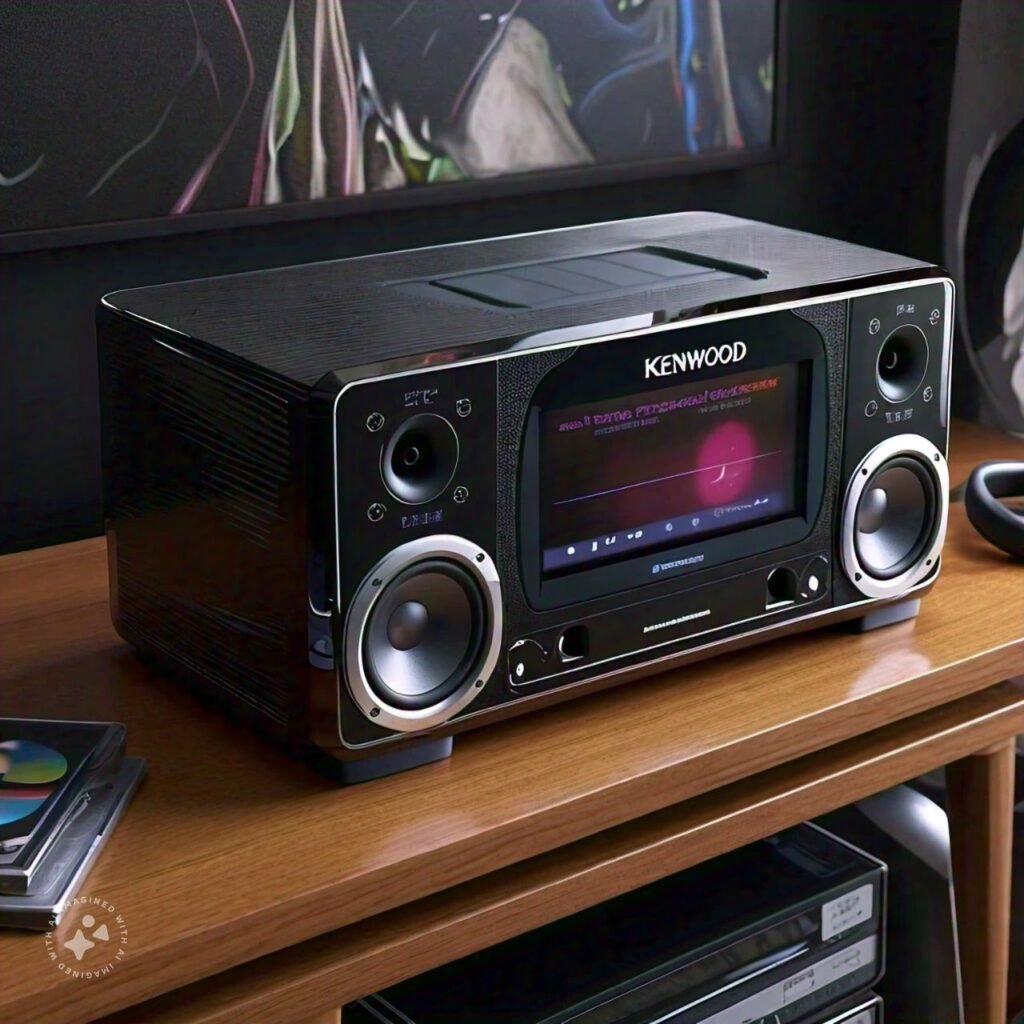
Pioneer is renowned for its diverse selection of head units. Their lineup includes traditional single-DIN and double-DIN receivers, as well as advanced touchscreen multimedia systems. Standout products like the Pioneer AVH-W4500NEX offer wireless Apple CarPlay and Android Auto, providing seamless smartphone integration and an enhanced user experience. In addition to head units, Pioneer excels in producing high-quality speakers. Their A-series and D-series speakers are particularly popular, known for delivering robust sound quality with clear mids and highs. Pioneer also offers a variety of subwoofers and amplifiers, such as the GM-D9705, which combines efficiency and power in a compact design.
Kenwood, on the other hand, also offers a comprehensive range of head units, including single-DIN and double-DIN options. Their eXcelon series is highly regarded, featuring models like the Kenwood DDX9907XR, which offers high-resolution audio, wireless connectivity, and multi-camera support. This series is known for its premium build quality and performance. Kenwood’s speaker lineup is equally impressive, with the eXcelon and Performance series standing out. These speakers are engineered to provide exceptional sound clarity and depth. Kenwood’s subwoofers, such as the KFC-W3016PS, are designed to deliver deep, powerful bass, while their amplifiers ensure consistent and reliable performance.
Kenwood vs Pioneer Speakers: Which Sounds Better?
The kenwood vs pioneer speakers comparison is one of the most searched topics in car audio forums. Pioneer’s A-Series and D-Series speakers utilize advanced cone materials like IMPP (Injection-Molded Polypropylene) and carbon fiber composites to deliver tight, accurate bass with sparkling highs. Kenwood’s eXcelon XR series, meanwhile, employs diamond-pattern woofers and silk dome tweeters that produce a warmer, more natural tonal signature. In blind listening tests conducted by audio enthusiasts in 2026, Pioneer speakers tend to edge out in clarity and brightness, while Kenwood speakers win on warmth and midrange richness. The pioneer vs kenwood speakers decision ultimately depends on your musical taste: rock and electronic fans often prefer Pioneer, while jazz and acoustic listeners lean toward Kenwood.
Kenwood vs Pioneer Car Stereo & Head Units
When comparing kenwood vs pioneer car stereo systems, the head unit is where the battle truly heats up. Pioneer’s NEX (Networked Entertainment eXperience) series dominates the premium segment with features like wireless CarPlay, Android Auto, and built-in Wi-Fi. Kenwood counters with their eXcelon Reference line, which boasts Hi-Res Audio certification, 13-band EQ, and time alignment features that rival dedicated DSP units. For pioneer vs kenwood double din head units, both brands offer 6.8-inch to 7-inch capacitive touchscreens with anti-glare coatings. In 2026, Pioneer’s AVIC-W8600NEX and Kenwood’s DNX9990XR represent the pinnacle of each brand’s engineering, with nearly identical price points but distinctly different philosophies: Pioneer prioritizes seamless smartphone integration, while Kenwood focuses on audiophile-grade sound processing.
Sound Quality and Performance
When evaluating the sound quality and performance of car audio systems, both Pioneer and Kenwood have established themselves as industry leaders. Their dedication to delivering exceptional audio experiences is evident through user reviews, expert evaluations, and benchmark tests that consistently highlight their strengths.
Pioneer’s audio systems are renowned for their clarity and precision. Users frequently praise the brand for its ability to deliver balanced sound across all frequencies, ensuring that both high and low tones are reproduced with remarkable accuracy. This is largely due to Pioneer’s incorporation of advanced technologies such as the Advanced Sound Retriever (ASR), which enhances compressed audio files for superior playback quality. Additionally, Pioneer’s use of high-grade materials in their speakers and amplifiers contributes to their crisp and dynamic sound output.
Kenwood, on the other hand, is celebrated for its robust performance and rich bass response. The brand has received accolades for its use of Drive EQ technology, which automatically adjusts the equalization to counteract road noise, ensuring that the audio remains clear and immersive even in challenging driving conditions. Kenwood’s speakers often feature heavy-duty woofers and tweeters that offer deep bass and crystal-clear highs, making them a popular choice among audiophiles. In terms of awards and recognition, both brands have garnered significant acclaim. Pioneer has been recognized with several EISA Awards for its innovative car audio products, while Kenwood has earned praise from the Car Electronics Association for its cutting-edge sound systems. Benchmark tests further demonstrate the excellence of both brands, with Pioneer’s models often excelling in sound clarity and Kenwood’s systems standing out in overall loudness and bass performance.
Check out our off-road collection Amazon products
Ease of Installation and Compatibility
When it comes to installing car audio systems, both Pioneer and Kenwood have made significant strides to ensure that their products can be integrated with minimal hassle. Pioneer car audio systems are well-regarded for their user-friendly installation process. The brand frequently designs its systems to be compatible with a wide range of car models, which makes it easier for users to find the right fit without requiring extensive modifications. Additionally, Pioneer often includes comprehensive installation kits and detailed instructions, which can be particularly beneficial for those who prefer a DIY approach.
Kenwood, on the other hand, also offers a straightforward installation experience. Known for their versatile compatibility, Kenwood car audio systems can be integrated seamlessly with various car makes and models. The brand provides clear and concise installation manuals, and in many cases, offers additional tools and mounting kits to facilitate the process. Kenwood’s products are often designed with plug-and-play features, which significantly reduce the time and effort required for installation.
Both brands ensure that their systems are compatible with existing in-car technology, such as steering wheel controls, factory amplifiers, and other integrated systems. This high level of compatibility is crucial for users who do not wish to compromise on the functionality of their existing car features. Furthermore, the compatibility extends to software updates and integration with smartphones, enhancing the user experience by allowing seamless connectivity. In terms of additional installation tools, both Pioneer and Kenwood provide various accessories to support the installation process. These may include wiring harnesses, mounting brackets, and faceplate adapters, which are designed to ensure a snug and secure fit.
User Interface and Features
When it comes to the user interface and features, both Pioneer and Kenwood offer cutting-edge technology designed to enhance the driving experience. Pioneer head units are known for their intuitive design and ease of use. Their interfaces often feature high-resolution touchscreens that provide a seamless and responsive experience. The layout is typically user-friendly, making it easy to navigate through various functions without a steep learning curve. Bluetooth connectivity is a standard feature in Pioneer head units, allowing for hands-free calling and audio streaming. Smartphone integration is another strong point, with compatibility for both Apple CarPlay and Android Auto, enabling users to access their favorite apps, music, and navigation directly from their smartphones.
Recommended Insights From Our Guide Library:
- Kenwood Excelon vs Pioneer NEX: The Ultimate Off-Road Audio Showdown for Honda Pioneer
- Honda Pioneer Audio Showdown: Sony High-Power vs. Kenwood Marine Receivers
- Pioneer vs Kenwood: The Ultimate Car Audio Showdown
- kenwood vs pioneer off-road audio comparison Archives
- Best Off-Road Audio Upgrades 2026 – Pioneer Honda Lovers
Kenwood, on the other hand, also excels in user interface design but takes a slightly different approach. Their head units boast vibrant, customizable displays that can be tailored to suit individual preferences. The touchscreens are highly responsive and often come with multi-touch capabilities, providing a tablet-like experience. Kenwood’s focus on customization extends to their interface layouts, which can be adjusted to display the most frequently used functions prominently. Similar to Pioneer, Kenwood head units offer robust Bluetooth connectivity and support both Apple CarPlay and Android Auto. One of the standout features of Kenwood systems is their advanced audio customization options, which allow users to fine-tune their sound settings to achieve the best possible audio quality. Additionally, Kenwood often includes features like dual camera inputs, enabling users to connect both front and rear cameras for enhanced safety and convenience.
Pioneer excels in simplicity and ease of use, whereas Kenwood offers greater customization and advanced audio settings, making both brands strong contenders in the car audio market.
Price and Value for Money: Kenwood or Pioneer Car Stereo?
When it comes to car audio systems, both Pioneer and Kenwood offer products across a broad price spectrum, catering to a variety of budgets. Pioneer generally maintains a competitive pricing structure, often providing high-quality audio solutions at a slightly lower cost compared to Kenwood. For instance, entry-level single-DIN head units from Pioneer can start as low as $50, while similar models from Kenwood might be priced around $70. However, the difference in pricing does not necessarily translate to a compromise in quality for Pioneer products.
As we move into mid-range models, the gap narrows, with both brands offering feature-rich options that include Bluetooth connectivity, smartphone integration, and advanced audio tuning capabilities. Pioneer’s mid-tier offerings, such as the DEH-S6220BS, typically hover around the $150 mark, which is comparable to the Kenwood KMM-BT328U. Both models provide excellent value for money, delivering reliable performance and a plethora of features that enhance the driving experience. In the high-end segment, the competition becomes even more intense. Pioneer’s flagship models, like the AVIC-W8500NEX, are priced around $1,200, while Kenwood’s equivalent, the DNX997XR, is similarly priced. These premium units are packed with advanced features such as high-definition touchscreens, extensive navigation options, and superior sound quality.
Considering value for money, both Pioneer and Kenwood excel in delivering products that justify their price tags through innovative features and robust performance. Additionally, both brands offer comprehensive warranties and customer support services. Pioneer typically provides a one-year warranty on its products, while Kenwood extends it to two years for certain models. Their customer support services are highly regarded, offering technical assistance and troubleshooting support to ensure customer satisfaction.
Customer Reviews and Satisfaction
Customer reviews are a significant indicator of product quality and user satisfaction. When it comes to Pioneer and Kenwood, both brands have garnered substantial feedback from their user base, reflecting their strengths and areas for improvement. Pioneer, often lauded for its innovative technology and superior sound quality, receives high praise for the clarity and depth of its audio output. Customers frequently highlight the brand’s user-friendly interfaces and robust build quality. However, some users have noted occasional issues with software updates and compatibility with newer smartphones.
Kenwood, on the other hand, is highly appreciated for its versatile range of features and competitive pricing. Users commend the brand for its reliable performance and the ease of installation of its audio systems. Kenwood’s products are often described as delivering excellent value for money, with many customers expressing satisfaction with the overall durability and longevity of their units. However, some reviews point to sporadic concerns regarding the complexity of the settings and occasional malfunctioning of the touchscreens.
In terms of customer service, both brands have distinct reputations. Pioneer’s customer service is generally viewed positively, with many users reporting timely and helpful responses. The brand appears committed to addressing customer feedback, often providing solutions through firmware updates or direct support. Conversely, Kenwood’s customer service experiences appear more varied. While some customers report quick and efficient assistance, others have encountered delays and less satisfactory resolutions. Overall, both Pioneer and Kenwood have strong followings and dedicated customers.
Frequently Asked Questions: Kenwood vs Pioneer
Is Kenwood Better Than Pioneer?
The question “is kenwood better than pioneer” does not have a simple yes or no answer. Kenwood excels in warm, rich sound signatures and advanced audio customization, making it ideal for audiophiles who enjoy fine-tuning their listening experience. Pioneer, however, leads in smartphone integration, user interface simplicity, and overall reliability. In 2026, both brands are neck-and-neck in terms of build quality and feature sets. The better brand depends entirely on your priorities: choose Kenwood for sound customization and bass response, or Pioneer for seamless connectivity and ease of use.
Which is Better: Pioneer or Kenwood for Car Audio?
When asking “which is better pioneer or kenwood” for car audio, consider your vehicle type and listening habits. For daily commuters who rely heavily on navigation and smartphone apps, Pioneer’s NEX series offers superior integration. For off-road enthusiasts and UTV owners who need durable, high-output systems, Kenwood’s marine-grade and powersports lines provide exceptional weather resistance and volume capability. Both brands offer excellent budget-friendly options as well as premium flagship units.
Kenwood or Pioneer Car Stereo: Best for Bass?
If bass is your primary concern, the kenwood or pioneer car stereo debate leans slightly toward Kenwood. Their eXcelon subwoofers and amplifiers are engineered with larger voice coils and reinforced cones that handle higher power levels with less distortion. Pioneer’s Champion Series subwoofers are also excellent, but Kenwood’s Drive EQ technology gives it an edge in compensating for road noise that typically masks low-frequency content.
Check out our off-road collection Amazon products
Kenwood vs Pioneer Radio: Which Has Better Reception?
For AM/FM reception quality, both brands use advanced tuners with RDS (Radio Data System) support. Pioneer’s Supertuner IIID technology provides slightly better weak-signal reception in rural areas, while Kenwood’s built-in HD Radio tuners offer superior digital broadcast quality in urban environments. The kenwood vs pioneer radio comparison is essentially a tie, with each brand excelling in different reception scenarios.
Conclusion: Which Brand is Right for You?
Choosing between Pioneer and Kenwood for your car audio system ultimately depends on your personal needs and preferences. Both brands have established themselves as leaders in the car audio industry, offering a wide range of products that cater to different types of users. By weighing the pros and cons discussed in the previous sections, you can make an informed decision that best suits your requirements.
For audiophiles who demand the highest sound quality and advanced features, Pioneer may be the superior choice. Pioneer’s reputation for delivering exceptional audio performance, coupled with their innovative technologies, makes them a favorite among those who prioritize sound fidelity. The brand’s premium models often come equipped with high-resolution audio support, advanced equalization settings, and a myriad of connectivity options, ensuring a top-notch listening experience.
Community Reference & Authority Resources:
Casual listeners who seek a reliable and user-friendly car audio system might find Kenwood to be more appealing. Kenwood’s range of products is known for its ease of use, intuitive interfaces, and solid performance. The brand offers a variety of systems that provide good sound quality without overwhelming users with overly complex features. This makes Kenwood an excellent choice for those who want a straightforward and enjoyable listening experience on the road.
Budget-conscious shoppers will appreciate the value for money offered by both brands. However, Kenwood often provides more affordable options within its lineup, without compromising too much on quality. If you are looking for a cost-effective solution that still delivers decent audio performance, Kenwood’s entry-level models are worth considering. On the other hand, Pioneer also offers budget-friendly options, but their strength lies more in the mid to high-end market segments. Ultimately, the decision between Pioneer and Kenwood should be based on your specific needs, preferences, and budget. Both brands have their unique strengths, and by carefully evaluating what matters most to you, you can select the car audio system that will enhance your driving experience for years to come.
🔍 Explore More: See all guides for Honda Pioneer.