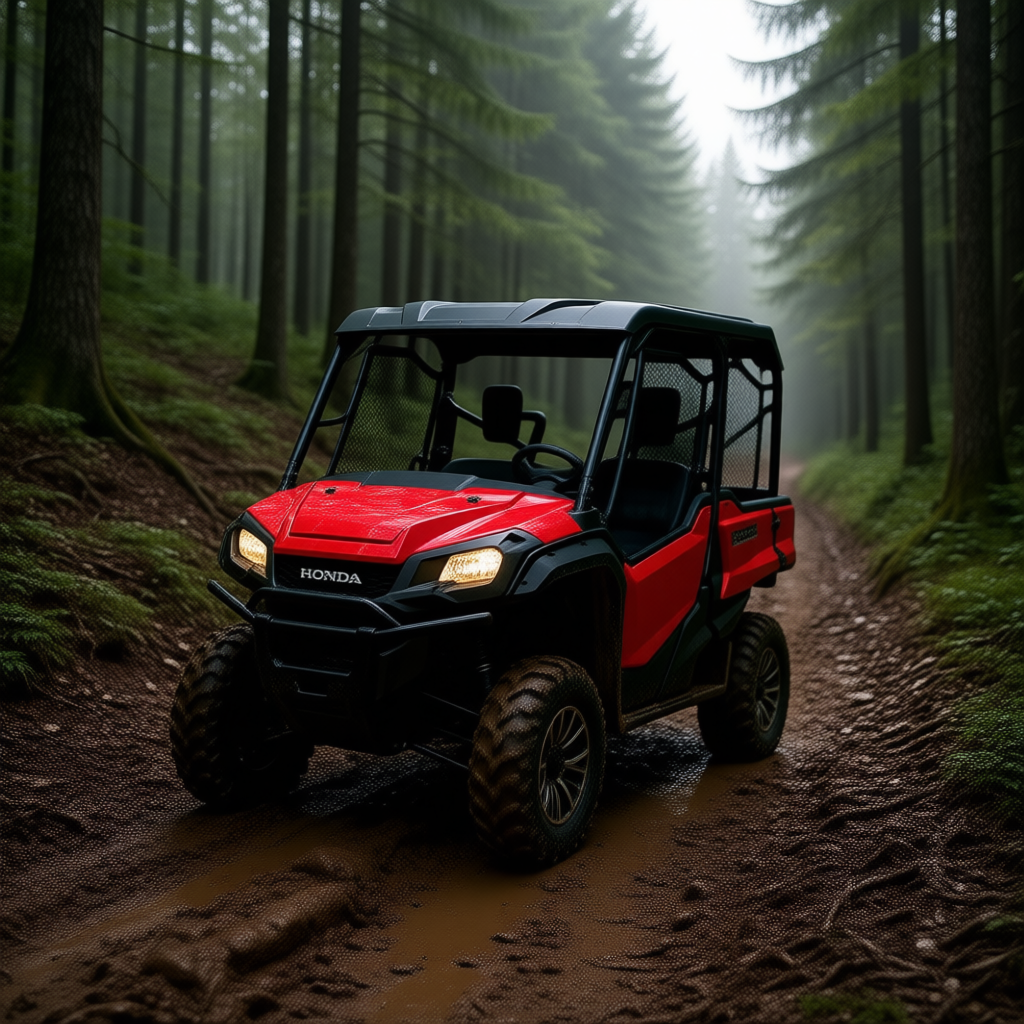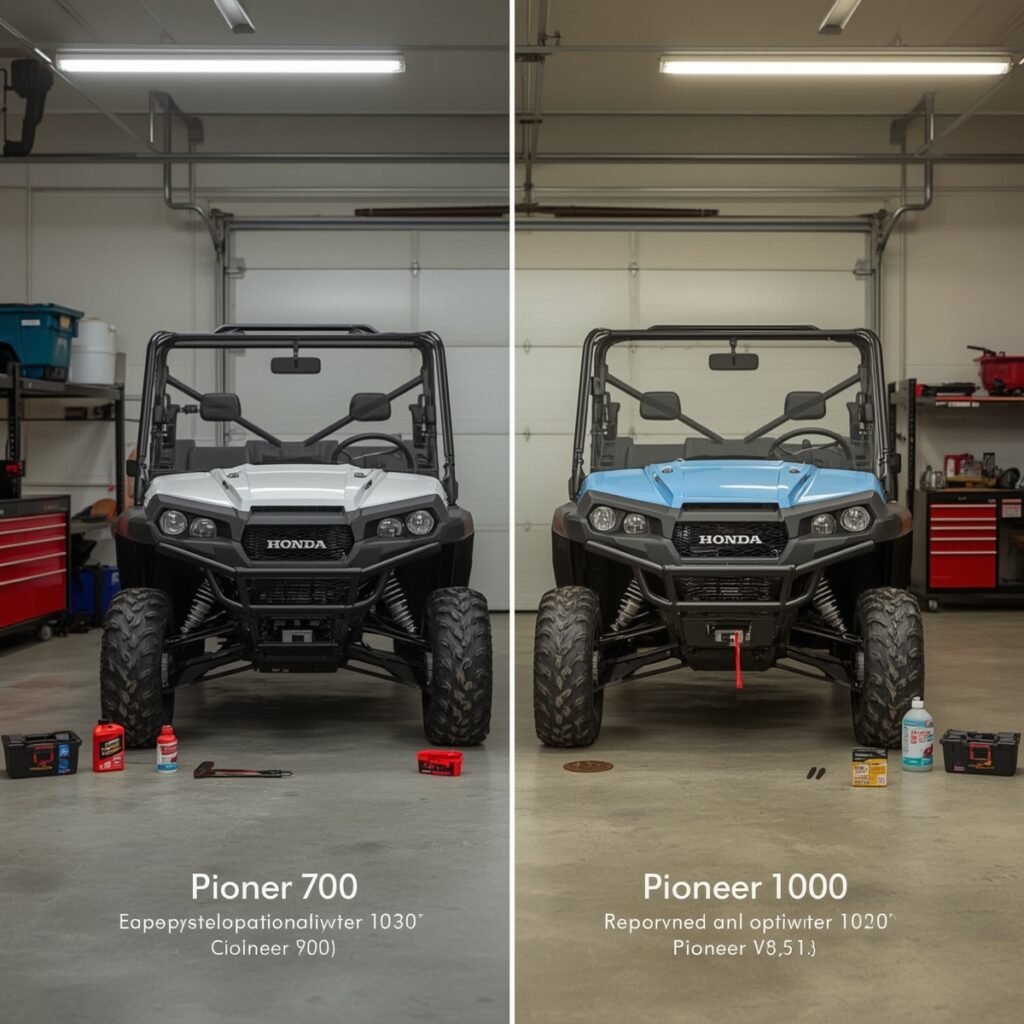
As a fellow off-road enthusiast, I know the thrill of hitting the trails in a reliable utility terrain vehicle (UTV). The Honda Pioneer series, particularly the Pioneer 700 and Pioneer 1000, are stalwarts in the UTV world, renowned for their ruggedness and performance. While the initial purchase decision often hinges on features and price, a critical aspect that seasoned owners understand is the long-term Pioneer 700 vs 1000 maintenance cost comparison. This isn’t just about keeping your machine running; it’s about smart ownership and ensuring your UTV is always ready for the next adventure in 2026.
In this detailed guide, we’ll break down the maintenance expenses for both the Honda Pioneer 700 and 1000. We’ll cover everything from routine service intervals and common wear-and-tear items to potential major repair costs. My goal is to provide you with a clear picture of what to expect, helping you budget effectively and keep your Honda Pioneer in peak condition. I’ll also share some valuable Amazon affiliate product recommendations for DIY maintenance and point you to external resources for further reading.
Honda Pioneer 700 vs 1000 Maintenance Cost Comparison: The 2026 Breakdown
Routine maintenance is the backbone of UTV longevity. While both the Pioneer 700 and 1000 share many similarities in their foundational engineering, subtle differences in their powertrains can impact your wallet. Let’s delve into the typical service intervals and what each entails, keeping our Pioneer 700 vs 1000 maintenance cost comparison in mind for the 2026 riding season.
The initial break-in service is crucial. This first service addresses the initial wear patterns of your new Pioneer. It typically involves an engine oil and filter change, a thorough inspection of all critical components, and necessary adjustments. For the Pioneer 700, this is usually a straightforward process. However, the Pioneer 1000, with its more complex engine and transmission, often requires a valve clearance check at this stage. This additional step can significantly increase labor costs, making the initial service for the Pioneer 1000 potentially more expensive.
Based on forum discussions and owner experiences, expect to pay anywhere from $300 to $900 for this initial service at a dealership, with the Pioneer 1000 generally falling on the higher end of that spectrum. Understanding these baseline costs helps you prepare financially for the lifecycle of your machine.
Decoding the Honda Pioneer 1000 Oil Change Interval & Service Schedule
Understanding the precise honda pioneer 1000 oil change interval is paramount for protecting the high-output 999cc twin-cylinder engine. Honda officially recommends changing the engine oil every 100 hours of operation or every 600 miles, whichever comes first. However, if you frequently ride in extreme conditions—such as deep mud, heavy dust, or extreme cold—severe service intervals dictate cutting that timeframe in half. Adhering strictly to the honda pioneer 1000 maintenance schedule ensures that the Dual Clutch Transmission (DCT) and engine internals remain free of abrasive particulates.
Honda Pioneer 1000 Maintenance Schedule Milestones
The comprehensive honda pioneer 1000 service schedule goes beyond just engine oil. At every 100-hour interval, you must also inspect the DCT fluid, check the front and rear differential gear oil, and clean or replace the air filter. The spark plugs should be inspected and replaced every 200 hours or 1,200 miles. Valve clearance inspections are critical on the 1000cc platform and are typically mandated every 300 hours or 1,800 miles. Neglecting these milestones can lead to catastrophic engine failure or sluggish DCT shifting.
Honda Pioneer 1000-5 Maintenance Schedule Specifics
Owners of the five-seat models often wonder if the honda pioneer 1000-5 maintenance schedule differs from the standard model. Mechanically, the engine and DCT service intervals remain identical. However, the 1000-5 carries additional weight and features extra suspension components, meaning you must pay closer attention to grease points on the rear A-arms and shock linkages during every routine service. The added payload capacity also puts more stress on the brake pads, requiring more frequent visual inspections compared to the lighter base models.
Honda Pioneer 700 Maintenance: Intervals, Costs, and DIY Workflows
When evaluating honda pioneer 700 maintenance, the costs are generally more forgiving due to the simpler 675cc single-cylinder engine and conventional automatic transmission. The honda pioneer 700 oil change interval mirrors the 1000: every 100 hours or 600 miles under normal conditions, and every 50 hours under severe conditions. Because the 700 lacks the complex DCT found on its bigger brother, fluid changes are more straightforward, making it a favorite for DIY mechanics looking to minimize dealership labor rates.
Honda Pioneer 700 Maintenance Schedule Checklist
A proper honda pioneer 700 maintenance schedule checklist includes draining the engine oil, replacing the crush washer, and swapping the OEM oil filter. You must also check the sub-transmission fluid and the front/rear differential fluids. The air filter should be cleaned and re-oiled if it is a foam type, or replaced if it is a paper element. Brake fluid levels, throttle cable freeplay, and driveshaft boot conditions round out the essential checks. By following this checklist, you ensure the 700 remains a reliable workhorse for farm tasks and trail riding alike.
Routine Maintenance: Unpacking the Differences in Cost
Once past the break-in period, consistent regular maintenance is key to minimizing long-term expenses. This interval typically includes changing the engine oil and filter, cleaning or replacing the air filter, checking and topping off all fluids (coolant, brake fluid, differential fluids), and inspecting the brakes, suspension, and drive shafts. The parts cost for these items is relatively similar for both models.
Check out our off-road collection Amazon products
SHOP THE COLLECTIONIf you opt for dealership service, expect to pay between $150 and $300 for a standard 100-hour service. However, performing these tasks yourself can lead to substantial savings, often reducing the cost to just the price of parts, which can be as low as $75-$100 for a basic oil change kit. The major service, occurring every 200 hours or 1,200 miles, builds upon the regular maintenance, adding deeper inspections of the engine, transmission, and drivetrain.
Spark plug replacement is highly recommended at this interval. While both models require this service, the Pioneer 1000’s DCT may have specific fluid and filter change requirements that differ slightly from the 700’s conventional automatic transmission, potentially leading to minor cost variations. Expect to budget $300 to $500+ for this major service, depending on parts and labor.
| Service Interval | Pioneer 700 Estimated Cost | Pioneer 1000 Estimated Cost |
|---|---|---|
| Initial Break-In (20 hrs) | $150 – $250 | $300 – $900 |
| Regular (100 hrs) | $75 – $150 (DIY) | $100 – $200 (DIY) |
| Major (200 hrs) | $200 – $350 | $300 – $500+ |


Common Repairs and Their Impact on Your Wallet
Even with diligent routine maintenance, off-roading can be tough on any UTV, and repairs are an inevitable part of ownership. Understanding common issues and their associated costs is crucial for a realistic Pioneer 700 vs 1000 maintenance cost comparison. While both models are known for their Honda reliability, certain components are more prone to wear or damage.
- Tires: As the primary point of contact with varied terrain, tires are a frequent replacement item. The cost can vary significantly based on brand, tread pattern, and size, typically ranging from $100 to $300 per tire. Both Pioneer models use similar tire sizes, so this cost is comparable.
- Brakes: Brake pads and rotors will wear down over time, especially with aggressive riding or heavy loads. Replacing brake pads can cost $50 to $100 per set, while new rotors might run $100 to $200 each.
- CV Axles: These components are vulnerable to damage from rocks, stumps, or extreme articulation. A damaged CV axle can lead to vibrations or loss of power. Replacement costs can range from $200 to $500 or more, depending on whether you opt for OEM or aftermarket parts.
- Clutch/Transmission Issues: This is where a more significant difference emerges. The Pioneer 700 uses a conventional automatic transmission, while the Pioneer 1000 features an advanced DCT. While both are robust, the DCT in the 1000 can be more complex and costly to repair if issues arise. Some owners have reported significant expenses for transmission-related problems, with rebuilds sometimes exceeding $5,500 due to numerous internal seals.
- Engine Overhauls: While rare for well-maintained units, severe engine issues can be very costly. A top-end rebuild might cost $500-$700, but a full engine replacement or major repair due to catastrophic failure could easily exceed $5,000. These are extreme cases, but worth noting for long-term ownership considerations.
Recommended Insights From Our Guide Library:
- Honda Pioneer Oil Change Kit Essentials: Keep Your Ride Running Strong
- Honda Pioneer Maintenance Light Reset Guide (1000, 700 & 500)
- How Many Quarts of Oil Does a Honda Pioneer 1000 Take?
- Extend Your Honda Pioneer 1000 Engine Life: 7 Proven Tips
- Pioneer 700 vs 1000 Maintenance Cost Comparison: What Off-Roaders Need to Know

DIY vs. Dealership Maintenance: Navigating Your Options
When it comes to managing your maintenance budget, a significant factor is deciding whether to tackle maintenance yourself or rely on a dealership. Both approaches have their merits and drawbacks, and the best choice often depends on your mechanical aptitude, available time, and budget.
DIY Maintenance
- Pros: The most obvious advantage is significant cost savings. You only pay for parts, and labor is free. This approach also gives you greater control over the quality of fluids and components used. Basic tasks like oil changes, air filter replacements, and fluid top-offs are well within the capabilities of a moderately skilled DIYer.
- Cons: DIY requires mechanical knowledge, the right tools, and dedicated time. Mistakes can be costly, and improper maintenance might void your warranty. For complex repairs, specialized tools and diagnostic equipment might be necessary, which can be a barrier.
Dealership Maintenance
- Pros: When you take your Pioneer to a dealership, the work is performed by certified Honda technicians who have specialized training and access to proprietary diagnostic tools. They use genuine Honda parts, ensuring compatibility and quality, which helps maintain your warranty.
- Cons: The primary drawback is the cost. Labor rates can be high, often ranging from $75-$130 per hour, and parts are typically sold at retail prices. You might also need to schedule appointments in advance, which can be inconvenient.
Ultimately, a hybrid approach, where you handle simple tasks and leave complex ones to the pros, is often the most balanced strategy for managing your Pioneer 700 vs 1000 maintenance cost comparison.

Essential Maintenance Products for Your Honda Pioneer
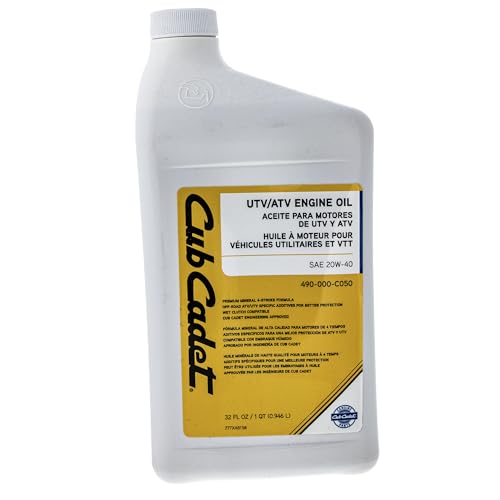
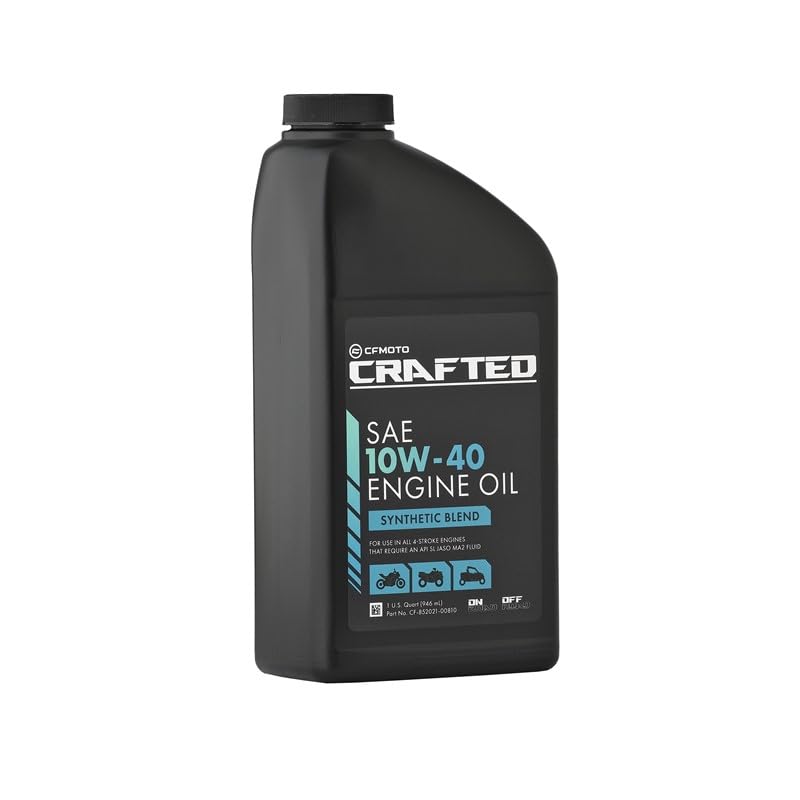
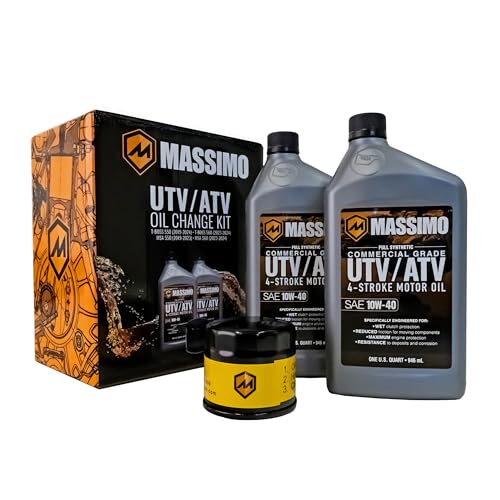
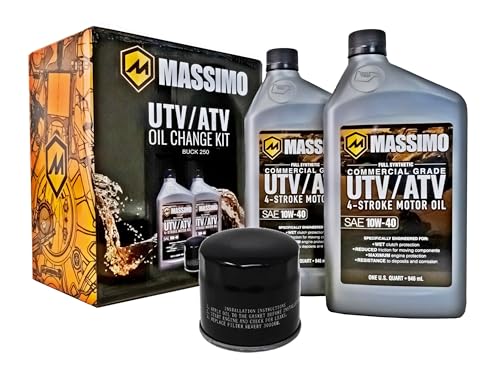
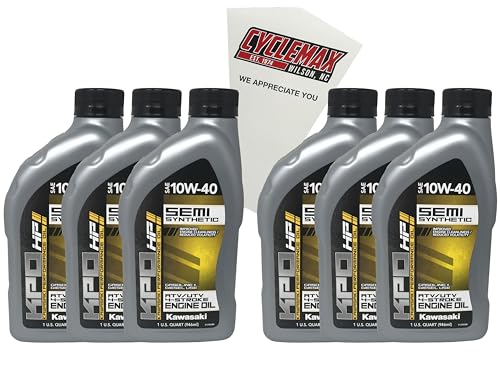
To further assist you in managing your maintenance costs, here are some essential products available on Amazon that can help you with DIY workflows. Using Honda GN-4 10W-30 Oil is highly recommended for both Pioneer models to ensure optimal performance. Always pair this with Genuine Honda Oil Filters to guarantee proper filtration and fit.
A clean air filter is crucial for engine health, so stock up on Honda OEM Air Filters, especially if you ride in dusty environments. NGK Spark Plugs are vital for efficient combustion; consult your owner’s manual for the exact model number. Many enthusiasts prefer All-in-One Oil Change Kits, which include the correct oil, filter, and crush washers for maximum convenience.
Do not forget Differential and Sub-transmission Fluid, as using the correct viscosity is essential for drivetrain health. A Grease Gun with Marine-Grade Grease is vital for preventing premature wear on suspension components. Finally, investing in a Honda Pioneer Service Manual and a reliable Torque Wrench will ensure every bolt is tightened to factory specifications.

Honda Pioneer Service Schedule FAQ
What is the standard honda pioneer service schedule for break-in?
The initial break-in service for both the Pioneer 700 and 1000 occurs at 20 hours or 100 miles. This critical milestone requires an engine oil and filter change, alongside a comprehensive inspection of all chassis fasteners, fluid levels, and throttle freeplay.
How often should I change the differential fluid?
According to the factory honda pioneer service schedule, front and rear differential gear oil should be inspected every 100 hours and replaced every 200 hours or 1,200 miles. If you frequently submerge your UTV in water or mud, you should change the differential fluid immediately after the ride to prevent internal corrosion.
Check out our off-road collection Amazon products
SHOP THE COLLECTIONDoes the honda pioneer 1000 oil change interval change with heavy towing?
Yes. If you use your Pioneer 1000 for heavy towing or continuous low-speed, high-load work, you are operating under severe conditions. In these scenarios, the honda pioneer 1000 oil change interval should be reduced to every 50 hours or 300 miles to prevent oil degradation and engine wear.
What is the ideal honda pioneer 700 oil change interval for trail riding?
For standard weekend trail riding, the honda pioneer 700 oil change interval remains at 100 hours or 600 miles. However, if your trails involve deep water crossings or excessive dust, dropping the interval to 50 hours ensures the single-cylinder engine remains protected from abrasive contaminants.
Further Reading and Resources
To deepen your understanding of your Honda Pioneer and its maintenance needs, I highly recommend exploring authoritative sources. The Official Honda Powersports Owner’s Manuals are your definitive guide. Communities like Hondasxs.com and the Honda Pioneer Forum offer a wealth of troubleshooting tips from experienced enthusiasts. For visual learners, YouTube is packed with step-by-step DIY maintenance guides, helping you find the best Pioneer 1000 accessories and tools for your garage.
Conclusion
Community Reference & Authority Resources:
In the ongoing debate of the Pioneer 700 vs 1000 maintenance cost comparison, it’s clear that both models offer Honda’s renowned reliability, but with nuances in their upkeep. While the Pioneer 1000 might present slightly higher costs for complex transmission repairs or valve checks, the fundamental principles of maintenance remain consistent. Ultimately, the key to minimizing your UTV’s maintenance costs lies in proactive, regular servicing. By understanding the typical service intervals and utilizing readily available resources, you can effectively manage your budget and ensure your Honda Pioneer remains a dependable partner for all your off-road adventures in 2026 and beyond.



🔍 Explore More: See all guides for Honda Pioneer.