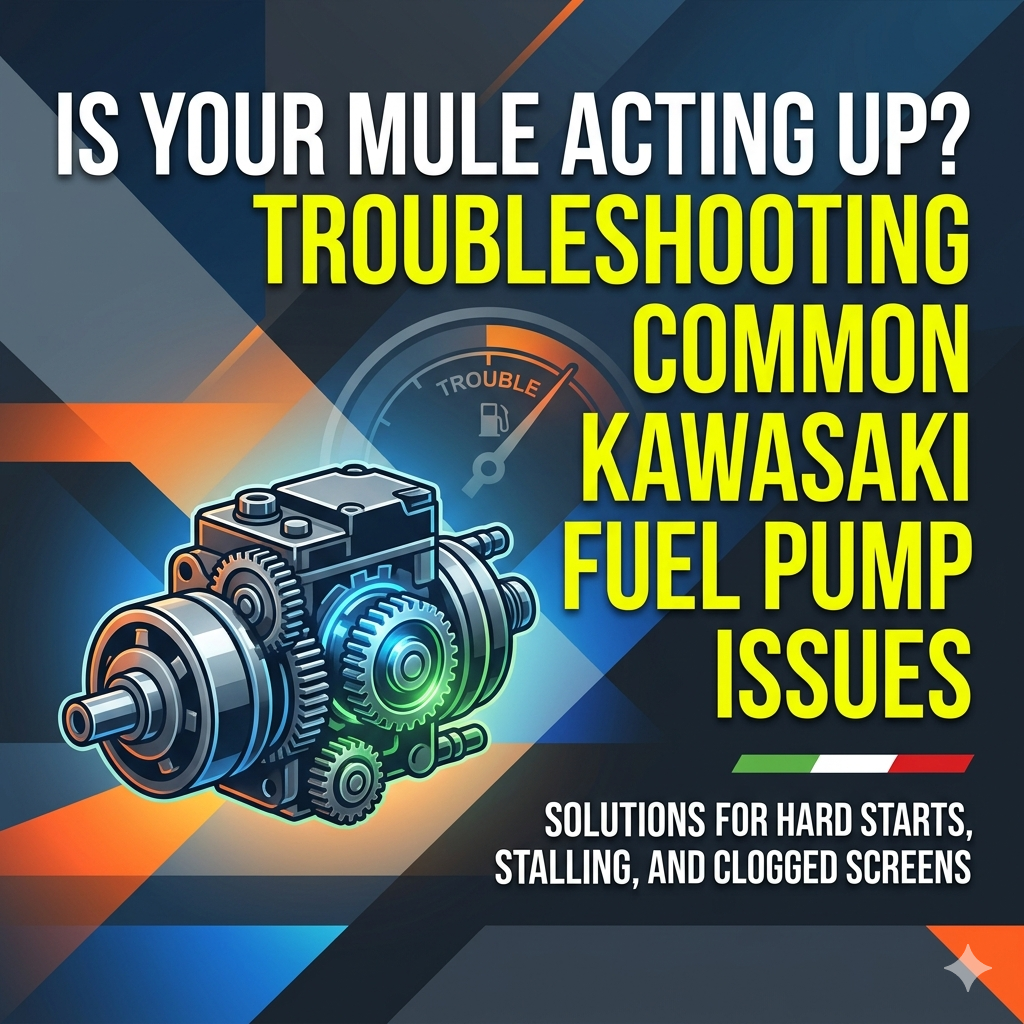


When it comes to kawasaki mule fuel pump problems, getting the right details matters. If you own a Honda Pioneer, you probably spend more time riding than wrenching.
However, we all have that one buddy on the trail who insists on bringing their Kawasaki Mule, only to have it sputter out halfway up a hill climb.
While the Mule is a legendary workhorse, recent models have been plagued by a series of frustrating fuel delivery issues that can leave riders stranded.
Whether you are trying to help a friend fix their rig or just doing some recon on the competition, understanding these mechanical gremlins is essential.
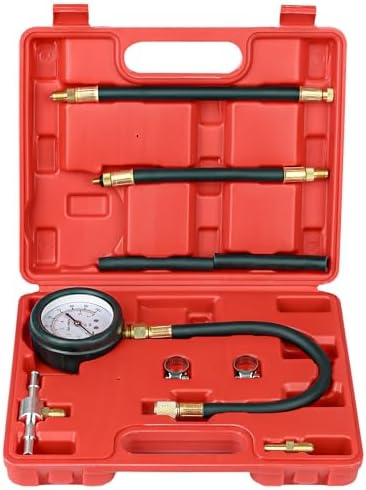
Before we dive into the dirty details, here are three essential tools every UTV owner should carry to diagnose these exact problems on the trail.
Recommended Gear for the Trail:
1. Universal Fuel Pressure Test Kit – The only way to know if your pump is actually dying or just clogged.
2. Quantum Fuel Systems Replacement Pump – A high-performance aftermarket alternative that often outlasts the OEM unit.
3. Fluid Extractor & Tank Cleaning Wand – Essential for sucking out debris from the bottom of a fuel tank without removing it.
The “Screen of Death”: Why Mules Stop Running
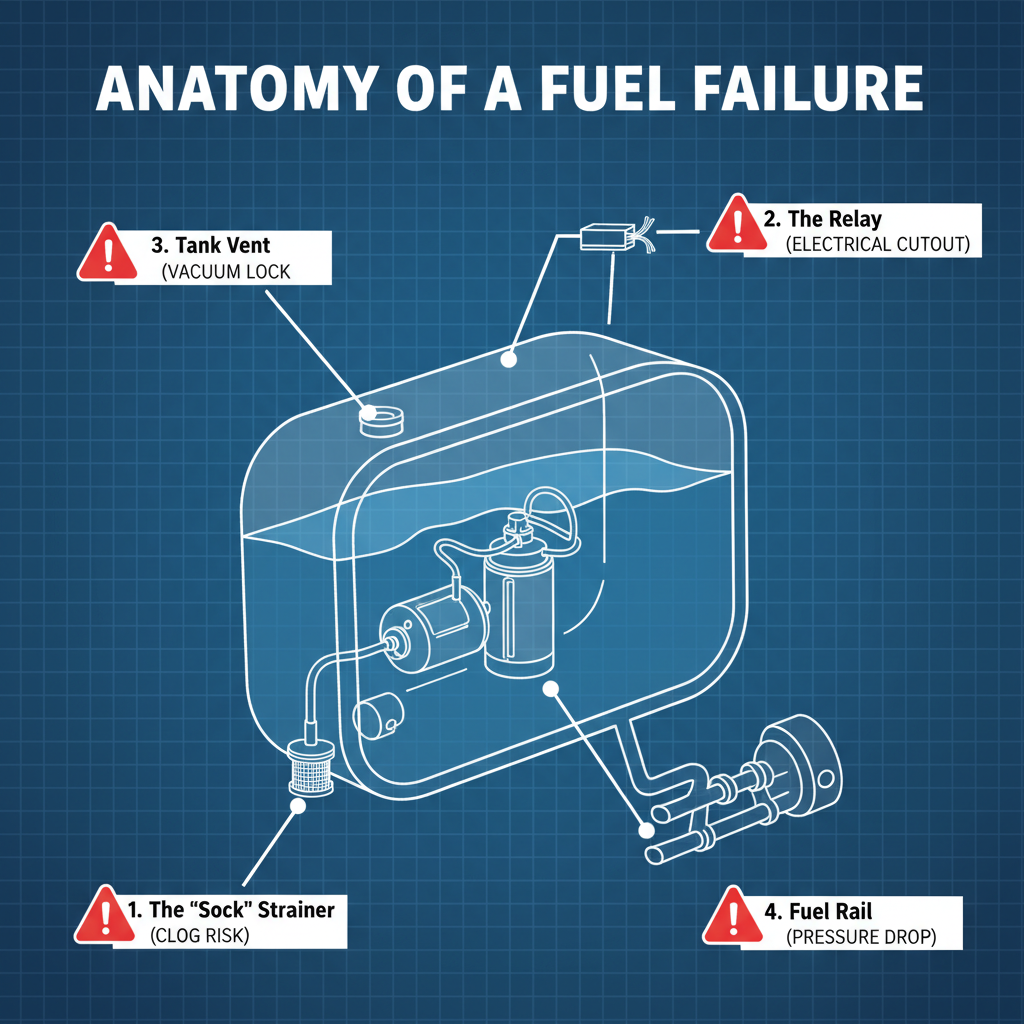
The most notorious of all kawasaki mule fuel pump problems isn’t actually the pump motor itself, but the strainer attached to it.
Owners of the Mule Pro-FXT and 4010 series frequently report their machines bogging down under load or refusing to idle smoothly.
This is often caused by the fuel pickup screen, also known as the “sock,” becoming completely impacted with dirt, algae, or manufacturing debris left in the tank.
Unlike the Honda Pioneer, which seems to digest less-than-perfect fuel with grace, the Kawasaki fuel system is incredibly sensitive to particulates.
When this screen clogs, the pump screams for fuel, overheats, and eventually shuts down to protect itself.
Many dealerships will quote you for an entire fuel pump assembly replacement, which can cost upwards of $800, when a $15 strainer swap might solve the issue.
Check out our off-road collection Amazon products
If you hear the fuel pump whining louder than usual before the engine dies, check the screen first.
Electrical Gremlins and Relay Failures
Sometimes the issue isn’t a clog, but a complete loss of power to the unit.
We have seen numerous reports from 2024 and 2025 model owners experiencing intermittent cutouts that feel like an ignition failure.
These symptoms often point to the fuel pump relay, which is prone to corrosion if the vehicle is frequently used in wet conditions or deep mud.
A quick trail fix involves swapping the fan relay with the fuel pump relay to see if the machine fires back up.
On the older 4010 models, the wire harness leading to the pump can chafe against the frame, causing a short that blows fuses instantly.
If you turn the key and don’t hear the characteristic “whir” of the pump priming, it is time to break out the multimeter.
“It’s not a matter of IF your Mule fuel pump will act up, but WHEN.” — Senior UTV Mechanic
Heat Soak and Vapor Lock Issues
One of the more baffling kawasaki mule fuel pump problems occurs only when the machine gets hot.
Riders report that after 30 minutes of heavy use, especially in slow-moving scenarios, the engine will sputter and die as if it ran out of gas.
This is often attributed to the fuel rail or pump assembly getting heat-soaked, causing the fuel to vaporize in the lines before it reaches the injectors.
Some dealers have suggested a controversial “heating coil” fix or re-routing fuel lines, but the results have been mixed.
For Honda Pioneer owners, this is a foreign concept, as our liquid-cooled engines and well-designed fuel systems rarely suffer from vapor lock even in the desert heat.
If your Mule-riding friend experiences this, opening the gas cap to relieve vacuum pressure is a good first step, but often the pump simply needs to cool down.
Comparing the Fixes: OEM vs. Aftermarket
When the inevitable happens, you have a choice to make regarding replacement parts.
Below is a breakdown of how the factory Kawasaki parts stack up against modern aftermarket solutions.
| Pump Option | Approximate Cost | Pros | Cons |
|---|---|---|---|
| OEM Kawasaki Assembly | $750 – $900 | Guaranteed fitment, dealer supported. | Extremely expensive, same design flaws. |
| Quantum Fuel Systems | $80 – $120 | Lifetime warranty, better screens, E85 compatible. | Requires some assembly (installing pump into housing). |
| Generic “White Box” Parts | $30 – $50 | Cheap immediate fix. | High failure rate, often dead on arrival. |
The 2025 Recall and 2026 Outlook
It is impossible to talk about Kawasaki reliability without mentioning the massive “Stop Ride” recall that hit the 2025 Mule Pro-FXT 1000 models.
While the recall was primarily regarding a fire risk in the intake manifold, it has made many owners hyper-aware of any fuel-related hiccups.
Some owners have reported starting issues after receiving the dealer-mandated ECU re-map, claiming the new fuel mapping makes the machine stall when cold.
Check out our off-road collection Amazon products
Looking ahead to the 2026 model lineup, Kawasaki has promised improved reliability, but it remains to be seen if they have fully addressed the filtration and pump longevity issues.
For now, the best insurance against kawasaki mule fuel pump problems is a clean tank and a spare pump in your tool box.
Maintenance Tips to Keep the Mule Moving
If you are responsible for maintaining a fleet of these machines, or just helping a neighbor, follow these steps to prolong pump life.
- Keep Jerry Cans Clean: Most dirt enters the tank during refueling from dirty plastic cans.
- Use Ethanol Stabilizer: Phase separation in ethanol fuel attracts moisture, which corrodes pump internals.
- Don’t Run it Dry: The fuel pump relies on the gasoline itself for cooling; running on fumes causes overheating.
- Inspect the Vent Line: Ensure the tank breather tube isn’t kinked or plugged with mud, which creates a vacuum lock.
“A clean fuel system is a happy fuel system, regardless of the badge on the hood.”
While we prefer the reliability of our Hondas, we never want to see a fellow off-roader left behind.
By understanding these common failure points, you can save the day and get that Mule back to the trailer.
For more deep dives into UTV maintenance and comparisons, check out our other guides linked above.
Ride safe and keep the rubber side down!
Sources:
🔍 Explore More: See all Wild Testing guides for kawasaki mule fuel pump problems.
Check out our off-road collection Amazon products

- HFP-A531 is engineered as a direct replacement for OE # 15100-31G30, 15100-31G31, 15100-31G03, ensuring original equipme…
- Avoid the hassle of reassembly; this unit offers a full system refresh by replacing the entire fuel pump assembly, a tru…
- Swap out the entire unit with minimal fuss; this drop-in ready assembly comes pre-assembled, allowing you to install it,…

- HFP-367-T is engineered as a direct internal replacement for OE # AM136612, providing a precision fit for John Deere Gat…
- This comprehensive rebuild kit features an OE-quality electric fuel pump and all essential installation components, incl…
- Includes an upgraded fuel pump wiring harness to ensure a secure and reliable electrical connection, addressing common p…
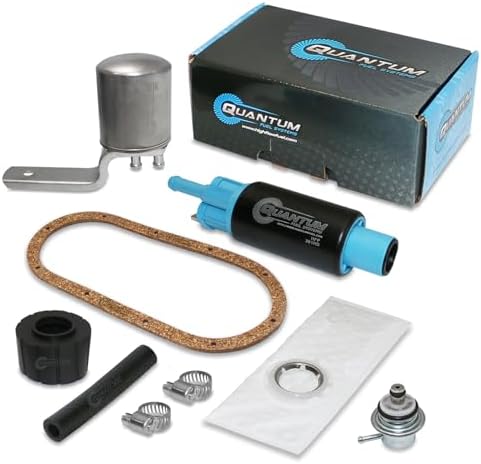
- HFP-361HD-RTF is engineered as a direct replacement for OE # 61342-95, providing a precision fit for Harley-Davidson Tou…
- This comprehensive rebuild kit features an OE-quality fuel pump, a precision-calibrated fuel pressure regulator (350KPA …
- Includes all necessary installation components: The kit comes complete with a cork tank seal (gasket), fuel strainer, su…