
When you are deep in the mud or climbing a rocky incline, the last thing you want to worry about is your transmission failing.
The Honda Pioneer 1000 is unique in the side-by-side world because it rejects the standard belt-driven CVT found in almost every Polaris or Can-Am.
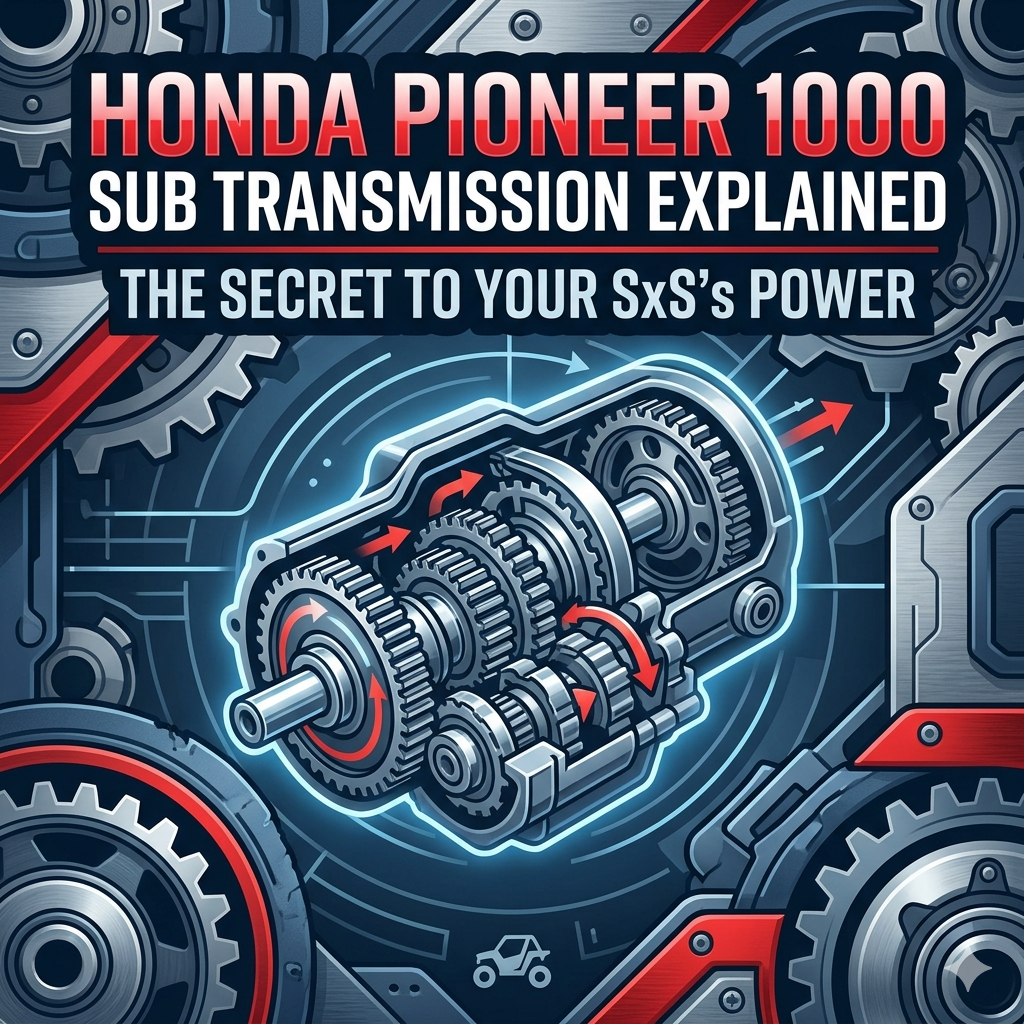
Instead, Honda utilizes a mechanical masterpiece: a 6-speed Dual Clutch Transmission (DCT) paired with a robust sub-transmission.
For many owners, however, the “sub-transmission” remains a mystery.
Is it part of the engine? Does it share oil? Why does it sometimes grind when shifting into Low?
In this guide, we will provide a complete honda pioneer 1000 sub transmission explanation, covering everything from internal mechanics to the latest 2026 maintenance protocols.
What is the Honda Pioneer 1000 Sub Transmission?
To understand the sub-transmission, you first need to understand what it isn’t.
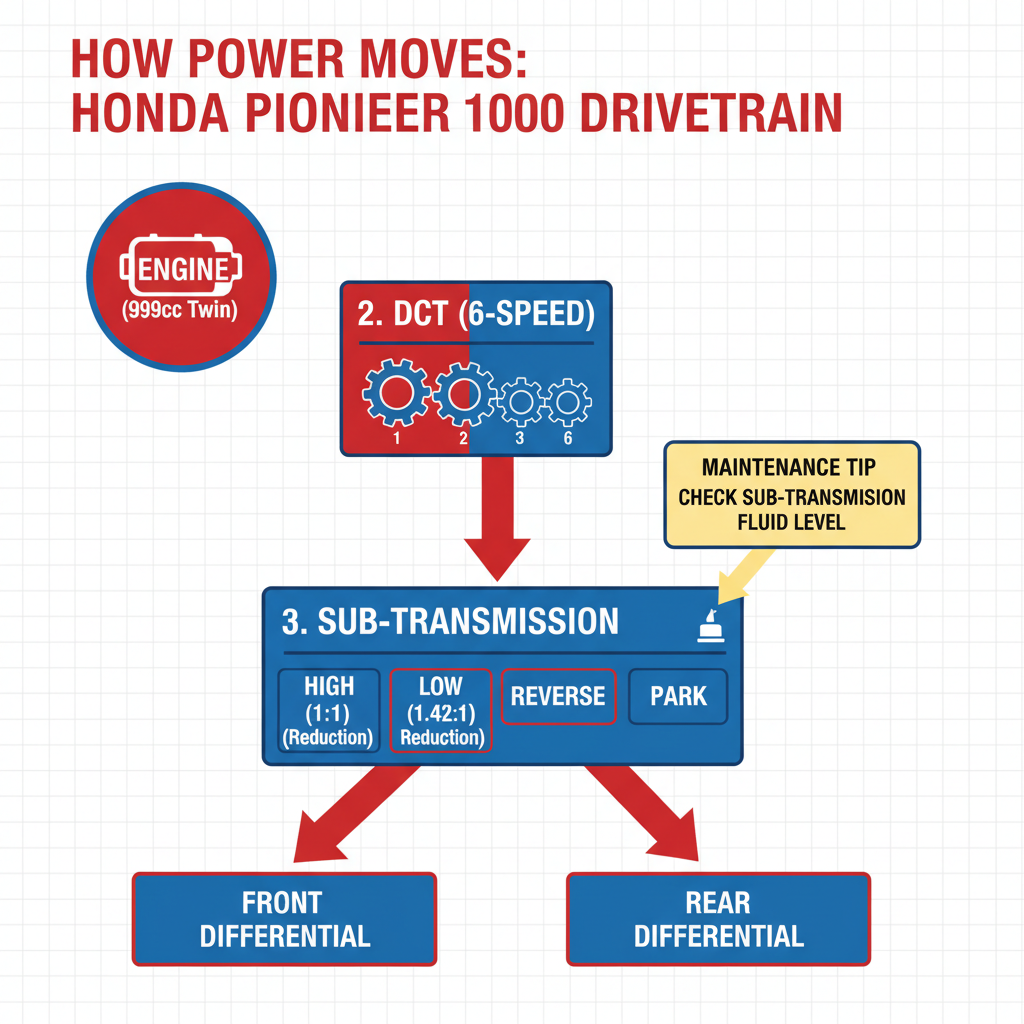
The sub-transmission is not responsible for shifting through gears 1, 2, 3, 4, 5, or 6; that is the job of the DCT (Dual Clutch Transmission) located directly behind the engine.
The sub-transmission is a separate gearbox unit located behind the DCT that functions as a “range selector.”
Think of it like the transfer case on a 4×4 truck.
It takes the power output from the 6-speed DCT and routes it through a secondary set of gears to provide four distinct modes: High, Low, Reverse, and Park.
“The sub-transmission is the unsung hero that gives the Pioneer 1000 its tractor-like torque in Low range.”
This separation allows the Pioneer 1000 to have six speeds in High range and six speeds in Low range, effectively giving you a 12-speed vehicle.
https://www.youtube.com/watch?v=J_Q9XyZ7_Qc
DCT vs. Sub-Transmission: The Critical Difference
A common misconception among new owners is that the DCT and sub-transmission are one fluid-filled unit.
Check out our off-road collection Amazon products
While they are bolted together, they perform vastly different tasks.
The DCT uses hydraulic pressure and two clutches to lightning-fast shift between forward gears while you drive.
The sub-transmission, however, is a mechanical, dog-engagement gearbox.
This means it uses physical metal “dogs” (teeth) that lock into gears to engage High, Low, or Reverse.
This is exactly why you must come to a complete stop before shifting the sub-transmission lever; forcing it while moving will grind those metal dogs, leading to expensive repairs.
How the Sub-Transmission Works (Technical Deep Dive)
Inside the sub-transmission case, there is a shift drum, shift forks, and a series of heavy-duty steel gears.
When you move the dash-mounted lever from High to Low, a cable pulls a linkage on the side of the sub-trans.
This rotates the internal shift drum, which moves a fork, sliding a gear collar to lock the “Low” gear to the output shaft.
The “Low” range in a Honda Pioneer 1000 offers an impressive 42% gear reduction compared to High range.
This reduction multiplies torque instantly, which is why the Pioneer 1000 can tow 2,500 lbs without burning a belt—because there is no belt to burn.
It is a direct, gear-on-gear connection.
| Feature | DCT (Main Trans) | Sub-Transmission |
|---|---|---|
| Function | Shifts gears 1-6 automatically | Selects Range (H, L, R, P) |
| Shifting Method | Hydraulic / Electric | Mechanical Cable / Linkage |
| When to Shift | While driving | ONLY when stopped |
| Oil Supply | Engine Oil (Shared Sump) | Separate Sub-Trans Sump |
Common Issues and 2026 Solutions
Even with Honda’s legendary reliability, the sub-transmission is not immune to issues, especially if abused.
1. The “Grind” into Low or Reverse
If you hear a crunching sound when shifting into Low, it is rarely the internal gears failing.
90% of the time, this is caused by the shift cable being slightly out of adjustment.
Over time, the cable stretches, preventing the shift drum from rotating fully into the “detent” for the gear.
A simple adjustment of the turnbuckle behind the seat can align your shift gate and eliminate the grinding immediately.
2. Water Intrusion (“The Milkshake”)
If you submerge your Pioneer deep in mud, water can enter the sub-transmission through the vent line if it isn’t routed high enough.
This turns the oil into a milky white emulsion, which ruins bearings.
For 2025-2026 models, check that your vent lines are extended up into the roll cage if you plan on deep water riding.
https://www.youtube.com/watch?v=Xy2J5q7_kQo
Check out our off-road collection Amazon products
Maintenance: The Critical Oil Change
Here is where many owners get confused.
Does the sub-transmission use engine oil?
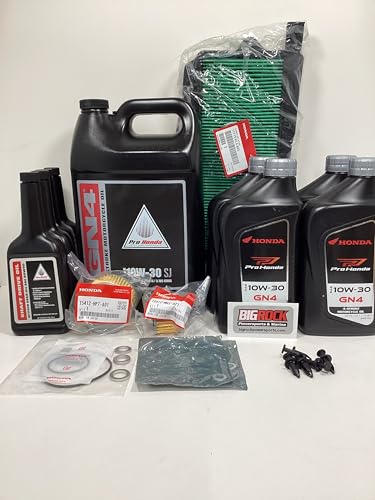
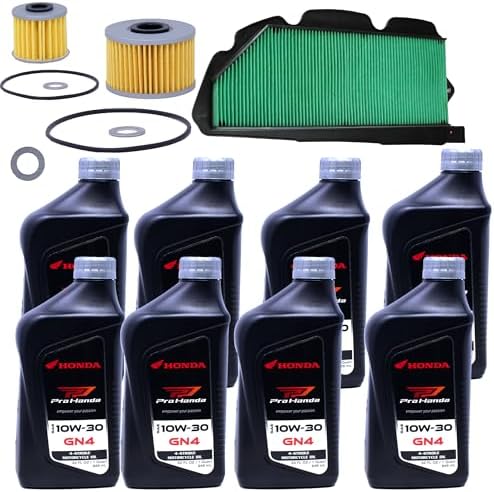
Yes, it uses the type of oil (typically 10W-30 or 10W-40 JASO MA), but it holds it in a separate reservoir.
When you change your engine oil, you are NOT changing your sub-transmission oil.
- Drain Plug: Located on the bottom of the skid plate, separate from the engine drain.
- Fill Port: Accessed by removing the front seat and a rubber flap; it has a yellow dipstick.
- Capacity: Approximately 1.2 to 1.5 quarts (consult your 2026 manual for exact specs).
- Interval: Honda recommends checking it frequently, but changing it every 2 years or 4,000 miles is a safe bet for longevity.
“Clean oil is cheap insurance for a gearbox that costs thousands to replace.”
https://www.youtube.com/watch?v=Fj2aK3lEwW4
Real-World Updates: 2024 – 2026
As of early 2026, the core architecture of the Pioneer 1000 sub-transmission remains largely unchanged from the 2016 introduction, which speaks to its durability.
However, newer models (2022+) and the recent 2026 Trail Special Edition feature refined shift mapping in the DCT that puts less stress on the sub-transmission driveline during engagement.
Recent forum discussions in late 2026 highlight that many “transmission failures” were actually just broken shift cables or the “turf mode” shift fork sticking, both of which are external repairs.
There is also a popular modification among enthusiasts where the reverse gear from a Honda Talon (which is lower geared) is swapped into the Pioneer sub-trans to give it more backing-up torque in thick mud.
If you are looking to keep your Pioneer running for decades, understanding this split-transmission design is key.
Treat the sub-transmission with respect—stop fully before shifting, keep the oil clean, and adjust that cable—and it will outlast the rest of the machine.
For more official technical diagrams, always refer to the Honda Powersports Official Site.
You can also find great community support at the HondaSxS Club or the Ranger/Pioneer Forums.
For parts diagrams, Partzilla is an excellent resource for seeing the exploded view of the sub-trans.
If you need a visual guide on the internal gears, checking YouTube Repair Guides is highly recommended.
🔍 Explore More: See all Wild Testing guides for honda pioneer 1000 sub transmission explanation.
Check out our off-road collection Amazon products
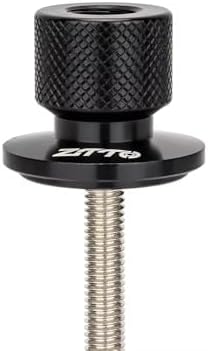
- 【Universal Compatibility】Fits 20″ to 29″+ wheels, including road bikes, mountain bikes, and gravel bikes. A must-have de…
- 【Reinforced Shaft Design】Upgraded with a strong inner shaft for enhanced durability and precise adjustments. Ensures you…
- 【Lightweight & Workshop-Ready】Weighs only 375g, making it easy to carry and perfect for bike shops or personal toolkits….

- Package Dimensions: 3.25 L x 1 H x 1 W (inches)
- Package Weight: 0.05 pounds
- Country of Origin : United States

- 100
- Made in USA or Imported
- Cold forged, heat treated steel handles for strength