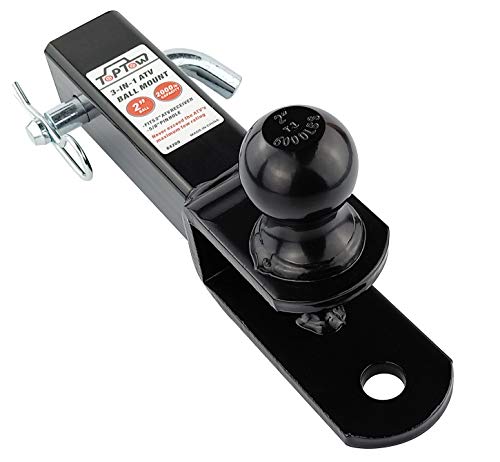
- ★ OPTIMALLY VERSATILE ATV/UTV ACCESSORIES: This tow hitch adapter offers three different coupling styles. The riser hitc…
- ★ STANDARD FIT:This ATV hitch comes with a 2-inch x 2-inch durable square shank to fit any industry-standard 2-inch hitc…
- ★ EASY AND QUICK TO INSTALL. To install this 3-in 1 ball hitch on your ATV or UTV, just simply insert the square shank i…

- ANTI-SEIZE DESIGN: The tire valve stem caps come with metal shell and plastic insert, which will prevent the valve stem …
- WIDE COMPATIBILITY: Our tire air caps are compatible with all American standard schrader valve stem. Include cars, SUVs,…
- EASY to INSTALL: With the simple and smooth horizontal stripes design, DECURCAR valve stem caps are easily hand tightene…

- Extra Storage Space: Multiple storage compartments provide a good place for items such as smartphones, keys, wallets, he…
- 1680D Water-resistant: This UTV roll bar bag, made from 1680D Oxford fabric, is scratch-resistant, wear-resistant, and d…
- Removable and Adjustable Strap: The adjustable straps make installation easy, and no trouble for the use of the passenge…
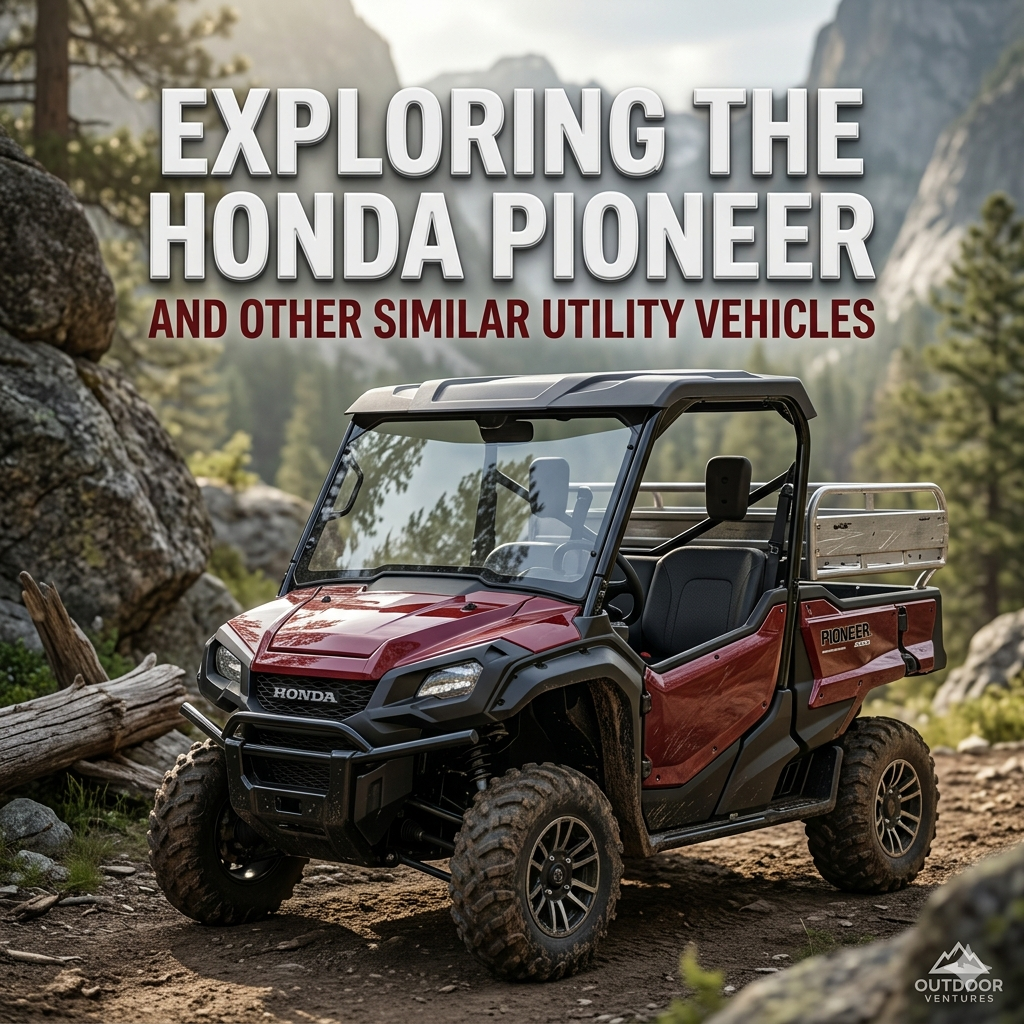
When it comes to dominating the job site, managing agricultural tasks, or carving through backcountry trails, the honda pioneer utility vehicle stands out as an undisputed leader in reliability, engineering, and versatility. As we move further into 2026, the demand for high-performance side-by-sides (SxS) has never been higher. Buyers are no longer just looking for a simple off-road toy; they need a robust machine capable of hauling heavy payloads, towing substantial loads, and providing all-day comfort in challenging environments.
In this comprehensive guide, we will delve deep into the mechanical advantages that make the Honda Pioneer unique. Furthermore, we will explore other types of utility vehicles that offer similar capabilities and features, breaking down their technical specifications, suspension geometries, and drivetrain diagnostics to help you make an informed purchasing decision.
The Honda Pioneer: A Benchmark in Utility Engineering
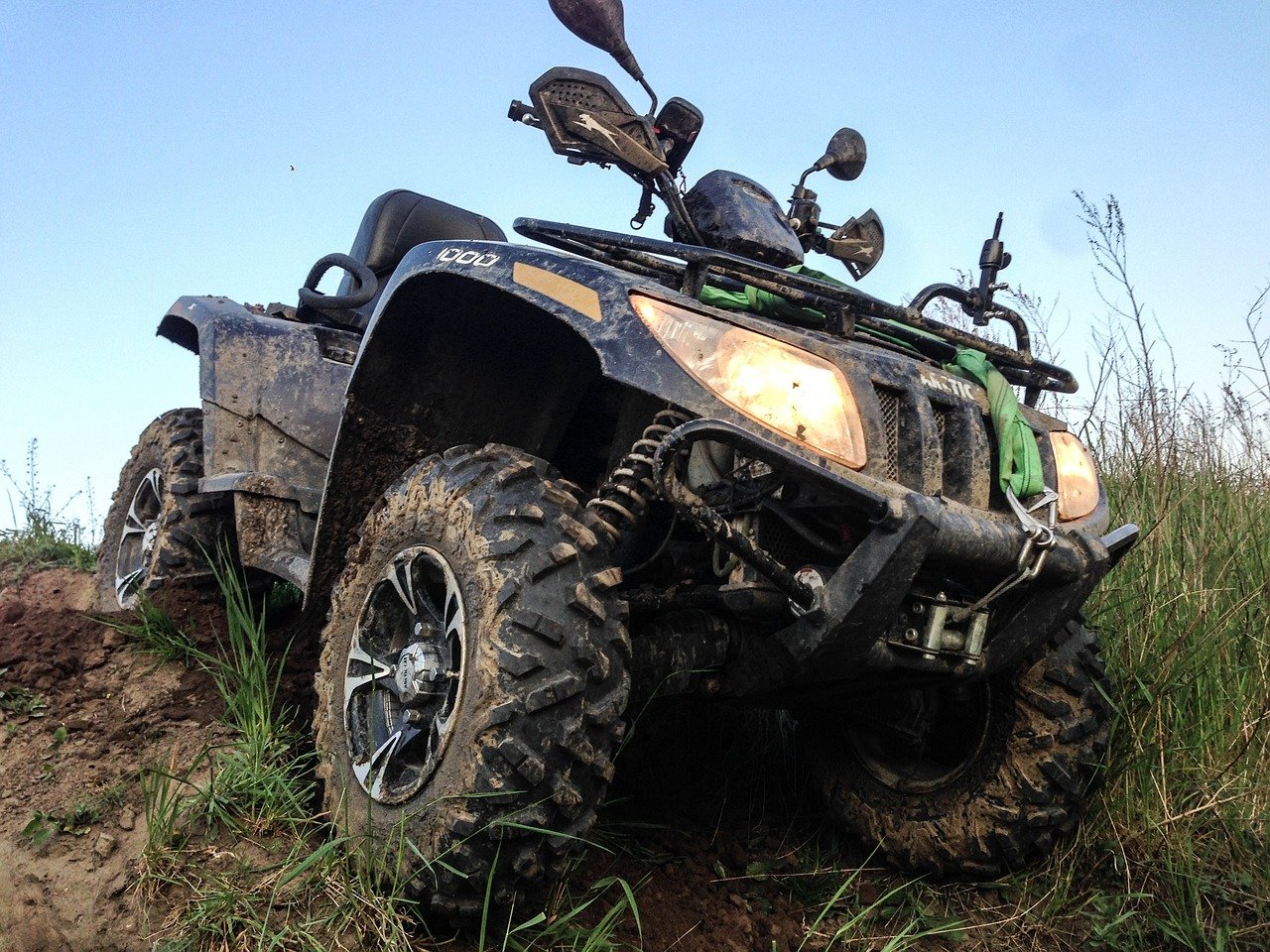
The Honda Pioneer is a premier series of side-by-side utility vehicles designed specifically for a wide spectrum of rigorous outdoor activities. Whether you need a dependable workhorse for commercial landscaping, a reliable rig for hunting expeditions, or a recreational vehicle for weekend trail riding, the Pioneer offers a range of models meticulously engineered to suit your exact operational needs.
One of the most standout features of the Honda Pioneer lineup is its legendary durability. Built around a high-tensile-strength steel frame and utilizing premium, high-quality drivetrain components, these machines are explicitly designed to withstand punishing terrains and extreme environmental conditions. Whether you are navigating jagged, rocky inclines, traversing through deep, viscous mud, or hauling timber across uneven forest floors, the Pioneer chassis resists torsional flex, ensuring that the suspension operates efficiently and the drivetrain remains perfectly aligned.
Another critical aspect of the Pioneer platform is its unmatched versatility. With configurable seating for two to five passengers depending on the specific trim level, you can easily bring along your crew, friends, or family for any adventure. The spacious, flat-bed cargo design is constructed from heavy-gauge steel and features a tilt mechanism. This allows you to haul dense equipment, agricultural supplies, or even assist with light-duty construction tasks without compromising the vehicle’s center of gravity.
Powertrain and Drivetrain Excellence
Powering the flagship Honda Pioneer models is a robust, liquid-cooled Unicam® engine that delivers ample horsepower and class-leading low-end torque. This specific engine tuning ensures that you have the necessary mechanical advantage to tackle steep grades and carry maximum payloads without experiencing power fade or thermal degradation.
Unlike many competitors that rely solely on traditional Continuously Variable Transmissions (CVTs), Honda introduced their revolutionary Dual Clutch Transmission (DCT) to the utility market. The DCT offers the best of both worlds: the direct, mechanical connection of a manual gearbox with the seamless ease of an automatic. Because it uses fluid couplings and friction clutches rather than a rubber drive belt, there is zero belt slip under heavy loads. This drastically improves engine braking when descending steep hills and maximizes fuel efficiency during long-distance cruising.
The Pioneer also offers selectable 2WD, 4WD, and advanced Differential Lock modes. This allows the operator to dynamically switch between different drive configurations based on real-time terrain feedback, minimizing turf damage when necessary or maximizing traction when crawling over boulders.
Cabin Ergonomics and Digital Integration
In terms of operator comfort and convenience, the Honda Pioneer simply doesn’t disappoint. The cabin is designed with human-centric ergonomics in mind, providing a comfortable seating position, generous legroom, and intuitive, easy-to-reach controls. The dashboard features a fully digital, multi-function display that provides essential telemetry at a glance, such as ground speed, engine RPM, fuel level, gear selection, and trip distance. For 2026, the integration of Bluetooth connectivity and smartphone mounting solutions has made fleet management and trail navigation easier than ever.
Breaking Down the Top Honda Pioneer Models for 2026
To truly understand the honda pioneer models lineup, it is essential to look at the distinct mechanical differences between the primary platforms. Honda has strategically segmented their utility vehicles to cater to different payload requirements and budget constraints.
- Honda Pioneer 1000-5: The undisputed flagship. Featuring a 999cc parallel-twin engine, this model comes standard with the 6-speed DCT, offering maximum towing capacity (up to 2,000 lbs) and seating for five adults. It is the ultimate choice for heavy agricultural work and large crew transport.
- Honda Pioneer 700-4: The perfect mid-size balance. Equipped with a 675cc single-cylinder engine and an automatic 3-speed clutch transmission with torque converter, it provides an incredibly smooth ride, excellent fuel economy, and a tighter turning radius for wooded trails.
- Honda Pioneer 500: The compact powerhouse. Don’t let the size fool you; the 475cc fuel-injected engine delivers surprising torque. It fits easily into the back of a standard pickup truck, making it ideal for hunters and solo operators who need a highly maneuverable machine.
| Model | Engine Displacement | Transmission | Seating Capacity | Best Application |
|---|---|---|---|---|
| Pioneer 1000-5 | 999cc Twin | 6-Speed DCT | Up to 5 | Heavy Towing & Crew Work |
| Pioneer 700-4 | 675cc Single | 3-Speed Auto | Up to 4 | Versatile Trail & Ranch Use |
| Pioneer 500 | 475cc Single | Automatic | 2 | Compact Transport & Hunting |
Other Similar Utility Vehicles: The Competition
Check out our off-road collection Amazon products
SHOP THE COLLECTIONWhile the Honda Pioneer offers an excellent combination of durability, versatility, and drivetrain performance, the modern off-road market is fiercely competitive. There are several other utility vehicles in the market that provide similar capabilities, utilizing different mechanical philosophies to achieve the same goals. Let’s take an in-depth look at a few notable options dominating the landscape in 2026.
1. Polaris Ranger
The Polaris Ranger has long been a popular choice among utility vehicle enthusiasts and commercial fleet managers alike. It offers an expansive range of models with various seating capacities, engine displacements, and cargo bed configurations. From the mid-size Ranger 500 to the full-size Ranger XP 1000 and the heavy-duty Ranger Diesel, there is a specific chassis for every application.
The Ranger boasts a highly capable, robust independent rear suspension (IRS) system. This setup allows for a remarkably smooth and comfortable ride even on deeply rutted, rough terrains, as the wheels can articulate independently without transferring harsh impacts to the chassis. Additionally, it features powerful ProStar engines and advanced technology for enhanced performance and convenience. The integration of Polaris RIDE COMMAND provides operators with real-time GPS trail navigation, vehicle diagnostics, and group ride communication, making it a top-tier choice for tech-savvy users.
2. Can-Am Defender
The Can-Am Defender is another highly notable utility vehicle, globally recognized for its extreme durability, massive payload capacities, and aggressive off-road capabilities. With multiple powertrain options available—including the HD7, HD9, HD10, and the torque-heavy Defender Diesel—you can choose the exact power delivery profile that best suits your demanding needs.
Recommended Insights From Our Guide Library:
The Defender offers an incredibly spacious cabin with the innovative Versa-Pro seating arrangement, which features a fold-down center seat to create a wide, flat workspace or accommodate three adults up front. It is packed with clever storage options, including a waterproof dash box and under-seat storage. Mechanically, it features a highly versatile, reinforced cargo bed with LinQ quick-attachment points, and a powerful Rotax engine designed specifically for tackling high-stress tasks like dragging timber or plowing heavy snow. Its standard towing capacity often exceeds 2,000 to 3,000 pounds depending on the engine, putting it at the very top of its class.
3. Yamaha Wolverine (RMAX Series)
The Yamaha Wolverine is a compact-to-midsize utility vehicle that consistently packs a massive punch. Despite its historically smaller physical footprint compared to full-size rigs, it offers incredibly impressive performance, reliability, and versatility. The Wolverine is expertly designed to navigate tight, overgrown wooded trails and challenging, technical terrains with absolute ease, making it a favorite among hunters and property managers.
It features a highly comfortable, automotive-style cabin, ample storage space, and a powerful parallel-twin engine for a thrilling yet controlled off-road experience. The standout mechanical feature of the Wolverine platform is Yamaha’s legendary Ultramatic® V-belt CVT. This transmission features a one-way sprag clutch that provides unmatched, natural-feeling all-wheel engine braking, virtually eliminating the freewheeling sensation common in other CVT-equipped UTVs. Furthermore, recent expansions into the larger platform have introduced incredible machines like the Yamaha Wolverine RMAX4 1000, which bridges the gap between compact utility and full-size sport performance.
4. Kawasaki Mule Pro
No discussion of top-tier utility vehicles is complete without mentioning the Kawasaki Mule. The Mule Pro series represents Kawasaki’s commitment to combining work-ready durability with recreational comfort. Powered by a smooth, fuel-injected three-cylinder engine, the Mule Pro offers a quieter ride and excellent low-end grunt. Its trans-shift system allows the operator to change between high and low ranges on the fly, and its heavy-duty cargo bed features a robust undercoating to resist rust and dampen the sound of shifting gravel. These are just a few examples of utility vehicles that are similar to the Honda Pioneer.
Step-by-Step Diagnostic Workflow for UTV Maintenance
Owning a Honda Pioneer or any of its competitors requires a strict adherence to preventative maintenance. Because these machines operate in highly abrasive environments—frequently exposed to deep water, silica dust, and corrosive mud—routine diagnostics are crucial to prevent catastrophic mechanical failure. Below is a step-by-step diagnostic workflow recommended for 2026 model-year maintenance protocols.
Step 1: Cold Start and Acoustic Observation
Before taking the vehicle out, start the engine cold in a well-ventilated area. Listen closely for any metallic ticking, knocking, or squealing. A brief tick upon startup is normal in some overhead cam engines as oil pressure builds to the hydraulic lash adjusters, but a persistent knock indicates potential rod bearing wear. Observe the exhaust for blue smoke (burning oil) or white sweet-smelling smoke (coolant leak), both of which require immediate top-end teardown diagnostics.
Step 2: Drivetrain and Transmission Inspection
For Honda Pioneer owners utilizing the DCT, check the transmission fluid levels using the dipstick while the machine is on level ground. The DCT relies on clean fluid to actuate the hydraulic clutches; degraded fluid can cause harsh or delayed shifting. For competitors using a CVT (like Polaris, Can-Am, and Yamaha), inspect the drive belt for fraying, glazing, or missing cog teeth. Additionally, clean out the CVT clutch sheaves with warm soapy water to remove rubber dust, which can cause severe belt slip and power loss under heavy loads.
Step 3: Suspension Geometry and Steering Components
Elevate the vehicle using a floor jack and secure it on heavy-duty jack stands. Grasp the front tires at the 3 o’clock and 9 o’clock positions, shaking them vigorously to check for play in the tie rod ends. Next, grasp them at 12 o’clock and 6 o’clock to test the wheel bearings and ball joints. Inspect the shocks for any signs of hydraulic fluid weeping down the shock shaft, which indicates blown seals. Finally, examine the sway bar end links; a clunking sound over small bumps is almost always traced back to a loose or broken sway bar link.
Step 4: Air Intake and Cooling System Diagnostics
UTV engines are highly susceptible to dust ingestion. Remove the air filter element and inspect it against a bright light source. If you can see pinholes of light through the paper media, replace it immediately. Check the pre-filter foam for dry rot. For the cooling system, inspect the radiator fins for mud packing. A mud-packed radiator will quickly lead to overheating, especially when crawling at low speeds. Use a soft-bristle brush and low-pressure water to clear debris from the radiator and intercooler screens.
Check out our off-road collection Amazon products
SHOP THE COLLECTIONChoosing the Right Accessories for Your UTV
The true utility of a side-by-side is unlocked through customization. Whether you opt for a Honda, Polaris, or Yamaha, the aftermarket support in 2026 is vast. When outfitting your machine, consider the following essential upgrades:
- Heavy-Duty Winches: A 4,500 lb to 6,000 lb winch is critical for self-recovery in deep mud or for moving heavy debris around the property. Always pair the winch with a reinforced winch mount that ties directly into the vehicle’s main frame rails.
- All-Weather Enclosures: A full polycarbonate windshield, soft roof, and rear panel will transform your open cab into a climate-controlled workspace, allowing you to operate the vehicle comfortably in freezing rain or snow.
- Upgraded Wheels and Tires: Moving from stock 25-inch tires to 27-inch or 28-inch 8-ply tires will dramatically increase ground clearance and puncture resistance. Be sure to upgrade your wheels to beadlock-style rims if you plan on airing down your tires for sand or rock crawling.
- Lighting Arrays: High-output LED light bars and A-pillar pods are essential for night operations, whether you are tracking game or finishing a late-night agricultural chore.
Conclusion
The Honda Pioneer and other similar utility vehicles provide an incredibly reliable, versatile, and mechanically advanced solution for both outdoor enthusiasts and demanding work-related tasks. Each brand and model has its unique features, engineering philosophies, and distinct strengths. The Honda Pioneer leads the pack with its automotive-style Dual Clutch Transmission and bulletproof Unicam engines. The Polaris Ranger offers best-in-class technology and independent rear suspension comfort. The Can-Am Defender dominates in raw towing and payload numbers, while the Yamaha Wolverine provides unparalleled engine braking and compact agility.
Ultimately, it is essential to carefully consider your specific operational requirements, property terrain, and personal preferences when choosing the right utility vehicle for your needs. Take the time to thoroughly research the technical specifications, read owner forums, and physically test drive different models at your local dealership. By investing in the perfect machine and adhering to a strict maintenance schedule, you will find a utility vehicle that not only meets your needs but drastically enhances your outdoor adventures and professional work capabilities for years to come.
Community Reference & Authority Resources:

- ★ OPTIMALLY VERSATILE ATV/UTV ACCESSORIES: This tow hitch adapter offers three different coupling styles. The riser hitc…
- ★ STANDARD FIT:This ATV hitch comes with a 2-inch x 2-inch durable square shank to fit any industry-standard 2-inch hitc…
- ★ EASY AND QUICK TO INSTALL. To install this 3-in 1 ball hitch on your ATV or UTV, just simply insert the square shank i…

- Steel sheet construction with powder-coated finish
- Includes standard mounting hardware
- Designed to hold (3) 5-gal. buckets
🔍 Explore More: See all guides for Honda Pioneer.