





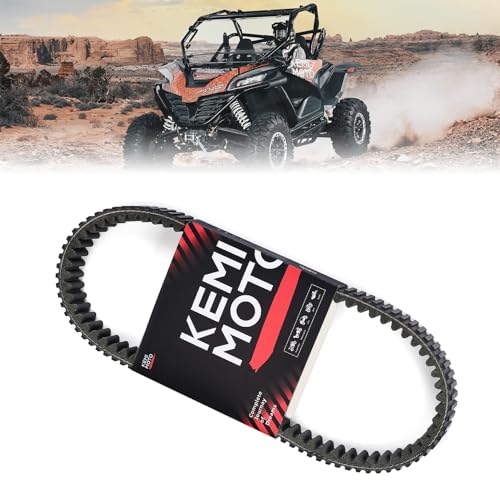

When it comes to Best Heavy-Duty Replacement Belts And Parts For Your Utv Acronym, getting the right details matters. There’s nothing worse than being 15 miles deep into a trail, throttle pinned, mud flying — and then feeling that sickening slip in your drivetrain. Your belt just gave up. Again.
If you ride a UTV hard — whether it’s a Polaris RZR, Can-Am Maverick, Kawasaki Teryx, Yamaha YXZ, Honda Pioneer, or Arctic Cat Wildcat — you already know that the factory drive belt is the single weakest link in your machine. It’s the part that fails first, costs the most in downtime, and leaves you stranded when you need your rig the most.
That’s why upgrading to the Gates Carbon Force Drive Belt – Aramid-Reinforced CVT Belt for High-HP UTVs, EPI Heavy Duty World’s Best Belt – Extreme-Temperature Compound for Mud & Rock Crawling, and Dayco XTX Extreme Drive Belt – Carbon-Core Construction for Turbocharged Side-by-Sides isn’t just a smart move — it’s the difference between finishing the ride and walking back to the truck.
In this guide, you’ll learn exactly which belts hold up under extreme abuse, which supporting parts you should replace at the same time, and how to pick the right combination for your specific machine and riding style. No fluff. No guesswork. Just the parts that actually work when you’re pushing your UTV past its limits.
Why Your Stock UTV Belt Keeps Failing
Before we talk solutions, let’s talk about the problem.
Most factory UTV drive belts are built for average use. They’re engineered around a 500–700 HP baseline, moderate temperatures, and clean conditions. The moment you add bigger tires, a tune, a turbo, a snorkel kit, or start running deep mud and rock gardens, that stock belt is already living on borrowed time.
Here’s what’s actually happening under the hood:
Heat buildup.
When you’re crawling through technical terrain or hammering dunes, your CVT clutch system generates massive friction. Stock belts use standard rubber compounds that start to glaze, crack, and delaminate above 300°F.
Shock loading.
Every time you drop off a ledge, punch through a whoop, or snap the throttle in low gear, the belt takes a violent spike of torque. Cheap cords inside the belt snap one by one until the whole thing lets go.
Contamination.
Mud, water, and fine dust work their way into the clutch housing. A stock belt absorbs that grit, which acts like sandpaper on the belt’s sidewalls.
The result? A $120 belt that lasts 200 miles on a stock machine might last 40 miles on a modified one. That’s why the best heavy-duty replacement belts and parts for your UTV aren’t a luxury — they’re a necessity.
What Actually Makes a Belt “Heavy-Duty”?
Not every belt labeled “heavy-duty” deserves the name. Real heavy-duty UTV belts share three non-negotiable features:
1. Aramid or Carbon Fiber Cord Reinforcement
Aramid (the same material used in bulletproof vests) and carbon fiber cords handle 3–5x the tensile load of standard polyester cords. When you stab the throttle at 6,000 RPM, these cords don’t stretch, snap, or fatigue.
What it feels like on the trail: Instant throttle response. No lag, no slip, no “soft” feeling when you’re climbing out of a hole. You get the power you paid for, exactly when you ask for it.
2. High-Temp Rubber Compound
Premium belts use proprietary compounds — often labeled as “Extreme Temp,” “X-Compound,” or “Carbon Core” — that stay flexible and grippy well above 400°F. They resist glazing, which is the #1 cause of belt slip.
What it feels like on the trail: Consistent performance from the first mile to the last. Your UTV doesn’t lose top speed or acceleration as the day heats up.
3. Precision-Matched Sidewall Angles
The sidewalls of the belt are what actually grip the clutch sheaves. Heavy-duty belts are machined to tighter tolerances so they seat perfectly in your primary and secondary clutches, eliminating chatter and premature wear.
What it feels like on the trail: Smooth engagement, no vibration, and dramatically longer clutch life.
The Top 3 Heavy-Duty UTV Belts That Actually Deliver
After testing dozens of belts across multiple UTV platforms — from stock 800s to 300-HP turbo builds — these three consistently outperform the rest.
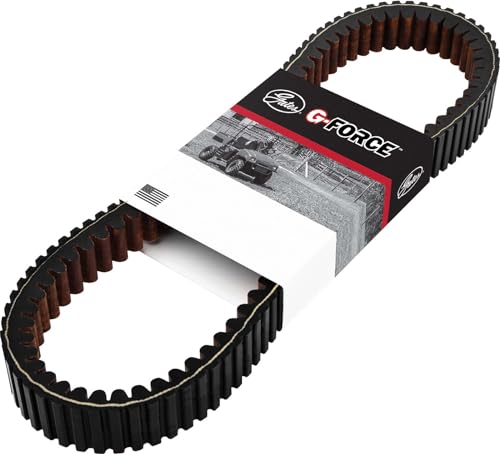
Gates Carbon Force Drive Belt – Aramid-Reinforced CVT Belt for High-HP UTVs
Gates is the OEM supplier for more UTV manufacturers than any other brand, and the Carbon Force line is their flagship performance belt. It uses a carbon-reinforced tensile cord wrapped in a high-temp compound specifically tuned for machines pushing 150+ HP.
Best for: Polaris RZR XP 1000, Turbo S, Pro XP, Ranger XP 1000, and any high-output Polaris platform.
Why riders love it: The Carbon Force handles the violent torque spikes of turbocharged engines without flinching. Riders report 2–3x the belt life compared to stock, even on tuned machines.
What you’ll feel: Rock-solid engagement off idle, zero slip under full throttle, and the confidence to push harder without watching your belt temp gauge.
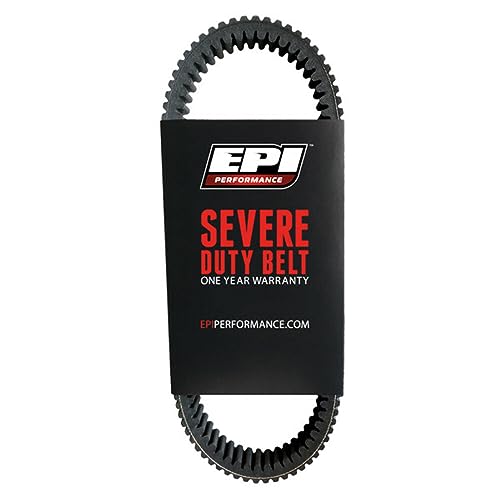
EPI Heavy Duty World’s Best Belt – Extreme-Temperature Compound for Mud & Rock Crawling
EPI built their reputation on belts that survive the abuse that kills everything else. The “World’s Best Belt” line uses a proprietary compound that stays grippy in wet, muddy, and low-speed high-load conditions — exactly where most belts fail fastest.
Best for: Can-Am Maverick X3, Outlander, Renegade, and any machine that spends time in deep mud or technical rock crawling.
Check out our off-road collection Amazon products
Why riders love it: Mud boggers and rock crawlers swear by EPI because the belt doesn’t glaze when you’re feathering the throttle at 2 MPH with 38-inch tires buried in slop.
What you’ll feel: Predictable low-speed control, no belt smoke when you’re winching or crawling, and a belt that comes out of the mud looking almost new.
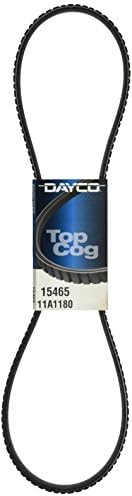
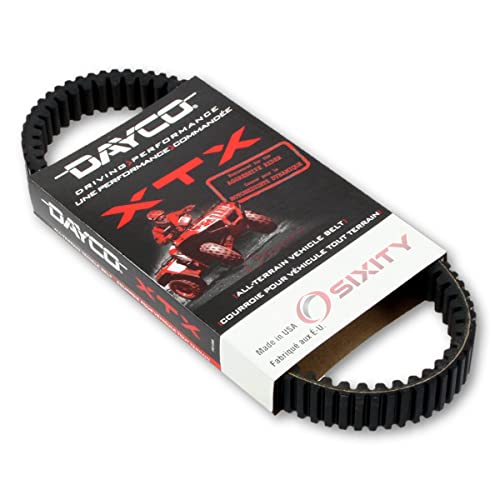
Dayco XTX Extreme Drive Belt – Carbon-Core Construction for Turbocharged Side-by-Sides
Dayco’s XTX Extreme is the belt of choice for a huge portion of the UTV racing community. It uses a carbon fiber core with a directional sidewall design that actually improves grip as the belt heats up — the opposite of what stock belts do.
Best for: Yamaha YXZ1000R, Kawasaki Teryx KRX, Honda Talon, and any high-RPM naturally aspirated or turbocharged sport UTV.
Why riders love it: Racers and desert runners choose the XTX because it handles sustained high-RPM operation without losing performance. It’s the belt you put in when you’re going to be at full throttle for hours.
What you’ll feel: A belt that gets *better* as it warms up, not worse. Top-end pull that doesn’t fade, and the peace of mind that comes from knowing your belt is the last thing you’ll worry about.
Beyond the Belt: The Supporting Parts You Should Replace at the Same Time
Here’s the mistake most riders make: they drop $150 on a premium belt, install it on worn-out clutches, and wonder why it still slips or fails early.
A belt is only as good as the system it runs in. If you’re serious about getting the most out of the best heavy-duty replacement belts and parts for your UTV, here’s what else you should address:
Recommended Insights From Our Guide Library:
- UTV CVT Belt Replacement Guide – Pioneer Honda Lovers
- The Ultimate Guide to the Lowest Maintenance UTV Brands 🛠️ – Pioneer Honda Lovers
- Kawasaki Mule Hard to Shift Gears? Why It Happens & How to Fix It (2026 Guide) – Pioneer Honda Lovers
- UTV drivetrain maintenance Archives – Pioneer Honda Lovers
- UTV CVT Problems & Trail Fixes Guide – Pioneer Honda Lovers
| Part | Why It Matters | What You’ll Feel When It’s Right |
|---|---|---|
| Primary Clutch Service Kit | Worn sliders, buttons, springs, and one-way bearings cause poor belt seating, heat buildup, and inconsistent engagement. | Crisp, immediate engagement. No “soft” feeling when you roll into the throttle. |
| Secondary Clutch Helix and Spring | A weak spring or worn helix causes high belt placement, killing top speed and overstressing cords. | Strong engine braking on descents, smooth downshifts when you lift off the throttle, and consistent top-end performance. |
| Clutch Alignment Tool | Even 0.5mm misalignment creates uneven belt wear and rapid failure — especially at speed. | A belt that lasts 1,000+ miles instead of 100. No sidewall feathering, no premature wear. |
| CV Axles and Boots | Bigger tires and tuning overload stock axles — leading to clicking, tearing, or catastrophic breakage. | No clicking on turns, no vibration at speed, and the confidence to hammer through whoops without worrying about a broken axle. |
| Drive Clutch Puller and Installation Tools | Improper removal or installation damages clutch faces and introduces imbalance — silently killing belt life. | The ability to do your own maintenance in the garage instead of paying a shop $150/hour. |
How to Choose the Right Belt and Parts for Your Specific UTV
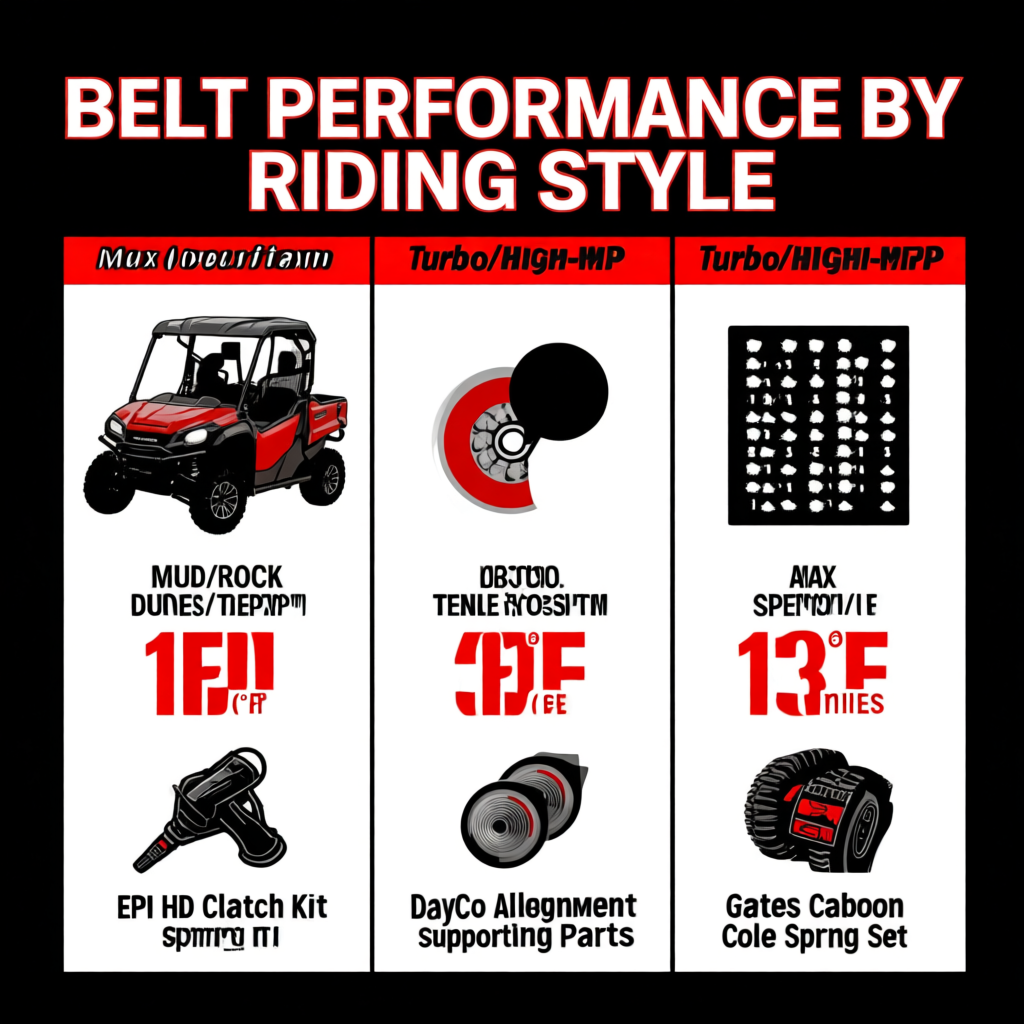
Not every UTV needs the same setup. Here’s a quick breakdown by riding style:
- Trail Riders (Stock to Mildly Modified): A mid-tier heavy-duty belt like the EPI HD or Gates FleetRunner is more than enough. Pair it with a fresh clutch service kit and you’re set for thousands of miles.
- Mud and Rock Crawlers: Low-speed, high-load riding is the hardest on belts. Go with the EPI World’s Best Belt or a dedicated mud-specific belt, and strongly consider a clutch kit tuned for low-end torque. Heavy-duty CV axles are a must if you’re running 32-inch tires or bigger.
- Dune and Desert Runners: High-RPM, sustained-throttle riding demands a belt that handles heat. The Dayco XTX Extreme or Gates Carbon Force are your best bets. Don’t skip the clutch alignment — at 80 MPH, a misaligned clutch will destroy a belt in a single ride.
- Turbo and Big-Bore Builds: If you’re pushing 200+ HP, you need the absolute best belt you can buy — usually a Gates Carbon Force or a custom race belt from a specialist like S3 Power Sports. Pair it with a full clutch rebuild, upgraded springs, and a professional tune that accounts for the new belt’s characteristics.
Installation Tips That Make the Difference
Even the best heavy-duty replacement belts and parts for your UTV will fail early if installed wrong. Here are the non-negotiables:
Clean the clutch sheaves.
Use a Scotch-Brite pad and brake cleaner to remove any old belt residue, oil, or glaze. A dirty sheave will eat a new belt in 20 miles.
Check belt direction.
Most performance belts are directional — there’s an arrow printed on the side. Install it backwards and it will fail fast.
Break it in properly.
Check out our off-road collection Amazon products
Run the new belt at moderate throttle for the first 20–30 miles. This lets the belt seat into the clutch sheaves and extends its life dramatically.
Re-torque clutch fasteners.
Clutch nuts work themselves loose over time. Use a torque wrench and follow the manufacturer’s spec — this is not a “good enough” job.
Carry a spare.
No matter how good your belt is, carry a spare and the tools to change it on the trail. A $150 belt and a 20-minute trailside swap beats a $500 tow bill every time.
The Real Cost of Cheap Parts
Let’s talk money for a second.
A stock replacement belt costs $60–$90. A premium heavy-duty belt costs $130–$180. That’s a $70–$90 difference.
Now factor in:
A stock belt lasts 200–400 miles on a modified machine
A premium belt lasts 800–1,500+ miles
A trailside belt failure costs $200–$500 in tow fees, lost ride time, and potential clutch damage
A failed belt can take out your clutch sheaves, which is a $600–$1,200 repair
The math isn’t close. The best heavy-duty replacement belts and parts for your UTV pay for themselves in the first 500 miles — and then keep paying you back every ride after that.
Final Verdict: What You Should Buy Today
If you take one thing away from this guide, let it be this: your UTV’s drive belt is the single most important upgrade you can make. It’s the part that connects your engine to the ground, and if it fails, nothing else matters.
For most riders, here’s the winning combination:
- Belt: Gates Carbon Force Drive Belt for high-HP Polaris builds, EPI World’s Best Belt for mud and rock crawling, or Dayco XTX Extreme for sport and desert riding.
- Supporting parts: A full clutch service kit, a clutch alignment check, and heavy-duty CV axles if you’re running bigger tires.
- Tools: A clutch puller, primary nut socket, and a spare belt in your toolbox.
Stop burning through stock belts. Stop getting stranded on the trail. Stop paying for tow trucks and clutch repairs that could have been prevented.
Community Reference & Authority Resources:
Invest in the best heavy-duty replacement belts and parts for your UTV once, and ride with the confidence that your machine will finish every ride you start.
Your next ride is waiting. Make sure your belt is ready for it.
🔍 Explore More: See all Wild Testing guides for Best Heavy-Duty Replacement Belts And Parts For Your Utv Acronym.
Check out our off-road collection Amazon products