
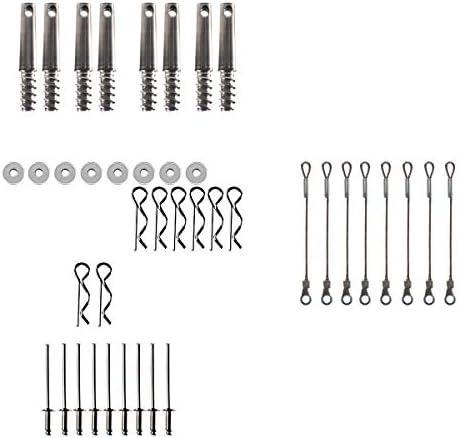
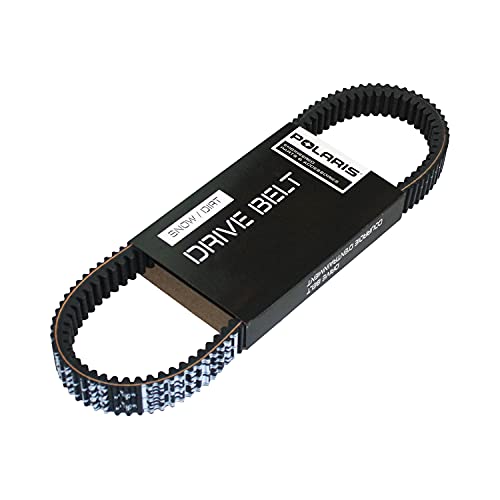
When it comes to common CVT problems and quick fixes on the road, getting the right details matters. 🛒 Gear up before you roll out with our top trail-tested recommendations to earn your keep on the mountain:
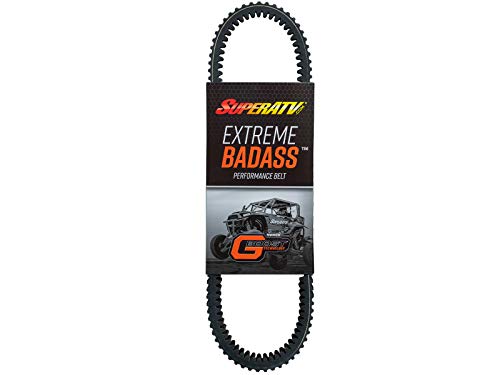
EPI Extreme Duty CVT Belt,
All Balls Racing Clutch Rebuild Kit,
K&N High-Flow CVT Intake Filter.
The Unsung Hero of Your Trail Rig
There is absolutely nothing worse than hearing that dreaded squeal echoing through the canyon when you are pinned to the floor. 💡
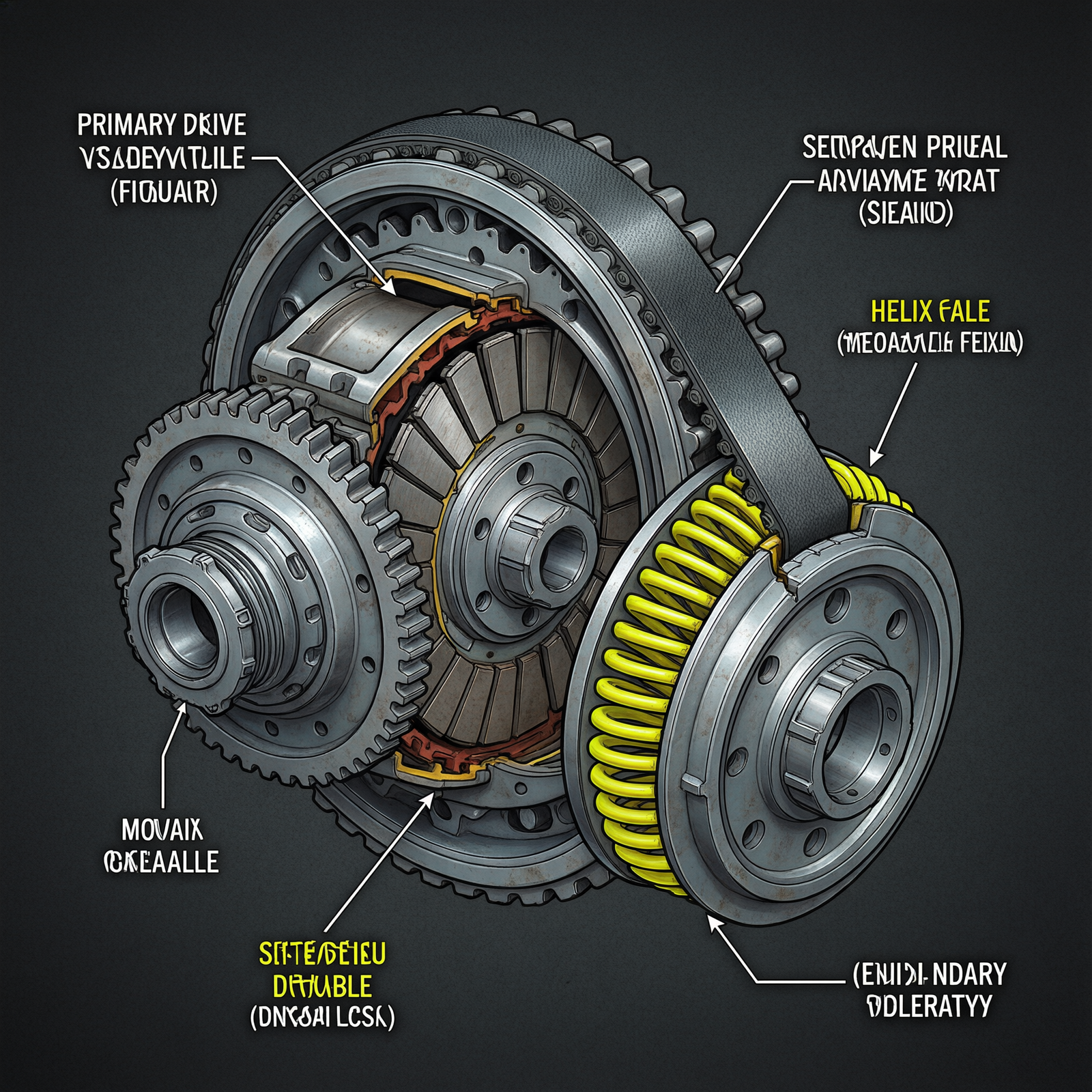
Your continuously variable transmission is the unsung hero of your UTV or ATV. 📌
It translates raw engine torque into usable trail crawling power or high-speed desert running. 💡
When this system fails, your expensive machine instantly becomes a very heavy lawn ornament. 📌
As a seasoned trail veteran, I have seen too many riders stranded because they ignored the subtle warning signs of clutch distress. 💡
Understanding the mechanical synergy between your primary and secondary clutches is the first step toward trail survival. 📌
Modern engineering has brought us incredible advancements in belt compounds and sheave metallurgy. 💡
However, the fundamental physics of friction and centrifugal force remain entirely unforgiving. 📌
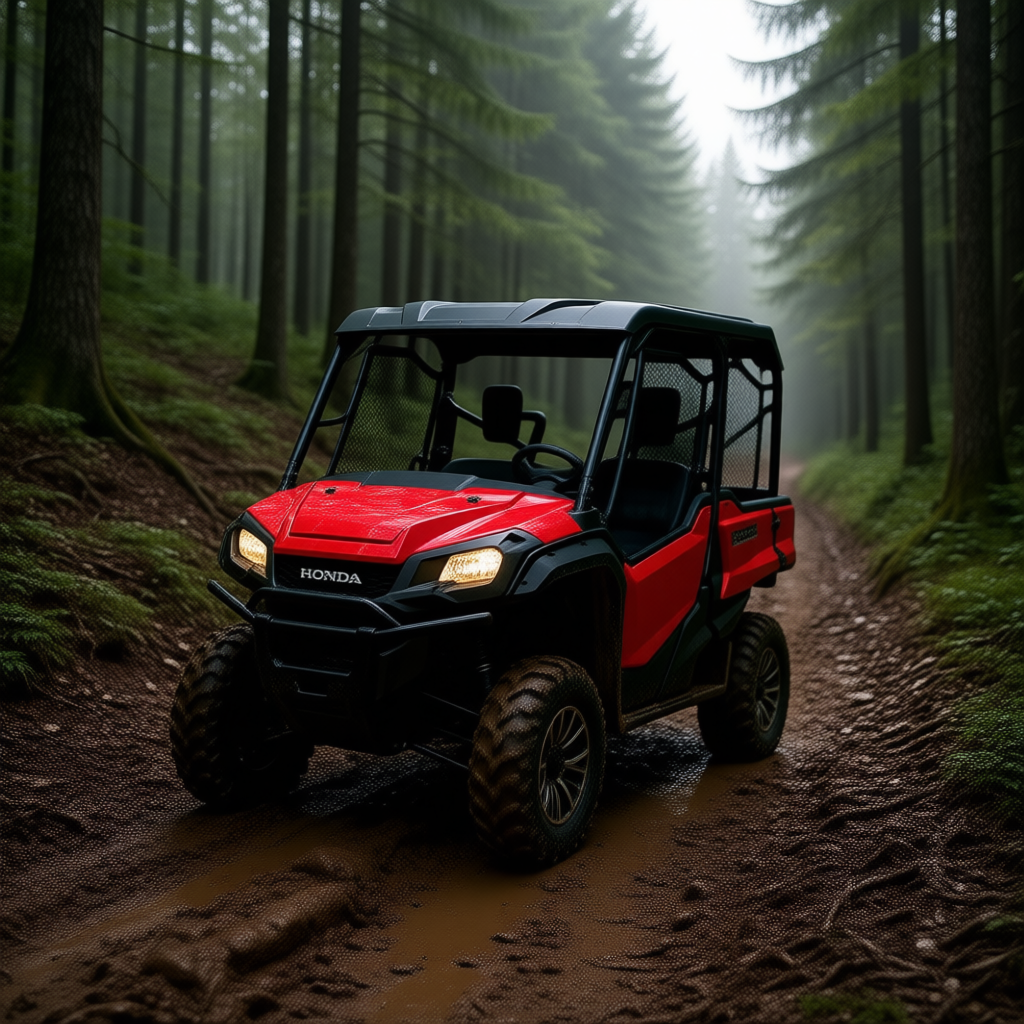
Whether you are wheeling a classic Honda Pioneer or a late-model Polaris RZR, the core principles of your drivetrain remain exactly the same. 💡
Let us dive deep into the grease, grit, and geometry of your transmission. 📌
Primary Clutch Failures and Sheave Geometry
The primary clutch is bolted directly to your crankshaft and spins at engine RPM. 💡
Inside this sealed casing, heavy roller weights or sliding shoes are forced outward by centrifugal force. 📌
This outward movement pushes the movable sheave inward, which in turn squeezes the drive belt to a higher riding radius. 💡
When your primary sheave fails to open properly under load, the belt rides too high and causes severe overheating. 💡
One of the most common issues we see on the trail is worn clutch weights developing flat spots. 📌
These flat spots cause the belt to chatter violently during initial acceleration, generating massive amounts of friction heat. 💡
If you feel a severe vibration right off the idle, your primary weights are likely the culprit. 📌
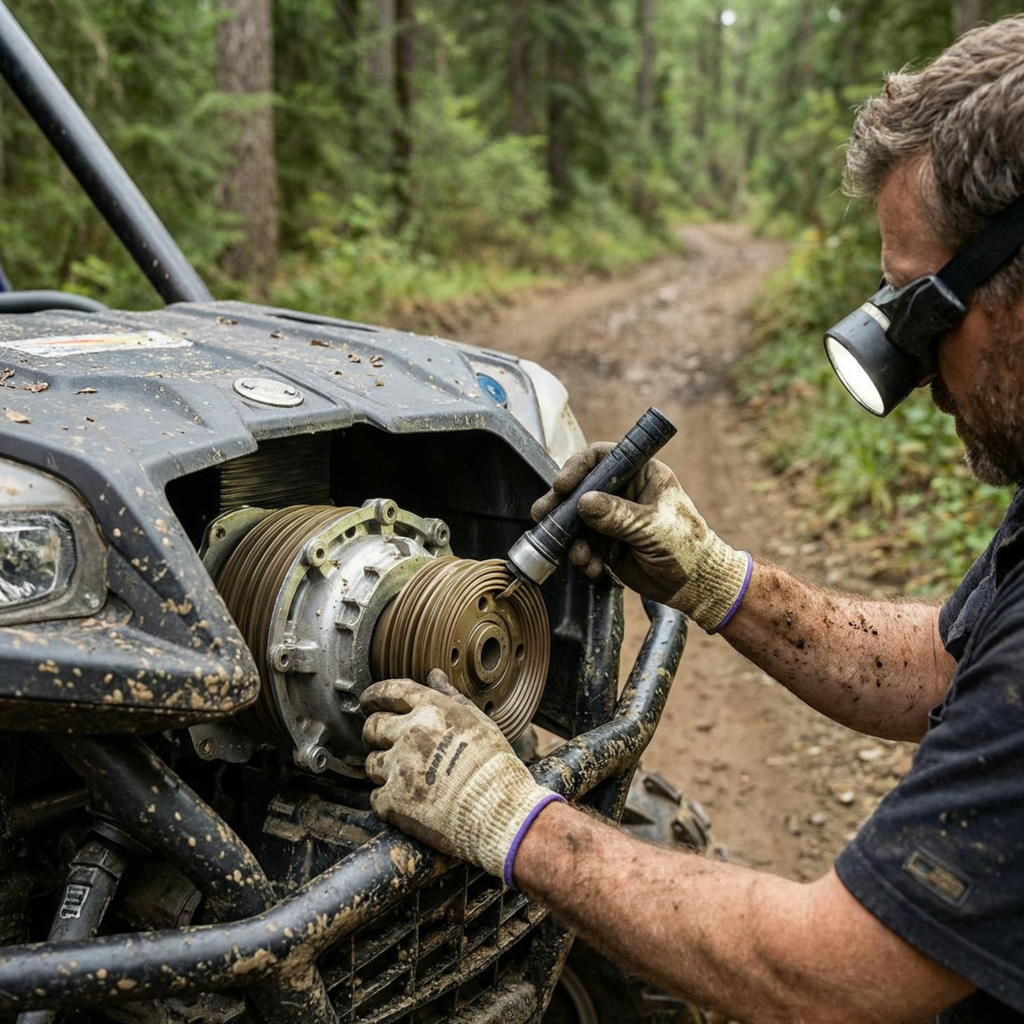
A quick trail fix involves removing the clutch cover and tapping the weights gently with a rubber mallet to ensure they are not binding in their tracks. 💡
You must also inspect the primary clutch bushing for excessive play. 📌
A worn bushing allows the entire clutch assembly to wobble, which will chew through a brand new belt in a matter of minutes. 💡
Always carry a spare primary clutch spring in your trail bag, as a fatigued spring will cause severe belt slip under heavy loads. 📌
Secondary Clutch Dynamics and Helix Issues
The secondary clutch is mounted on the transmission input shaft and operates on a completely different mechanical principle. 💡
Instead of centrifugal weights, it relies on a torsion spring and a machined helix to control belt tension. 📌
As the primary clutch pushes the belt to a larger diameter, the secondary clutch is forced to open, pushing the belt into a smaller diameter. 💡
Check out our off-road collection Amazon products
The helix is a curved ramp that dictates how quickly the secondary sheaves open and close based on the torque load. 📌
If your secondary clutch spring feels mushy or shows signs of heat discoloration, it has lost its tension and needs immediate replacement. 💡
A weak secondary spring results in belt slip at high speeds, robbing you of top-end performance and cooking your belt. 📌
Another critical failure point is the helix roller getting stuck in the ramp. 💡
If mud, debris, or a broken piece of the belt jams the helix, your clutch will lock in a single gear ratio. 📌
On the trail, you can sometimes free a stuck helix by spraying it aggressively with electrical contact cleaner and manually working the sheaves back and forth. 💡
Riders of heavy side-by-sides from Yamaha and Kawasaki know that mud packing the secondary clutch is a constant battle. 📌
Belt Management and Thermal Limits
The drive belt is the literal lifeline connecting your engine to the transmission. 💡
Modern aramid fiber belts are incredibly strong, but they are highly susceptible to thermal degradation. 📌
When a belt slips, the friction generates temperatures that can exceed four hundred degrees Fahrenheit in seconds. 💡
This extreme heat causes the belt material to glaze, creating a shiny, hardened surface that loses all gripping friction. 📌
If you experience sudden belt slip, pull over immediately and let the clutch housing cool down for at least twenty minutes. 💡
Never attempt to cool a hot CVT by pouring water on it, as the rapid thermal shock will warp the aluminum sheaves. 📌
Modern 2024 and newer models feature advanced thermal sensors that will automatically limp your rig if the CVT case exceeds safe operating temperatures. 💡
These electronic interventions are designed to save your belt, but they can leave you stranded in dangerous terrain if you do not understand them. 📌
Always ensure your CVT air intake and exhaust hoses are completely clear of mud and debris. 💡
A restricted airflow path will cause rapid heat buildup, regardless of how perfectly your clutch weights are tuned. 📌
Trail-Side Diagnostics and Quick Fixes
When disaster strikes in the backcountry, panic is your worst enemy. 💡
Having a systematic approach to diagnosing common CVT problems and quick fixes on the road will get you back to camp. 📌
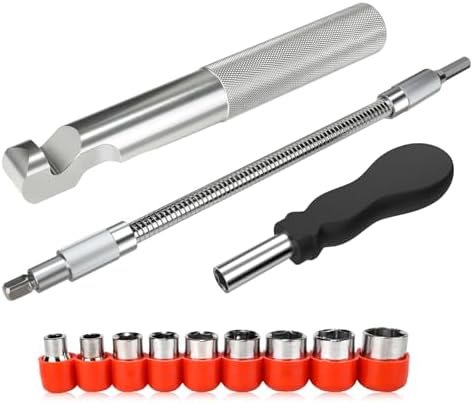
Always carry a spare belt and a clutch compression tool in your trail bag because a snapped belt means you are walking. 💡
Before installing a new belt, you must clean the sheaves thoroughly with a Scotch-Brite pad and brake cleaner. 📌
Any leftover glaze or debris on the sheave faces will immediately transfer to the new belt and ruin it. 💡
When installing the new belt, ensure it sits as low as possible in the secondary clutch before threading it over the primary. 📌
This ensures the belt is properly seated in the sheave grooves before you apply tension. 💡
If your rig is suffering from poor low-speed crawl, check the primary clutch rollers for excessive wear. 📌
Sometimes, simply rotating the rollers to expose an unworn surface can temporarily restore your low-end torque. 💡
For Can-Am owners, the pDrive clutch system requires specific attention to the movable sheave bushings. 📌
A quick trail fix for a sticking pDrive clutch is to lubricate the splines on the transmission shaft with a high-temperature synthetic grease. 💡
Check out our off-road collection Amazon products
| Component | Common Failure | Trail Fix |
|---|---|---|
| Drive Belt | Glazing or Snapping | Swap with spare and clean sheaves |
| Primary Clutch | Stuck Rollers/Weights | Tap with rubber mallet to free them |
| Secondary Clutch | Weak Spring Tension | Adjust preload if adjustable or limp home |
Preventative Maintenance for the Long Haul
The best trail fix is the one you never have to perform. 💡
Preventative maintenance is the absolute key to maximizing the lifespan of your continuously variable transmission. 📌
You should inspect your belt deflection every single time you clean your machine. 💡
Check the belt deflection by pressing down on the top run;
it should have about half an inch of play. 💡
If the belt is too tight,
it will drag and overheat; if it is too loose,
it will slip and glaze. 📌
Inspect the primary clutch sheaves for deep scoring that could chew up a new belt in minutes. 💡
Verify the secondary clutch helix is not cracked or binding during its compression cycle. 📌
Never ride through deep water without checking your clutch seals,
because hydro-locking a CVT is a trail-ender. 💡
Water ingestion causes the belt to slip violently,
generating enough heat to melt the sheave surfaces. 📌
After any deep water crossing,
idle the engine in neutral for several minutes to allow the centrifugal force to spin out any trapped moisture. 💡
Replace your CVT drive belt at the manufacturer’s recommended interval,
even if it looks perfectly fine. 📌
The internal aramid cords fatigue over time and can snap without any prior visual warning. 💡
Keep your air filter clean, as a rich-running engine will dump unburned fuel into the exhaust,
which can be sucked into the CVT and degrade the belt rubber. 📌
By respecting the mechanical limits of your drivetrain, you ensure that your machine is always ready for the next adventure. 💡
“A clean CVT is a happy CVT, and a happy CVT gets you back to camp.”
“Never ride through deep water without checking your clutch seals, because hydro-locking a CVT is a trail-ender.”
Search Helpful “common CVT problems and quick fixes on the road” Videos on YouTube
🔍 Explore More: See all Wild Testing guides for common CVT problems and quick fixes on the road.
Check out our off-road collection Amazon products