

Alright fellow riders, let’s talk about something that gives many of us that little pang of anxiety every time we shut off the engine on a hillside: parking our beloved, often heavy, UTVs on an incline.
You find your spot, maybe on a scenic overlook or just the side of a rugged trail, shift into Park, turn off the engine, and hear that distinct clunk as the transmission park pawl engages. Then comes that moment of hesitation—is it really going to hold? Will you come back to find your machine exactly where you left it, or will it have decided to take an unscheduled trip downhill?
That clunk you hear is a small metal pin called the park pawl engaging with a gear inside your transmission, physically stopping the output shaft from rotating. When you park on a slope, the entire weight of your UTV—potentially over 1,500 pounds with cargo and accessories—is resting on that single, relatively small component. Relying solely on this mechanism makes many experienced riders nervous, especially considering the potential cost of transmission repairs if that pawl ever fails under load.
This is where a simple yet incredibly effective safety accessory comes into play: the UTV parking brake lock. It is not a fancy electronic system but a straightforward mechanical device designed to take the strain off your transmission and provide genuine peace of mind. If you have ever worried about roll-aways or the long-term health of your UTV’s drivetrain, this is an upgrade you seriously need to consider in 2026.
The Problem with “Park”: Why Your Transmission Needs Help
To understand why a UTV parking brake lock is so beneficial, we first need to appreciate the mechanical limitations of relying solely on the “Park” position in your transmission. Inside your UTV’s transmission, the Park setting engages a mechanism called a park pawl. It is essentially a sturdy steel pin or lever that physically slots into a notched parking gear connected to the transmission’s output shaft. This physically prevents the output shaft—and thus the wheels through the driveshafts and axles—from turning.
When you park on flat ground, the pawl easily holds the vehicle stationary with minimal stress. The load is negligible, and the component operates well within its design parameters. However, park that same UTV on a hill, and gravity exerts significant force, trying to pull the vehicle downhill. All of this gravitational force is now concentrated on that small park pawl and the teeth of the gear it engages with. Over time, this constant stress can lead to metal fatigue, wear, or in extreme cases, catastrophic failure of the pawl or the parking gear itself.
A broken park pawl is not just an inconvenience; it can lead to a very expensive transmission repair bill that easily runs into the thousands of dollars. You would need to have the transmission case opened, the damaged components replaced, and everything reassembled with proper tolerances. Furthermore, if the pawl does not engage fully, or if it fails under load, your UTV could unexpectedly roll away, creating a serious safety hazard for anyone nearby and potentially damaging your machine, other vehicles, or property downhill.
Many UTV owners do not realize that the park pawl was never designed to be the primary holding mechanism on steep inclines. It is a convenience feature meant for relatively level ground. When you routinely park on slopes without supplemental braking, you are essentially asking a small steel pin to do the job of an entire hydraulic braking system. This is precisely why utv parking brakes and dedicated lock mechanisms have become essential upgrades for serious off-road enthusiasts in 2026.
How UTV Parking Brakes Work: The Mechanical Advantage
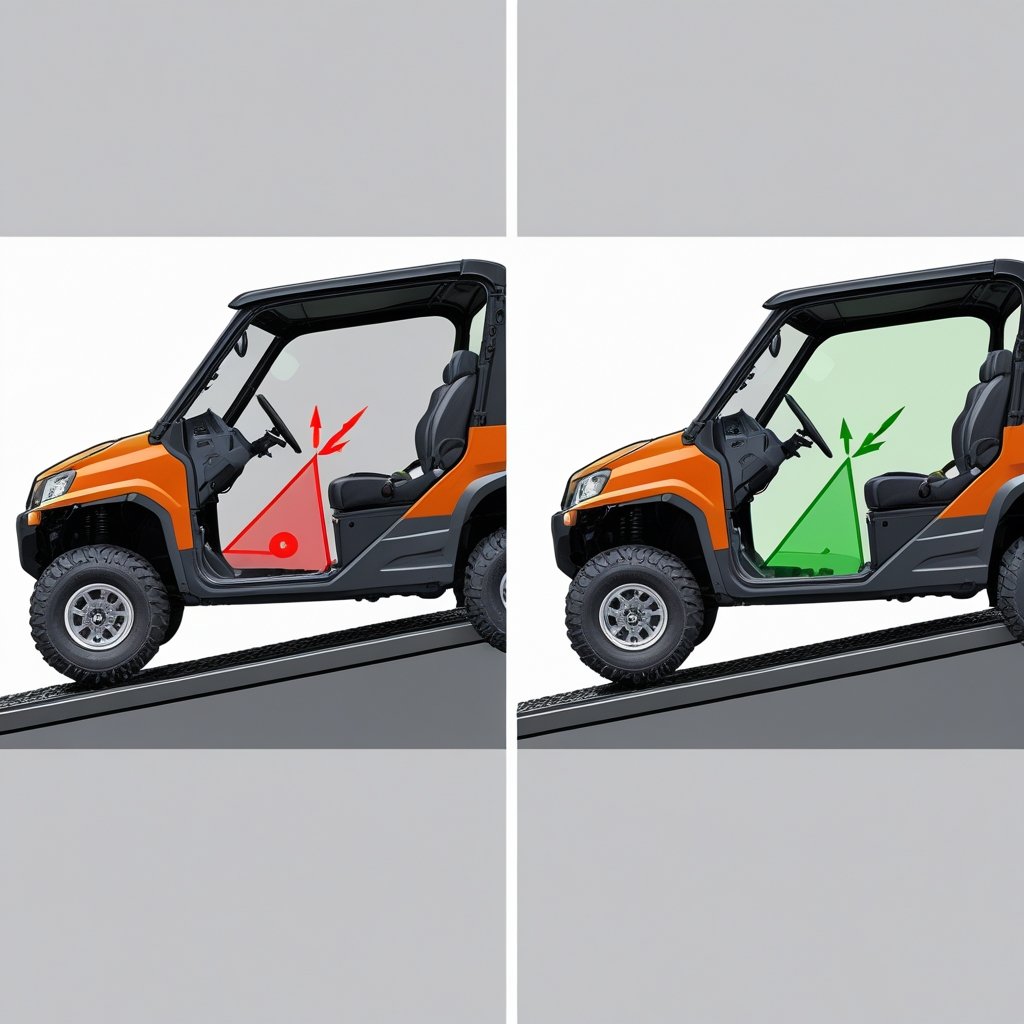
So, how does a UTV parking brake lock solve this problem? The engineering is elegantly simple yet remarkably effective. Instead of adding a complex new braking system or modifying your existing hydraulic circuits, these devices work by mechanically holding your UTV’s existing hydraulic service brakes—the ones you operate with the foot pedal—in the applied position. Think of it as a mechanical hand that keeps your foot on the brake pedal even after you have walked away from the machine.
When you engage a UTV parking brake lock, you are essentially locking the brake pedal down, which keeps hydraulic pressure applied to your brake calipers. This pressure clamps the brake pads firmly onto the rotors at all four wheels (or at least the rear wheels, depending on your UTV’s brake configuration). The vehicle is held stationary using the main braking system, completely bypassing the transmission’s park pawl and distributing the holding force across multiple brake components rather than concentrating it on a single pin.
The hydraulic system in your UTV is designed to handle far greater forces than the static load of parking on an incline. Your service brakes are engineered to stop a moving UTV traveling at 60+ mph, which generates exponentially more force and heat than simply holding it stationary. By leveraging this existing, robust system, a parking brake lock provides holding power that far exceeds what the park pawl can offer. This is the fundamental mechanical advantage that makes utv parking brakes so effective and reliable.
Additionally, because the brake lock uses your existing hydraulic system, there are no additional brake lines to install, no fluid to bleed, and no complex plumbing to maintain. The lock simply acts as a mechanical retention device for the pedal itself. This simplicity is what makes these systems so reliable—there are very few failure points, and the components are typically made from heavy-gauge steel that can withstand years of use in harsh off-road conditions.
Types of UTV Parking Brake Lock Systems
Check out our off-road collection Amazon products
SHOP THE COLLECTIONThere are two primary mechanisms used in modern UTV parking brake lock systems, each with distinct advantages depending on your riding style and preferences. Understanding the differences will help you choose the right system for your machine and your typical parking scenarios.
- Spring-Loaded Locks (e.g., Spring Brake Thingy): With these designs, you typically press the brake pedal down firmly with your foot, then use either your foot or sometimes a hand lever to engage a spring-loaded catch mechanism. This catch physically holds the pedal in the depressed position using spring tension and a mechanical detent. To release it, you usually just need to tap the brake pedal again slightly further, and the spring mechanism disengages automatically, allowing the pedal to return to its normal position. These are favored by riders who want quick, one-motion engagement and release without bending down.
- Lever/Cam Locks (e.g., SuperATV, UTV Inc): These types involve depressing the brake pedal and then manually flipping a lever or rotating a cam mechanism. This lever or cam physically blocks the brake pedal arm, preventing it from returning to its resting position. The mechanical interference is positive and unmistakable—you can see and feel that the lock is engaged. To release the brake, you manually disengage the lever or cam by pulling or rotating it back to the open position. Many riders prefer this style because the engagement is visually confirmable and feels more deliberate.
Both styles achieve the same fundamental goal: holding the service brakes engaged independently of the transmission. The choice between them often comes down to personal preference, the specific layout of your UTV’s pedal assembly, and whether you value speed of operation or positive visual confirmation. Some riders who frequently stop and start on trails prefer the spring-loaded design for its speed, while those who park for extended periods often prefer the lever/cam style for its robust, positive engagement.

Key Benefits of Installing a UTV Parking Brake Lock
The advantages of installing a UTV parking brake lock extend far beyond just preventing transmission strain. When you look at the full picture, this relatively inexpensive upgrade delivers value across multiple dimensions of ownership, safety, and operational convenience. Here are the primary benefits that make this one of the most recommended upgrades in the off-road community for 2026:
Recommended Insights From Our Guide Library:
- Spring Brake Thingy Review: The Ultimate UTV Parking Brake Solution – Pioneer Honda Lovers
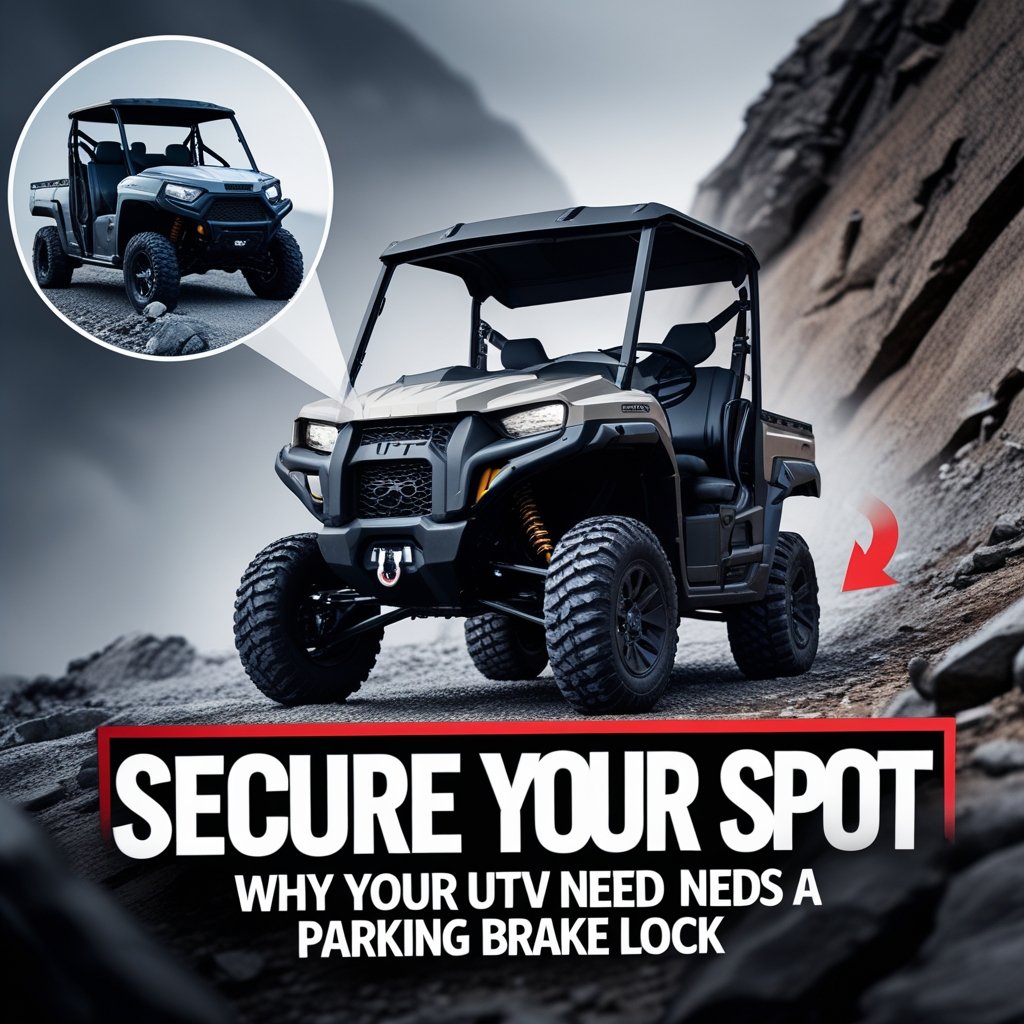
- Secure Your Spot: Why Your UTV Needs a Parking Brake Lock
- Master the Slope: Essential UTV Hill Parking Safety Guide – Pioneer Honda Lovers
- utv parking brake adjustment Archives – Pioneer Honda Lovers
- utv parking brake issues Archives – Pioneer Honda Lovers
- Transmission Protection: This is the number one reason most riders invest in a parking brake lock. By holding the vehicle with the hydraulic brakes, you eliminate virtually all stress on the park pawl, significantly extending the life of this critical transmission component. Over the lifespan of your UTV, this can save you thousands in potential transmission repairs and rebuilds.
- Enhanced Safety on Inclines: This is arguably just as important as transmission protection. A properly engaged brake lock provides a much more secure hold than the park pawl alone, drastically reducing the risk of your UTV rolling away unexpectedly when parked on slopes. This protects not only your machine but also other riders, pedestrians, and property in the vicinity.
- Loading and Unloading Security: Trying to winch your UTV onto a trailer or truck bed while it keeps trying to roll can be frustrating and genuinely dangerous. Engaging the UTV parking brake lock keeps the machine firmly planted and stable during loading and unloading operations, making the process safer and less stressful for everyone involved.
- Hauling Stability: While primary securing should always be done with robust tie-down straps, engaging the brake lock adds an extra layer of security, preventing the UTV from shifting or rolling slightly on the trailer during transport. This reduces wear on your tie-downs and gives you additional confidence during highway travel.
- Potential Theft Deterrence: Some lever/cam style locks include a hole designed to accept a padlock. While not a high-security solution against determined thieves, locking the brake pedal in the applied position makes it significantly harder for an opportunistic thief to simply roll your UTV away or push it onto a trailer. It adds a meaningful layer of deterrence at campsites and trailheads.
How to Choose the Right UTV Parking Brake Lock
When selecting a UTV parking brake lock for your specific machine, several critical factors will determine whether you get a product that works flawlessly or one that causes frustration. The market in 2026 offers more options than ever, but not all locks are created equal, and fitment is paramount.
- Mechanism Preference: Do you prefer the quick foot-tap release of a spring-loaded design, or the positive engagement feel of a manual lever/cam? Consider how you typically use your UTV. If you frequently stop and start on technical trails, a spring-loaded system might be more convenient. If you primarily park at campsites or scenic overlooks for extended periods, a lever/cam system might give you more confidence.
- Model-Specific Fitment: This is absolutely critical and cannot be overstated. UTV brake pedal assemblies, mounting points, firewall clearances, and frame geometries vary significantly between makes, models, and even production years. Do not assume a “universal” lock will fit your machine properly. Always purchase a UTV parking brake lock explicitly designed and confirmed to fit your specific make, model, and year. Forum discussions frequently highlight fitment issues with poorly designed or incorrectly listed products, so verify compatibility carefully before ordering.
- Material and Build Quality: Look for locks constructed from heavy-gauge steel—typically 3/16-inch or thicker—with robust pivots, reinforced mounting brackets, and precision-machined locking mechanisms. The device will be exposed to mud, water, dust, and vibration, so it needs to be built to withstand harsh conditions. Powder coating or zinc plating helps prevent rust and corrosion over time.
- Ease of Operation: Consider how easy the lock is to engage and disengage, especially when wearing riding boots that might be muddy, wet, or bulky. You should be able to operate it reliably without removing gloves or crouching awkwardly. Test the engagement mechanism mentally—can you do it quickly and confidently in low-light conditions or when you are tired after a long day on the trails?
- Padlock Compatibility: If the added theft deterrence is appealing for your use case, look for models specifically designed to accommodate a standard padlock. This feature is particularly valuable if you frequently leave your UTV unattended at remote trailheads, campsites, or work sites.
Step-by-Step Installation Guide for UTV Parking Brakes
One of the most appealing aspects of a UTV parking brake lock is how DIY-friendly the installation process typically is. Most riders with basic mechanical skills and a standard set of hand tools can complete the installation in under an hour. Here is a general step-by-step workflow that applies to most kits on the market:
- Step 1 — Gather Your Tools: Most installations require a basic socket set (metric and standard), combination wrenches, a torque wrench, penetrating oil for stubborn bolts, and possibly a power drill with metal bits if your specific kit requires new mounting holes. Have shop towels and safety glasses on hand as well.
- Step 2 — Identify Mounting Points: Consult your kit’s instructions to locate the designated mounting area near your existing brake pedal assembly. Most kits utilize existing factory bolts on the firewall or frame rail, which means no drilling is required. Some kits may require drilling one or two small pilot holes for additional bracket support.
- Step 3 — Remove Factory Hardware: Using the appropriate socket or wrench, carefully remove the factory bolt(s) that will be shared with the brake lock bracket. Apply penetrating oil if bolts are corroded or difficult to remove. Keep all factory hardware organized—you will be reusing most of it.
- Step 4 — Position the Lock Bracket: Align the brake lock mounting bracket with the existing bolt holes. Ensure the bracket is oriented correctly per the instructions and that the locking mechanism will have clear, unobstructed access to the brake pedal arm. Do not fully tighten any bolts yet.
- Step 5 — Test Fitment and Operation: Before tightening everything down, engage and disengage the lock mechanism several times to verify smooth operation. Confirm that the lock fully captures the brake pedal when engaged and releases cleanly without binding. Check that the brake pedal returns to its normal resting position when the lock is disengaged and that there is no interference with normal braking operation.
- Step 6 — Final Torque and Verification: Once you are satisfied with the fitment and operation, torque all mounting bolts to the manufacturer’s specifications. Re-test the lock engagement and release multiple times. Start the UTV, apply the brakes normally to verify full hydraulic function, then engage the lock and verify it holds the pedal securely. Take a short test drive and verify normal braking performance before relying on the lock for parking.
For a visual walkthrough of the installation process, check out this helpful demonstration:
Top UTV Parking Brake Lock Options for 2026
Several reputable brands offer quality parking brake locks that have proven themselves in real-world conditions across thousands of UTVs. Here are the most commonly recommended options in the off-road community for 2026. Always verify fitment for your specific make, model, and year before ordering:
- SuperATV Brake Lock: Widely available for Polaris RZR, Ranger, Can-Am Maverick, Defender, and Polaris General models. This system typically uses a robust lever/cam mechanism constructed from heavy-gauge steel with a powder-coated finish. Many models include padlock compatibility for added theft deterrence. SuperATV is known for strong customer support and detailed installation instructions. Be sure to order the correct part number for your specific machine, as fitment varies significantly between models.
- Spring Brake Thingy: Known for its innovative spring-loaded, foot-operated design that allows engagement and release without bending down. Compatible with popular models including the Polaris RZR, Honda Talon, Can-Am Maverick X3, and others. Many users find it very quick and intuitive to operate, making it ideal for riders who frequently stop and restart on technical trails. The spring mechanism is robust and has proven reliable over years of use in demanding conditions.
- UTV Inc Parking Brake Kit: Another well-regarded option, often featuring a lever/cam design similar to SuperATV but with some unique engineering touches. UTV Inc is known for quality fabrication and precise fitment for popular RZR models and other platforms. Their kits typically include all necessary hardware and detailed instructions.
- Scorpion LOK and HillBilly Brake: These brands also appear frequently in reviews and forum discussions, offering alternative designs or specialized features worth investigating. Some riders prefer these options for specific applications or unique pedal configurations where other brands may not fit as cleanly.
When researching options, consult your model-specific maintenance resources and owner forums for real-world fitment feedback from riders with the same UTV. Firsthand installation reports often reveal nuances that product listings do not mention, such as minor clearance issues or required modifications.
Maintenance and Troubleshooting Tips for UTV Parking Brakes
Once your UTV parking brake lock is installed, proper maintenance will ensure it continues to operate reliably for the life of your machine. While these systems are inherently low-maintenance due to their mechanical simplicity, a few periodic checks will prevent problems before they develop:
- Lubricate Pivot Points: Every few months or after particularly muddy or wet rides, apply a light coat of dry lubricant or silicone spray to the pivot points and moving parts of the lock mechanism. Avoid heavy grease, which attracts dirt and grit that can cause binding over time. Dry lubricants shed dust and remain effective in dirty environments.
- Inspect Mounting Hardware: Vibration from off-road riding can gradually loosen mounting bolts. During your regular pre-ride inspections, give the lock bracket a firm tug to verify it is still securely mounted. Re-torque any loose bolts to the manufacturer’s specifications.
- Check Brake Fluid Levels: Since the parking brake lock relies on your hydraulic brake system to hold the vehicle, maintaining proper brake fluid levels and condition is essential. Check your brake fluid reservoir regularly and flush the system per your manufacturer’s recommended intervals. Air in the brake lines or degraded fluid will reduce holding power.
- Verify Pedal Return: After disengaging the lock, confirm that the brake pedal returns fully to its resting position without sticking. A pedal that does not fully return can cause brake drag, premature pad wear, and overheated rotors. If you notice sticking, clean the pedal pivot and lock mechanism, and check for any debris or corrosion that may be causing interference.
- Test Holding Power Periodically: Every few months, park your UTV on a moderate incline, engage the lock, and exit the vehicle to verify it holds securely. This simple test confirms that the system is functioning as designed and gives you ongoing confidence in its reliability.
Check out our off-road collection Amazon products
SHOP THE COLLECTIONConclusion: Park Smarter, Protect Your Investment in 2026
Let’s face it—relying solely on that little park pawl inside your transmission to hold thousands of pounds of UTV on a hill is asking a lot of a small component that was never designed for that kind of sustained stress. It puts unnecessary strain on expensive drivetrain parts and introduces a genuine safety risk every time you walk away from your machine on an incline.
A UTV parking brake lock is one of the most sensible, cost-effective, and easy-to-install upgrades you can make to your machine in 2026. For a relatively small investment—typically well under $100—you gain significant peace of mind, protect your transmission from undue strain, enhance safety when parked on inclines, and make tasks like trailer loading much easier and safer.
Whether you choose a spring-loaded design for quick trail-side operation or a lever-style lock for positive visual confirmation, adding this simple mechanical device is a smart move for any UTV owner who frequently parks on uneven terrain or simply wants to safeguard their investment. The installation takes less than an hour with basic tools, and the benefits compound every single time you park your machine.
Do not wait for that sickening crunch of a failed park pawl or a terrifying roll-away incident to motivate you. Install a UTV parking brake lock today and park with absolute confidence, knowing your machine will be exactly where you left it when you return. Which parking brake lock system do you trust on your machine? Share your experiences, fitment tips, and recommendations in the comments below!
Community Reference & Authority Resources:
Park smarter, protect your investment, and ride with more confidence on every adventure.

- 【3-Second Bend-Free Installation】The innovative pedal brake lock can be installed in 3 seconds with one foot pressing + …
- 【Anti-destruction test certification】OPSOOPI anti-theft brake lock adopts thickened high-carbon stainless steel, which h…
- 【Red high-visibility deterrence】The unique red anti-theft lock body and high-visibility design effectively scare away th…

- Compatible With: The Polaris Parking Brake compatible with Polaris RZR all models, Polaris Ranger 800, Polaris Ranger Tu…
- Product Function: The Polaris Spring Brake will help when you’re parked on th hill or riding on the trailer or anything …
- High Quality: The Polaris parking brake kit made of high-quality materials, In particular, spring after quenching proces…

- Prevents Theft or Movement of Semi-Truck/Tractor
- Made in USA of Cast Aluminum
- Fits over trucks push pull valves in cab

- One of the few accessories designed to stop your ride from moving.The safety-first Locking Parking Brake Lever means it …

- 【Black & Red Lock】- This alarm disc lock set includes 2 pack disc brake lock, each set includes 1pcs alarm disc lock, 1p…
- 【Anti-theft Alarm Lock】- The alarm disc lock allows you to protect your beloved motorcycle or bicycle when parking outdo…
- 【Premium Quality & Waterproof】- The alarm disc lock adopts a high-grade heavy-duty steel body, which makes the alarm bra…
🔍 Explore More: See all guides for Honda Pioneer.