
- Comprehensiveness: Get ready for any off-road emergency with BUNKER INDUST comprehensive recovery kit. It includes every…
- Robust Recovery: Our Nylon 66 kinetic recovery rope, with 34,000 lbs breaking strength and 30% stretch, ensures smooth r…
- Reliable Attachment: Conquer any recovery challenge with our shackle hitch receiver and recovery ring. The heavy-duty hi…

- Upgraded Strength & Wide Compatibility – Built with a wider 1.26-inch design for superior durability, this kinetic rope …
- High-Elasticity Nylon Core for Smooth Recovery – Made from 12-strand torque-balanced nylon 66 with 30–35% stretch capaci…
- Includes 2 Heavy-Duty Soft Shackles – Each soft shackle is constructed from 12-strand UHMWPE fiber with a max breaking s…
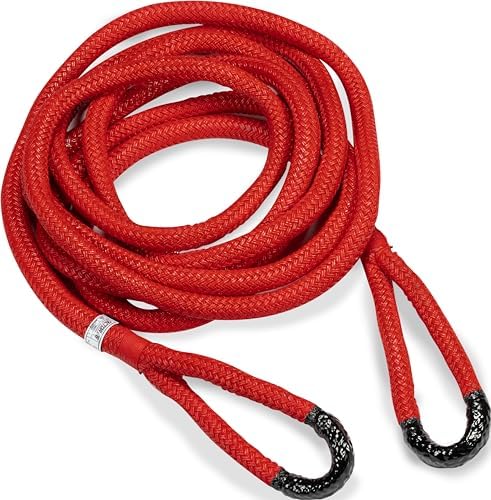
- Size: 1 inch diameter x 30 foot length; Designed for full-sized trucks and SUVs
- Minimum breaking strength: 33,500 lbs.; Working load limit: 6,700 lbs.
- Flexible, durable, weather-resistant polymeric coating
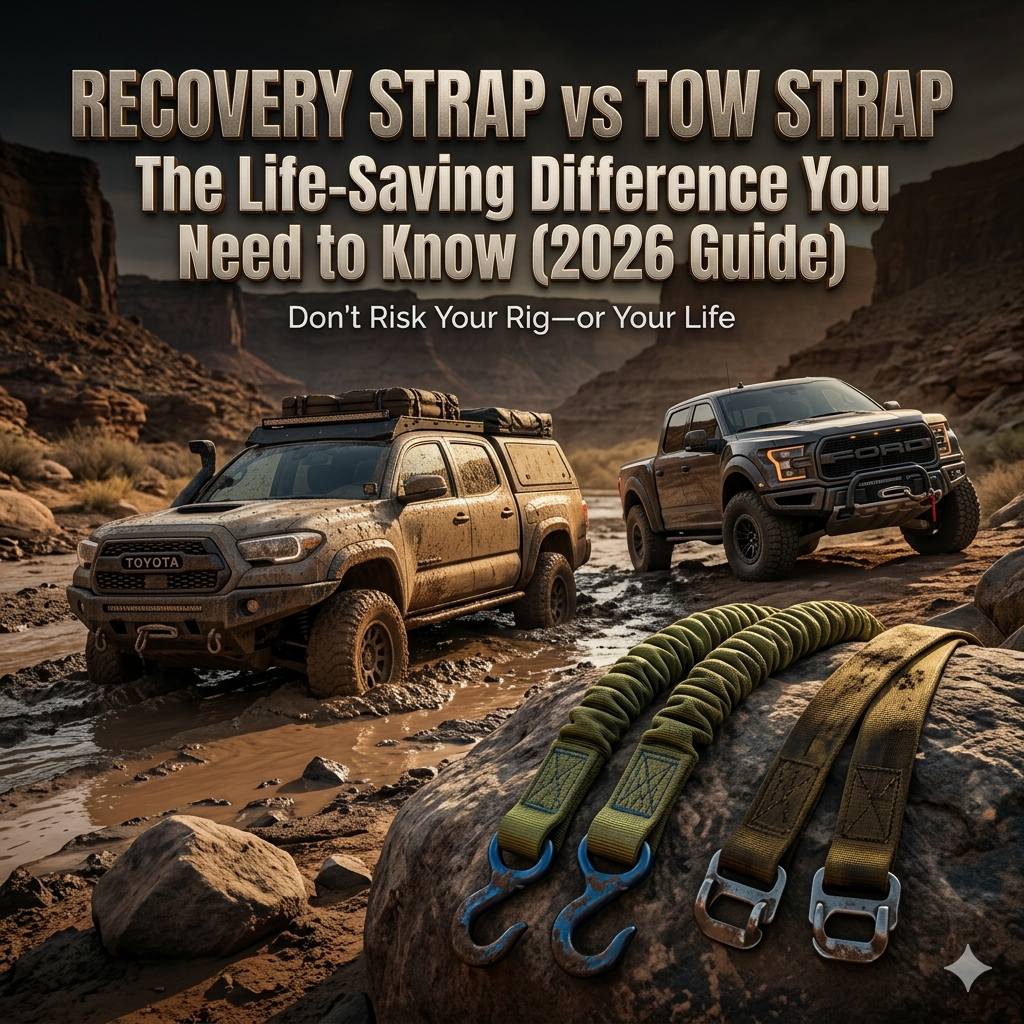
When it comes to the recovery strap vs tow strap difference, getting the right details matters. If you enjoy off-roading, camping, and pushing your UTV to the limit as much as we do, you know that getting stuck isn’t a matter of if, but when.
As we head further into 2026, the technology behind off-road recovery gear has evolved significantly, but one deadly misconception remains: thinking a tow strap and a recovery strap are the same thing. This confusion has led to countless equipment failures, vehicle damage, and even serious injuries on trails across the country.
They are not interchangeable.
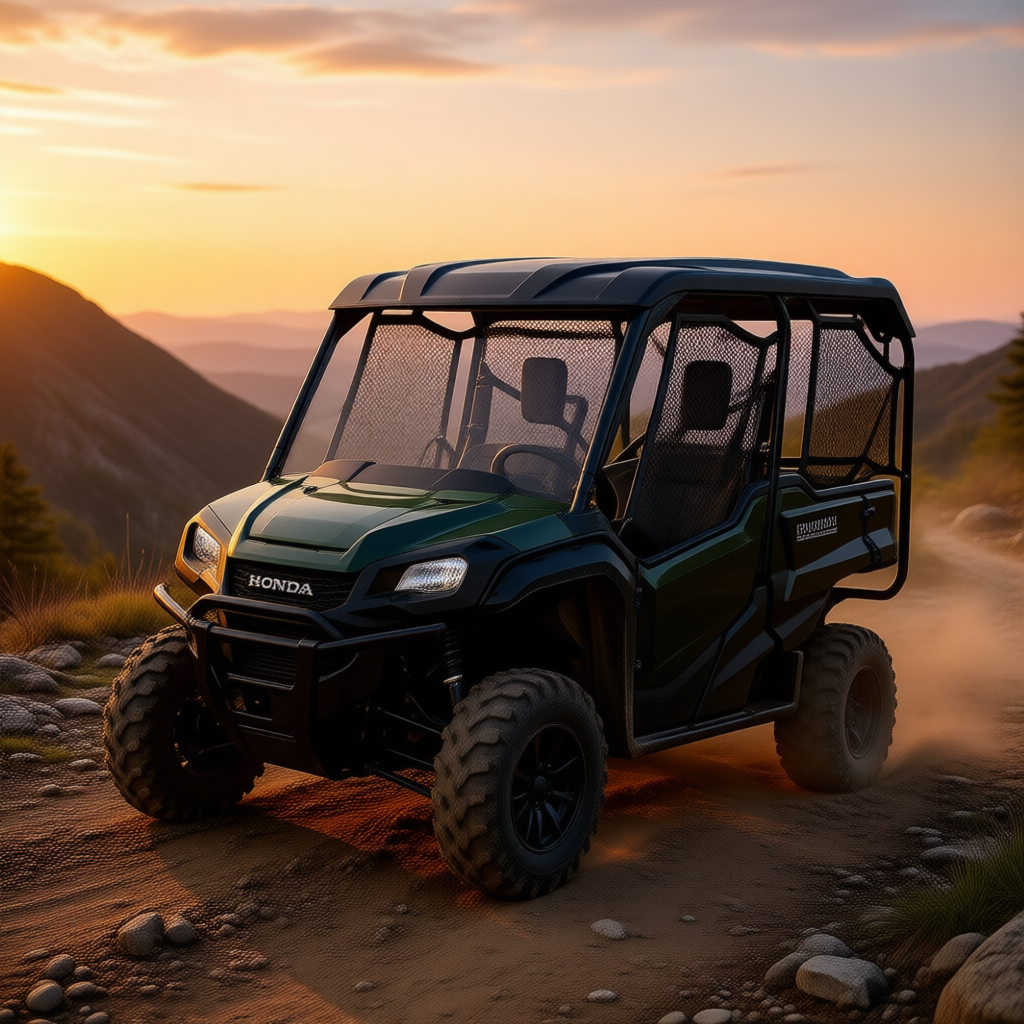
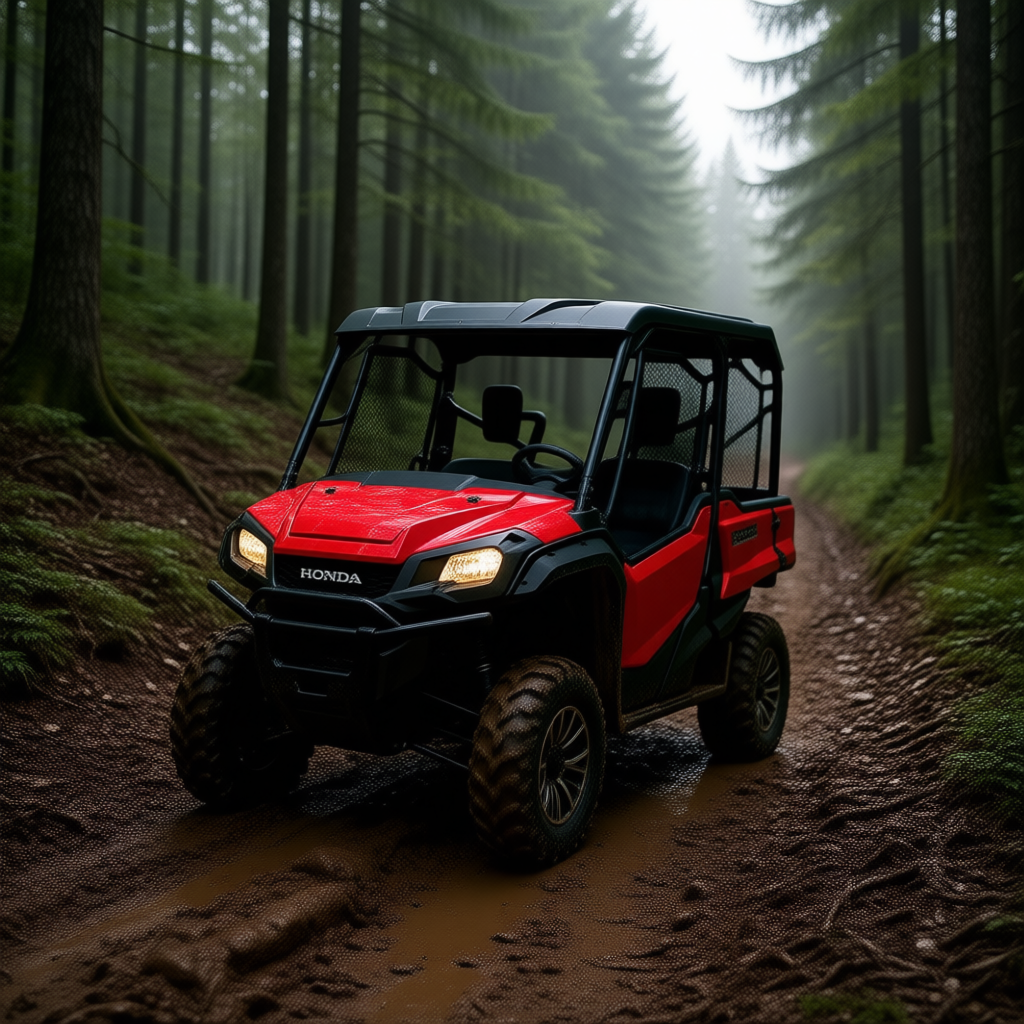
Using a static tow strap for a high-force mud extraction is one of the most dangerous mistakes an off-roader can make. The physics simply don’t work in your favor, and the consequences can be catastrophic. In this comprehensive guide, we’re diving deep into the recovery strap vs tow strap difference, breaking down the physics of kinetic energy, comparing modern alternatives like kinetic ropes, and showing you exactly what gear you need to keep in your Honda Pioneer or ATV for 2026.
“In off-roading, your gear is your lifeline. Cheap out on straps, and you pay with safety.”
The Core Difference: Elasticity vs. Static Strength
The fundamental difference between these two tools lies in their material composition and how they handle energy transfer during vehicle extraction. Understanding this distinction is critical for anyone who ventures off the beaten path, whether you’re tackling muddy trails in your Honda Pioneer 1000 or navigating sandy dunes in your Talon.
To put it simply: one is a rubber band, and the other is a seatbelt. This analogy perfectly captures the mechanical behavior of each tool under load. The recovery strap stretches and stores energy, while the tow strap remains rigid and transfers force directly. This difference in elasticity determines not only their effectiveness but also their safety profile in various recovery scenarios.
1. Recovery Straps (The “Rubber Band”)
A recovery strap (often called a snatch strap or kinetic rope) is made of nylon, specifically high-tenacity nylon 66 or similar variants engineered for maximum elasticity and durability. This material choice isn’t accidental—it’s the result of decades of off-road engineering refinement.
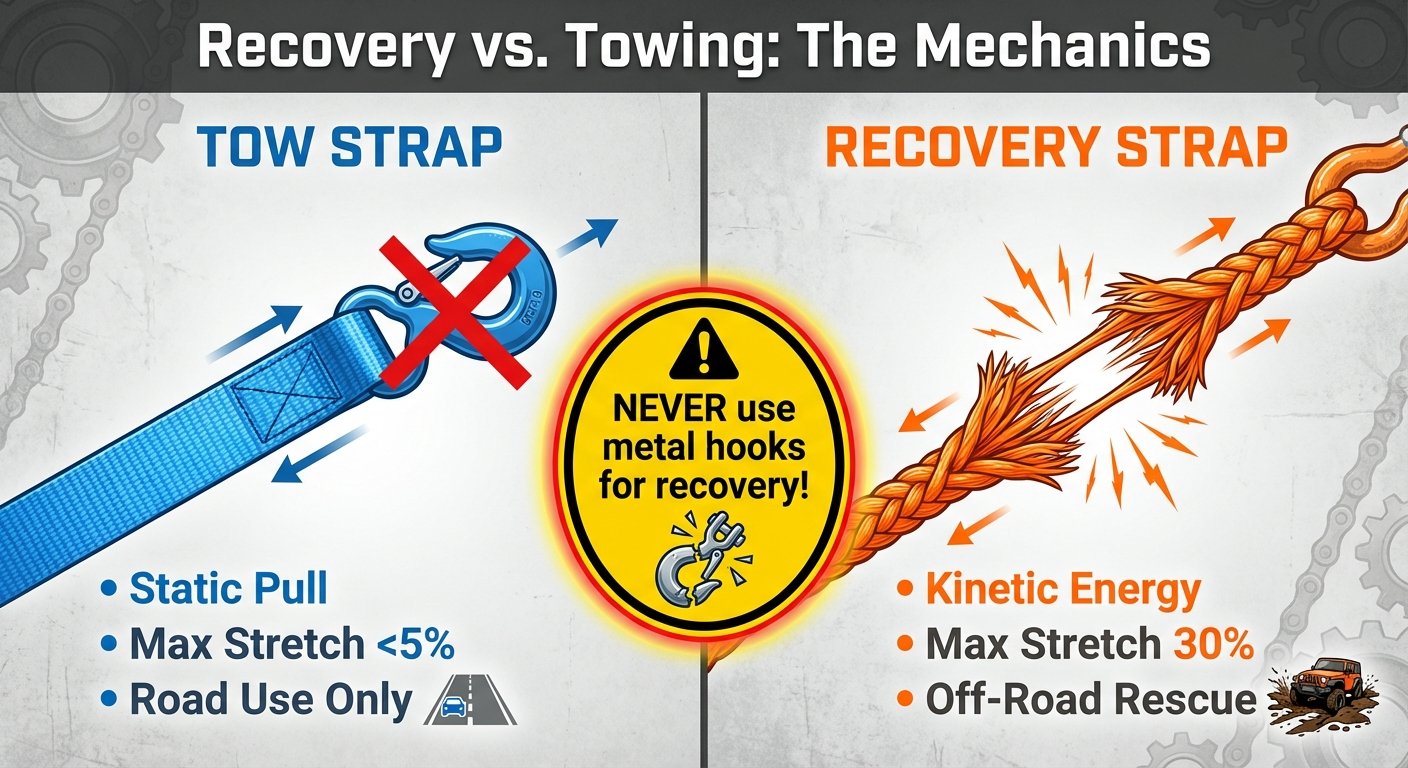
Nylon is naturally elastic. When you pull a vehicle out of a bog, the strap stretches—typically between 20% to 30% of its length. This stretch is critical because it builds up kinetic energy. The physics here are fascinating: as the recovery vehicle accelerates away from the stuck vehicle, the nylon strap elongates, storing potential energy much like a compressed spring or a drawn bowstring.
Check out our off-road collection Amazon products
As the recovery vehicle accelerates, the strap stretches, storing that energy like a loaded slingshot. When the strap attempts to retract to its original length, it transfers that smooth, powerful energy to the stuck vehicle, popping it out of the mud with a controlled, progressive force. This dynamic action is what makes recovery straps so effective in situations where vehicles are deeply embedded in soft terrain.
Smart Stat: Modern kinetic recovery ropes in 2026 can store up to 4x more potential energy than a standard steel cable, allowing for a smoother extraction that protects your chassis and drivetrain from shock loading.
2. Tow Straps (The “Seatbelt”)
A tow strap is made of polyester or polypropylene, materials specifically chosen for their minimal stretch characteristics and high tensile strength. These synthetic fibers are engineered to maintain dimensional stability under load, which is exactly what you want when towing a disabled vehicle on paved surfaces.
These materials have very low stretch—usually less than 5%. They are designed for a steady, static pull. Think of towing a broken-down car along a flat road; you want a consistent distance between the two vehicles, not a bouncing, stretching rope that could cause the towed vehicle to surge forward unpredictably.
The low-stretch nature of polyester tow straps makes them ideal for controlled, predictable towing operations where maintaining a fixed distance between vehicles is paramount. However, this same characteristic makes them completely unsuitable for dynamic recovery operations where shock absorption is necessary.
Warning: If you take a running start with a polyester tow strap, there is no stretch to absorb the shock. The immense force hits the mounting points instantly, often ripping off bumpers, breaking recovery points, or turning metal hooks into lethal projectiles that can cause serious injury or death.
Visual Breakdown: Strap Mechanics and Specifications
To make this crystal clear, we’ve broken down the specs in a comprehensive comparison table. This data reflects the latest 2026 safety standards and incorporates feedback from professional recovery operators and off-road safety organizations. Understanding these specifications will help you make informed decisions when purchasing recovery gear for your Honda Pioneer or other UTV.
| Feature | Recovery Strap (Kinetic) | Tow Strap (Static) |
|---|---|---|
| Material | Nylon 66 (High Stretch) | Polyester (Low Stretch) |
| Elasticity | 20% – 30% Stretch | Less than 5% Stretch |
| Best Use | Getting unstuck (Mud, Sand, Snow) | Towing on flat surfaces |
| Hooks? | NEVER (Loops only) | Often has metal hooks (Dangerous for recovery) |
| Method | Dynamic “Snatch” Pull | Slow, Static Pull |
| Breaking Strength | 7,000 – 40,000+ lbs | 10,000 – 30,000 lbs |
| UV Resistance | Moderate (requires protection) | High (inherently UV stable) |
The Metal Hook Danger Zone: Why Loops Are Safer
One of the easiest ways to spot a tow strap is the presence of heavy metal hooks on the ends. While convenient for hooking onto a disabled car on the highway, these hooks are deadly in off-road recovery situations. The combination of high tension, dynamic forces, and potential equipment failure creates a perfect storm for catastrophic accidents.
If a strap snaps under high tension (which happens frequently in mud recoveries), that metal hook accelerates at the speed of a bullet. The kinetic energy stored in the stretched strap is released instantaneously, converting the hook into a high-velocity projectile capable of penetrating vehicle panels, shattering windshields, or causing fatal injuries to bystanders.
Recent data from off-road safety groups in 2024 and 2025 highlights that equipment failure, specifically flying metal debris from failed hooks and clevises, remains a top cause of preventable injury on the trail. This has led to increased advocacy for soft shackle systems and loop-only recovery straps.
Always use straps with closed loops and connect them using rated D-rings or, even better, modern soft shackles made from high-modulus polyethylene (HMPE) fibers like Dyneema or Spectra. These soft shackles offer equivalent strength to steel but weigh a fraction as much and pose minimal danger if they fail.
Check out our off-road collection Amazon products
SHOP THE COLLECTIONKinetic Rope vs Tow Strap: Which Handles Extreme Conditions?
When comparing kinetic rope vs tow strap performance in extreme conditions, the differences become even more pronounced. Kinetic ropes, which are essentially round, braided versions of recovery straps, have gained tremendous popularity in 2026 due to their superior handling characteristics and energy storage capabilities.
Kinetic ropes typically feature a braided nylon construction with a protective outer sheath that resists abrasion and UV damage. Their round profile makes them easier to handle, less prone to twisting, and more compatible with modern soft shackle systems. In deep mud extractions where vehicles are buried to their axles, kinetic ropes consistently outperform traditional flat recovery straps.
The round construction also allows for more uniform stress distribution across the rope’s cross-section, reducing the likelihood of localized failure points. For Honda Pioneer owners who frequently tackle challenging terrain, investing in a quality kinetic rope rated for 2-3 times your vehicle’s gross weight is a smart decision that will serve you well for years.
Tow Strap vs Winch: When to Use Each Recovery Method
The debate between tow strap vs winch operations comes down to speed, accessibility, and the specific recovery scenario you’re facing. Winches offer precise, controlled pulling power and can extract vehicles from situations where no other recovery vehicle is available, but they’re slow and require proper anchoring.
A quality winch can pull 8,000-12,000 pounds continuously, making it ideal for self-recovery when you’re alone on the trail. However, winch operations can take 15-30 minutes or more, especially if you need to set up pulley systems for mechanical advantage. In contrast, a kinetic recovery strap operation with a second vehicle can extract a stuck UTV in under 60 seconds.
The ideal setup for serious off-roaders in 2026 includes both systems: a front-mounted winch for self-recovery and precise positioning, plus a kinetic recovery rope for quick extractions when riding with partners. This dual-system approach ensures you’re prepared for any situation, whether you’re solo or with a group.
Tow Rope vs Tow Strap: Understanding the Terminology
The terms tow rope vs tow strap are often used interchangeably, but there are subtle differences worth understanding. Traditional tow ropes were made from natural fibers like manila or sisal, but modern versions use synthetic materials like polypropylene or polyester in a braided rope construction.
Tow straps, as we’ve discussed, are typically flat, woven polyester webbing. The flat profile makes them easier to store, less likely to twist, and more resistant to abrasion against vehicle surfaces. However, round tow ropes can be easier to knot and may offer slightly better flexibility in tight spaces.
For most UTV and off-road applications in 2026, flat tow straps are preferred due to their superior abrasion resistance and predictable handling characteristics. However, the most important factor isn’t the shape—it’s the material and intended use. Whether rope or strap, if it’s made from low-stretch polyester, it’s for towing only, never for dynamic recovery.
Recommended Insights From Our Guide Library:
- Recovery Strap vs Tow Strap Guide 2026 – Pioneer Honda Lovers
- recovery strap vs tow strap difference Archives – Pioneer Honda Lovers
- kinetic recovery rope vs tow strap explained Archives – Pioneer Honda Lovers
- Recovery Strap vs Tow Strap Guide 2026 Archives – Pioneer Honda Lovers
- tow strap vs snatch strap comparison explained Archives – Pioneer Honda Lovers
Recovery Rope vs Strap: Material Science Deep Dive
When examining recovery rope vs strap construction, we’re really looking at form factor rather than fundamental material differences. Both recovery ropes and recovery straps are made from elastic nylon, but their construction methods affect their performance characteristics.
Flat recovery straps use a woven webbing construction that distributes load across a wide surface area. This makes them excellent for vehicle-to-vehicle connections where the attachment points are wide and flat. However, they can be prone to edge damage if they rub against sharp corners or rocks during recovery operations.
Recovery ropes use a braided construction with a load-bearing core and protective outer sheath. This design offers better abrasion resistance, easier handling, and more uniform stretch characteristics. For Honda Pioneer owners who frequently recover vehicles from rocky terrain or tight spaces, recovery ropes often provide superior durability and ease of use compared to flat straps.
Tow Strap Breaking Strength: What You Need to Know
Understanding tow strap breaking strength is crucial for safe operations, but it’s equally important to understand that breaking strength isn’t the only factor that matters. A strap rated for 20,000 pounds might seem adequate for a 1,700-pound Honda Pioneer, but dynamic forces during recovery can multiply loads by 3-4 times or more.
For safe recovery operations, industry experts recommend using straps rated for at least 2-3 times the gross vehicle weight (GVW) of the heaviest vehicle involved. For a fully loaded Honda Pioneer 1000 with gear, passengers, and accessories, this means selecting recovery straps rated for 15,000-20,000 pounds minimum.
However, breaking strength ratings assume perfect conditions—no UV degradation, no abrasion damage, no chemical exposure, and proper attachment methods. In real-world trail conditions, straps can lose 20-40% of their rated strength due to environmental factors and wear. This is why regular inspection and timely replacement are critical safety practices.
What to Buy for Your UTV in 2026?
If you’re outfitting your Honda Pioneer, Talon, or any other UTV, you need to be specific about your gear selection. The recovery equipment you choose should match your typical riding conditions, vehicle weight, and the types of situations you’re likely to encounter on the trail.
Check out our off-road collection Amazon products
For general trail riding where you might get high-centered or stuck in a mud hole, a Kinetic Recovery Rope is your best friend. Look for a rope rated for at least 2-3 times the Gross Vehicle Weight (GVW) of your rig. For a Honda Pioneer 1000, which has a curb weight of around 1,700 lbs plus gear, a rope rated for 8,000 to 10,000 lbs is ideal for most situations.
However, don’t throw away your tow strap. If your engine dies and you need to be towed 5 miles back to the trailhead, a kinetic rope will bounce and drag on the ground, damaging it and creating an unsafe towing situation. A polyester tow strap is perfect for this specific “limp home” scenario where you need stable, predictable towing over distance.
Pro Tip: Many experienced off-roaders in 2026 carry both a kinetic recovery rope for extractions and a dedicated tow strap for flat-surface towing. This dual-gear approach ensures you’re prepared for any situation without compromising safety or equipment longevity.
Expert Tips for a Safe Recovery Operation
When you’re deep in the woods and facing a recovery situation, safety must be your absolute priority. The following expert tips have been refined through decades of off-road experience and represent current best practices for 2026:
- Dampen the Line: Always place a winch damper, heavy jacket, or floor mat over the center of the strap. If it snaps, this weight helps drive the strap to the ground rather than through a windshield or into bystanders. This simple practice has prevented countless serious injuries.
- Inspect Before Use: 2026 sunlight is just as damaging as ever. Check your straps for UV fading, fraying, cuts, or embedded debris before every trip. Look for broken stitches, distorted loops, or any signs of chemical damage. If in doubt, replace it—your safety is worth more than the cost of a new strap.
- Communication is Key: Agree on hand signals or radio channels before you start pulling. Both drivers need to understand the recovery plan, including which direction to pull, when to accelerate, and emergency stop signals. Miscommunication during recovery operations is a leading cause of accidents.
- Clear the Area: Ensure all bystanders are well outside the “radius of death” (the length of the strap in all directions). This means everyone should be at least 1.5 times the strap length away from the recovery operation. Spectators should be behind vehicles, never in line with the strap.
- Use Proper Attachment Points: Never attach recovery straps to bumpers, suspension components, or any part not specifically rated for recovery loads. Use factory-installed recovery points or aftermarket solutions rated for your vehicle’s weight class.
Frequently Asked Questions About Recovery and Tow Straps
What is the main difference between a recovery strap and a tow strap?
The main difference is elasticity. Recovery straps are made from elastic nylon that stretches 20-30% to store kinetic energy for dynamic extractions, while tow straps are made from low-stretch polyester (less than 5% stretch) designed for stable, static towing on flat surfaces.
Can I use a tow strap for vehicle recovery?
No, you should never use a tow strap for dynamic vehicle recovery. Tow straps lack the elasticity needed to absorb shock loads, which can cause equipment failure, vehicle damage, or serious injury. Always use a proper recovery strap or kinetic rope for extractions.
What size recovery strap do I need for my Honda Pioneer?
For a Honda Pioneer 1000 (approximately 1,700 lbs curb weight), you need a recovery strap rated for at least 8,000-10,000 pounds. The general rule is 2-3 times your vehicle’s gross weight to account for dynamic forces during recovery operations.
Are kinetic ropes better than flat recovery straps?
Kinetic ropes offer several advantages over flat recovery straps, including better abrasion resistance, easier handling, and more uniform stretch characteristics. However, both are effective when properly rated and maintained. The choice often comes down to personal preference and specific use cases.
How often should I replace my recovery strap?
Replace your recovery strap if you notice UV fading, fraying, cuts, broken stitches, or if it’s been subjected to a severe shock load. Most manufacturers recommend replacement every 3-5 years with regular use, even if no visible damage is present, due to cumulative UV and environmental degradation.
Check out our off-road collection Amazon products
SHOP THE COLLECTIONWhy are metal hooks dangerous on recovery straps?
Metal hooks can become lethal projectiles if a strap fails under tension. The stored kinetic energy accelerates the hook at high velocity, capable of penetrating vehicle panels or causing fatal injuries. Always use loop-only straps with soft shackles or rated D-rings for recovery operations.
Conclusion: Making the Right Choice for Trail Safety
Understanding the recovery strap vs tow strap difference is one of the first things any serious off-roader should master. It saves your transmission, your frame, and potentially your life. The physics are clear, the safety data is compelling, and the right gear choices make all the difference between a successful recovery and a trail tragedy.
As you prepare for your 2026 off-road adventures in your Honda Pioneer or other UTV, take inventory of your recovery gear. Ensure you have the right tools for the job: kinetic recovery ropes for extractions, tow straps for flat-surface towing, soft shackles for safe connections, and the knowledge to use them properly.
“The right gear makes a hard day on the trail a good story. The wrong gear makes it a tragedy.”
For more detailed guides on gearing up your Honda, check out the Official Honda Powersports site or read safety reports from the NHTSA. You can also find great resources at RealTruck, Rhino USA, and Factor 55 for top-tier recovery gear that meets 2026 safety standards.
🔍 Explore More: See all Wild Testing guides for recovery strap vs tow strap difference.
Check out our off-road collection Amazon products
Community Reference & Authority Resources:

- PREMIUM MATERIAL AND CONSTRUCTION – Made from 12 strands of Ultra-High Molecular Weight Polyethylene (UHMWPE) synthetic …
- EXCEPTIONAL BREAKING STRENGTH – With a size of 1/2 Inch x 22 Inch, this soft shackle recovery product offers an impressi…
- EASY AND SECURE OPERATION – Designed with a simple loop and tightening mechanism, our soft shackles can be quickly and s…
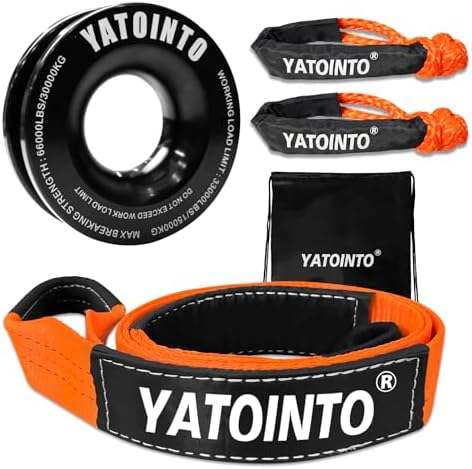
- 【Off Road Recovery Kit】The recovery kit includes Tree Saver Winch Strap 3IN x 8FT, 2pcs Soft Shackles 1/2″x22″, Snatch B…
- 【Recovery Shackle】The shackles for towing is flexible, safe and durable. Made of synthetic fiber, it is lighter and soft…
- 【Tree Saver】This winch strap can be used as a recovery strap, backup tow strap, snatch strap, recovery rope extension st…
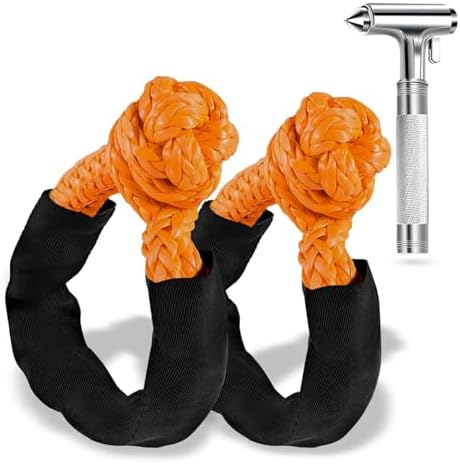
- High Strength Soft Shackle – 56,000 lbs Rated Capacity Constructed from 12-strand UHMWPE synthetic fiber, this shackle p…
- Bonus Heavy-Duty Metal Hammer Includes a weighted, ergonomic all-metal escape hammer featuring a tungsten tip and seatbe…
- Safer & Lighter Alternative to Steel Soft construction helps reduce scratching on recovery points and bumpers. The synth…
🔍 Explore More: See all guides for Honda Pioneer.