When it comes to suzuki eiger 400 flywheel magnet issues, getting the right details matters. ⚡️ Product Suggestions for Peak Performance & Maintenance 🛠️
Looking to keep your off-road machine in top shape or tackle common issues? Consider these essential items for your toolbox:
Magnetic Pickup Tool: Ideal for retrieving dropped bolts or stray metal fragments during intricate repairs.🔍
High-Temperature Epoxy: For securing components, ensuring long-lasting repairs against heat and vibration.🔥
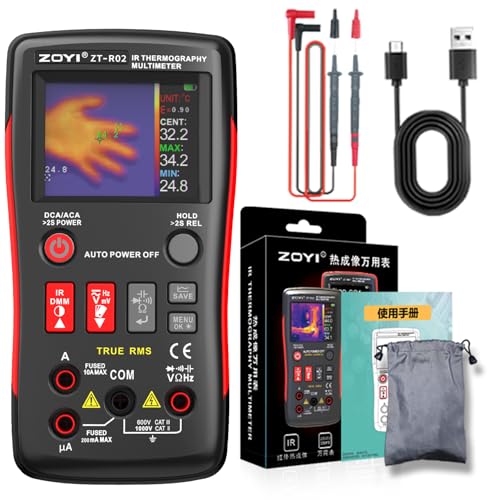
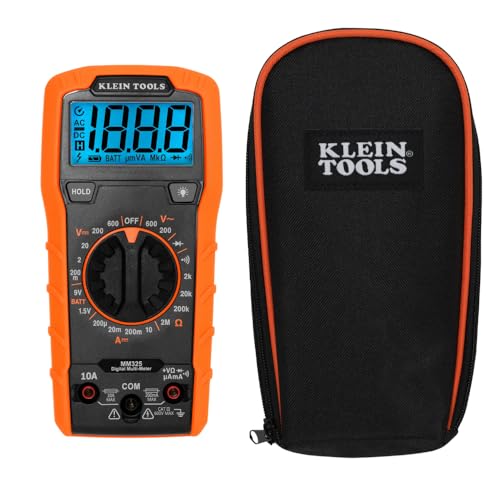
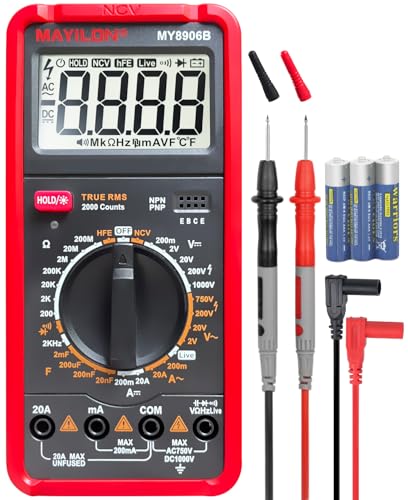
Advanced Multimeter: Crucial for diagnosing electrical issues and maintaining your ATV’s charging system.💡
Off-road enthusiasts, we all crave reliability and exhilarating adventures on the trails. While our Honda Pioneer machines are renowned for their legendary dependability, understanding potential pitfalls in other off-road vehicles can significantly sharpen our diagnostic skills and preventative maintenance strategies. Today, we’re diving deep into a historically notorious issue that plagued many Suzuki Eiger 400 ATVs: the infamous flywheel magnet failure. 🚜
The Silent Saboteur: Unpacking the Suzuki Eiger 400 Flywheel Magnet Problem
Imagine cruising along, enjoying the roar of your engine, when suddenly your ATV sputters, coughs, and rolls to a halt. No fuel issues, but no spark either. This terrifying scenario was a harsh reality for many owners of Suzuki Eiger 400 (model years 2002-2007) and its Arctic Cat 400 counterparts (2003-2008), which shared a similar engine design.
“Electrical problems are often more elusive than a hole in the engine case, leaving riders stranded and scratching their heads.”
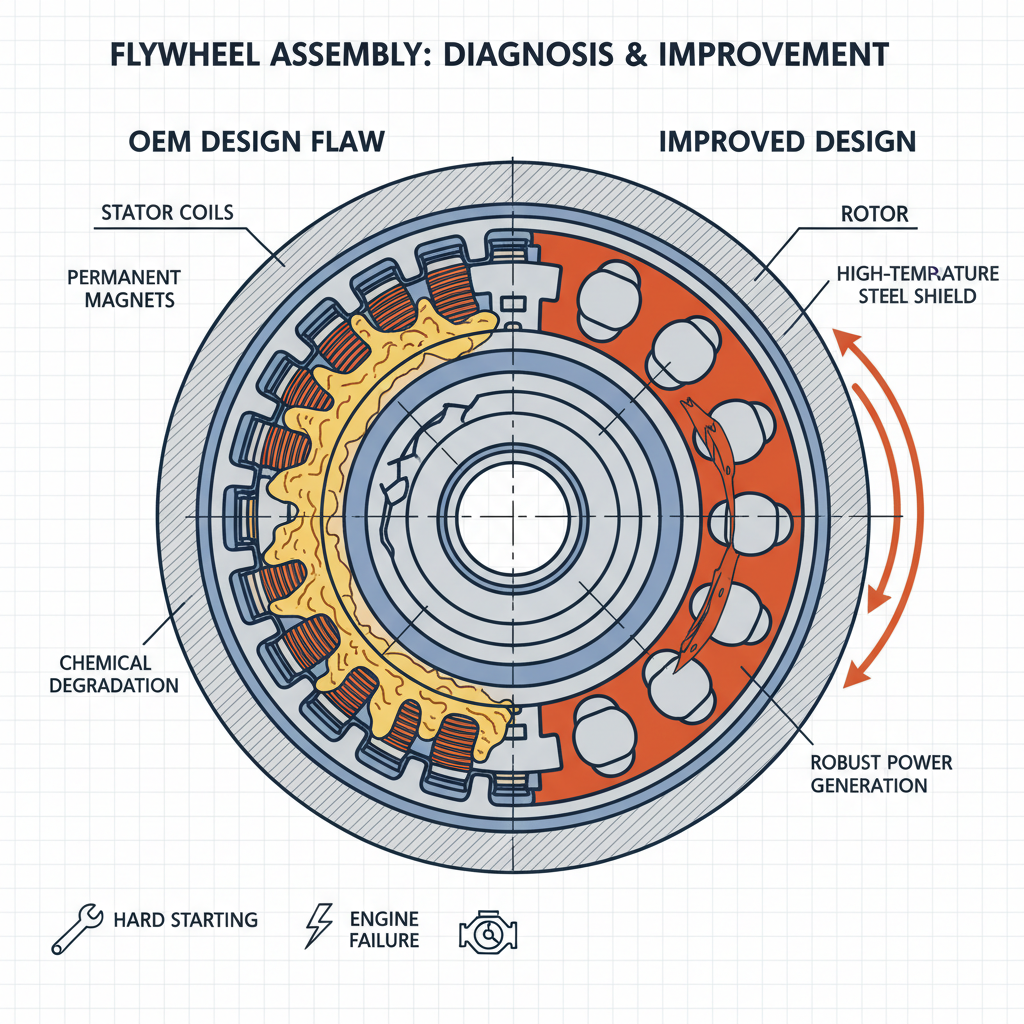
The core of the problem lay within the ATV’s charging system, specifically the flywheel. The magnets inside the original equipment manufacturer (OEM) flywheel were secured with an epoxy that, over time, proved susceptible to degradation. The additives in motor oil would slowly attack and dissolve this epoxy, causing the magnets to detach from their housing.
When these magnets came loose, chaos ensued inside the engine. They would scatter, often making catastrophic contact with the stator, pickup coils, or other vital internal components, leading to severe damage. Many riders reported a distinct “metal clank” sound right before total failure.
Check out our off-road collection Amazon products
Symptoms and the Catastrophic Fallout 💥
The first signs of this impending disaster often included erratic electrical behavior. Riders might experience intermittent stalling, a hard-to-start ATV, especially when cold, or a complete loss of spark. The ATV’s charging system could also show signs of distress, with fluctuating voltage readings.
Unfortunately, the damage wasn’t always limited to just the flywheel. Once a magnet broke free, it could act like shrapnel, tearing through the stator windings and potentially damaging the crankshaft. This kind of internal engine destruction could quickly turn a simple repair into a major, costly overhaul.
Dealership estimates for repairing this specific failure often exceeded $500 in parts alone for OEM replacements, and sadly, manufacturers typically did not provide warranty coverage for this known defect.
https://www.youtube.com/watch?v=R9K_M_Y6Q1o
Modern Solutions and Preventative Wisdom 💡
Thankfully, the off-road community and aftermarket innovators didn’t stand idly by. Companies like RMSTATOR stepped up, designing improved replacement flywheels that offer a permanent solution to this manufacturing flaw.
These upgraded flywheels feature magnets that are securely encased and sealed within the flywheel body, often with superior, high-temperature epoxy, eliminating the risk of detachment. Some designs even incorporate a steel shield to prevent contact with the stator, should a magnet somehow come loose.
The availability of these heavy-duty aftermarket options means that owners facing this issue today have far better and more reliable repair choices than simply replacing failed OEM parts with identical designs.
“Investing in an upgraded flywheel is not just a repair; it’s a proactive measure to safeguard your ATV’s electrical heart.”
It’s important to note that while this specific issue primarily affected certain Suzuki Eiger and Arctic Cat models, the underlying principle of vigilance regarding your ATV’s electrical and charging system applies to all off-road vehicles, including our beloved Honda Pioneers. Regular inspection and understanding how your system works are paramount.
| Issue Component | OEM Design Flaw | Improved Aftermarket Solution |
|---|---|---|
| Magnet Adhesion | Weak epoxy, susceptible to oil additives. | High-temperature, reinforced epoxy or sealed encasement. |
| Magnet Retention | Magnets prone to detaching and scattering. | Magnets securely fixed, often with a protective shield. |
| Risk of Stator Damage | High risk of catastrophic damage. | Significantly reduced or eliminated. |
| Cost of Repair (Parts) | Often over $500 for OEM. | Typically half the OEM price with improved reliability. |
Key Takeaways for Every Off-Roader 📌
Even if you ride a Honda Pioneer, a brand synonymous with robust engineering, learning from issues like the Suzuki Eiger flywheel problem is invaluable. It reinforces the importance of several best practices:
- 💡 Regular Electrical System Checks: Periodically test your battery voltage and charging system output. A multimeter is your best friend here!
- 🛢️ Quality Oil Matters: While not all oils cause this specific magnet issue, using high-quality, manufacturer-recommended oils helps preserve engine components and seals.
- 👂 Listen to Your Machine: Unusual noises, especially metallic clanks from the engine side, should never be ignored.
- 🔧 Don’t Skimp on Repairs: Opt for proven, upgraded aftermarket parts when known design flaws exist, rather than cheap, temporary fixes. Repairing with marine epoxy, for instance, can cause immediate and long-term reliability issues.
- 📚 Stay Informed: Keep an eye on forum discussions and service bulletins for your specific model, as early detection can save you from costly breakdowns.
https://www.youtube.com/watch?v=nO3_s7gE1xQ
Check out our off-road collection Amazon products
The lessons from the Suzuki Eiger 400 flywheel issue are a testament to the evolving nature of ATV engineering and maintenance. While a common problem for older models, the availability of robust solutions means these machines can still enjoy a long life on the trails. For Honda Pioneer owners, this saga serves as a powerful reminder of why diligent maintenance and informed parts choices are crucial for uninterrupted off-road adventures. Keep those wheels spinning and those electrical systems humming! 🌟
Modern RMSTATOR heavy-duty flywheel rotors are designed to be a well-priced solution, correcting the problem permanently for often half the OEM price, and are a sound investment even as a preventative measure.
https://www.youtube.com/watch?v=S3058Dk6XW0
For more detailed technical insights and repair guides, explore these resources:
RMSTATOR Improved Flywheel Solutions
ATVIllustrated: Suzuki Flywheel Fix
YouTube: Suzuki Eiger 400 Flywheel Replacement (April 2024)
YouTube: ATV Hard to Start When Cold // Suzuki Eiger 400 Flywheel Magnets Loose (Dec 2020)
Explore Honda Off-Road Vehicles
🔍 Explore More: See all Wild Testing guides for suzuki eiger 400 flywheel magnet issues.
Check out our off-road collection Amazon products
- High Temperature Resistant – PET material with strong adhesive withstands heat during curing without warping or melting….
- Residue-Free Removal – Ealyder Tape resin tape is easy to peel off. Leaves no sticky residue after peeling, helping keep…
- Excellent Adhesion – Sticks well to silicone, plastic, wood, and other surfaces, keeping resin in place without leaking.

- TRUE DEEP POUR: Experience the ease of 2-4 inch pours with our advanced Liquid Glass Deep Pour Epoxy. Perfect for river …
- UNMATCHED DURABILITY: Crafted to endure, Superclear 2.0 sets the standard for strength. Its rock-hard curing provides ex…
- BUBBLE-LESS TECHNOLOGY: Say goodbye to imperfections with our low viscosity Liquid Glass Epoxy. Its unique formulation a…
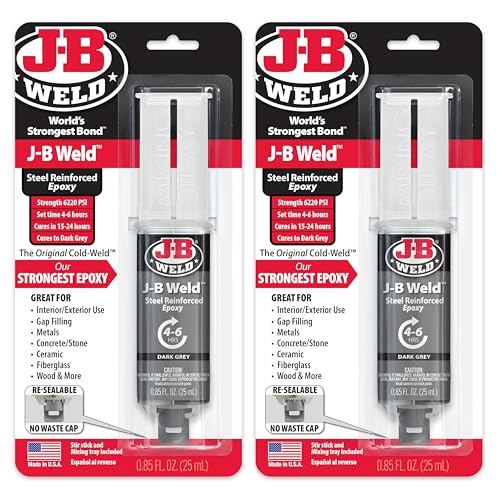
- J-B Weld is The Original Cold-Weld two-part epoxy system that provides strong, lasting repairs to metal and multiple sur…
- CURE AND SET TIME: J-B Weld Original High-Strength Syringe sets in 4-6 hours and cures in 15 hours.
- STRENGTH: J-B Weld Original Syringe has tensile strength of 5020 PSI.