Introduction to the Honda Pioneer UTV Lineup
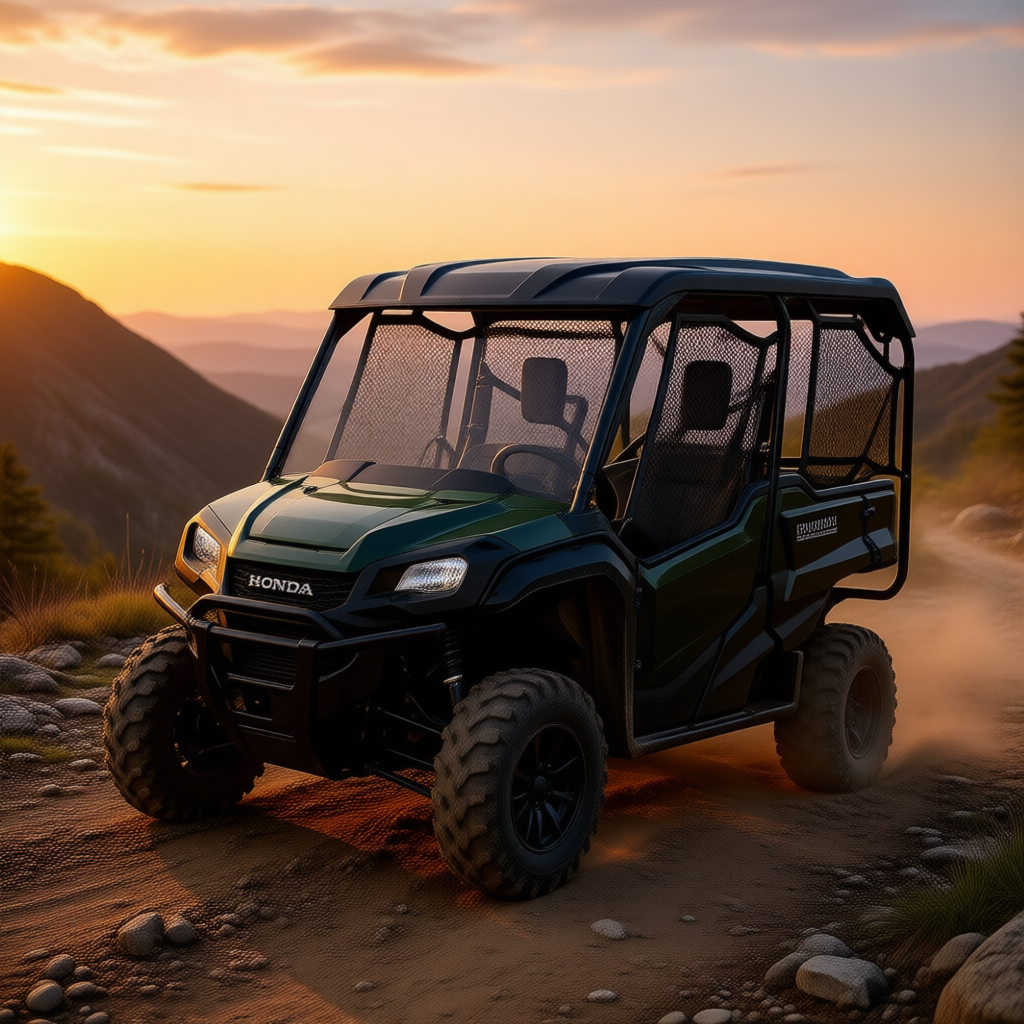
When it comes to conquering rugged trails, managing heavy workloads on the farm, or simply enjoying a weekend adventure with the whole family, the pioneer utv stands in a league of its own. Honda has long been synonymous with reliability, engineering excellence, and unmatched durability in the powersports industry. For those who need extra seating capacity without sacrificing performance, a four-seat side-by-side is the ultimate solution. In this comprehensive 2026 guide, we will explore everything you need to know about the four-seat Honda Pioneer lineup, with a special focus on the flagship models that continue to dominate the off-road market.
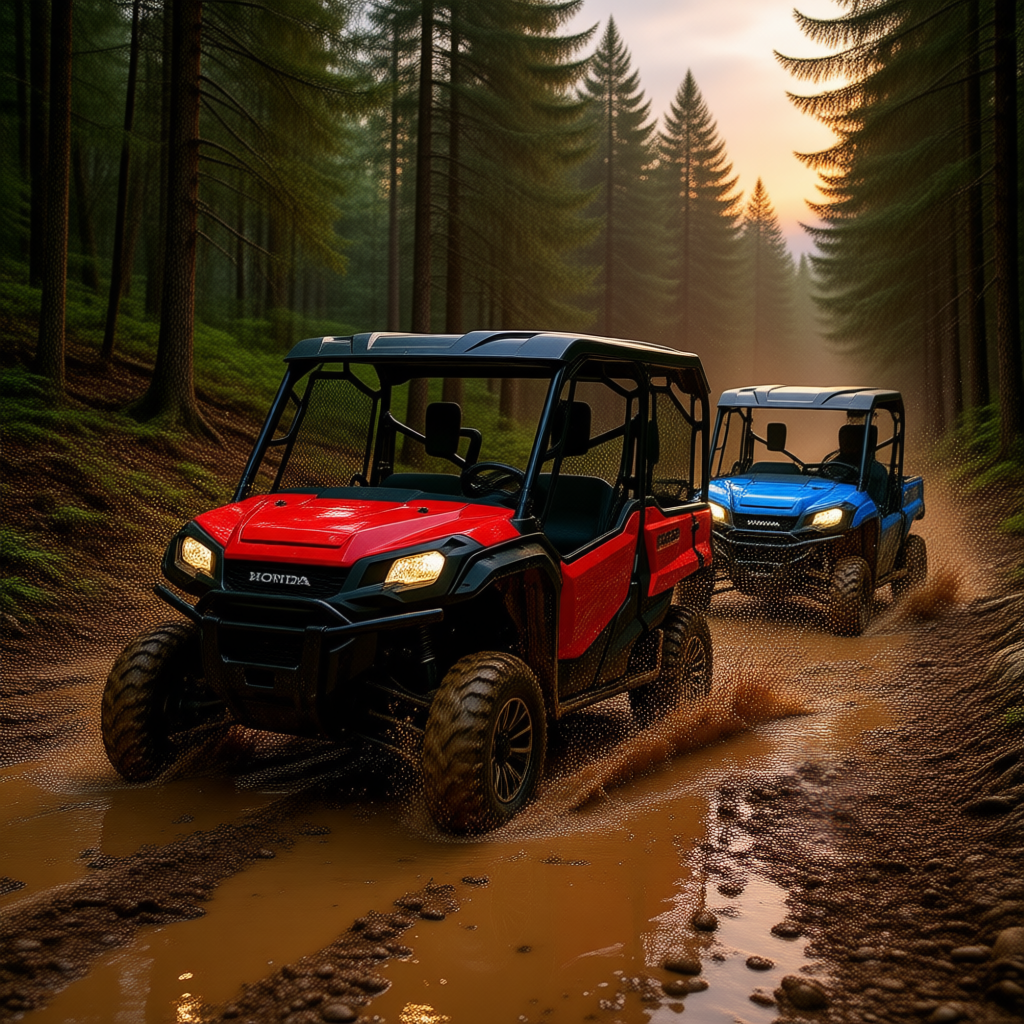
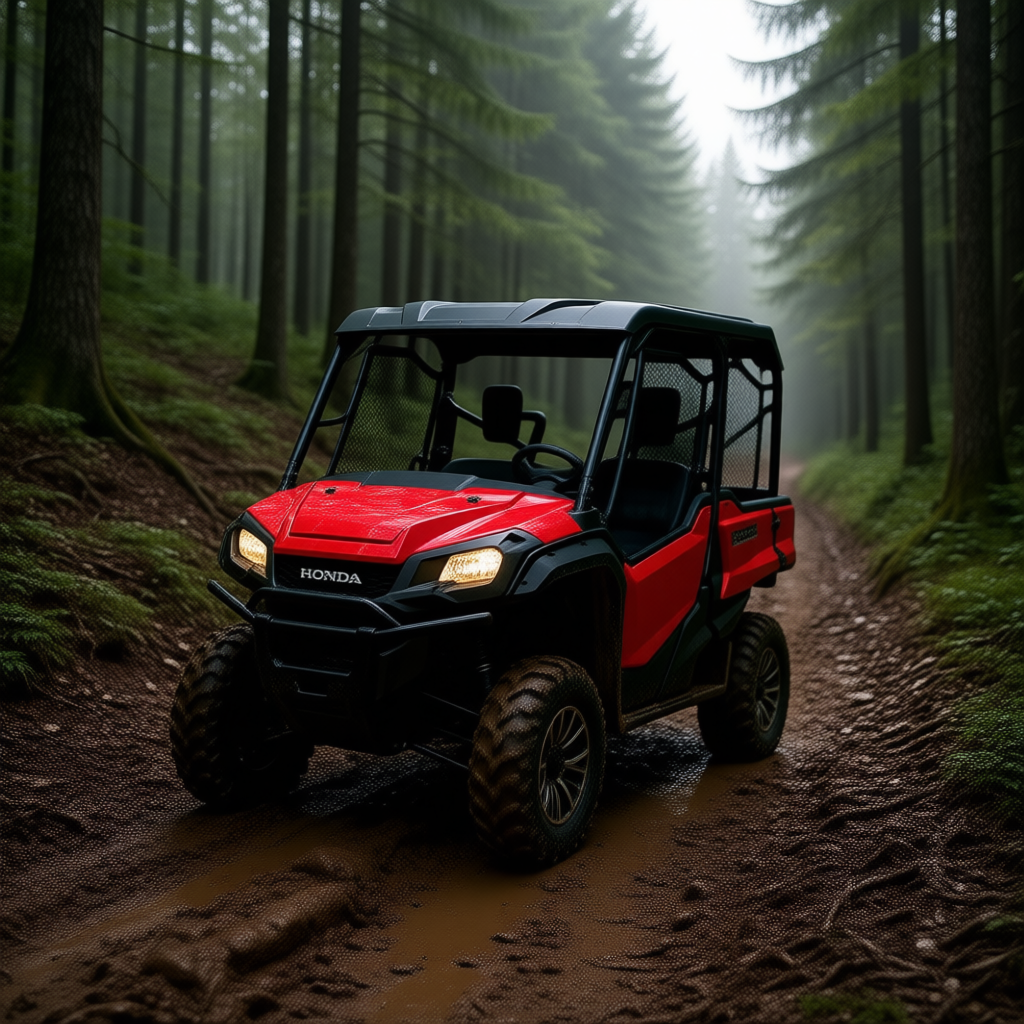
The demand for multi-passenger utility vehicles has skyrocketed in recent years. Families want to share the off-road experience, and work crews need reliable transport across vast properties. Honda answered this call by designing machines that blend the comfort of a family cruiser with the brute strength of a workhorse. Whether you are navigating dense forest trails, hauling feed across a sprawling ranch, or tackling muddy bogs, a four-seat Pioneer provides the versatility and power required to get the job done while keeping everyone comfortable and secure.
Why Choose a Honda Pioneer UTV for Your Family?
Choosing the right side-by-side is a significant investment, and the decision often comes down to reliability, safety, and long-term value. The pioneer utv is engineered with Honda’s legendary automotive-grade manufacturing standards, a fact consistently highlighted by industry experts at UTV Driver. This means that every weld, every bolt, and every component is designed to withstand the harshest environments. Unlike some competitors that prioritize sheer horsepower over drivability, Honda focuses on a balanced approach that delivers smooth power delivery, intuitive handling, and exceptional build quality.
For families, safety is the number one priority. Honda incorporates advanced safety features such as robust roll cages, three-point seat belts for all passengers, and advanced braking systems that provide confident stopping power even when the vehicle is fully loaded. Furthermore, the ergonomic design ensures that younger or smaller passengers in the rear seats have adequate legroom, secure handholds, and a comfortable riding position. When you strap your family into a Honda, you are benefiting from decades of research and development dedicated to off-road safety and passenger protection.
Additionally, the resale value of a Honda side-by-side remains remarkably high. Because these machines are known to run for thousands of hours with basic maintenance, the used market is always hungry for well-kept models. This makes the initial purchase not just an expense, but a smart financial decision for outdoor enthusiasts who want a machine that will last for generations.
Deep Dive: The Honda Pioneer 1000-5
The crown jewel of the four-seat lineup is undoubtedly the Honda Pioneer 1000-5. This machine redefined what a multi-passenger utility vehicle could be when it was first introduced, and it continues to set the benchmark in 2026. The ‘5’ in the name refers to its unique seating configuration, which utilizes Honda’s exclusive QuickFlip seating system. This innovative design allows the rear seats to fold flat into the bed, instantly transforming the vehicle from a five-passenger cruiser into a two-passenger work truck with a massive cargo area. You can visit the official Honda Powersports website to explore the current lineup and dealer locators.
The QuickFlip system is a game-changer for users who need dual-purpose functionality. On Saturday, you can take the kids and their friends out on the trails with all five seats deployed. On Sunday, you can fold the rear seats down, lock them into place, and haul heavy lumber, fencing materials, or hunting gear. The bed capacity and towing capacity of the Pioneer 1000-5 are best-in-class, ensuring that you never have to compromise between passenger comfort and utility.
Beyond its seating versatility, the Pioneer 1000-5 boasts a sophisticated chassis and drivetrain that rival much more expensive off-road machines. The integration of Honda’s advanced transmission technology and suspension geometry makes it a joy to drive, whether you are crawling over technical rock gardens or cruising down a fire road at speed. It is this blend of innovation and practicality that makes the 1000-5 the definitive choice for those seeking a premium four-seat experience.
Key Features and Specifications
To truly appreciate the engineering marvel that is the pioneer utv, we need to look at the hard numbers and specifications that define its capabilities. Honda has packed these machines with features that cater to both the hardcore off-roader and the practical rancher. Below is a detailed breakdown of the core specifications that make the four-seat Pioneer a standout in its class.
| Feature | Specification / Detail |
|---|---|
| Engine Type | Liquid-cooled, twin-cylinder, four-stroke |
| Displacement | 999cc |
| Transmission | 6-Speed Automatic Dual-Clutch (DCT) |
| Drivetrain | 4WD with i-4WD and TraxLok |
| Suspension (Front/Rear) | Independent Double-Wishbone / Independent Double-Wishbone |
| Bed Capacity | Up to 600 lbs (with QuickFlip seats folded) |
| Towing Capacity | 2,500 lbs |
| Seating Capacity | Up to 5 (with QuickFlip configuration) |
These specifications highlight a machine built for serious work and serious play. The 999cc parallel-twin engine provides abundant torque low in the RPM range, which is crucial for towing and technical trail riding. The 6-speed Automatic Dual-Clutch Transmission (DCT) is a hallmark of Honda’s engineering, offering the efficiency and direct feel of a manual transmission with the convenience of an automatic. This eliminates the slippage and heat buildup associated with traditional CVT belt-driven systems, making it vastly superior for heavy hauling and slow-speed crawling.
Engine and Performance Capabilities
At the heart of every great side-by-side is a reliable and powerful engine, and the pioneer utv delivers in spades. The 999cc liquid-cooled parallel-twin engine is derived from Honda’s extensive motorcycle and automotive engineering divisions. It features a 270-degree crankshaft phase, which gives it a power delivery feel and exhaust note similar to a V-twin engine, providing excellent traction and a satisfying auditory experience.
Check out our off-road collection Amazon products
The fuel injection system is meticulously calibrated to provide crisp throttle response across the entire powerband. Whether you are feathering the throttle through a delicate rock crawl or mashing the pedal to merge onto a highway, the engine responds instantly. Furthermore, the engine is mounted low and centrally within the chassis, which significantly lowers the center of gravity. This design choice reduces body roll during cornering and enhances overall stability, a critical factor when carrying multiple passengers and heavy cargo.
Cooling is another area where Honda excels. The large-capacity radiator and advanced cooling fan ensure that the engine maintains optimal operating temperatures, even when working hard in the sweltering summer heat or crawling at low speeds in deep mud. This thermal management is key to the legendary longevity of Honda engines, preventing the premature wear and tear that plagues lesser machines.
Suspension, Handling, and Off-Road Capability
Power is nothing without control, and the suspension system on the four-seat Pioneer is designed to soak up the roughest terrain while maintaining a plush ride for all occupants. The fully independent front and rear double-wishbone suspension provides over 10 inches of wheel travel, allowing the wheels to articulate over large obstacles without transferring harsh impacts into the cabin.
Honda’s proprietary i-4WD system is a technological marvel that enhances traction without requiring the driver to constantly lock and unlock differentials. This system automatically manages torque distribution to the wheels with the most grip, providing seamless traction in mud, snow, and loose dirt. Combined with the TraxLok system, which allows the driver to switch between 2WD, 4WD, and locked differential modes on the fly, the Pioneer can adapt to any trail condition instantly.
The steering system is equally impressive. Honda’s Electric Power Steering (EPS) is speed-sensitive, meaning it provides maximum assist at low speeds for effortless maneuvering in tight woods, and reduces assist at higher speeds to give the driver better feedback and stability. This reduces driver fatigue significantly, allowing you to spend more time on the trails and less time recovering from arm pump.
Interior Comfort and Ergonomics
Recommended Insights From Our Guide Library:
- Exploring the Honda Pioneer and Other Similar Utility Vehicles (2026 Update)
- CFMOTO UForce 1000 vs Honda Pioneer 1000: The Ultimate Utility UTV Comparison
- Honda Pioneer 1000 vs Can Am Defender HD10: Which UTV Wins?
- Honda Pioneer 700 vs 520 for Farming: Which UTV is Right for Your Farm?
- pioneer Honda off-road wild testing
When you are spending eight hours a day on the trail or the job site, interior comfort becomes a critical factor. The cabin of the pioneer utv is designed with automotive-level ergonomics. The front bucket seats are heavily bolstered to keep the driver and passenger securely in place during aggressive cornering, while the high-density foam provides all-day comfort.
The rear seating area, particularly in the 1000-5 model, is where Honda truly outshines the competition. Many four-seat UTVs cram passengers into tiny, uncomfortable bench seats with zero legroom. Honda, however, designed the QuickFlip rear seats to be individual, contoured buckets that offer genuine comfort and support. Passengers in the back have dedicated grab handles, cup holders, and ample shoulder and legroom, ensuring that the kids or your crew arrive at the destination fresh and happy.
The dashboard layout is intuitive and driver-focused. The digital instrument cluster provides all essential information at a glance, including speed, RPM, fuel level, gear position, and maintenance reminders. The placement of the shifter, parking brake, and accessory switches is carefully considered to ensure that the driver can operate all vehicle functions without taking their eyes off the trail.
Top Accessories to Upgrade Your Pioneer UTV
One of the greatest joys of owning a side-by-side is customizing it to fit your specific needs. The aftermarket and OEM support for the pioneer utv is massive, allowing you to transform the vehicle into a specialized tool or a luxury trail cruiser. Here are some of the most popular and effective upgrades you should consider for your 2026 build.
- Full Enclosure and Windshields: Protecting the cabin from the elements is essential for year-round riding. Investing in the best UTV windshields and a full soft or hard enclosure will allow you to ride comfortably in the rain, snow, and biting winter winds.
- Heavy-Duty Winch: A 4,500 lb or larger winch is a mandatory safety item for any serious off-roader. Whether you need to pull a friend out of a mud bog or clear a fallen tree from the trail, a reliable winch is your best friend in the backcountry.
- Lighting Upgrades: The stock headlights are adequate, but adding a roof-mounted LED light bar and bumper-mounted pod lights will turn night into day, vastly improving safety and visibility on unlit forest roads.
- Storage Solutions: From overhead bags to under-seat storage boxes and rear coolers, maximizing your cargo space is crucial for long camping trips. Check out our guide on the top Pioneer 1000 accessories for specific product recommendations.
- Upgraded Tires and Wheels: Swapping out the stock tires for aggressive, 8-ply all-terrain or mud-terrain tires will dramatically improve traction and puncture resistance, ensuring you never get stranded miles from the trailer.
Maintenance Tips for Longevity
Honda machines are famous for their reliability, but that reputation is built on the assumption that the owner follows a strict maintenance regimen. To ensure your pioneer utv runs flawlessly for thousands of miles, you must adhere to the manufacturer’s service intervals. Neglecting basic maintenance is the fastest way to turn a bulletproof machine into an expensive paperweight.
The most critical routine task is checking and changing the engine oil and filter. Because the Pioneer works hard and often operates in dusty, dirty environments, the oil degrades faster than it would in a street car. Using high-quality, Honda-recommended synthetic oil will provide the best protection for the internal engine components. Additionally, the air filter must be inspected after every ride. If you ride in heavy dust or dry conditions, consider upgrading to a high-flow, washable pre-filter to extend the life of the main paper element.
Do not forget about the drivetrain and chassis greasing. The Pioneer has numerous grease zerks on the suspension A-arms, tie rods, and driveshaft U-joints. Pumping fresh marine-grade grease into these fittings after every wet or muddy ride will prevent premature wear and eliminate annoying squeaks and creaks. For a complete breakdown of service intervals, be sure to read our comprehensive Honda Pioneer maintenance schedule guide.
Finally, always inspect your drive belts (if applicable to your specific model year and configuration) and brake pads. The DCT transmission eliminates the primary drive belt found on CVT machines, which is a massive reliability upgrade, but you still need to monitor the condition of your brake fluid and pad thickness to ensure safe stopping power.
How the Pioneer Compares to Competitors
The four-seat UTV market is highly competitive, with major players like Polaris, Can-Am, and Yamaha offering compelling alternatives. So, how does the pioneer utv stack up against the Polaris Ranger Crew and the Can-Am Defender MAX? The answer lies in Honda’s unwavering commitment to durability and the unique DCT transmission. Publications like Offroad.com frequently note the long-term cost benefits of Honda’s gear-driven approach.
While the Can-Am Defender MAX might offer slightly more raw horsepower and a more car-like interior, it relies on a traditional CVT belt system. CVT belts are prone to slipping, glazing, and breaking when subjected to heavy towing or slow-speed, high-load work. The Honda’s DCT transmission uses actual steel gears, meaning it will never slip or break under load, making it vastly superior for ranchers and heavy-duty users.
Compared to the Polaris Ranger Crew, the Honda offers a more refined ride quality and significantly better long-term reliability. Polaris machines are known for their aggressive styling and high top speeds, but they often require more frequent dealership visits for warranty work and minor repairs. The Honda Pioneer is built to be a ‘buy it for life’ machine. When you factor in the lower cost of ownership, better fuel efficiency, and higher resale value, the Pioneer emerges as the smartest financial choice for the pragmatic buyer.
For those interested in slightly smaller, more agile options, you might also want to read our Honda Pioneer 700 review to see how the mid-size lineup compares in terms of trail agility and price point.
Check out our off-road collection Amazon products
Safety First: Riding with Passengers
Operating a multi-passenger side-by-side carries additional responsibilities. The added weight of rear passengers significantly changes the vehicle’s center of gravity, braking distance, and handling characteristics. It is imperative that the driver understands these dynamics and adjusts their riding style accordingly. Always review essential UTV safety tips before heading out with a full cabin.
Ensure that all passengers, regardless of age or seating position, are wearing DOT-approved helmets and have their seatbelts securely fastened before the vehicle is put into gear. The driver must communicate with the passengers, warning them of upcoming bumps, sharp turns, or steep inclines. This prevents passengers from being caught off guard and bracing improperly, which can lead to injury.
Furthermore, be mindful of the vehicle’s Gross Vehicle Weight Rating (GVWR). Overloading the Pioneer with passengers, cargo, and accessories can overstress the suspension, brakes, and drivetrain. Always calculate the total weight of your load and ensure it remains within the manufacturer’s specified limits to maintain safe handling and prevent mechanical failure.
Conclusion: The Ultimate Family and Work Machine
In the ever-evolving world of off-road vehicles, the four-seat pioneer utv remains a steadfast beacon of reliability, versatility, and engineering excellence. Whether you are looking to create unforgettable memories with your family on the trails or you need a dependable workhorse to manage your property, the Honda Pioneer 1000-5 and its multi-passenger siblings deliver an unmatched experience.
Community Reference & Authority Resources:
By combining automotive-grade build quality, the revolutionary DCT transmission, and the ingenious QuickFlip seating system, Honda has created a machine that truly does it all. As we move through 2026, the Pioneer continues to prove that you do not have to sacrifice comfort for capability, nor reliability for performance. Invest in a Honda Pioneer, maintain it properly, and it will reward you with a lifetime of off-road adventures and hard-earned productivity.
For more in-depth reviews, modification guides, and trail recommendations, be sure to explore the rest of our blog and join the thriving community of Honda off-road enthusiasts. The trail is calling, and with a Pioneer, you are more than ready to answer.
🔍 Explore More: See all guides for Honda Pioneer.