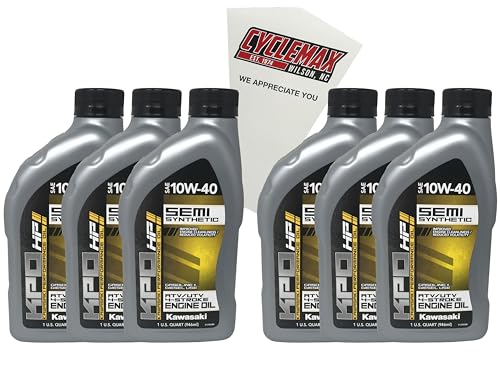
- OUR CYCLEMAX PACK CONTAINS: Six Quarts for Kawasaki KPO Semi Synthetic ATV/UTV Oil K61027-300-01Q along with a Convenien…
- QUALITY YOU CAN COUNT ON: Includes premium quality products to provide exceptional performance and protection for your K…
- COMPATIBILITY AND CONVENIENCE: KPO Oil has been formulated to provides the ultimate clutch feel and durability. While pr…

- Severe-Service Engine Protection
- Delivers reserve protection against high heat
- Designed for wet clutch operations

- Polaris Tested and Engineering Approved: Polaris AGL EXTREME is designed for extreme applications with ultimate protecti…
- Extreme Full Synthetic Formula: Extreme powersports-grade synthetic base oils deliver maximum performance and superior w…
- Ultimate Performance: AGL EXTREME has 83.8°F cooler sump temp under extreme loads, 50% improved fluidity in the extreme …
The roar of your Honda Pioneer, the dust kicking up behind you on an unbeaten trail, the thrill of adventure—these are the moments that define the off-road enthusiast life. 🏞️
But beneath that rugged exterior lies a finely tuned machine, and its heart, the engine, relies on a critical component for its longevity and performance: the right engine oil. 💡
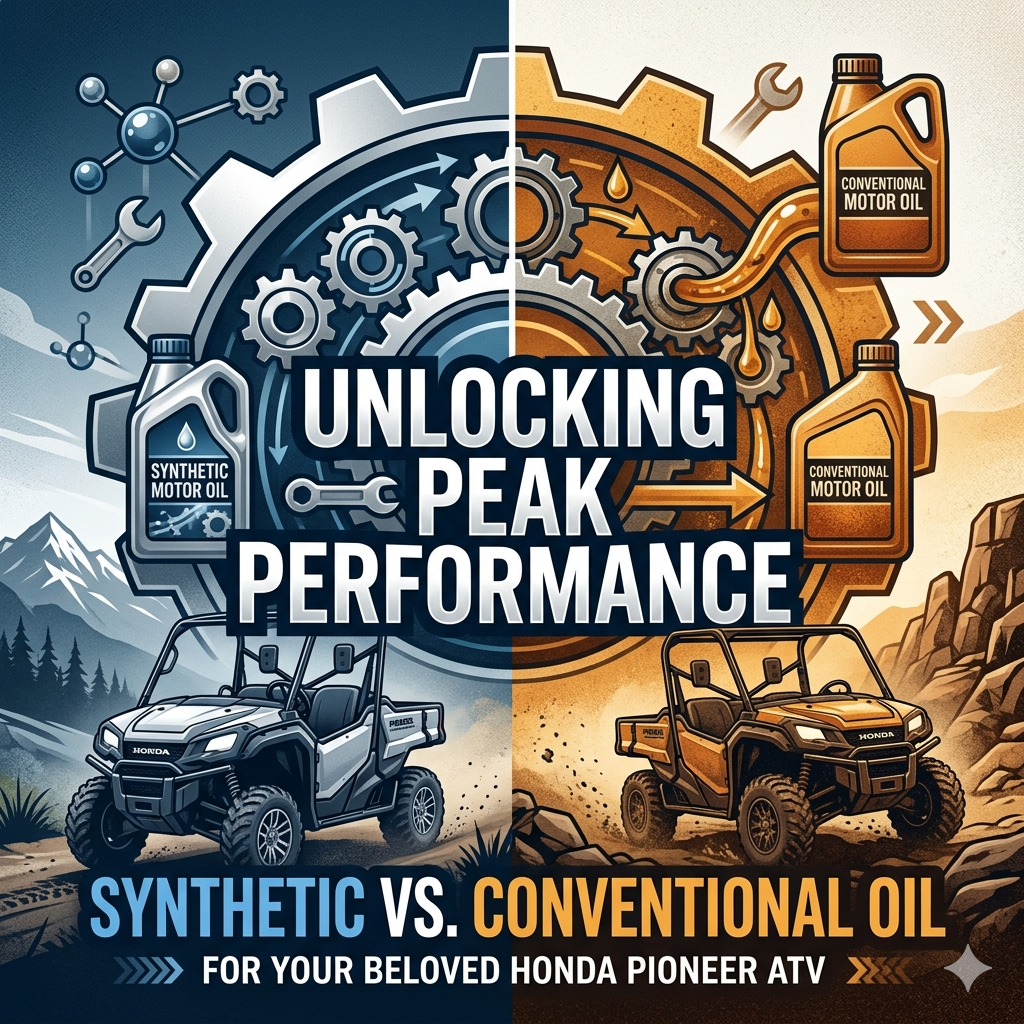
For owners of older Honda ATVs, the debate between synthetic vs. conventional oil can be a perplexing one, especially with evolving oil technologies and insights from 2026. 🤔
Let’s navigate this crucial decision together, ensuring your trusty Pioneer continues to conquer trails for years to come. 🛣️
Understanding the Basics: Conventional vs. Synthetic Oil 🧪
Before we dive into the specifics for your older ATV, it’s essential to understand the fundamental differences between these two types of engine oil. 🧐
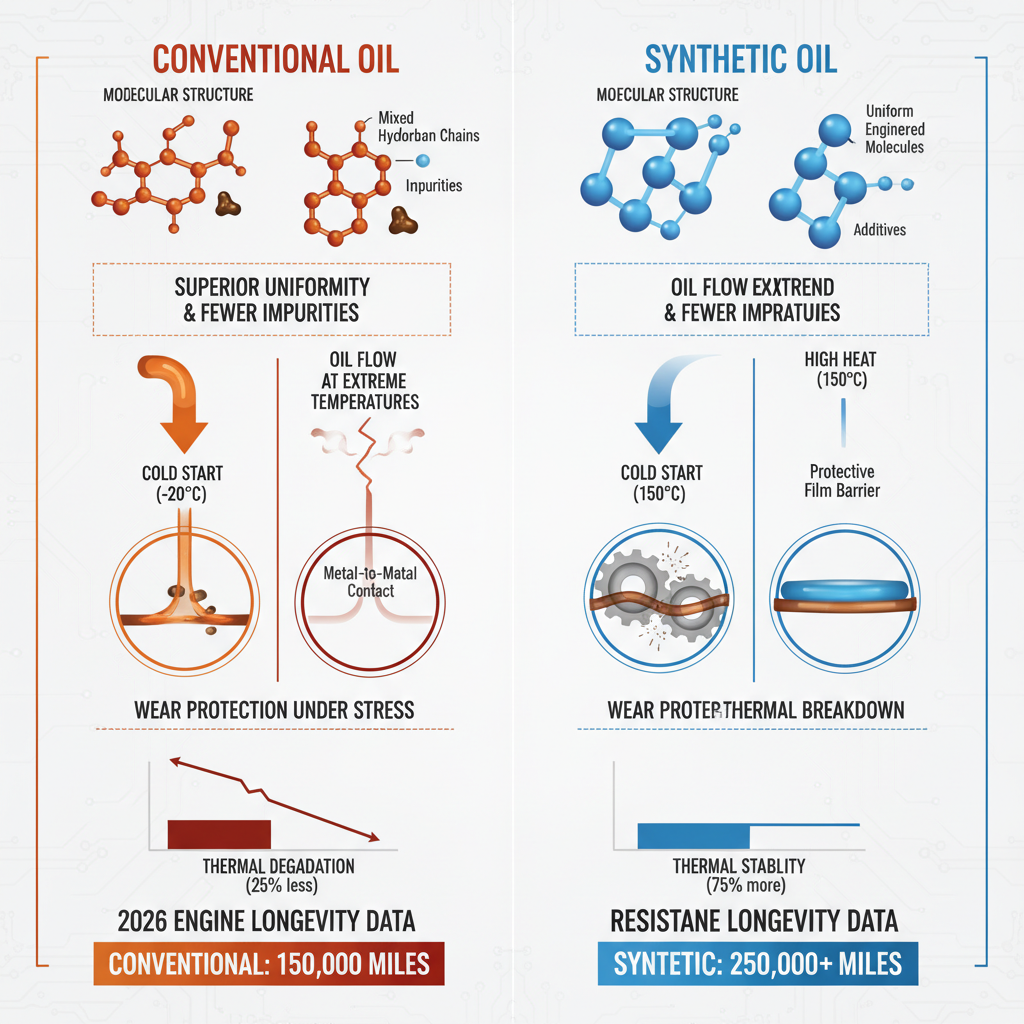
Conventional oil, often referred to as mineral oil, is derived directly from crude oil, undergoing a refining process to remove impurities. It has been the standard lubricant for decades, offering reliable performance under normal driving conditions.
Synthetic oil, on the other hand, is engineered in a lab. Its molecules are more uniform in shape and consistency, leading to superior performance characteristics.
This molecular uniformity is a game-changer, especially for the high-stress environments that ATV engines endure. 💪
Many modern “conventional” oils are now blends, incorporating synthetic base stocks to meet evolving industry standards, making the line between them increasingly blurred.
The Evolving Landscape: 2024-2026 Insights 🚀
The world of engine lubricants is constantly advancing, and recent discussions from 2024-2026 offer fresh perspectives. 📅
One notable trend is the increasing scarcity of pure conventional oil in many retail stores, with synthetic blends becoming the de facto “conventional” option.
Forum discussions from January 2026 highlight that while conventional oil is adequate, technological advancements offer better options.
It’s widely accepted that synthetic oil provides improved wear protection, engine cleanliness, and fuel efficiency.
Furthermore, synthetics generally last longer, offering increased convenience and potential cost savings over time.
https://www.youtube.com/watch?v=R9K2P-m6x6Y
Why Your Older Honda Pioneer Deserves Consideration 🤔
Older ATVs, like your beloved Honda Pioneer, have unique needs that require careful attention when choosing engine oil. 🛵
These machines often have more miles, potentially accumulated sludge, and seals that have seen years of operation. 🕰️
Switching to a higher-quality oil, even in older engines, can unlock hidden performance benefits and extend the life of your ATV.
A common misconception is that synthetic oil can cause leaks in older engines, but modern synthetics are formulated to be compatible with seals and do not typically cause leaks.
Instead, if a leak appears after switching, it often indicates a pre-existing seal issue that conventional oil’s deposits might have temporarily masked.
The Synthetic Advantage for Older Engines ✨
For an older Honda Pioneer, synthetic oil brings a host of benefits that can significantly impact its health and performance. 🌟
Synthetic oils offer enhanced lubrication, which is crucial for reducing wear on aging parts.
They are incredibly resistant to breaking down from high heat, a common stressor for ATV engines, especially during long rides or in hot climates.
This superior thermal stability means less sludge formation and a cleaner engine over time. 🧹
Many synthetics contain special additives designed to condition seals, reduce leaks, and clean out accumulated sludge, essentially giving your engine a fresh start.
In cold temperatures, synthetic oils flow better, reaching vital engine components faster and providing immediate protection during startup, which is critical for minimizing wear.
The Conventional Argument (and Its Modern Realities) ⚖️
While synthetic oil clearly offers advantages, conventional oil still has its place, especially for riders on a strict budget or with very casual riding habits. 💰
It’s generally more affordable upfront, and for simpler, lower-mileage engines under normal conditions, it performs adequately.
However, as mentioned, finding pure conventional oil is becoming harder, with synthetic blends dominating the market.
These blends offer a middle-ground, combining some benefits of synthetic with the lower cost of conventional.
The key takeaway here is that “conventional” motor oil today is often not what it once was, incorporating advanced base stocks to meet current API ratings.
Wet Clutches and JASO MA/MA2: A Honda Pioneer Imperative! 🚨
This is where it gets critical for Honda Pioneer owners, especially those with wet clutches. 🎯
Many Honda ATVs utilize wet clutches that share oil with the engine and transmission. ⚙️
Using the wrong oil can lead to clutch slippage and costly damage. 💸
For these applications, your owner’s manual will specify a JASO MA or MA2 rating.
JASO MA/MA2 oils are specifically formulated to ensure proper clutch engagement and prevent slippage.
Always check your Honda Pioneer’s manual for the recommended viscosity (e.g., 10W-40) and the crucial JASO rating. 📖
Opting for a full synthetic oil that carries the JASO MA/MA2 certification will provide superior protection for both your engine and wet clutch.
https://www.youtube.com/watch?v=x7E2nN04_rA
Making the Switch: What to Expect and How to Do It Right 🛠️
If you’re considering switching your older Honda Pioneer from conventional to synthetic oil, here’s what you need to know: 🔄
You might notice a difference in engine sound (often quieter) and smoother shifting immediately.
Some users report that their ATV seems to “roll easier” or that the engine idles more smoothly.
It’s like giving your ATV a new lease on life! 🌱
Always perform an oil and filter change when switching. 🧑🔧
Use a high-quality oil filter, ideally an OEM Honda filter or a reputable aftermarket brand that meets or exceeds OEM standards.
“I am very sold on the benefits of using synthetic oil, especially since most of our Honda engines share the engine oil with the transmission! I too have noticed a difference when I put synthetic in my ATVs; a POSITIVE difference. The biggest difference was/is with the shifting and operation of my transmissions. It is so much smoother and easier with synthetic.”
Oil Change Intervals: New Data vs. Old Habits 🗓️
The traditional 3,000-mile oil change interval for conventional oil is largely a thing of the past. 📉
Modern conventional oils and synthetic blends can easily go 5,000-7,500 miles under normal conditions.
Full synthetics can extend these intervals even further, with some recommended for 8,000-10,000 miles or even up to 25,000 miles or one year in automotive applications.
However, for ATVs, especially older ones that endure harsh off-road conditions, it’s generally wise to adhere to your owner’s manual recommendations as a minimum, and consider more frequent changes if you ride in dusty, muddy, or extreme conditions.
Remember, a good oil is only as good as its filter and the cleanliness of your air filter.
https://www.youtube.com/watch?v=mD0iXlX1h8E
Key Considerations for Your Honda Pioneer 📌
When selecting your oil, keep these vital points in mind:
- JASO MA/MA2 Rating: Absolutely non-negotiable for Honda ATVs with wet clutches. Ensure the oil clearly states this on the label. ✅
- Viscosity: Refer to your owner’s manual for the recommended SAE viscosity grade (e.g., 10W-40). This can vary based on ambient temperatures where you ride. 🌡️
- Riding Conditions: Frequent mud, water, dust, or heavy loads will necessitate more frequent oil changes, regardless of oil type. 🏞️
- Engine Condition: If your older ATV is burning oil, a high-mileage synthetic blend might be beneficial, as it contains additives to condition seals and reduce burn-off.
- Quality Filter: Never skimp on the oil filter. A cheap filter can compromise even the best synthetic oil. 🛡️
“It’s that little bit of extra care that can make all the difference.”
Comparative Table: Synthetic vs. Conventional for Older ATVs (2026 Perspective) 📊
| Feature | Conventional Oil | Synthetic Oil |
|---|---|---|
| Base Stock | Refined crude oil | Chemically engineered |
| Molecular Uniformity | Less uniform, more impurities | Highly uniform, fewer impurities |
| Thermal Stability | Lower resistance to heat breakdown | Superior resistance to heat breakdown 🔥 |
| Cold Flow Performance | Thickens more in cold, slower flow | Remains fluid in cold, faster flow ❄️ |
| Wear Protection | Adequate under normal conditions | Enhanced, forms stronger film 💪 |
| Sludge & Deposit Control | Good, but can lead to buildup over time | Excellent, cleans and prevents buildup 🧼 |
| Oil Change Interval (ATV) | Manufacturer spec (e.g., 1,000-1,500 miles) | Extended (e.g., 2,000+ miles), but check manual and conditions ⏱️ |
| Initial Cost | Lower | Higher |
| Long-term Value | Can lead to more wear over time | Better engine longevity, potentially lower overall cost 📈 |
| Seal Compatibility (Old Engines) | Good, may mask leaks | Excellent, addresses hidden issues 🔍 |
In 2026, the consensus among experts and experienced riders leans heavily towards the benefits of synthetic oil for older engines, particularly in demanding ATV applications.
The “Synthetic vs. Conventional: New Data on 2026’s Best Oil for Older Engines” video reinforces that for long-term health, synthetic is a very smart move.
“You want to give that classic engine the best possible chance at a long and healthy life in 2026 and beyond, investing in a quality synthetic or high mileage oil is a very smart move.”
When choosing, prioritize oils from reputable brands that explicitly state their JASO MA/MA2 compliance. You can always check official Honda recommendations for your specific Pioneer model on the Honda Powersports website. 🌐
For more technical details on oil grades and standards, refer to resources like SAE International. 📚
Understanding API standards is also beneficial in making an informed decision. 💡
For discussions on specific oil types and their performance, forums like Bob Is The Oil Guy offer a wealth of information. 💬
And for genuine Honda parts and accessories, including fluids, always visit your authorized Honda Dealer. 🛒
Ultimately, the best oil for your older Honda Pioneer is one that meets its specific requirements, protects its components, and gives you peace of mind on every adventure. Happy trails! 🤠
🔍 Explore More: See all Wild Testing guides for synthetic vs conventional oil for old atv.
- Severe-Service Engine Protection
- Delivers reserve protection against high heat
- Designed for wet clutch operations

- Brand name: Stens
- Zinc boosters reduce engine wear to extend engine life, Shear stable formula won’t breakdown under high temperatures or …
- Assembly not required

- MFC technology prevents the formation of deposits while simultaneously reducing frictional losses in the engine
- Optimum stability to aging
- Excellent wear resistance