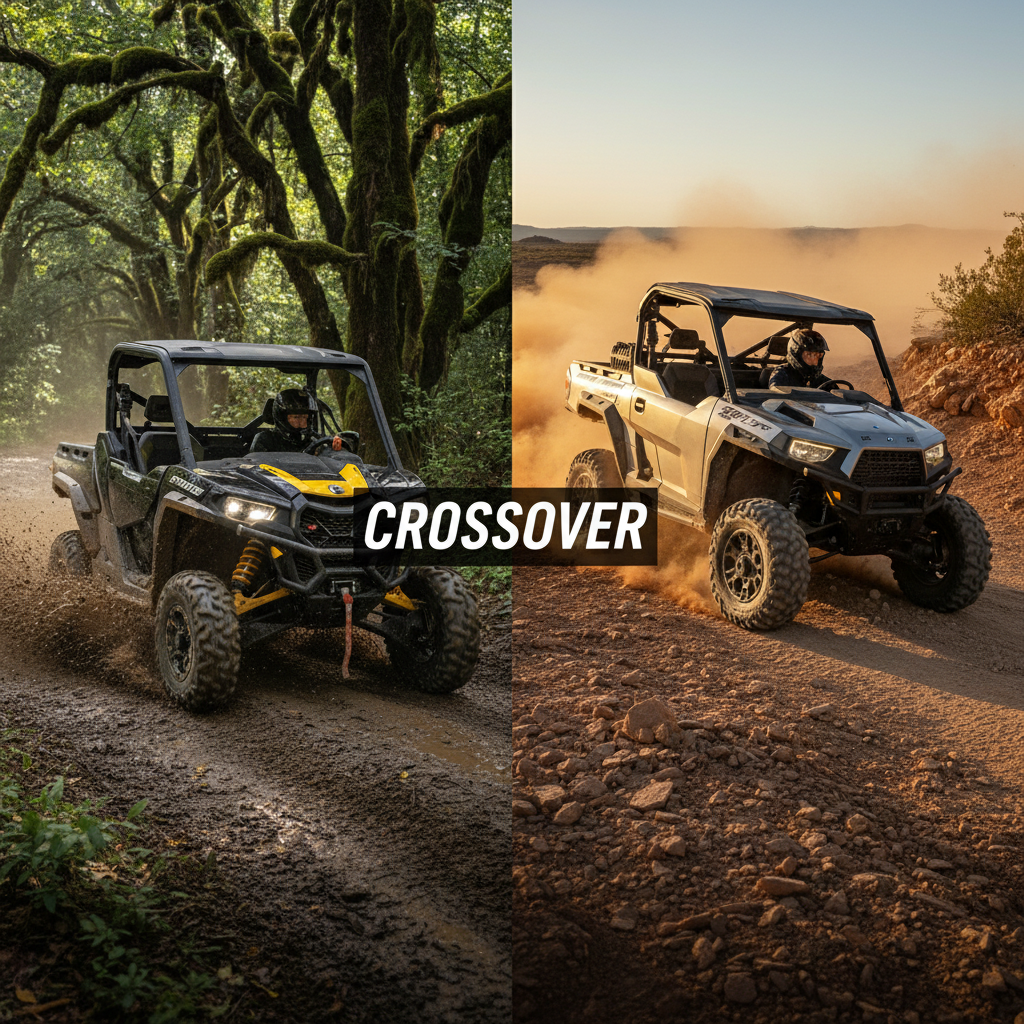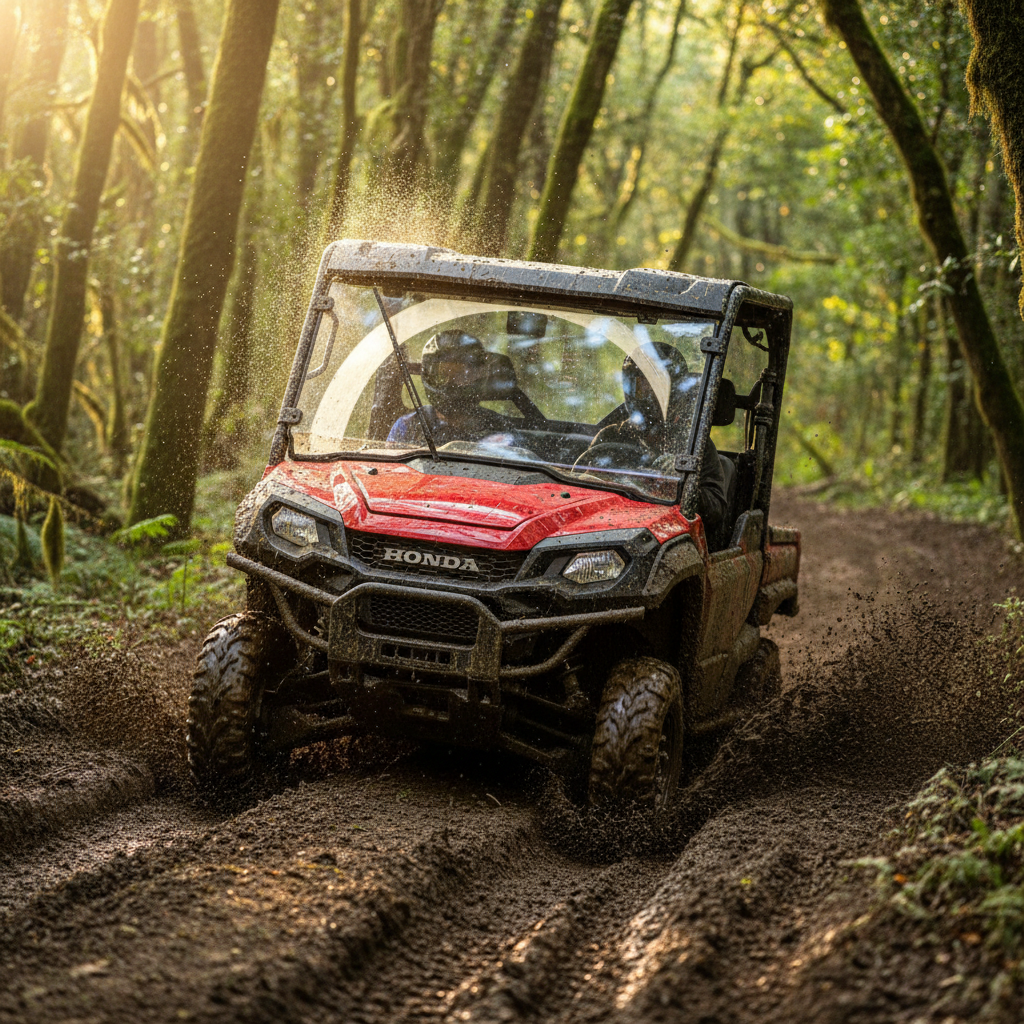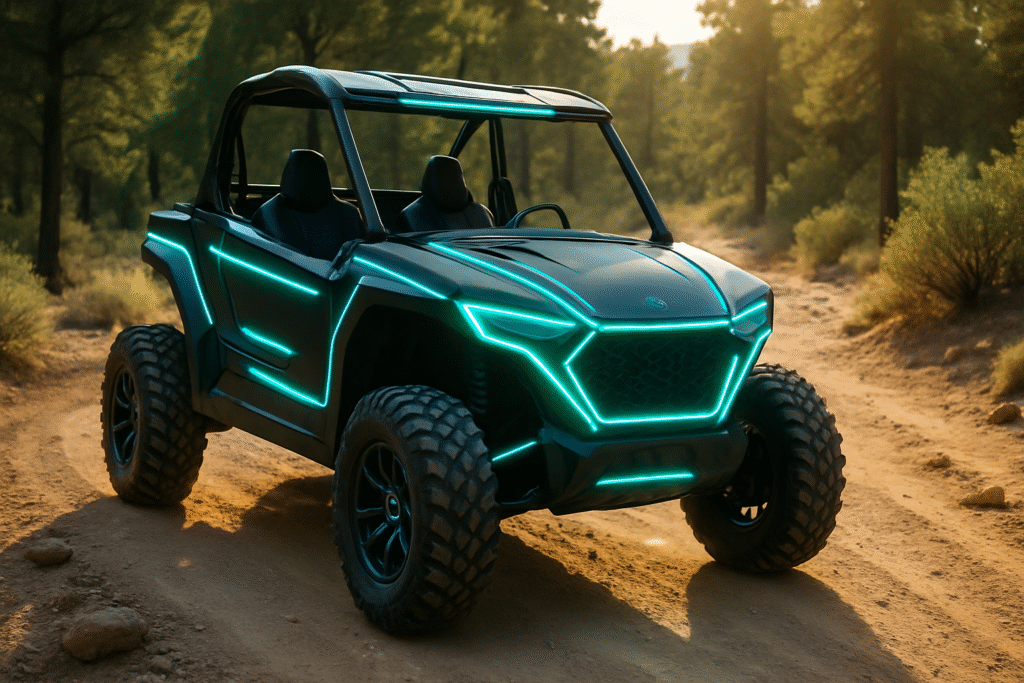


Hey there, fellow off-road enthusiasts! Have you ever wondered how to get more out of your UTV, whether it’s extending your range, saving on fuel, or simply being more environmentally conscious on the trails?
I know I have! We often push our machines to their limits, tackling tough terrain and long hauls.
But what if there were ways to make those adventures more efficient, recovering energy that would otherwise be lost?
Today, we’re going to take a deep dive into the fascinating world of energy recovery systems and efficiency technologies for Utility Terrain Vehicles (UTVs).
While the term “Kinetic Energy Recovery System” (KERS) might bring to mind high-speed Formula 1 cars, the principles of energy optimization are making their way into our beloved off-road machines in exciting and practical ways.
Let’s explore how these innovations are shaping the future of UTV performance and sustainability.

Videos are added as random thoughts 💭 💭 💭 💭
Regenerative Braking: Turning Stops into Starts
When you hit the brakes in a traditional UTV, all that kinetic energy—the energy of motion—is converted into heat and simply wasted.
It’s like throwing away perfectly good power! But imagine if you could capture some of that energy and put it back to work.
That’s exactly what regenerative braking does, and it’s a game-changer for electric and hybrid UTVs.
In a nutshell, when you decelerate or brake in a UTV equipped with regenerative braking, the electric motor reverses its role.
Instead of drawing power to move the wheels, it acts as a generator, converting the kinetic energy of the vehicle back into electricity.
This electricity is then sent back to the battery pack, effectively recharging it on the go.
It’s a brilliant way to make every stop count towards your next adventure.
The benefits of this technology are pretty significant.
For starters, it can dramatically increase your UTV’s range.
By recovering energy that would otherwise be lost, you get more miles out of each charge.
This also boosts the overall energy efficiency of the vehicle, which is great for both your wallet and the environment.
Plus, there’s the added bonus of reduced wear and tear on your traditional friction brakes, meaning less maintenance and longer-lasting components.
And let’s not forget the smoother deceleration and improved control, especially when you’re navigating steep downhill trails.
It truly makes for a more refined and efficient ride.
We’re already seeing this technology in action with some impressive models.
The Polaris Ranger XP Kinetic, for example, proudly advertises that you can “Charge your battery while riding with regenerative braking.” [1]
Companies like HuntVe and Kandi America also integrate regenerative braking into their electric and hybrid UTVs to enhance efficiency and extend range.
Even the John Deere Gator TE 4×2 Electric Utility Vehicle features regenerative braking, proving that this isn’t just a niche technology, but a growing standard in the electric UTV market.
Hybrid UTV Technology: The Best of Both Worlds
While fully electric UTVs are gaining traction, hybrid models offer a compelling middle ground, combining the strengths of both internal combustion engines and electric powertrains.
Think of it as having your cake and eating it too – you get the extended range and power of gasoline, coupled with the efficiency and instant torque of electricity.
Hybrid UTVs typically feature a gasoline engine, one or more electric motors, and a battery pack.
This setup allows them to operate in various modes:
pure electric for quiet, emission-free operation in sensitive areas, or using the gasoline engine for longer distances and higher power demands.
The electric motor can also provide a boost during acceleration, offering that immediate torque that electric vehicles are known for, which can be incredibly useful for tackling challenging terrain.
The advantages of hybrid UTVs are clear.
They offer a significantly extended range compared to pure electric models, alleviating range anxiety for those long days on the trails.
You’ll also notice improved fuel economy, as the electric motor assists the gasoline engine, reducing its workload.
This often translates to lower operating costs over time.
Furthermore, the ability to switch to electric-only mode means reduced emissions and quieter operation,
which is a huge plus for hunting, wildlife observation,
or simply enjoying the tranquility of nature without the roar of an engine.
Several manufacturers are embracing hybrid technology. Companies like Upfit UTV and OMI have even developed drop-in hybrid electric propulsion systems, making it easier to convert existing UTVs.
HuntVe offers a range of hybrid 4×4 utility vehicles, and Segway has been involved in designing hybrid electric off-road vehicles.
Even CFMoto has shown patents for range-extender side-by-sides, indicating a clear trend towards these versatile powertrains.
Beyond Electrification: Boosting Efficiency in Gasoline UTVs
Even if your UTV runs on good old gasoline, there are still plenty of ways to boost its efficiency and make your fuel go further.
While these aren’t “energy recovery systems”
in the same vein as regenerative braking, they are crucial for optimizing your machine’s performance and reducing your environmental footprint.
It’s all about smart choices and good habits!
First up is weight management. It might sound obvious, but the heavier your UTV, the more fuel it needs to move.
So, before you head out, take a moment to consider what you’re carrying.
Do you really need that extra gear, or can you lighten the load? Every pound makes a difference over the long haul.
Next, let’s talk about driving habits.
This is a big one! Aggressive driving—think sudden accelerations and hard braking—is a major fuel guzzler.
Smooth, consistent driving, anticipating stops, and gentle acceleration can significantly improve your fuel economy.
It’s not just about saving fuel; it also makes for a more comfortable and safer ride for everyone onboard.
Proper maintenance is your UTV’s best friend.
A well-tuned engine, a clean air filter, and correctly inflated tires are non-negotiables for optimal efficiency.
A clogged air filter makes your engine work harder, and underinflated tires increase rolling resistance, both leading to more fuel consumption.
Regular check-ups ensure your UTV is running at its peak.
Believe it or not, aerodynamic upgrades can also play a role. While UTVs aren’t exactly built for sleek aerodynamics, well-designed windshields and roof systems can reduce drag, especially at higher speeds.
This small reduction in resistance can translate to better fuel efficiency over time.
Finally, smart gear selection is key.
Using the appropriate gear for the terrain and load helps your engine operate within its most efficient RPM range.
Lugging the engine in too high a gear or revving it too high in too low a gear both waste fuel.
Learn to listen to your engine and shift accordingly for the best balance of power and efficiency.
Honda Pioneer: Efficiency in Its Own Right
Now, you might be wondering, “What about my Honda Pioneer?
Does it have any of these fancy energy recovery systems?”
While the current Honda Pioneer lineup primarily features robust gasoline engines and isn’t typically equipped with KERS or regenerative braking systems like their electric or hybrid counterparts, that doesn’t mean they aren’t efficient machines.
Honda has a long-standing reputation for engineering excellence, and their UTVs are designed with efficiency and durability in mind.
Honda Pioneers benefit from advanced engine management systems that optimize fuel delivery and combustion for a balance of power and economy.
Their reliable drivetrains and well-engineered components contribute to overall operational efficiency,
ensuring that the power generated by the engine is effectively transferred to the wheels with minimal loss.
While they may not actively recover kinetic energy, the inherent design and engineering principles focus on maximizing the utility of every drop of fuel.
For Honda Pioneer owners looking to enhance efficiency, the general tips for gasoline UTVs mentioned above are particularly relevant.
Maintaining your vehicle meticulously, adopting smart driving habits, and managing your load can make a significant difference in your fuel consumption and overall operating costs.
It’s about getting the most out of the reliable machine you already have.
The Future of UTV Efficiency
The world of UTVs is constantly evolving, and energy efficiency is becoming an increasingly important factor.
Whether through the innovative regenerative braking systems in electric UTVs,
the versatile balance of hybrid powertrains,
or simply by adopting smarter maintenance and driving habits for gasoline-powered machines,
there are numerous ways to make our off-road adventures more sustainable and cost-effective.
As technology advances, we can expect to see even more sophisticated energy recovery and efficiency solutions integrated into UTVs.
These developments will not only benefit our wallets and the environment but also enhance the overall performance and enjoyment of our time on the trails.
So, keep an eye out for these exciting innovations, and in the meantime, happy (and efficient) riding!
References
[1] Polaris. (n.d.). RANGER XP Kinetic. Retrieved from [
.