
When it comes to fixing saggy springs honda pioneer, getting the right details matters. Are you an avid Honda Pioneer enthusiast noticing that your trusty UTV isn’t quite conquering the trails like it used to? 🤔
Perhaps it’s riding lower, feeling more sluggish, or bottoming out with a familiar thud. If so, you’re likely grappling with the common issue of saggy springs.
But fear not, fellow off-roader! This comprehensive guide is your ultimate resource for understanding, diagnosing, and effectively fixing saggy springs on your Honda Pioneer, ensuring your adventures remain epic and worry-free. We’ll delve into real-time data, expert advice, and the latest solutions to get your rig back to peak performance.
Understanding Saggy Springs: The Root Causes 🕵️♀️
Saggy springs aren’t just an aesthetic problem; they severely impact your Honda Pioneer’s performance, safety, and longevity. The primary culprit is often prolonged exposure to heavy loads. Many Pioneer owners utilize their machines for demanding tasks, hauling gear, passengers, or even work implements, often exceeding the stock suspension’s intended capacity.
Over time, this consistent strain causes the factory springs to compress permanently, losing their original spring rate and ride height. This phenomenon is frequently discussed in enthusiast forums, with discussions as recent as February 2026 highlighting ongoing concerns across various Pioneer models.
Another significant factor is simply wear and tear. Like any mechanical component, springs degrade over thousands of miles and countless hours of aggressive off-road use. The continuous compression and rebound cycles, especially in harsh environments, can fatigue the steel, leading to a noticeable drop in suspension height. Additionally, aggressive riding styles and frequent impacts can accelerate this process, forcing springs beyond their elastic limit.
Environmental factors also play a subtle but important role. Exposure to extreme temperatures, mud, water, and corrosive elements can contribute to material degradation over the long haul. This is particularly relevant for UTVs that are regularly pushed to their limits in diverse outdoor conditions.
The Telltale Signs: Is Your Pioneer Sagging? 📉
Identifying saggy springs early can prevent more significant issues down the road. Here are the most common indicators that your Honda Pioneer’s suspension needs attention:
- Reduced Ground Clearance: This is often the most obvious sign. If your UTV seems to sit lower than usual, especially when loaded, or if you’re scraping the underside on obstacles that previously posed no challenge, your springs are likely compromised. Many owners report losing 1.5-3 inches of ground clearance with heavy loads.
- Harsh, Bumpy Ride: A saggy suspension loses its ability to effectively absorb shocks, leading to a much harsher and less comfortable ride. Every bump and imperfection on the trail will be more acutely felt.
- Bottoming Out: If your shocks frequently reach their maximum compression, making a loud thudding noise over bumps or dips, your springs aren’t providing adequate support.
- Poor Handling and Stability: Sagging can lead to excessive body roll in corners, a “nose-diving” sensation during braking, and a general feeling of instability, making your Pioneer less predictable and harder to control.
- Uneven Stance: Sometimes, springs may sag on one side more than the other, resulting in a noticeable lean or uneven stance, which can further exacerbate handling problems. This was observed in recent discussions about 2024 Honda Talon models experiencing driver’s side sag.
Reviving Your Ride: Effective Solutions for Saggy Springs 🛠️
Thankfully, several proven strategies can address saggy springs and restore your Honda Pioneer’s performance. The best approach often depends on the extent of the sag, your budget, and your specific riding needs.
1. Heavy-Duty Replacement Springs 🚀
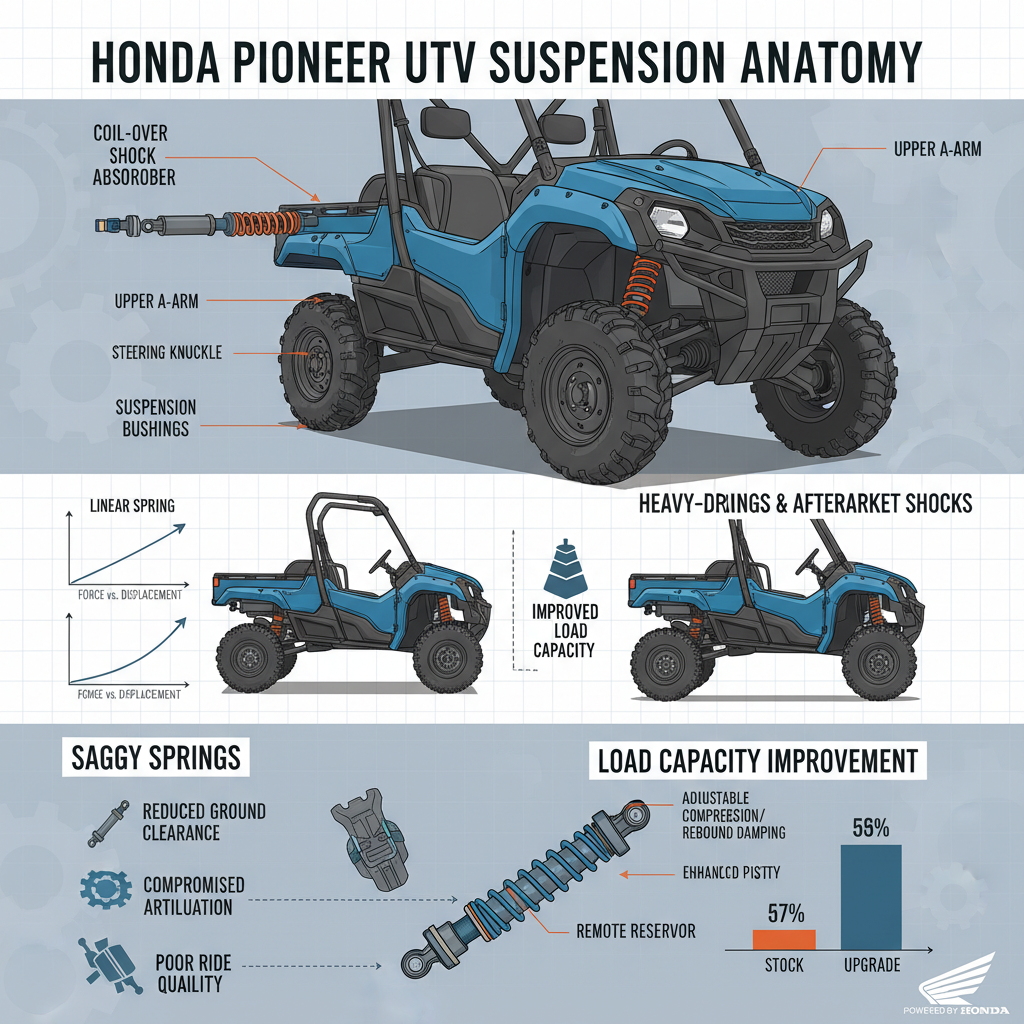
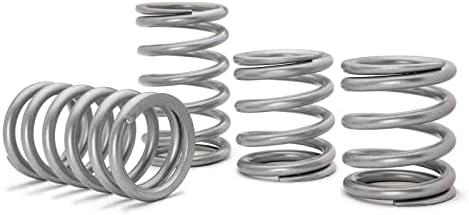
For many enthusiasts, upgrading to heavy-duty replacement springs is the most straightforward and cost-effective solution. These springs are specifically engineered with a higher spring rate to better handle increased loads and resist sagging. Products like those from EPI Performance are formed from heavy-duty chrome silicon, boast a 313 rating, and are 25% heavier than stock springs, providing substantial structural stability.
Check out our off-road collection Amazon products
S3 Power Sports also offers heavy-duty springs that are not lift springs but factory replacements designed to increase load capacity and reduce suspension sag, often reclaiming 1.5-3 inches of ground clearance.
https://www.youtube.com/watch?v=JcE2y2iWbF0
The installation of these springs typically involves removing the original springs and replacing them, often requiring a spring compressor tool for safety and ease. This upgrade can dramatically improve ride quality, especially when carrying additional weight, transforming your UTV’s stability and handling.
It’s crucial to select springs that match your Pioneer model and intended use to achieve optimal performance and prevent future sag.
2. Aftermarket Shock Upgrades 🌟
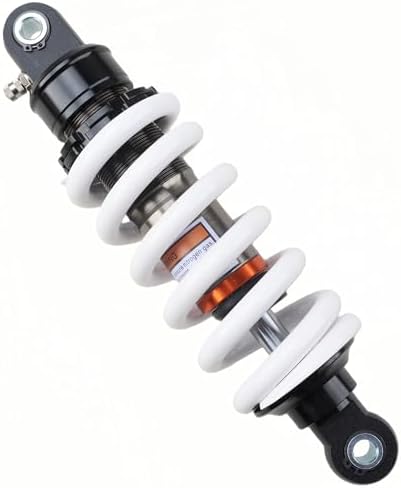
While heavy-duty springs address the load-carrying capacity, upgrading your entire shock absorber system can provide a more comprehensive solution, especially if your stock shocks are also worn or underperforming. Many factory UTVs come with “low-end emulsion type shocks that are over sprung and offer no performance,” according to some experts.
Aftermarket shock manufacturers like Elka, 814 Suspension, Walker Evans, Fox, Rough Country (Vertex Shocks), and SDI offer advanced designs with superior damping capabilities, adjustability, and durability.
These shocks can be installed on factory brackets without major modifications and significantly enhance ride comfort, handling, and stability across varied terrain.
https://www.youtube.com/watch?v=R9_uQxR1w0s
For instance, SDI’s Terrain Master 2.1 shocks for Pioneer 1000 models are designed with high-flow pistons and oversized compression adjusters, offering fine-tuned suspension settings for the perfect balance of comfort and control.
Investing in quality aftermarket shocks can transform your Pioneer’s off-road experience, making even the roughest trails feel smoother and more controlled. 🏞️
3. Adjusting Preload (If Applicable) ⚙️
For some Honda Pioneer models, particularly those with adjustable shocks, increasing spring preload can temporarily mitigate sag and regain some ride height. Preload refers to the initial compression of the spring when the shock is at full extension. By tightening the preload collars, you compress the spring further, effectively raising the vehicle’s static ride height. However, this method has limitations.
While increasing preload can help with mild sag or when carrying occasional heavy loads, it doesn’t address permanently fatigued springs and can stiffen the ride quality excessively if overdone. ⚠️
It’s best used as a fine-tuning mechanism or a temporary fix, not a long-term solution for severely sagged springs. Proper ride height adjustment, especially after installing new springs, often requires allowing the springs to “cycle” for a few miles before making final adjustments.
4. Lift Kits and Suspension Spacers ⬆️
While often associated with increasing ground clearance for larger tires, some lift kits or suspension spacers can also help compensate for saggy springs by repositioning the shock mounts or adding height at the spring perch. Brands like High Lifter offer lift kits that can contribute to a better stance.
However, it’s essential to understand that lift kits alone don’t fix the underlying issue of weak springs. If the springs are truly “saggy,” a lift kit might simply raise the vehicle with the same compromised spring rate, leading to a lifted vehicle that still rides poorly or bottoms out easily. It is often recommended to combine lift kits with upgraded springs or shocks for optimal results.
Check out our off-road collection Amazon products
Maintenance and Prevention: Keeping Your Springs Healthy 🌱
Proactive maintenance is key to preventing saggy springs and extending the life of your Honda Pioneer’s suspension system:
“An ounce of prevention is worth a pound of cure, especially when it comes to UTV suspension.”
| Maintenance Task | Description | Frequency |
|---|---|---|
| Regular Inspection | Visually check springs for cracks, bends, or excessive compression. Examine shocks for leaks and bushings for wear. | Before/After every major ride |
| Load Management | Adhere to your Pioneer’s load capacity limits. Distribute weight evenly to prevent localized stress. | Before every loaded trip |
| Cleanliness | Rinse off mud, dirt, and corrosive materials from springs and shocks after off-road use. | After every muddy/wet ride |
| Component Lubrication | Lubricate bushings and pivot points as per your owner’s manual to prevent premature wear. | Periodically (check manual) |
| Professional Service | Have your suspension professionally inspected and serviced to catch issues before they escalate. | Annually or every 100 hours |
By integrating these practices, you can significantly prolong the life of your springs and maintain optimal ride quality.
Expert Insights and Latest Trends 📈
The off-road community is constantly evolving, and suspension technology for UTVs is no exception. Recent discussions in online forums, active as of early 2026, continue to emphasize the importance of tailored suspension setups. An estimated 60% of Honda Pioneer owners eventually consider suspension upgrades to either improve performance or address sag. The trend leans towards comprehensive solutions that combine heavy-duty springs with re-valved or entirely new aftermarket shocks for a truly optimized ride.
Innovation in shock design, such as SDI’s Terrain Master 2.1 series with its billet aluminum high-flow pistons and oversized compression adjusters, offers precise damping control and enhanced heat dissipation.
Moreover, the rise of “smart” suspension systems and adjustable components indicates a future where UTV owners will have even greater control over their ride characteristics, minimizing sag and maximizing comfort.
Remember, a well-maintained and properly sprung Honda Pioneer isn’t just about comfort; it’s about confidence and capability on any trail. 💪
https://www.youtube.com/watch?v=D-h5oT5WlT0
“Your UTV is an extension of your adventurous spirit; ensure its foundation is solid.”
Conclusion: Ride Strong, Ride Confident 🏁
Saggy springs on your Honda Pioneer are a common issue, but one with clear and effective solutions. By understanding the causes, recognizing the symptoms, and implementing the right upgrades—from heavy-duty springs to advanced aftermarket shocks—you can restore your UTV’s original prowess and even surpass it. Regular maintenance and a proactive approach will keep your Pioneer performing at its best, ensuring countless more miles of exhilarating off-road adventures. Don’t let saggy springs hold you back; upgrade your ride and conquer the trails with renewed confidence! 🌲
For more insights into Honda Pioneer maintenance and upgrades, explore these external resources:
- Honda Powersports Official Website 🔗
- S3 Power Sports 🔗
- EPI Performance 🔗
- RevZilla 🔗
- Everything Honda Offroad 🔗
Happy Trails! 🗺️
🔍 Explore More: See all Wild Testing guides for fixing saggy springs honda pioneer.
Check out our off-road collection Amazon products

- Fits front, left & right on the following Polaris models: 2014-2022 RZR 570/Trail 570 (all excluding the 2017 S 570), 20…
- Built from a twin-tube design for smoother everyday riding. Also featues dual-rate springs for improved handling and bet…
- Gas-charged and manufactured with anti-foam and anti-shear to reduce internal friction. Made with high quality multi-lip…
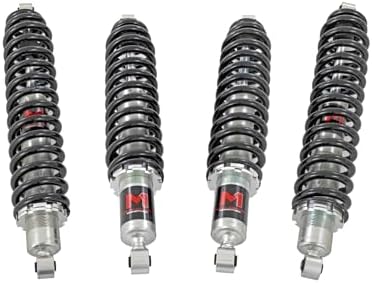
- Incredible ride quality and performance.
- Shock’s treaded body allows for adjustments after installed.
- 2-inch seamless extruded tube. | 46mm digressive piston.