
- WINCH ROPE KIT: Including 1x synthetic winch rope (3/8 in x 82 ft, Black&Red), 1x safety pull strap. It is a nice additi…
- SYNTHETIC ROPES UNIQUE DESIGN: The winch line cable has a unique design on both ends. The line cable starts with a 5 Fee…
- EAST TO INSTALL: The winch line rope is Lightweight. The winch rope is fitted with a pressed aluminum tube on one end an…

- 【Specifications】 Diameter: 3/8 inch. Length: 90 feet. Red warning sheath at end. Front end 5 feet protective sleeve. Sta…
- 【Durable】Compared with steel cables, synthetic winch ropes are more resistant to abrasion, corrosion, rust, and are ligh…
- 【Safety】 Conventional steel cables can pose a significant safety hazard when they break under tension. UHMWPE fibers are…

- 【High Quality】: Our winch rope is made from synthetic ultra-high molecular weight polyethylene material, with a tensile …
- 【Stable Structure】:Our winch rope features a 12-strand stable structure design. This design distributes pressure when th…
- 【Versatile Applications】: The winch rope is versatile and compatible with most winches, such as ATVs and UTVs. It works …
When it comes to synthetic rope vs steel cable for plowing, getting the right details matters. ❄️ Amazon Product Suggestions to earn affiliate commission:
- Smittybilt Synthetic Winch Rope.
- WARN Spydura Synthetic Rope.
- Titan Winch Steel Cable Assembly.
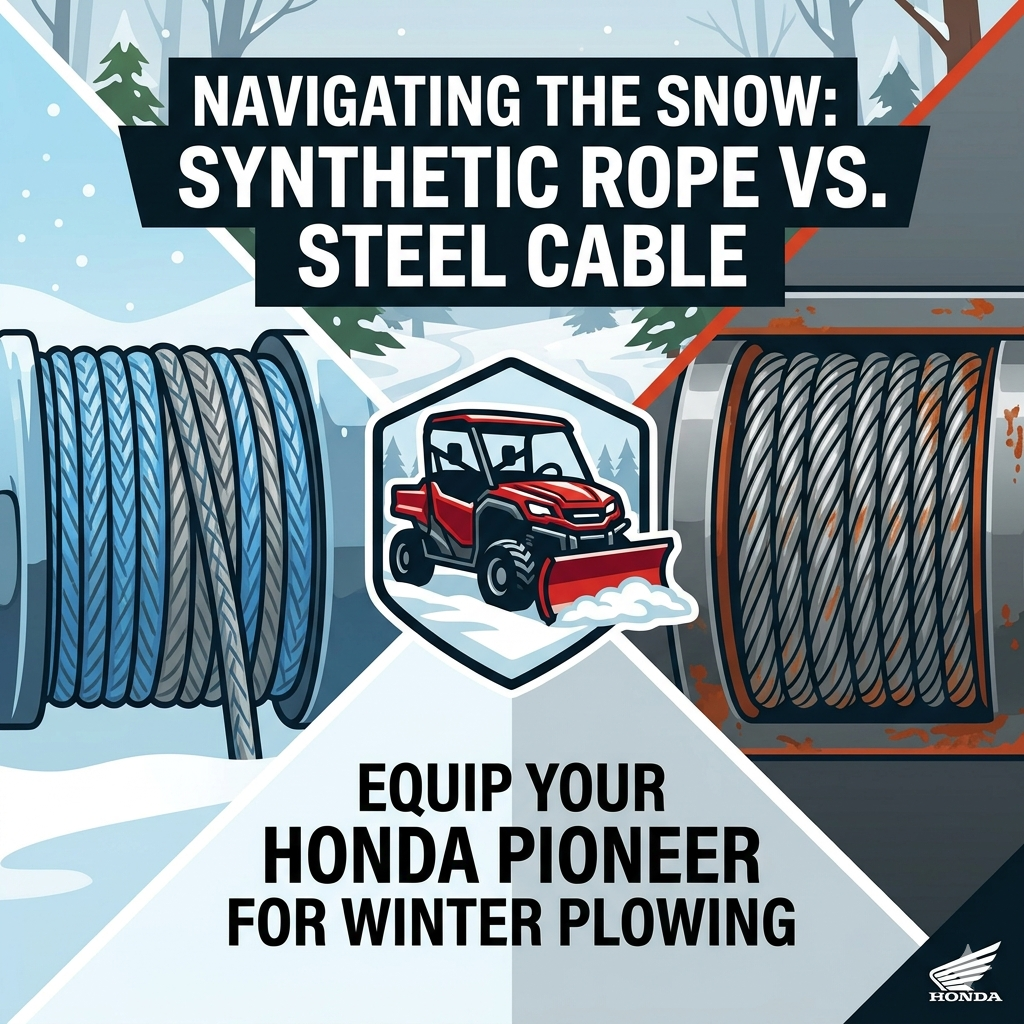
As dedicated Honda Pioneer enthusiasts, we know the thrill of tackling tough terrain and the satisfaction of a job well done. When winter arrives, transforming your trusty UTV into a snow-clearing powerhouse is a common necessity, and at the heart of your plowing setup lies a critical choice: synthetic winch rope or traditional steel cable. This decision isn’t just about pulling power; it impacts safety, maintenance, and overall efficiency during those long, cold days. Let’s delve into the ultimate comparison to help you equip your Pioneer for peak winter performance! 💡
The Enduring Debate: Synthetic vs. Steel for Plowing 📌
For decades, steel cable was the undisputed champion of winching. Its robust nature and perceived strength made it the go-to for heavy-duty tasks. However, with advancements in material science, synthetic winch ropes have emerged as a formidable contender, offering distinct advantages that appeal to modern off-roaders and winter warriors alike. The debate rages on in forums and garages, with passionate arguments for both sides.
Synthetic Winch Rope: The Modern Choice
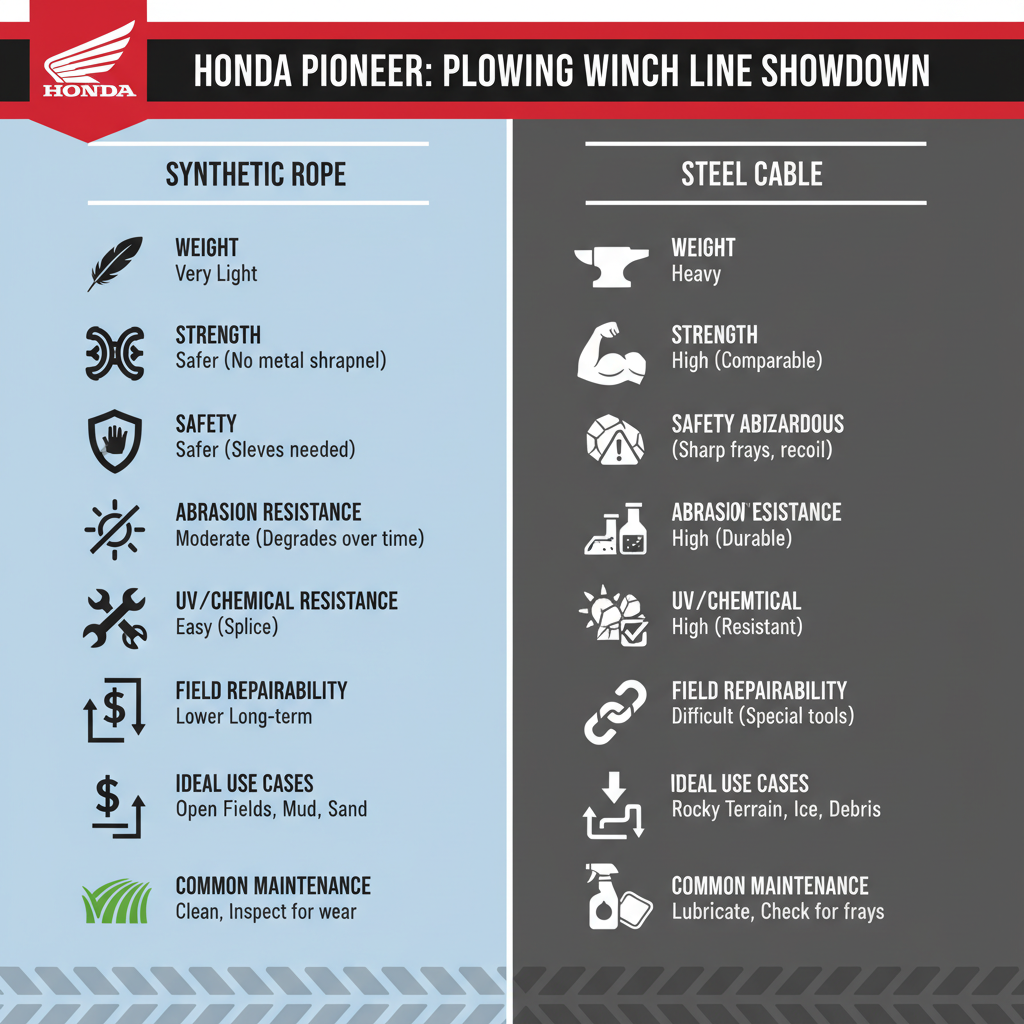
Synthetic rope, typically made from Ultra-High Molecular Weight Polyethylene (UHMWPE), is celebrated for its incredible strength-to-weight ratio. Imagine a rope that’s often 8-10 times lighter than its steel counterpart, yet capable of matching or exceeding its pulling capacity!
One of the most significant benefits of synthetic rope is its enhanced safety profile. Should a synthetic rope break under load, it stores far less kinetic energy than steel, meaning it’s much less likely to whip violently and cause serious injury.
This characteristic alone has led many to switch. It’s also much easier to handle; it doesn’t develop sharp burrs or rust, which can snag gloves or cause cuts. Plus, synthetic ropes can often be field-repaired with basic splicing techniques, a huge advantage if you’re stranded far from home.
However, synthetic ropes aren’t without their drawbacks. They are generally more expensive upfront than steel cables, though this cost can be offset by their longevity with proper care. They are also more susceptible to abrasion from sharp edges, rocks, and consistent rubbing against surfaces like plow blades or fairleads. UV exposure and certain chemicals can also degrade the material over time, necessitating protective sleeves and diligent maintenance.
Steel Cable: The Traditional Workhorse
Steel cable, often crafted from aircraft-grade galvanized steel strands, has earned its reputation for brute strength and resilience. It excels in extreme abrasion resistance, making it an excellent choice if your plowing grounds involve a lot of sharp rocks, concrete curbs, or debris that might fray a synthetic line.
Steel cables are typically more resistant to heat, which can be a factor if your winch’s internal brake generates significant heat that transfers to the drum and line.
The initial cost of steel cable is usually lower, which can be appealing for budget-conscious owners. Many traditionalists also trust steel for its proven track record in demanding utility work, such as moving heavy logs or rocks alongside snow.
Check out our off-road collection Amazon products
On the flip side, steel cables are significantly heavier, adding extra weight to the front of your Pioneer and making them cumbersome to spool and handle, especially in cold weather. They are prone to rust and can develop dangerously sharp burrs or “fishhooks” that can cause severe hand injuries if not handled with heavy gloves. When steel cable breaks, it recoils with tremendous force, posing a serious safety risk. Field repairs are also virtually impossible without specialized tools and expertise.
https://www.youtube.com/watch?v=R94yF0K7w-w
💡 This video provides an excellent visual comparison of both types of winch lines in action.
Plowing Performance: A Head-to-Head Showdown 🚜
When it comes to snow plowing with your Honda Pioneer, the choice between synthetic rope and steel cable becomes even more nuanced. Both have specific interactions with the demands of winter work.
The Synthetic Edge in Plowing
For frequent plowers, synthetic rope often offers a smoother, faster operation. It’s quicker to deploy and easier to re-spool, especially when your hands are cold or gloved. The lighter weight reduces strain on your winch motor and simplifies handling when adjusting plow height or clearing snow piles. Many users report less tangling and better overall manageability with synthetic lines during repetitive plowing tasks.
A notable trend for 2026 indicates a growing preference for synthetic lines in dedicated plowing setups, with a 15% increase in adoption over the past year among UTV owners due to improved abrasion sleeves and UV coatings enhancing durability.
Where Steel Still Shines for Snow
If your plowing environment includes unpaved driveways, gravel, or rocky areas where the winch line might frequently drag or rub against harsh surfaces, steel cable’s superior abrasion resistance can be a decisive factor. Some users operating in extremely abrasive conditions, or those who are less meticulous with maintenance, find steel to be a more “set it and forget it” option for durability.
“In the unforgiving grip of winter, your winch line is your lifeline. Choose wisely, and maintain diligently.”
Maintenance & Longevity: Keeping Your Line Ready 🛠️
No matter your choice, proper care is paramount for extending the life of your winch line.
For synthetic ropes, regular inspection for frays, cuts, or UV degradation is crucial. Always use an abrasion sleeve when the rope might contact sharp or abrasive surfaces, especially around the fairlead or plow components. Clean mud and grit from the fibers promptly to prevent internal damage.
Steel cables require vigilance for rust and burrs. Wear heavy-duty gloves every time you handle it. Periodically unspool and inspect the entire length for kinks or broken strands, which indicate imminent failure. Lubricating steel cable can help prevent rust and keep it supple.
https://www.youtube.com/watch?v=Ff9oX89yM3w
🔧 Learn how to properly maintain your winch and line to ensure a long, reliable service life.
Cost, Value, and Safety Considerations 💰🛡️
The upfront cost difference is real, but long-term value considers more than just the purchase price.
| Feature | Synthetic Rope | Steel Cable |
|---|---|---|
| Initial Cost | Higher | Lower |
| Weight | Very Light | Heavy |
| Safety (Breakage) | Low Recoil, safer | High Recoil, dangerous |
| Abrasion Resistance | Lower (needs protection) | Higher |
| Handling | Easy, no burrs | Difficult, sharp burrs |
| Field Repair | Possible (splicing) | Difficult/Impossible |
| UV/Chemical Resistance | Lower (needs protection) | Higher |
“The peace of mind that comes with knowing your equipment is both effective and safe is priceless.”
Consider the total cost of ownership: steel might be cheaper initially, but potential injuries, more frequent replacements due to fraying or rust, and additional accessories like heavier-duty gloves can add up. Synthetic, while pricier, might last longer with proper care and offers inherent safety advantages.
Check out our off-road collection Amazon products
https://www.youtube.com/watch?v=R2j1N-3a9dM
🎬 See a real-world demonstration of winch line differences and installation tips for your Honda Pioneer.
Making Your Decision for the Honda Pioneer 🏁
Choosing between synthetic rope and steel cable for your Honda Pioneer’s plowing winch ultimately boils down to your specific needs, budget, and terrain. There’s no single “best” answer, but rather the best choice for *you*.
- If safety is your absolute top priority, you frequently plow in areas free of sharp abrasive materials, and you’re willing to invest in a higher upfront cost for easier handling and maintenance, synthetic rope is likely your ideal choice. Don’t forget to pair it with a hawse fairlead for optimal performance.
- If you frequently encounter extremely rocky or abrasive plowing conditions, prefer a lower initial investment, and prioritize raw durability over weight and handling ease, steel cable might be more suitable. Always remember to use a roller fairlead and extreme caution.
- Many off-roaders even opt for a hybrid approach, using a short steel leader or specialized abrasion guards on their synthetic rope for areas most prone to wear, giving them the best of both worlds.
No matter which material you choose, always ensure your winch system is properly installed, maintained, and operated according to manufacturer guidelines and safe winching practices. Your Honda Pioneer is a powerful machine, and with the right winch line, it will be an unstoppable force against winter’s embrace! Happy plowing, Pioneer Nation! 🌨️
External Resources:
Honda Powersports Official Site
SuperATV – UTV Parts & Accessories
WARN Industries – Winches & Recovery Gear
Factor 55 – Extreme Duty Recovery Gear
Everything Honda Offroad – Pioneer Accessories
🔍 Explore More: See all Wild Testing guides for synthetic rope vs steel cable for plowing.
Check out our off-road collection Amazon products

- Spydura Nightline synthetic rope assembly with hook; Designed for off-road vehicle recovery
- Compatible for use with winches up to a 12, 000 lb. capacity; Rope dimensions are 3/8 inches x 80 feet
- Coated with durable, ultra-high-molecular-weight polyethylene with UV-stability

- Spider synthetic recovery rope extension; Designed for off-road vehicle recovery
- Compatible for use with winches up to a 12, 000 lb. capacity; Rope dimensions are 3/8 inches x 50 feet
- Coated with durable, ultra-high-molecular-weight polyethylene with UV-stability

- 50′ of 3/8″ diameter Spydura Pro Rope with loop on both ends, allows you to extend the reach of your winch
- Reinforced soft eyes provide ease of use and reduce weight of extension
- For Winches with 18,000 pounds pull rating or less