
The “Burning Rubber” Panic: Is My Pioneer 1000 on Fire?
You are deep on a trail, navigating a steep incline or a thick mud hole in your Honda Pioneer 1000.
Suddenly, a pungent, acrid odor fills the cabin, smelling distinctly like burning rubber.
Your first instinct is likely panic, assuming you have shredded a drive belt like you might have on a Polaris or Can-Am.
However, here is the critical truth: The Honda Pioneer 1000 does not have a drive belt!
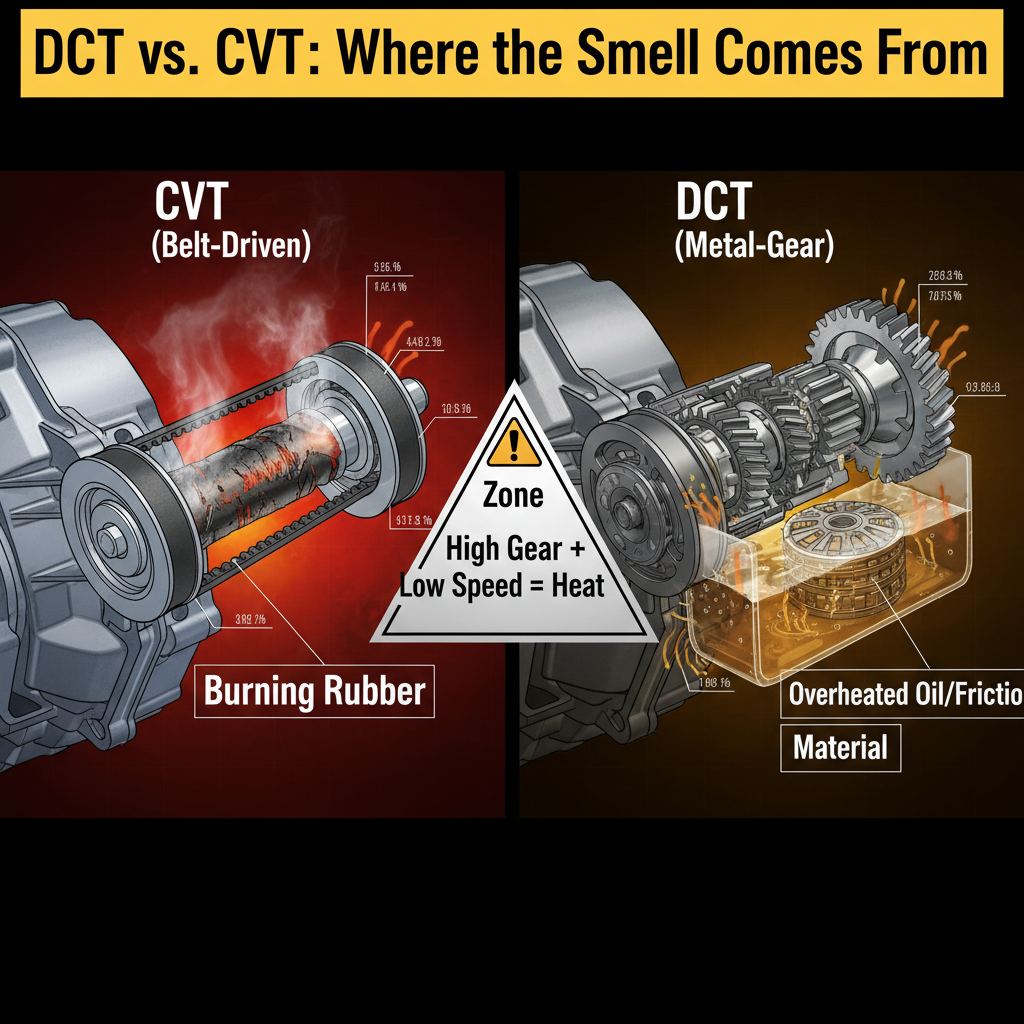
This machine uses a sophisticated Dual Clutch Transmission (DCT), which is a gear-driven system similar to a manual car but shifted automatically.
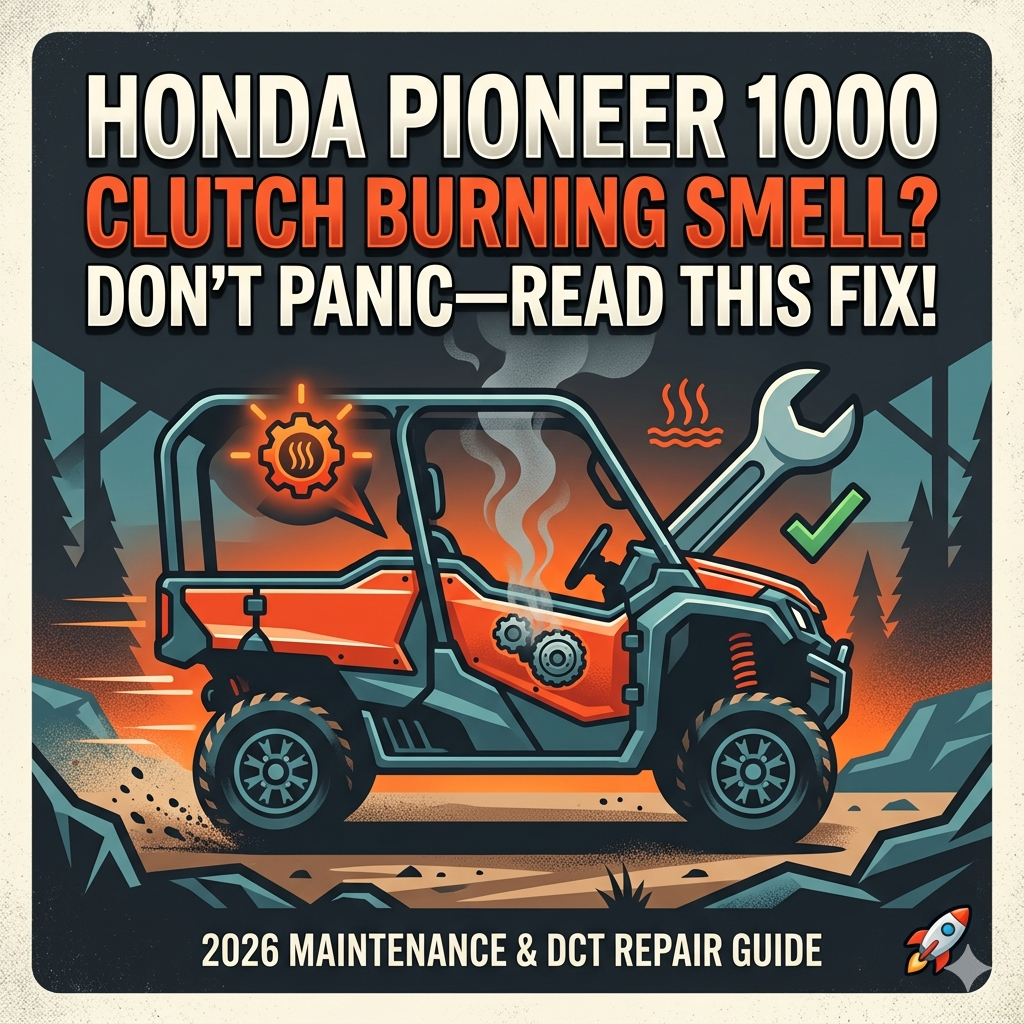
So, if there is no belt to burn, what exactly is causing that honda pioneer 1000 clutch burning smell?
Understanding the source of this odor is the difference between a simple trail-side cool-down and a $2,000 repair bill.
In this guide, we will break down exactly what is cooking, why it happens, and how to fix it with the latest 2026 insights.
https://www.youtube.com/watch?v=S8gT9D8zXJQ
The Real Culprit: Wet Clutches and User Error
The “burning rubber” smell in a Pioneer 1000 is almost always actually burning oil or overheated friction material from the clutch packs.
The DCT system uses two separate clutches: one for odd gears (1, 3, 5) and one for even gears (2, 4, 6).
These are “wet” clutches, meaning they are bathed in engine oil to keep them cool and lubricated.
When you slip these clutches excessively, the friction material heats the oil rapidly, creating a smell that mimics burning rubber.
Check out our off-road collection Amazon products
The number one cause of this issue is driving in High range when you should be in Low range.
Many owners treat the Pioneer 1000 like a CVT-driven machine, thinking they can power through mud or crawl over rocks in High gear.
Doing this forces the clutch to “slip” to maintain engine RPM without stalling, generating massive amounts of heat.
Once the oil overheats, it loses its ability to protect the plates, leading to that terrifying smell.
Other Sneaky Sources of the Smell
While the clutches are the primary suspect, they aren’t the only potential cause.
Stuck brake calipers are a surprisingly common issue on the Pioneer 1000, especially after mud riding.
If a caliper seizes, the brake pad drags against the rotor, creating intense heat and a very strong burning odor.
Another possibility is the sub-transmission not being fully engaged.
If the linkage is slightly out of adjustment, the dogs in the sub-transmission might be rubbing, creating heat and metal shavings.
Always check your parking brake; driving with it even partially engaged will smell exactly like a burning clutch!
Finally, check for debris like dry grass or mud caked onto the exhaust pipe or engine block.
https://www.youtube.com/watch?v=kR2yTqJg4fU
2024 – 2026 Updates: Has Honda Fixed This?
As we move into the 2025 and 2026 model years, enthusiasts often ask if Honda has “fixed” the clutch burning issue.
It is important to understand that the DCT design itself is robust and is not “broken”—it simply requires specific driving habits.
Recent updates have included refined ECU mapping that helps the transmission shift more intelligently to avoid unnecessary slippage.
Honda has also improved heat shielding in newer models to reduce cabin heat, which can sometimes be mistaken for mechanical overheating.
However, no amount of software updates can prevent physics; if you tow heavy loads in High gear, you will still burn the clutches.
The 2026 models continue to use the same fundamental DCT architecture, meaning the advice to “Use Low Range” is as relevant as ever.
Forum discussions in 2025 indicate that many new owners still face this learning curve.
| Scenario | Recommended Gear | Risk of Burning Smell |
|---|---|---|
| Cruising flat trails > 15 MPH | High Range | Low |
| Climbing steep hills | Low Range | High (if in High gear) |
| Towing or hauling heavy loads | Low Range | Very High |
| Navigating deep mud or water | Low Range | Extreme |
| Technical rock crawling | Low Range | High |
Troubleshooting & The “Clutch Relearn” Fix
If you have smelled the burning odor, don’t panic—you may not have permanent damage yet.
First, stop the vehicle immediately and put it in Park.
Do not turn the engine off; let it idle for a few minutes to allow the oil to circulate and cool the clutch packs.
Once cooled, check your oil level and condition; if it smells burnt or is black, change it immediately.
Check out our off-road collection Amazon products
One of the best “secret” fixes for a slipping DCT is the Clutch Initialization (Relearn) Procedure.
This forces the computer to re-calibrate the engagement points of the clutches, often fixing slippage issues.
To do this, ensure the engine is at operating temperature and the vehicle is in Neutral.
The specific combination usually involves pressing the brake and toggling paddle shifters (consult your service manual for the exact sequence for your year model).
“A successful clutch relearn can make a sloppy, slipping transmission feel brand new again.”
https://www.youtube.com/watch?v=Fj2pT7X1CqI
Preventative Maintenance for Longevity
Preventing the honda pioneer 1000 clutch burning smell is cheaper than fixing it.
The single most important step is using the correct engine oil.
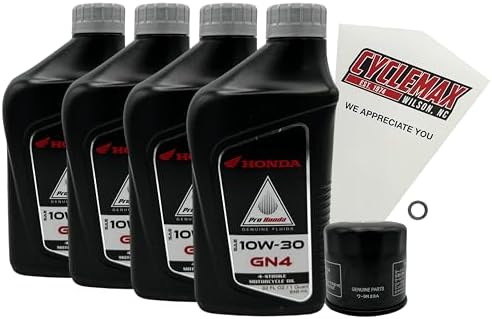
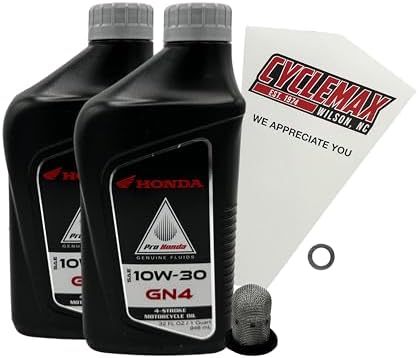
Since the engine oil also lubricates the transmission, you must use JASO MA certified oil (like Honda GN4) that is designed for wet clutches.
Automotive oils with “friction modifiers” will cause your clutches to slip instantly and burn up.
Change your oil more frequently than the manual suggests if you ride in mud or dust.
- Inspect the sub-transmission shift linkage annually to ensure it is fully engaging gears.
- Clean debris from your radiator and oil cooler to keep operating temps down.
- Listen for “chatter” when taking off—this is an early warning sign of clutch wear.
- Install a bilge fan or improved venting if you ride in extreme heat.
- Always come to a complete stop before shifting between High, Low, and Reverse.
By respecting the mechanical limits of the DCT and maintaining your fluids, your Pioneer 1000 will be a reliable workhorse for years to come.
For more detailed technical data, you can visit the official Honda Powersports Pioneer 1000 page.
If you are looking for community support, the HondaSxS Club is an invaluable resource for real-time advice.
Check out ThumperTalk for general off-road maintenance discussions.
Another great resource for parts diagrams is Partzilla.
Finally, for in-depth oil analysis information, visit Blackstone Laboratories to see if your clutch material is wearing excessively.
🔍 Explore More: See all Wild Testing guides for honda pioneer 1000 clutch burning smell.
Check out our off-road collection Amazon products
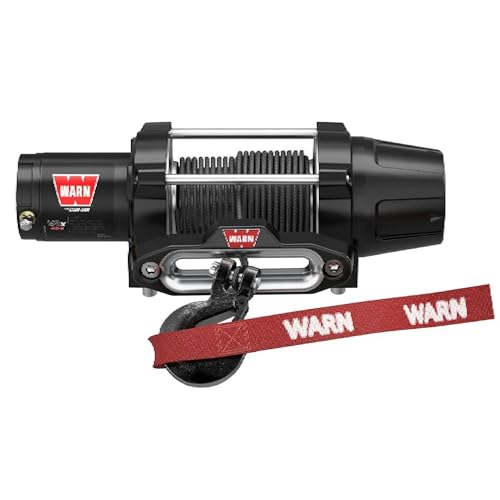
- Extreme IP68-rated waterproof sealing keeps the elements out
- 50 ft. of 1/4″ (15 m of 6.3 mm) synthetic rope
- Pulling strength capability of 4,500 lb (2,041 kg)
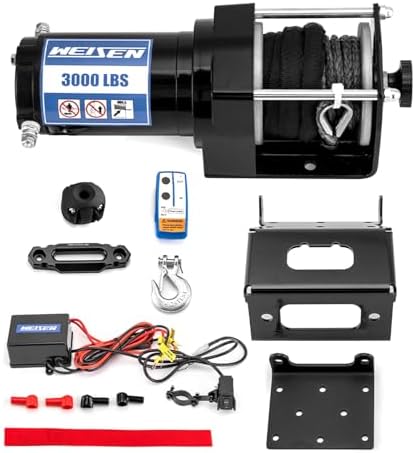
- Fitment: This Electric Winch Kit fit Rancher TRX420 2015-2025, fit Foreman TRX500 2014-2019, fit Foreman TRX520 2020-202…
- Corded Control Rocker Switch The winch kit includes rocker switch for Control. You can mount the rocker controller direc…
- Towing Capacity Up to 3000 lbs: Equipped with a 3-stage Planetary Drive Gear system and 153:1 gear speed ratio that deli…
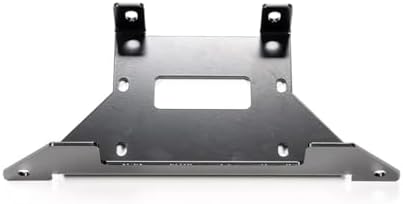
- WARN builds a durable, long-lasting mounting system for nearly every ATV on the trail.
- To optimize the performance of your WARN winch, each system is custom-designed to fit a specific ATV model.
- Not 1 style fits H-D all.