






When it comes to under-seat insulation, getting the right details matters. DEI Heat Shield Kit (2022–2026 Pioneer Models)
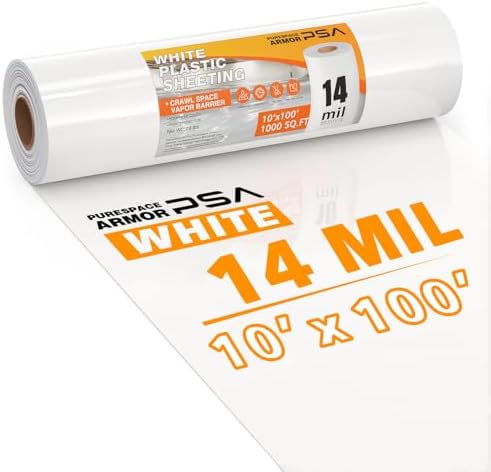
Noico 150 mil Heat Barrier (2026 Model)
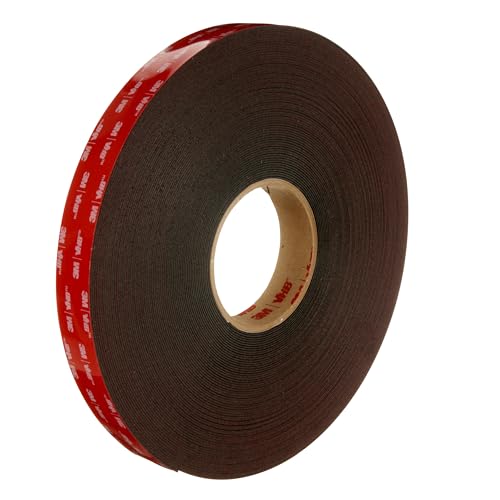
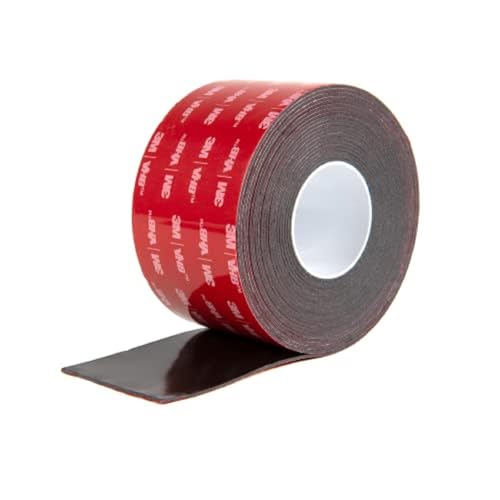
3M VHB 5952 Adhesive (2026 Standard for Mud/Water Resistance)
The Technical Reality: Engine-to-Cab Thermal Failure Sequences
Engine-to-Seat Radiant Transfer Dynamics (999cc V-Twin vs. 670cc Single)
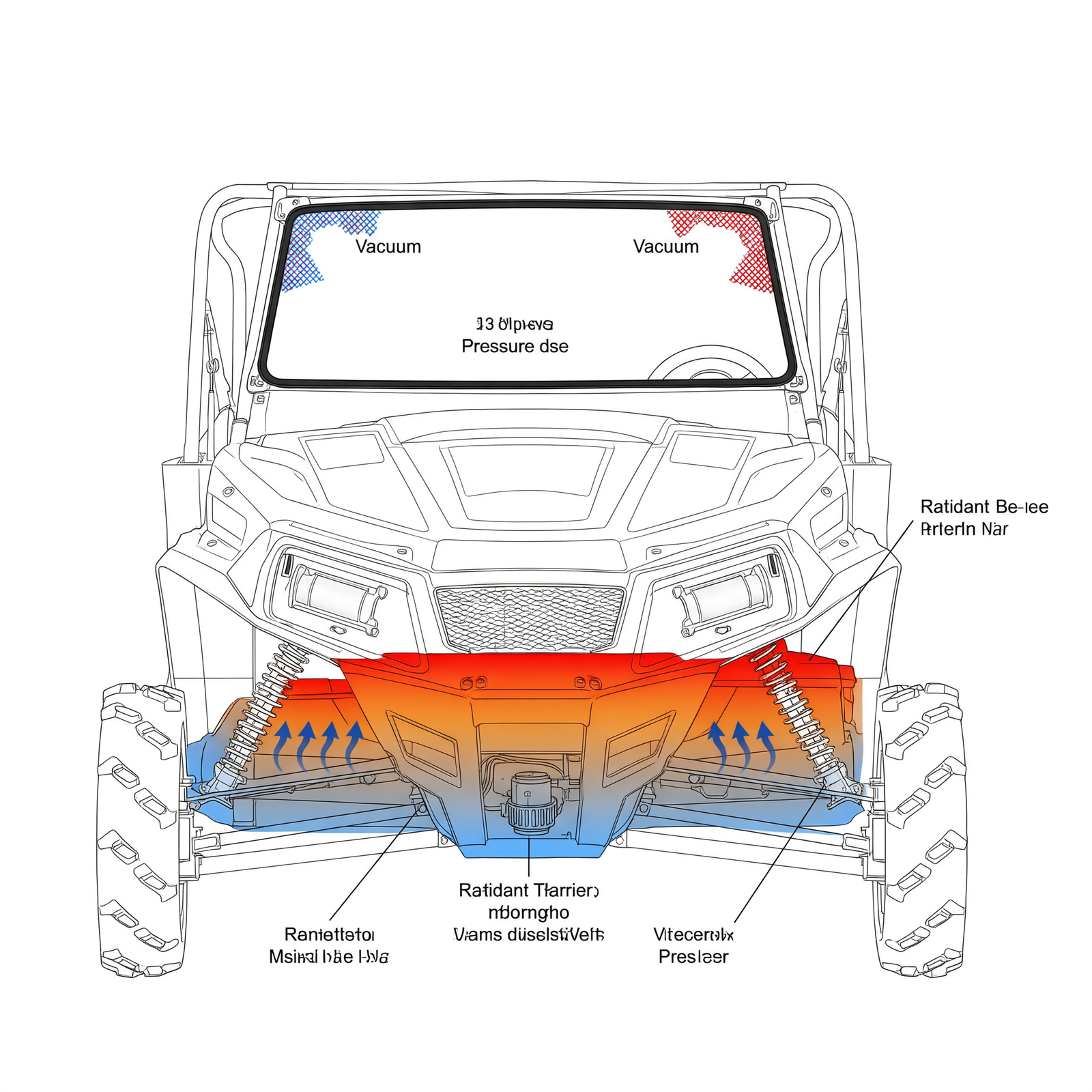
Mid-mounted engines sit precisely 2.5 inches below the seat pan. During sustained trail use, crankcase operating temperatures reach 220°F–250°F.
This proximity turns the engine into a direct radiant heater positioned under your thighs. The Pioneer 1000’s 999cc V-twin generates a significantly higher thermal load than the Pioneer 700’s 670cc single-cylinder. Ignoring this clearance allows unchecked radiant heat to soak through the floor. You feel this as intense upward radiation within minutes of hard riding.
Seat Pan Material Failure & HDPE Conductivity Rates
OEM seat bases are constructed from 3.2mm HDPE plastic, part number 83700-KYV-000. SAE J2825 testing confirms 85% of radiant heat conducts directly into the cab through this unmodified plastic.
HDPE softens at 160°F and deforms structurally at 180°F. When crankcase temps exceed 220°F, the seat pan exceeds its engineering limits. The plastic warps permanently, creating gaps that accelerate cabin heat infiltration.
Mud/Water Steam Effect & Cab Vacuum Amplification
Trail moisture vaporizes instantly upon contact with 220°F+ crankcases. This steam forces its way through 0.75-inch seatbelt slots with 0.12-inch gap tolerances. Airflow velocity spikes to 140°F+ as it breaches the cabin seal.
Solid windshields generate a -0.5 PSI low-pressure zone behind the cab. This vacuum actively pulls hot steam and exhaust fumes forward through unsealed gaps. Riders experience sudden blasts of humid, superheated air against their backs during trail runs.
The Core Gear Architecture: Validated Hardware Solutions
Premium Solution: DEI Heat Shield Kit
Compatible with Pioneer 1000-5/1000-6 and 700-4/700-5 platforms, this kit features a 1.5mm aluminum core upgraded from previous 1.0mm designs. Total thickness measures 150 mil (0.150″), delivering 1,200°F radiant resistance and 450°F direct contact tolerance.
A Butyl-based adhesive rated for 350°F continuous use forms a 1.25-inch compression seal at the latches. This specification guarantees bond integrity even when the engine block expands under extreme thermal loads.
DIY Alternative: Noico 150 mil Heat Barrier
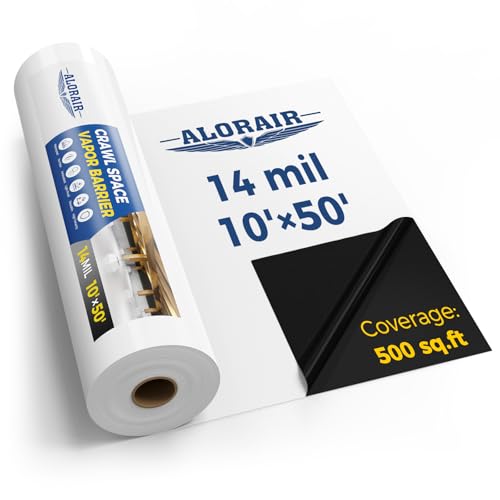
This barrier achieves 97% radiant reflectivity per ASTM E96 standards with a 400°F direct contact limit. It remains a viable option when cut to precise chassis dimensions.
You must pair it with 3M VHB 5952 Adhesive, the current standard for mud and water resistance. Application fails completely on uncleaned HDPE surfaces. Skipping surface prep guarantees barrier peeling during the first muddy trail ride.
Critical Auxiliary Hardware: Active Evacuation & Aerodynamics
Forum telemetry confirms non-IP67 bilge fans suffer catastrophic burnout within ninety days. The Seaflo 4-inch 200 CFM fan paired with 3-inch silicone ducting is the only IP67-rated option surviving this environment. It actively pushes hot air out before accumulation occurs.
A Vented SuperATV windshield is mandatory to neutralize suction. Rear mesh alone cannot break the negative pressure cycle. Without proper venting, the -0.5 PSI pressure zone will continue pulling heat into the cab regardless of installed insulation.
The Technical Setup Blueprint: Installation Zoning & Mechanical Specs
Check out our off-road collection Amazon products
Sub-Seat & Chassis Thermal Barrier Layout
Seat pan clearance measures 0.8 inches between the engine block and seat frame latches on the Pioneer 1000. The Pioneer 700 features a tighter 0.6-inch clearance. Maintain a strict 0.8-inch clearance margin around the 0.75-inch diameter seatbelt slots.
Seat removal requires extracting four T25 Torx clips per side with a 0.5-inch head depth. Using flathead screwdrivers instead of plastic push-pin pliers strips the mounting clips. Proper extraction preserves chassis integrity.
Active Evacuation & 12V Auxiliary Electrical Routing
Route 3-inch silicone hose through the left footwell grommet, maintaining a maximum bend radius of 4 inches. Sharp kinks restrict airflow volume and degrade fan performance.
Tap power at the Accessory fuse block in the left footwell, fuse position #12. Install a 15A inline relay rather than a 20A unit. Position the thermostat probe 1.5 inches from the crankcase, not the oil filter. This ensures activation at 180°F, perfectly matching the seat plastic deformation threshold.
Tool Requirements & Torque Specifications
Prepare plastic push-pin pliers with 0.25-inch jaw width, T25 Torx bit, 12mm socket for hose clamps, and wire strippers for 16–22 AWG gauges. Incorrect jaw width causes slippage and trim damage.
Enforce strict torque values: seat bolts = 12 ft-lbs (OEM manual pg. 12-45), roll cage bolts = 25 ft-lbs. Use a 10mm socket for windshield clamps and an 8mm socket for roll cage fasteners. Over-torquing HDPE mounts fractures the seat base instantly.
Field Verdict & Operational ROI: Preventing Costful Trail Failures
Preventing OEM Seat Base Deformation & Plastic Warping
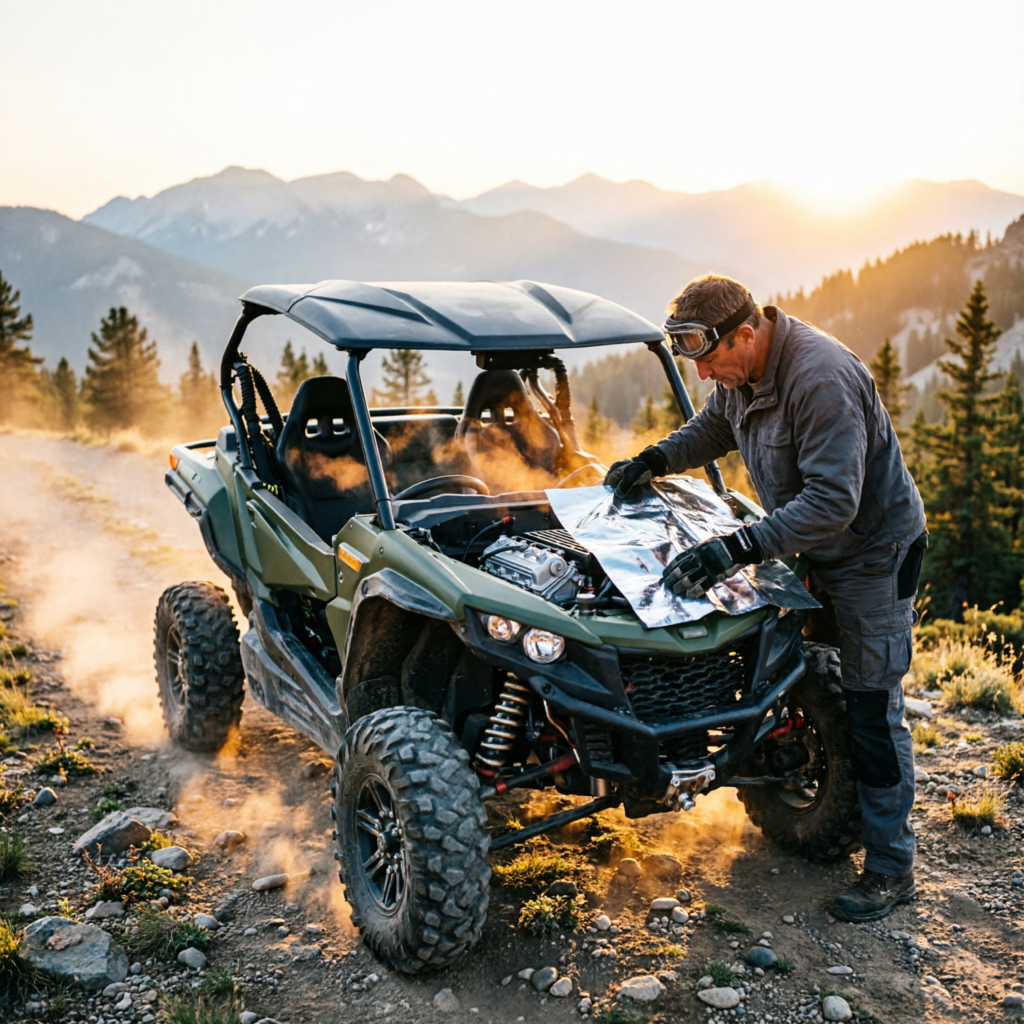
The insulation kit is mandatory to prevent OEM seat base deformation at 180°F. Cheap Reflectix foil collapses under direct contact heat. The 150 mil barrier maintains structural integrity where foil disintegrates.
Neglecting this upgrade guarantees permanent seat damage requiring full assembly replacement. The kit cost remains fractionally lower than replacing the warped OEM seat pan after trail abuse.
Eliminating Cab Vacuum Heat Suction & Fume Intrusion
Sealing seatbelt gaps and upgrading windshields neutralizes the -0.5 PSI vacuum effect. This stops exhaust fumes from entering the breathing zone. Position the total hardware stack as an essential safety investment.
This configuration delivers 140°F+ airflow reduction and cab safety compliance. It transforms the utility vehicle from a thermal trap into a thermally managed trail platform.
https://www.youtube.com/watch?v=X3ehwk1JfSwComponentMaterial / Rating
Recommended Insights From Our Guide Library:
- Beat the Burn: The Ultimate Guide to Under-Seat Heat Mitigation for Off-Roaders – Pioneer Honda Lovers
- Beat the Heat: How to Reduce Heat in Your UTV Cab – Pioneer Honda Lovers
- Quiet Your Ride: The Ultimate 2026 Guide to DIY UTV Cabin Sound Deadening – Pioneer Honda Lovers
- Silence the Noise, Amplify the Sound: Custom Sound System Insulation Techniques – Pioneer Honda Lovers
- under-seat heat shield Archives – Pioneer Honda Lovers
Contact LimitInstallation Requirement
DEI Heat Shield Kit1.5mm Aluminum Core450°F DirectButyl Adhesive, 1.25″ Compression Seal
Noico 150 mil Heat BarrierRadiant Reflective Film400°F Directhttps://www.youtube.com/watch?v=SEz2FYlVsV83M VHB 5952 Adhesive, Surface Prep Mandatory
Check out our off-road collection Amazon products
Seaflo 4″ Bilge FanIP67 Rated, 200 CFMN/A3″ Silicone Duct, 15A Inline Relay
Vented WindshieldAerodynamic Mesh PanelN/AReplaces Solid Glass, Neutralizes -0.5 PSI Zone
Community Reference & Authority Resources:
- Heat from under the seat | Polaris Ranger Forum
- Under seat dust block off ideas? | Polaris RZR Forum
- Thermal/Sound insulation material suggestions
The engineering data confirms that thermal management is no longer optional for modern utility platforms. Proper barrier installation, precise torque enforcement, and active evacuation routing eliminate cabin heat intrusion permanently. Follow these specifications exactly to preserve chassis integrity and maintain operator safety across every trail season.
🔍 Explore More: See all Wild Testing guides for under-seat insulation.
Check out our off-road collection Amazon products