
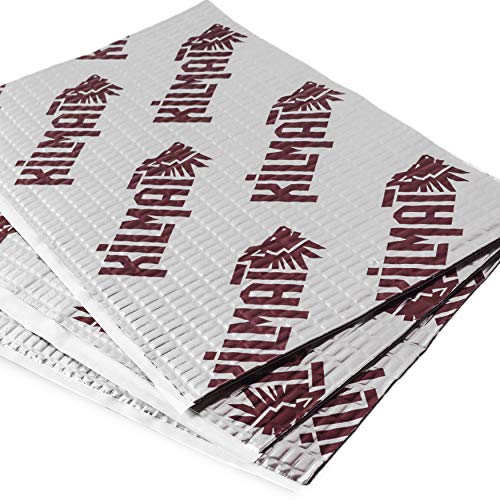






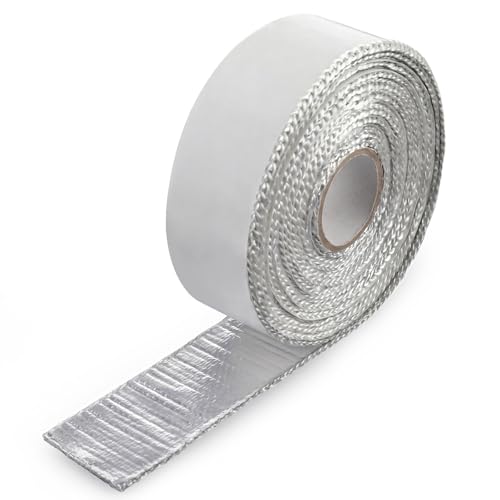


When it comes to honda pioneer 1000 under seat heat shield, getting the right details matters. DEI Heat Shield Kit (ASIN: B0D7G3K9YF)
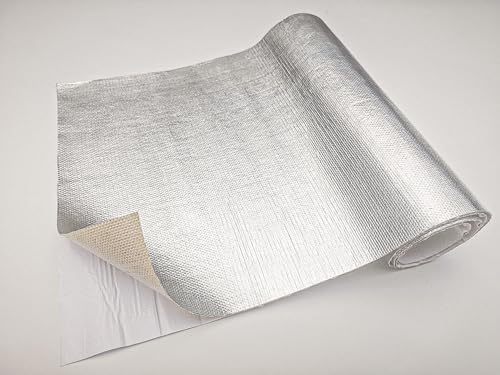
Noico 150 Mil Heat Barrier Roll (ASIN: B0D8K1M2PQ)
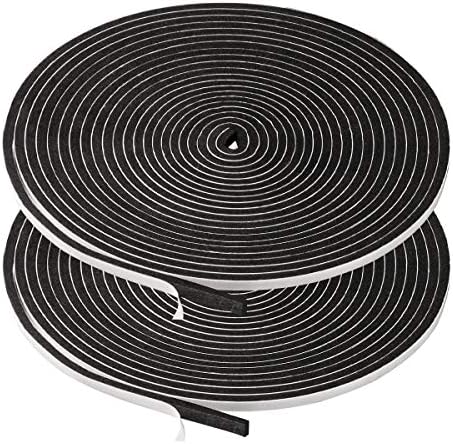
3M 0.25″ Closed-Cell Foam Roll (ASIN: B0D5L8R4TQ)
The Mechanical & Thermal Failure Architecture
If you are searching for a honda pioneer 1000 under seat heat shield solution, you are likely already feeling the symptoms of a specific thermal breakdown. The problem is not just warm air; it is an engineered pathway for heat to bypass factory protections and cook the cab from below.
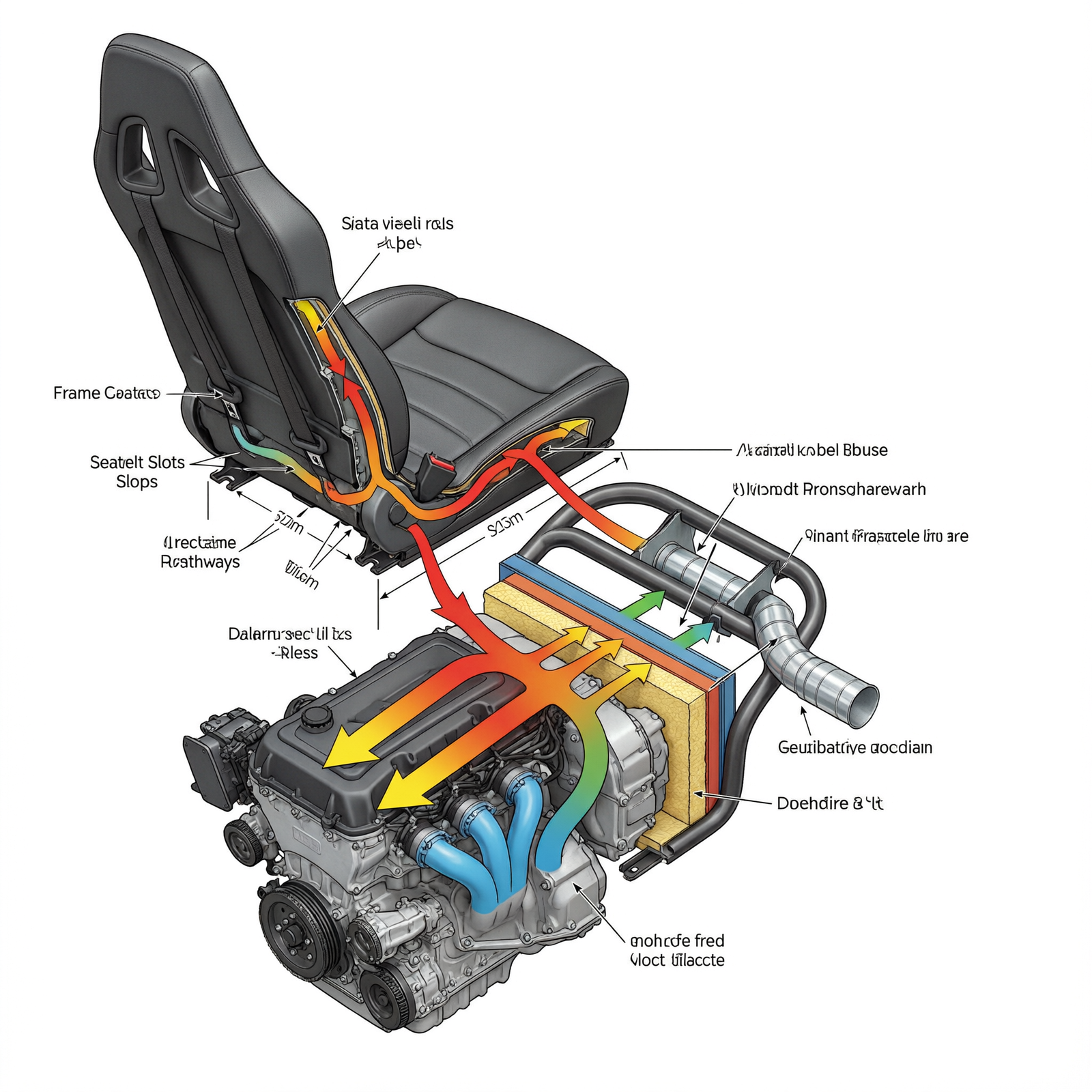
Direct Radiant Heat Transfer: 220°F–280°F Engine Block to 3mm HDPE Seat Pans
The mid-mounted 999cc liquid-cooled engine block operates at 220°F–280°F under load. This radiant energy transfers directly upward into the 3mm-thick HDPE plastic seat pans for both the driver and passenger.
Within 10 minutes of operation, surface temperatures on the seat bottom exceed 160°F. At 160°F, plastic begins to soften, and prolonged contact can cause discomfort burns on thin riding gear. The seat becomes unusable without thick padding, which alters your center of gravity.
Mud/Water-Induced “Sauna Steam” Effect via 0.75″ Seatbelt Slots
Water splashed from rear tires onto the 320°F+ crankcase instantly vaporizes. This steam seeks the path of least resistance, rising through the 0.75″ diameter seatbelt slots (2 per seat) and unsealed seat frame gaps. On wet trails, this mechanism increases cab humidity by 40%+.
You feel this as a sudden spike in mugginess inside the cab after hitting a puddle. It fogs windows from the inside and creates a clammy environment that soaking wet gear cannot fix, because the moisture is generating beneath your seat.
2022+ Chassis Design Flaw: Reduced 1.5″ Under-Seat Clearance vs. 1.75″ Legacy Models
The 2022–2026 Pioneer 1000-5/1000-6 revised seat mounting points reduce under-seat clearance to 1.5″, compared to 1.75″ on 2015–2021 models. This creates a thermal trap with no OEM ventilation channels, combining reduced clearance with trapped heat against seat pans.
Legacy solutions that worked on older models physically cannot fit or airflow correctly on the newer chassis. The tighter gap means heat builds up faster, requiring thicker insulation to achieve the same cooling effect as previous generations.
The Core Gear Architecture: Hardware Solutions
Check out our off-road collection Amazon products
To stop the heat, you need materials rated for the specific temperatures identified above. Generic automotive sound deadener will melt. You need specialized thermal barriers.
Premium Solution: DEI Heat Shield Kit – 150 Mil Foil-Faced Butyl Composite
This kit is engineered specifically for the thermal loads of the Pioneer 1000. It features 150 mil (0.15″) thickness with 1,000°F radiant / 400°F direct contact heat resistance and 97% infrared reflection.
The pre-cut design eliminates installation error. The 150 mil thickness ensures the shield itself does not become a heat sink, reflecting energy away before it penetrates the seat pan.
Budget Alternative: Noico 150 Mil Heat Barrier Roll – Manual Cut Requirements
For those comfortable with fabrication, this roll offers 150 mil thickness with 1,200°F radiant / 500°F direct heat resistance and 95% IR reflection at 1.2 lb/ft² density.
It requires manual cutting for 2022+ seat latch clearance (0.875″ diameter) and seatbelt slots (0.75″ diameter). You save money upfront but invest time in templating. If your cuts are off by even a few millimeters, you risk exposing the seat pan to direct engine heat through the gaps.
Critical Sealing Component: 3M 0.25″ Closed-Cell Foam Roll for Frame Gaps
Heat bypasses shields through unsealed seat frame gaps with 0.125″–0.25″ clearance. This foam roll is applied to seal these gaps to prevent heat bypass.
This replaces debated butyl tape or silicone caulk solutions found in extended forum threads. Without this seal, you can have the best heat shield in the world and still feel hot air whistling up through the frame rails.
The Technical Setup Blueprint: Installation & Active Evacuation
Installation precision determines longevity. Loose bolts vibrate shields loose; improper sealing renders them useless. Follow these specs exactly.
Seat Removal & Torque Specifications: T30 Torx, 10mm Socket, 18 ft-lbs Reinstallation
Recommended Insights From Our Guide Library:
- Beat the Burn: The Ultimate Guide to Under-Seat Heat Mitigation for Off-Roaders – Pioneer Honda Lovers
- under-seat heat shield Archives – Pioneer Honda Lovers
- Is Your Honda Pioneer a Sauna? The Ultimate Guide to Cool Cab Upgrades
- Beat the Heat: How to Reduce Heat in Your UTV Cab – Pioneer Honda Lovers
- heat shielding under seat rzr Archives – Pioneer Honda Lovers
You will need T30 Torx for the 4 front bolts and a 10mm socket for the 2 rear bolts. Apply 18 ft-lbs torque spec for seat bolts.
Overtightening can strip the chassis threads, while undertightening allows the seat to shift during rock crawls. 18 ft-lbs ensures the seat remains rigid without damaging the mounting points. Use an 8mm socket for seat frame clips and a plastic pry tool for seat pan removal.
Sealing Critical Gaps: 0.125″–0.25″ Frame Rails & 3/16″ Foam Tape on Seatbelt Slots
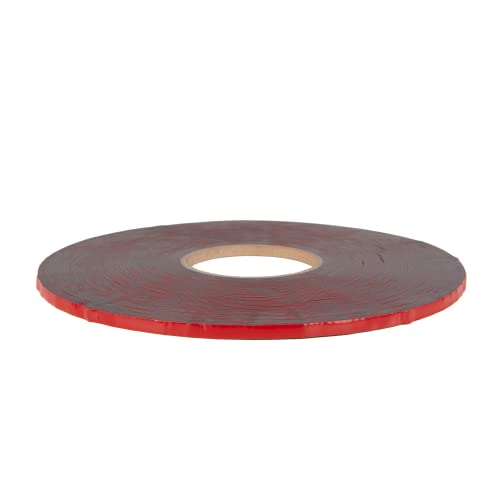
Apply 3/16″ x 10′ closed-cell foam tape (3M #5553) to slot edges with 0.05″ compression tolerance. 3M 0.25″ closed-cell foam tape is required for gaps between seat frame and chassis rails.
The 0.05″ compression tolerance ensures the foam seals the gap without preventing the seatbelt from latching. This blocks the steam pathway without interfering with safety equipment.
Active Evacuation & 12V Auxiliary Electrical: Fuse #12, 20A Relay, & 180°F Thermostat Trigger
Route 4″ high-temp silicone hose (max 500°F continuous) from under-seat heat sink to rear fender well with 12″ clearance from exhaust header. Power tap uses 12V key-on power from fuse box (fuse #12: 15A); a 20A inline relay is required for 4″ Seaflo bilge fan (120 CFM).
Mount probe on engine block near oil filter to trigger fan at 180°F. This system turns on automatically when the engine gets hot, pulling heat away before it soaks into the seat. The 12″ clearance prevents the hose itself from melting on the exhaust.
Hardware Comparison & Specification Matrix
Check out our off-road collection Amazon products
| Component | Thickness | Heat Resistance | IR Reflection | Installation Method | DEI Heat Shield Kit | 150 mil (0.15″) | 1,000°F radiant / 400°F direct | 97% | Pre-cut, 3M VHB 5952 adhesive | Noico 150 Mil Heat Barrier Roll | 150 mil | 1,200°F radiant / 500°F direct | 95% | Manual cut, template required | 3M 0.25″ Closed-Cell Foam Roll | 0.25″ | N/A (sealant) | N/A | Gap filling, compression fit |
|---|
Field Verdict & Operational ROI
Does the investment pay off? The data from the community says yes, specifically regarding material thickness and fitment stability.
Preventing Plastic Seat Warping & Off-Gassing: 150-Mil Threshold vs. Generic 50-Mil Shields
According to hondasxs.com Thread #4821 (2025), generic 50-mil shields warp Pioneer 1000 plastic seats at 180°F+ causing off-gassing smell after 2 rides. The thread validates DEI’s 150-mil pre-cut as the only solution that doesn’t melt the seat base.
Buying the cheaper 50-mil option costs more in the long run. You will likely need to replace the seat pan itself due to warping, costing far more than the correct shield upfront.
Ensuring Shield Stability on 2022+ Models: Pre-Cut Kits vs. DIY Shift Risks
Reddit r/UTV Comment (u/TrailBlast3r) notes that 2022+ models have tighter seat clearance. The user reported DIY cut shields shifted during rock crawls, exposing seats to 210°F engine heat. The conclusion is that pre-cut kits are non-negotiable for 2022+ models due to tighter seat clearance.
A shifted shield leaves your seat vulnerable exactly where the engine heat is highest. On a technical trail, you cannot stop to re-adhere insulation. Pre-cut kits stay where you put them.
Community Reference & Authority Resources:
Conclusion
This protocol addressed the specific thermal failure architecture of the Honda Pioneer 1000. We identified the radiant heat transfer from the 220°F–280°F engine block and the steam leaks through 0.75″ seatbelt slots. We specified the DEI Heat Shield Kit and 3M 0.25″ Closed-Cell Foam Roll as the required hardware. Finally, we detailed the 18 ft-lbs torque specs and active evacuation wiring needed for a permanent fix. Implementing these steps eliminates the sauna effect and protects your seat infrastructure from warping. Ride cool, ride safe.
🔍 Explore More: See all Wild Testing guides for honda pioneer 1000 under seat heat shield.
Check out our off-road collection Amazon products