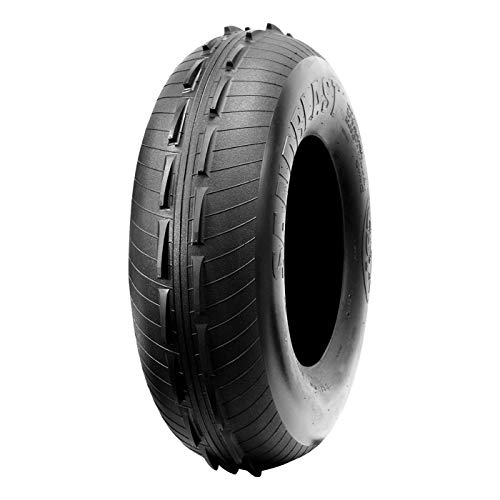
Dune Dominators: The Ultimate UTV Sand Tires Comparison
For UTV enthusiasts, the call of the dunes is irresistible. The vast, undulating landscapes of sand offer a unique and exhilarating off-road experience, demanding a specialized approach to vehicle setup. At the heart of conquering these sandy playgrounds lies one of the most critical components: your dune tires.
Unlike mud, rock, or trail riding, sand requires a tire designed for flotation and propulsion, not digging in. Choosing the best UTV sand tires can dramatically transform your dune-riding experience, turning a struggle into a seamless glide. I’ve spent countless hours navigating sandy terrains, and I can attest that the difference specialized sand dune tires make is monumental.
This comprehensive guide will delve into the world of UTV sand tires comparison, helping you understand the nuances between different types and what makes each excel in specific conditions. We’ll explore the fundamental differences between paddle and ribbed tires, discuss the pros and cons of molded versus buffed designs, and show you how to compare tires side by side based on technical specs.
Whether you are looking for the best ATV tires for sand or upgrading your side-by-side, my goal is to equip you with the knowledge to choose the perfect setup, ensuring maximum flotation, traction, and an unforgettable adventure. Let’s dig in (or rather, float on!) and find your ideal sand setup.
Understanding the Types of Dune Tires: Paddle vs. Ribbed
When embarking on a UTV sand tires comparison, the first and most crucial distinction you’ll encounter is between paddle tires and ribbed (or smooth) tires. These two primary types of tires for sand dunes serve very different functions and are typically used in conjunction to optimize your machine’s performance in sandy environments.
1. Paddle Tires: The Propulsion Powerhouses
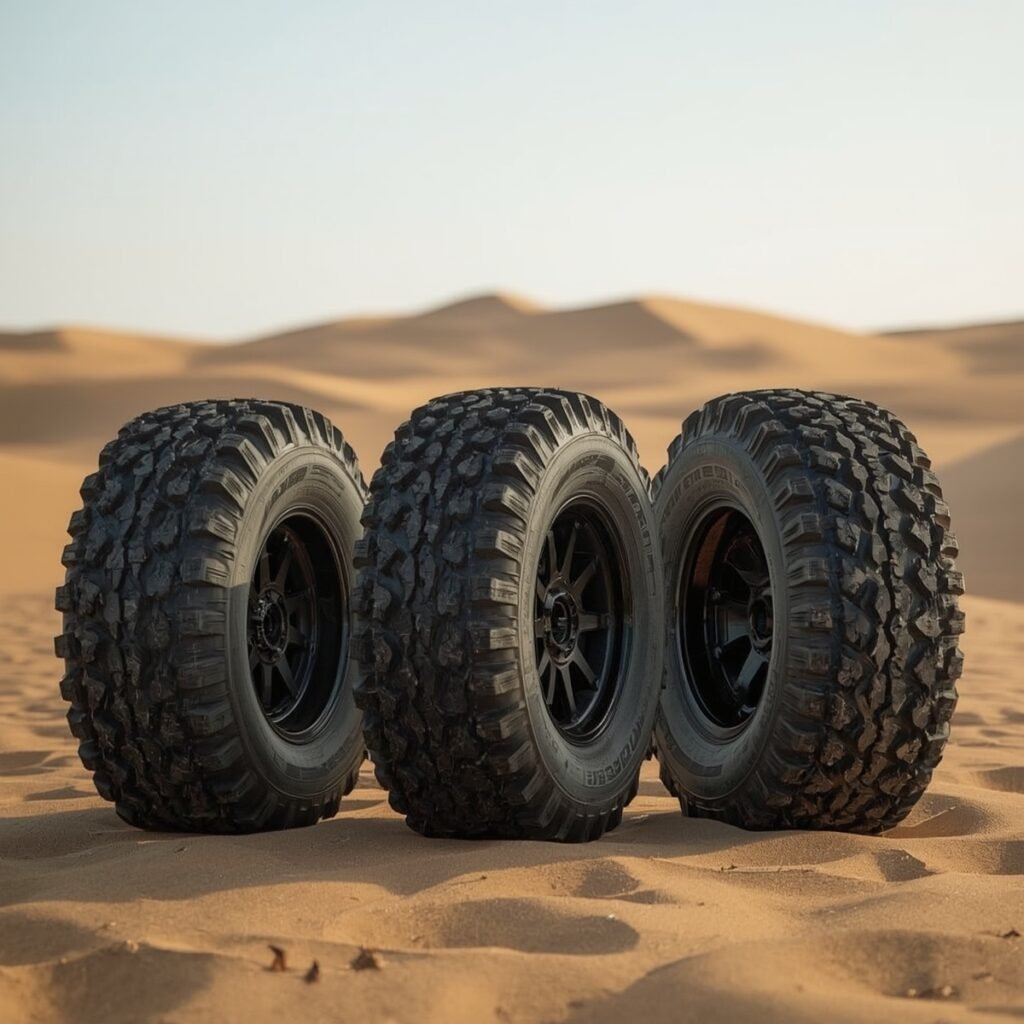
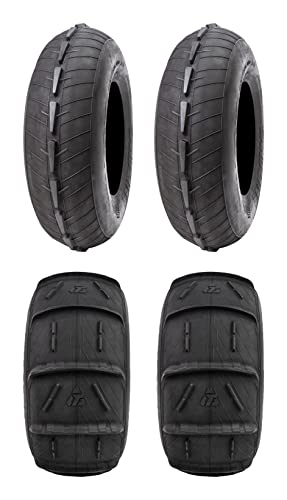
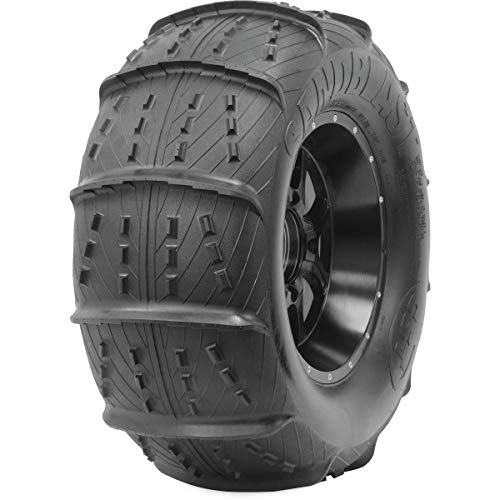
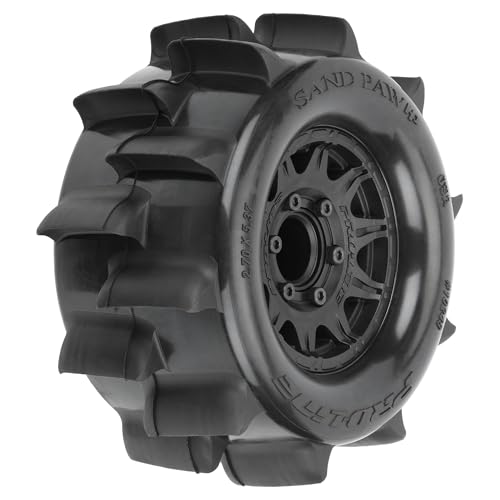
Paddle tires are specifically designed for the rear of your UTV, where the majority of the propulsion and traction is needed. Their distinctive feature is a series of large, scoop-like paddles (or scoops) that are molded directly into the tire’s carcass. These paddles act like miniature shovels, digging into the sand and propelling the UTV forward with immense force. As noted by Valor Offroad, sand tires—especially the rear paddles—give you better acceleration and greater traction, which translates to quicker float and higher speeds.
Key characteristics and considerations for paddle tires include:
- Aggressive Traction: The primary benefit of paddle tires is their unparalleled traction in loose sand. They excel at digging in and providing forward momentum, making them the best sand tires for climbing steep dunes and accelerating quickly.
- Paddle Count and Height: Paddle tires come with varying numbers of paddles (e.g., 8, 10, 12, 14, 16 paddles) and different paddle heights. Generally, more paddles and taller paddles provide more aggressive traction, which is beneficial for higher horsepower UTVs or very soft sand. However, too many paddles or overly tall paddles can create excessive drag, reduce top speed, and put more strain on your drivetrain.
- Molded vs. Buffed:
- Molded Paddle Tires: These tires are manufactured with the paddles already integrated into the design. They are generally more durable and consistent in their performance, offering a good balance of traction and longevity.
- Buffed Paddle Tires: As SuperATV explains, these start as regular off-road tires where the existing tread is ‘buffed’ or shaved off, and paddles are glued or molded onto the smooth carcass. Buffed tires are often lighter than molded ones, reducing rotational mass and improving acceleration. They are popular among racers but may be less durable than fully molded options.
2. Ribbed (or Smooth) Front Tires: Steering and Flotation
While paddle tires handle the propulsion at the rear, the front tires of a UTV in sand serve a different purpose: steering and flotation. Traditional knobby off-road tires would dig into the sand, making steering difficult and causing the front end to plow. This is why ribbed or smooth tires are preferred for the front:
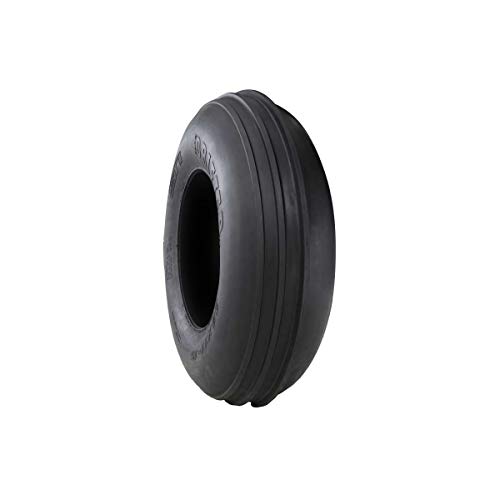
- Enhanced Steering: Ribbed tires feature one or more raised ribs running circumferentially around the tire. These ribs help the tire track straight and provide steering control without digging in excessively. Smooth (or ‘smoothie’) tires have no tread pattern at all, offering maximum flotation and minimal resistance, which is excellent for steering responsiveness.
- Superior Flotation: Both ribbed and smooth front tires are designed to ‘float’ on top of the sand rather than digging into it. This reduces rolling resistance, making it easier for the rear paddle tires to propel the UTV forward and preventing the front end from bogging down.
- Reduced Drag: The minimal tread pattern on these front tires significantly reduces drag, allowing the UTV to maintain higher speeds and conserve horsepower.
The combination of aggressive paddle tires at the rear and smooth or ribbed tires at the front is the standard setup for optimal UTV performance in sand. This pairing ensures that your UTV can effectively accelerate, climb, and steer through the unique challenges of dune riding.
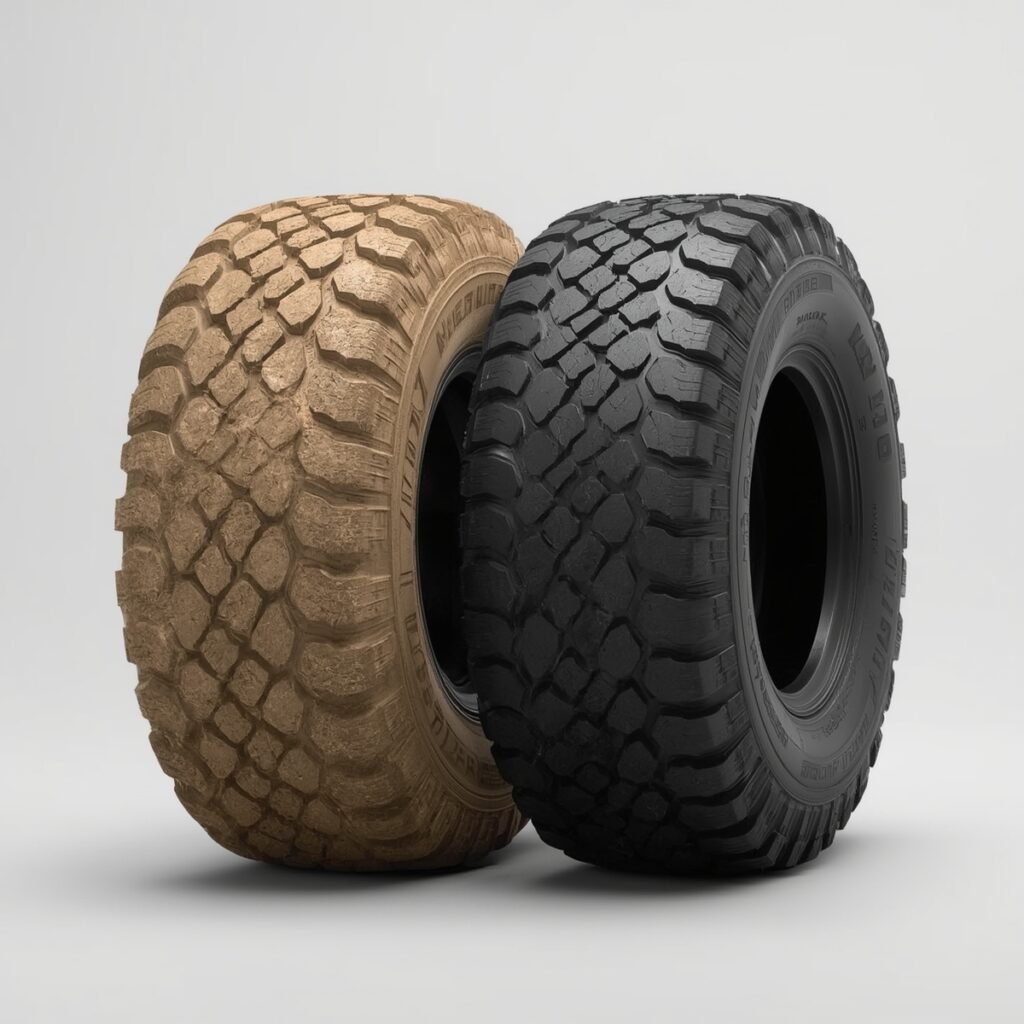
Check out our off-road collection Amazon products
SHOP THE COLLECTIONHow to Compare Tires Side by Side: Technical Specs & Performance
Beyond the basic paddle versus ribbed debate, several other critical factors come into play. When you are shopping around and trying to compare tires side by side, looking at the technical specifications is crucial. Whether you are outfitting the best ATV for sand dunes or a 200HP turbo UTV, understanding these specs will ensure you get the right fit.
UTV Horsepower and Weight
The power output and weight of your UTV are paramount in determining the appropriate paddle tire setup. Higher horsepower machines can typically handle more aggressive paddle designs (more paddles, taller paddles) without bogging down. Conversely, a lower horsepower UTV or the best quad for sand dunes might struggle with too much paddle, leading to excessive drag and reduced top speed. Matching the tire to your UTV’s power-to-weight ratio is crucial for efficient power transfer. For more insights, check out Dirt Wheels Mag’s guide on the Right Sand Tires for your UTV.
Tire Size and Diameter
Choosing the correct tire size is vital. Larger diameter tires generally offer better flotation and ground clearance, which can be advantageous in deep sand. However, they also add rotational mass and can affect gearing, potentially requiring clutch modifications or gear reductions to maintain optimal performance. Ensure your UTV has adequate clearance for the chosen tire size, especially if you’re running a stock suspension. As the High Lifter Blog notes, sand tires make a huge difference in your rig’s performance, providing the grip and handling you need to fly over the dunes.
Recommended Insights From Our Guide Library:
- Dune Dominators: The Ultimate UTV Sand Tires Comparison – Pioneer Honda Lovers
- Unleash Your RZR 1000’s Dune Power: The Ultimate Paddle Tire Guide – Pioneer Honda Lovers
- Best Sand Tires for Mini Jeeps – Pioneer Honda Lovers
- sand dune tires Archives – Pioneer Honda Lovers
- The Ultimate Guide to UTV Sand Dune Tire Pressure for Peak Performance – Pioneer Honda Lovers
Ply Rating and Durability
While sand is generally softer than rocky trails, punctures and tears can still occur from hidden debris or aggressive driving. The ply rating of a tire indicates its strength and resistance to punctures. For sand tires, a balance is needed: too high a ply rating can make the tire overly stiff and heavy, reducing flotation, while too low can lead to frequent flats. When comparing tires side by side, a 4-ply to 6-ply rating is typically the sweet spot for sand tires UTV applications. Look for tires with reinforced sidewalls for added protection.
Upgrading Your Setup: The Best UTV Wheels for Sand Dunes
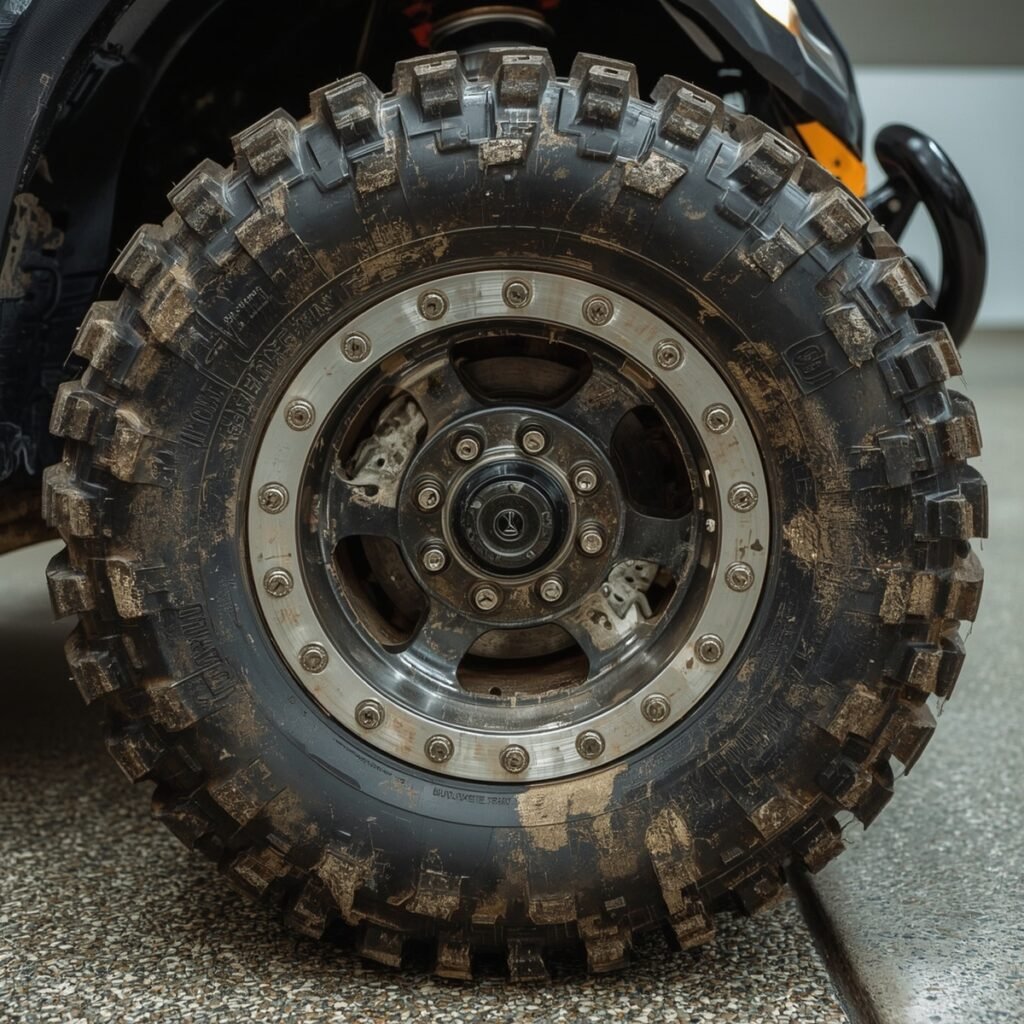
For serious dune riders, upgrading your wheels is just as important as the tires themselves. When riding in sand, it’s common practice to air down your tires to very low pressures (e.g., 5-8 PSI) to increase the tire’s footprint and maximize flotation.
Standard wheels can allow the tire bead to separate from the rim at these low pressures, leading to a de-bead. Beadlock wheels mechanically clamp the tire bead to the rim, preventing this issue and allowing you to run extremely low pressures with confidence. Your ATV or UTV will have much better traction in sand if your tire pressure is lower than usual, making the best UTV wheels for sand dunes—specifically beadlocks—an essential investment for any dedicated dune basher.
FAQ: Everything You Need to Know About Sand Dune Tires
What are the best UTV sand tires for deep powder?
For deep, powdery sand, the best UTV sand tires feature an aggressive rear paddle design (typically 8 to 12 paddles depending on horsepower) paired with a smooth or ribbed front tire. This combination provides maximum flotation and forward bite without the front end plowing through the dunes.
Can I use ATV sand tires on a UTV?
While some smaller UTVs can technically mount ATV tires, it is generally not recommended due to differences in load ratings, sidewall stiffness, and overall diameter. UTVs are heavier and carry more passengers, so you should specifically look for tires rated for side-by-sides. However, if you are searching for the best ATV sand tires or ATV sand tires for your four-wheeler, the same paddle and rib principles apply.
Do I need the best UTV wheels for sand dunes to run paddle tires?
You don’t strictly need upgraded wheels to run paddle tires, but running the best UTV wheels for sand dunes is highly recommended. Beadlocks allow you to drop your tire pressure to 5-8 PSI for maximum traction without the risk of the tire rolling off the rim during hard cornering or steep hill climbs.
How do I compare tires side by side when shopping online?
To effectively compare tires side by side, look at four main metrics: ply rating (durability vs. weight), paddle count (traction vs. top speed), tire diameter (flotation vs. gearing), and whether the tire is molded or buffed (longevity vs. lightweight performance).
Check out our off-road collection Amazon products
SHOP THE COLLECTIONAre there specific brands like Dune Industries UTV parts I should look for?
When outfitting your rig, you’ll come across many specialized brands. Whether you are looking at Dune Industries UTV components, Tusk, CST, or System 3, always ensure the brand has a proven track record for sand-specific performance and durability.
Conclusion: Master the Dunes with the Right Tires
Navigating the unique challenges of sandy terrain in your UTV demands specialized equipment, and at the forefront of that equipment are your dune tires. A thorough UTV sand tires comparison reveals that the right combination of paddle tires at the rear and ribbed or smooth tires at the front is essential for maximizing flotation, traction, and overall performance in the dunes.
Understanding the subtle yet significant differences between molded and buffed paddles, and considering factors like your UTV’s horsepower, riding style, and the type of sand you’ll encounter, will empower you to make an informed decision. Investing in high-quality sand dune tires is not just about enhancing your UTV’s capabilities; it’s about transforming your dune-riding experience.
With the right tires, you’ll enjoy improved acceleration, better handling, and the confidence to tackle steep climbs and sweeping turns with ease. So, take the time to research, choose wisely, and get ready to float over the sand, leaving nothing but tracks and unforgettable memories. The dunes are calling, and with the perfect set of sand tires, you’re ready to answer!
Community Reference & Authority Resources:
What are your favorite UTV sand tires, and why? Share your experiences and recommendations in the comments below! 👇🏼
![System 3 SS360 (2ply) ATV/UTV Tire [31x10-15]](https://m.media-amazon.com/images/I/4110qYWx09L.jpg)
![EFX Sand Slinger Paddle Rear (4ply) ATV Tire [29x14-14]](https://m.media-amazon.com/images/I/31QVcn6Tn7L.jpg)
🔍 Explore More: See all guides for Honda Pioneer.