
- 5×4.5 Bolt Pattern 12mmx1.5 Lug Kit
- Includes FREE Lug Nuts & Valve Stems!
- Bundle of: (4) System 3 SB-6 Beadlock 15×7 UTV Wheel – Gunmetal (5×4.5) 4+3 [15S3-6644] + (1) Gorilla 12mm x 1.5″ 5 Lug …
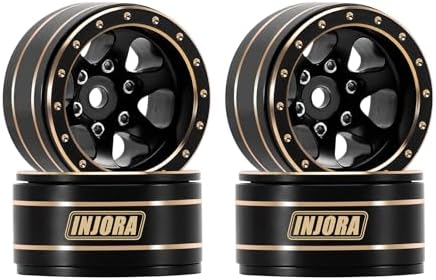
- Negative Offset -4.7mm: Improves stability and handling for your RC vehicle.
- Counterweight Effect: 40.5g per piece enhances balance and traction.
- Durable Brass Material: CNC machined for precision and long-lasting use.
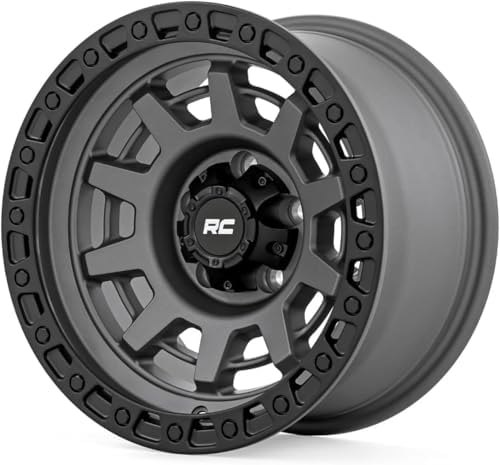
- Rugged Gunmetal & Black Finish: Eye-catching gunmetal gray face with bold matte black beadlock-style ring creates a high…
- Simulated Beadlock Styling: Aggressive beadlock-inspired design provides off-road attitude and standout appearance witho…
- Durable One-Piece Aluminum Construction: Precision-engineered from lightweight yet high-strength aluminum for maximum du…
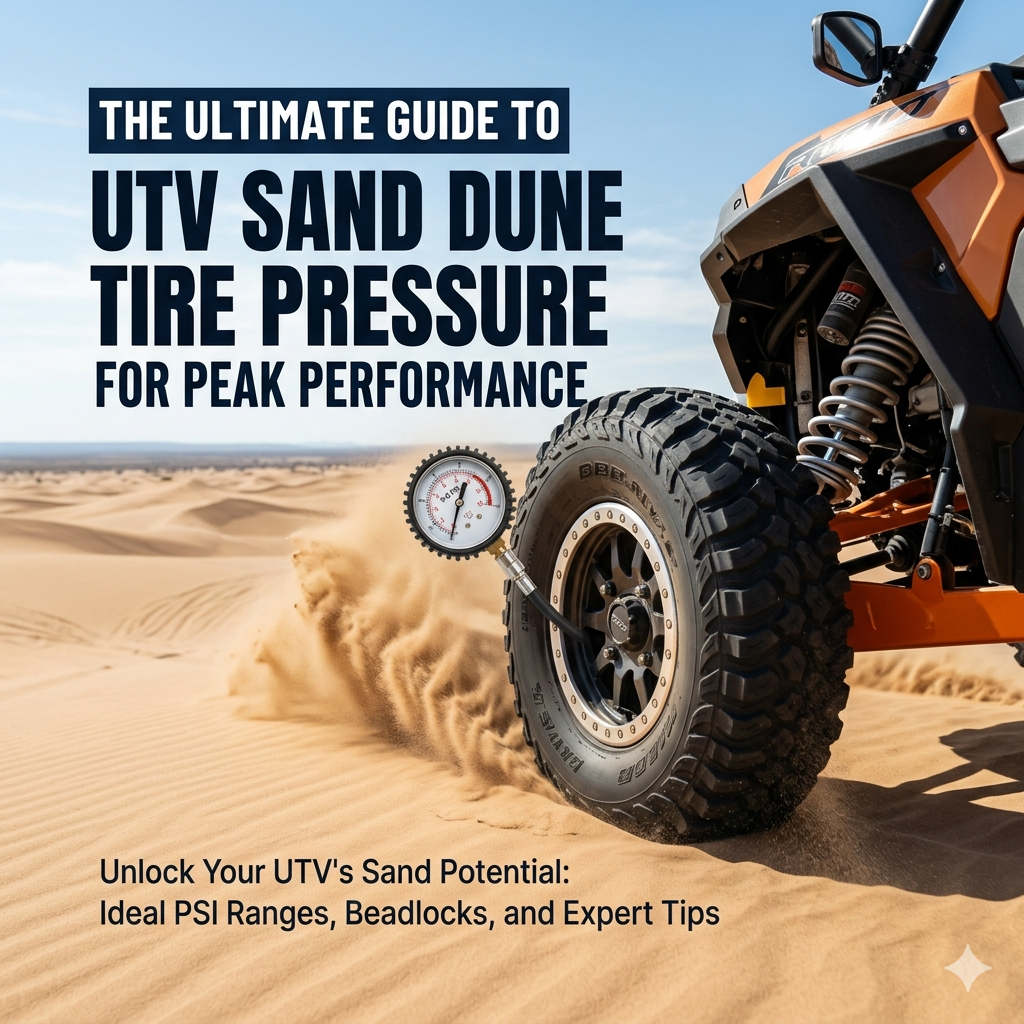
Conquering the Dunes: The Definitive Guide to UTV Tire Pressure for Sand
Welcome, fellow Honda Pioneer enthusiasts, to the ultimate guide on mastering the sand dunes! 🤠
There’s nothing quite like the thrill of carving through vast, sandy landscapes in your UTV. But to truly unlock your machine’s potential and ensure a safe, exhilarating ride, you need to pay close attention to one of the most critical yet often overlooked factors: tire pressure. 💡
Running the correct PSI in your tires for the sand is a game-changer. It can mean the difference between floating effortlessly over the dunes and getting bogged down in the soft stuff. In this comprehensive guide, we’ll dive deep into the nitty-gritty of what PSI is best for sand dunes, why it matters, and how to get it just right for your Honda Pioneer.
Why Lower Tire Pressure is King in the Sand 👑
When it comes to riding on sand, the name of the game is “flotation.”
By lowering your tire pressure, you increase the size of the tire’s footprint. This larger contact patch distributes the weight of your UTV over a wider area, helping you stay on top of the sand rather than digging in and getting stuck. Think of it like wearing snowshoes on deep snow – the principle is the same! 🎿
A lower PSI also allows the tire to flex and conform to the ever-changing shape of the dunes, providing better traction and a smoother ride.
However, finding the sweet spot is crucial. Go too low, and you risk unseating the tire from the wheel, especially during aggressive cornering or high-speed runs. This is where beadlock wheels become a worthy investment for serious dune riders. Beadlocks mechanically clamp the tire’s bead to the wheel, allowing you to run very low pressures without the risk of the tire coming off.
Check out our off-road collection Amazon products
The Magic Number: Ideal PSI Ranges for Sand Dunes
So, what’s the magic number for your UTV’s tire pressure in the sand? The truth is, there’s no single, one-size-fits-all answer. The optimal PSI depends on several factors, including your UTV’s weight, the type of tires you’re running, and your riding style. However, we can provide you with some excellent starting points based on extensive research and real-world experience.
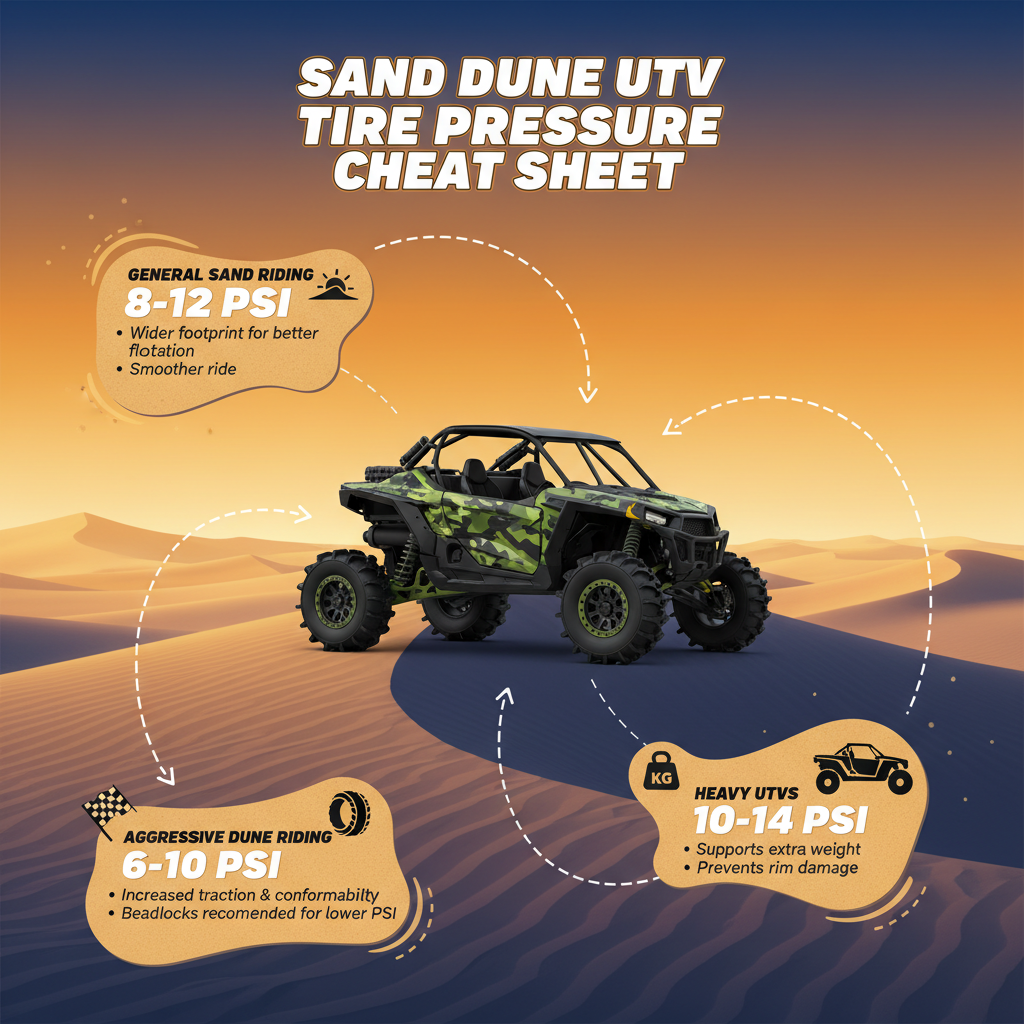
For general sand dune riding in a UTV like the Honda Pioneer, a PSI range of 8-12 PSI is a widely recommended starting point.
This range provides a great balance of flotation, traction, and sidewall stability for most conditions.
If you’re looking for maximum flotation and are running beadlock wheels, you can experiment with even lower pressures, in the neighborhood of 6-10 PSI.
Remember, these are just starting points. It’s always a good idea to fine-tune your tire pressure based on how your UTV feels and performs on the specific sand conditions of the day.
Factors That Influence Your Ideal Sand Dune PSI
As we mentioned, several variables can affect the optimal tire pressure for your UTV in the sand. Let’s take a closer look at some of the most important ones:
Vehicle Weight: Heavier UTVs will naturally require a bit more air pressure than their lighter counterparts to prevent the tire sidewalls from collapsing. If you’ve loaded up your Pioneer with a cooler, spare tire, and other gear, you may need to add a pound or two of air to each tire.
Tire Type: The type of tires you’re using plays a significant role in determining the ideal PSI. Paddle tires, which are specifically designed for the sand, often perform best at lower pressures than all-terrain tires. Always consult the tire manufacturer’s recommendations for minimum and maximum inflation pressures.
Riding Style: Are you a casual cruiser or an aggressive dune shredder? If you’re planning on high-speed runs and aggressive cornering, you may want to run a slightly higher PSI to improve stability and reduce the risk of unseating a tire. For slower, more technical riding, a lower PSI will provide better traction and a smoother ride.
“The right tire pressure can make or break your day at the dunes. Don’t be afraid to experiment and find what works best for you and your machine.”
The Importance of a Quality Tire Pressure Gauge
When you’re dealing with the low-pressure ranges required for sand dune riding, a high-quality tire pressure gauge is an essential tool. The cheap, stick-style gauges you find at most gas stations are often inaccurate at lower pressures. 👎
Check out our off-road collection Amazon products
Invest in a good digital or dial-type low-pressure gauge that is designed specifically for off-road vehicles. This will ensure that you’re getting accurate readings and can set your tire pressures with confidence.
We also recommend carrying a portable air compressor with you. This will allow you to easily air your tires down when you get to the dunes and air them back up before you hit the pavement for the ride home.
Step-by-Step Guide to Setting Your UTV’s Tire Pressure for the Sand
- Start with a Baseline: Begin by airing down your tires to the recommended starting range of 8-12 PSI.
- Do a Test Run: Take your UTV for a short ride on the sand to see how it feels. Pay attention to how it handles, how much it digs in, and how smooth the ride is.
- Fine-Tune as Needed: If you’re still digging in more than you’d like, try dropping the pressure by a pound or two. If the steering feels mushy or unresponsive, you may need to add a bit of air.
- Check for Sidewall Bulge: Take a look at your tires from the side. You want to see a noticeable bulge in the sidewall, but not so much that it looks like the tire is about to collapse.
- Don’t Forget to Air Back Up: When you’re done for the day, be sure to air your tires back up to their recommended pressure for pavement or hard-packed trails before you head home. Driving on pavement with low tire pressure can be dangerous and can damage your tires.
Remember that even small adjustments in tire pressure can make a big difference in how your UTV performs in the sand.
UTV Tire Pressure for Sand Dunes: A Quick Reference Table
| Riding Style | Recommended PSI Range (with Beadlocks) | Recommended PSI Range (without Beadlocks) |
|---|---|---|
| Casual Cruising | 6-10 PSI | 8-12 PSI |
| Aggressive Riding | 8-12 PSI | 10-14 PSI |
| Heavy UTVs | 10-14 PSI | 12-16 PSI |
“Proper tire pressure is the cheapest and easiest performance upgrade you can make to your UTV for the sand.”
For more great tips and tricks for your Honda Pioneer, be sure to check out our other blog posts. And for all your UTV parts and accessories needs, head over to Honda Powersports. You can also find a wealth of information and connect with other enthusiasts on forums like GlamisDunes.com.
We hope this guide has been helpful in your quest for the perfect sand dune setup for your Honda Pioneer. Now get out there, air down, and have a blast! 🤘
Don’t forget to share your own sand dune tire pressure tips and experiences in the comments below. We’d love to hear from you! 🗣️
External Resources
🔍 Explore More: See all Wild Testing guides for what psi for sand dunes utv.
Check out our off-road collection Amazon products
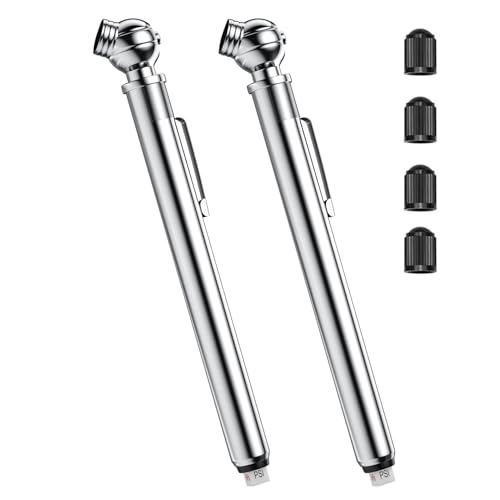
- 【Accuracy & Range】: This pencil tire pressure gauge offers highly accurate readings (±2% of range) and provides 3 measur…
- 【Rugged & Durable】: The tire air pressure gauge is made entirely of metal, with a zinc alloy tip and stainless steel bod…
- 【2-In-1 Wide Application】: In addition to measuring tire pressure, this tire gauge has a built-in deflation valve, allow…

- 【EXTENDED REACH DUAL HEAD】LUMITECO 12″ pencil-style pressure gauge is designed with the Integrated Straight foot air chu…
- 【HEAVY DUTY SOLID CONSTRUCTION】Zinc alloy chuck with solid brass core, Matte texture finish steel body with a hanging ri…
- 【ACCURATE AND CLEAR SCALE】This auto service gage has a 2-sided measurement stick listed ranging from 10-150 psi / 1-10 B…

- Milton precision engineered service gages provide accurate, long life trouble free performance
- Plated brass tube and 4 sided nylon indicator bar
- Service Gage Straight foot dual head chuck 13 1/4″ length 10 PSI to 160 PSI, 2 lb. increments 80 to 1100 kPa in 20 kPa i…