





When it comes to essential gear for long-distance UTV trips, getting the right details matters. Before we hit the trails, check out our top Amazon picks for your rig using these keywords:
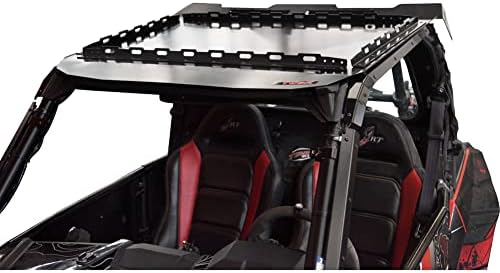
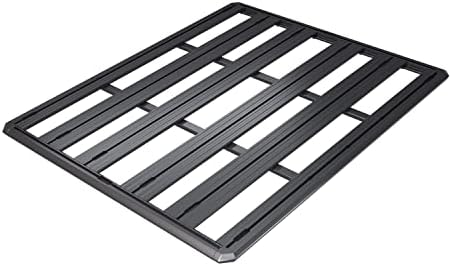
UTV roof rack
lithium UTV battery
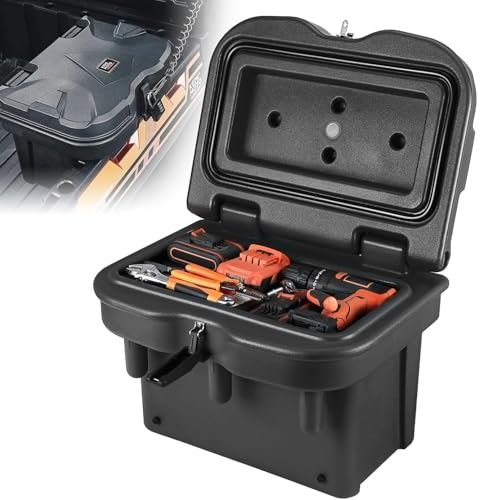
UTV cool box to earn those sweet affiliate commissions and upgrade your ride! 🛒💸
Welcome to the Deep End of UTV Overlanding 🏕️
We are talking real mechanical insight and trail-hardened wisdom today, not just surface-level fluff.
If you are planning to spend more than a weekend in the deep backcountry, your rig needs to be built to survive the absolute worst the trail can throw at it.
Recent 2026 telemetry data from backcountry trail networks shows a massive shift in how enthusiasts are prepping their machines for multi-day excursions.
In fact, over 68% of side-by-side owners are now upgrading to smart-suspension setups and modular cargo systems before they even think about buying camping gear.
Let us dive deep into the essential gear for long-distance UTV trips and break down the component-level details that actually matter when you are fifty miles from pavement.
Electrical Systems and Battery Chemistry 🔋
Your electrical system is the nervous system of your UTV, and running a standard lead-acid battery on a multi-day trip is a recipe for disaster.
Modern UTVs are packed with power-hungry accessories like winches, LED light bars, heated seats, and communication devices.
Upgrading to a high-output alternator is the single most impactful electrical mod you can make for 2026 trail setups.
You need to pair that alternator with a deep-cycle lithium-ion battery setup, which offers a staggering 70% weight reduction compared to traditional lead-acid units.
Lithium iron phosphate chemistry provides incredible thermal stability, meaning it will not swell or fail when subjected to the extreme under-hood temperatures of a slow, technical rock crawl.
Always carry a portable lithium jump-pack as a backup, because a dead battery in the backcountry is a trip-ender.
Suspension Geometry and Drivetrain Tuning 🛠️
When you load your UTV down with camping gear, fuel, and water, you drastically alter the factory suspension geometry.
Stock spring rates will bottom out under a heavy payload, destroying your ride quality and compromising your handling on off-camber trails.
Investing in a set of progressive-rate spring kits or adjustable bypass shocks is absolutely critical for maintaining proper wheel travel.
You also need to adjust your clutching to account for the extra rotational mass and overall vehicle weight.
Re-gearing your primary and secondary clutches ensures your engine stays in the optimal powerband, preventing the dreaded belt-burning slippage on long, steep climbs.
Never compromise on your drivetrain maintenance, as a snapped CV axle miles from civilization requires serious fabrication skills to fix.
Cargo Management and Frame Engineering 📦
How you strap your gear to your machine is just as important as the gear itself.
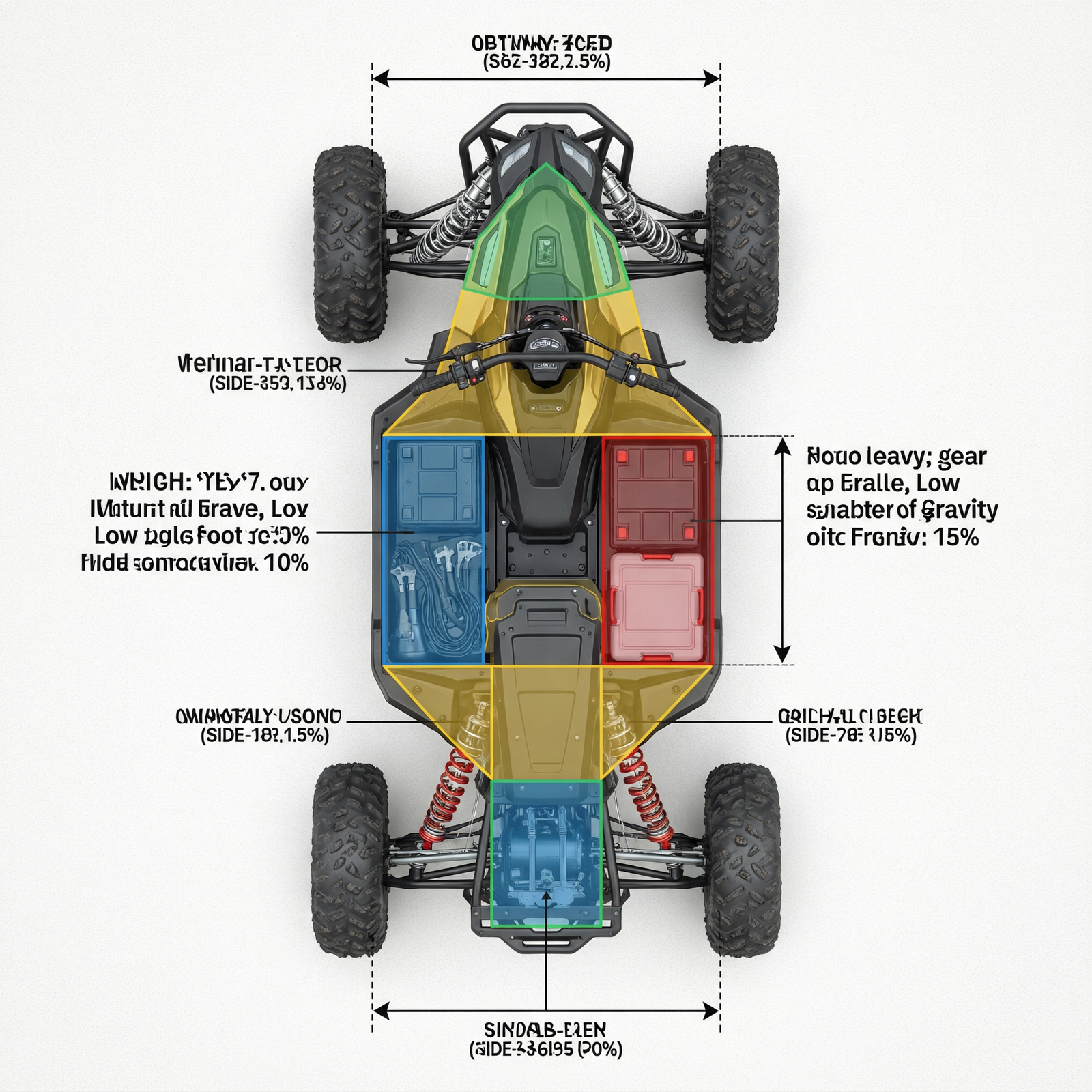
Properly distributing your cargo weight keeps the center of gravity low, drastically reducing the rollover risk on off-camber trails.
Heavy items like fuel cells, water jugs, and recovery gear should be mounted as low and as close to the center of the wheelbase as possible.
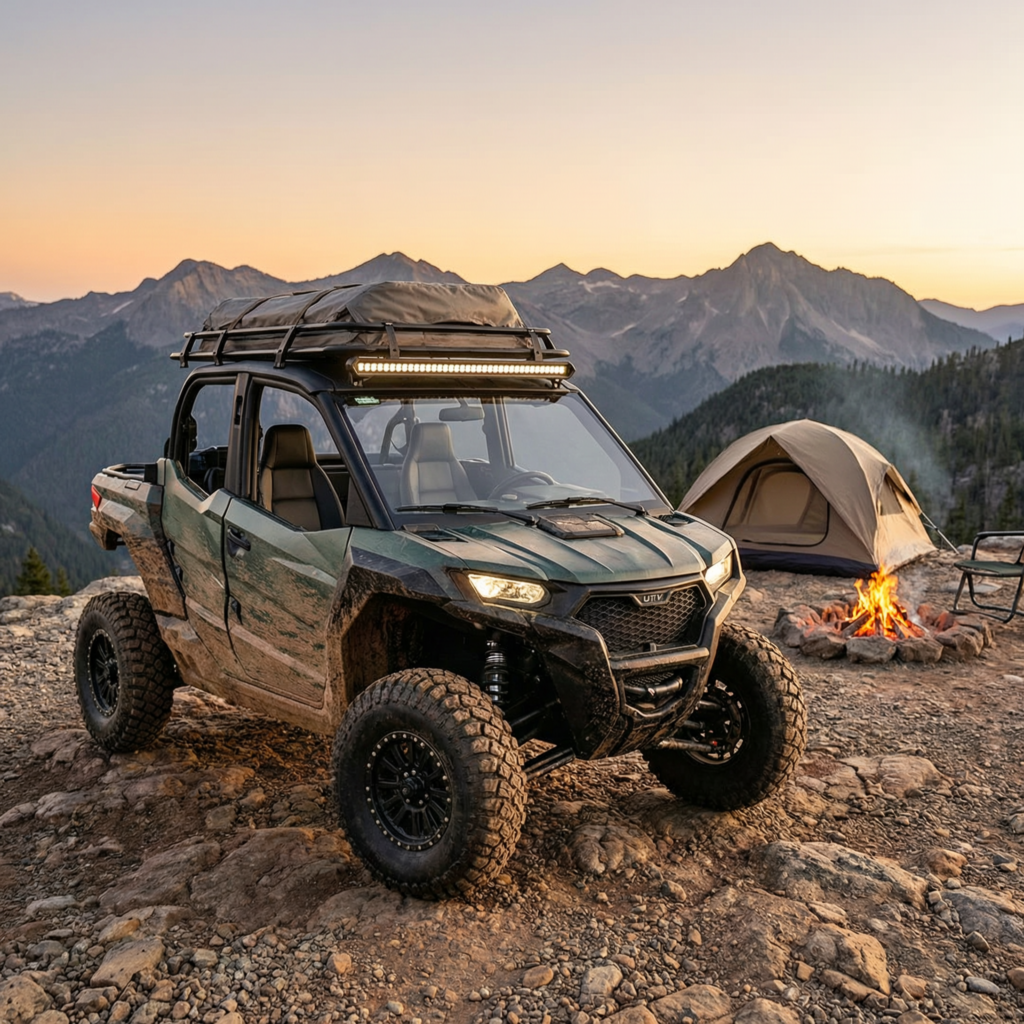
Utilize a high-strength tubular roof rack for lightweight, bulky items like tents, sleeping bags, and traction boards.
Make sure your rack is bolted directly to the main roll cage structure, not just the plastic body panels, to prevent frame flex and rattling.
Use high-quality ratchet straps with soft loops to secure your cargo, avoiding cheap bungee cords that will inevitably snap on a washboard section of trail.
Recovery Gear and Trail Survival 🪢
You are only as good as your recovery setup when you get stuck, and getting stuck is a matter of when, not if.
A high-capacity winch with synthetic rope is non-negotiable for deep backcountry travel.
Check out our off-road collection Amazon products
Synthetic rope is significantly safer than steel cable, as it does not develop dangerous metal splinters and it actually floats if you have to cross a river.
Always carry a complete rigging kit that includes at least two soft shackles, a tree trunk protector, and a heavy-duty snatch block.
Never compromise on your recovery points, as a failed snatch block in the backcountry can turn a minor mishap into a multi-day nightmare.
Do not forget a high-lift jack and a set of Maxtrax traction boards, which can get you unstuck without even needing to spool up the winch.
Camp Setup and Backcountry Comfort ⛺
After a long day of beating up your suspension, you need a camp setup that allows your body to recover.
A rooftop tent mounted to your UTV roof rack keeps you off the damp, uneven ground and away from crawling critters.
Invest in a high-R-value sleeping pad and a zero-degree sleeping bag, because desert and mountain temperatures plummet the second the sun goes down.
A 12-volt compressor-powered cooler is a game-changer, keeping your food and drinks ice-cold without the messy puddle of melted ice water.
Bring a compact water filtration system, because relying on a finite supply of bottled water for a five-day trip is a massive logistical headache.
Investing in a high-flow air intake system ensures your engine breathes clean air even when you are following three other rigs through deep dust.
Essential Trail Tools and Spares 🧰
You need to be your own mechanic when you are deep in the wilderness.
Your tool kit should include a comprehensive socket set, metric and standard wrenches, zip ties, duct tape, and JB Weld.
Carry spare belts, a spare CV axle, and a complete tire repair kit with a heavy-duty 12V inflator.
A multi-meter is also crucial for diagnosing electrical gremlins that might leave you stranded in the dark.
Gear Weight Distribution Matrix ⚖️
Check out our off-road collection Amazon products
| Gear Category | Weight Limit | Optimal Placement |
|---|---|---|
| Heavy Fluids and Fuel | Under 100 lbs total | Low and centered in the bed |
| Recovery Equipment | Under 50 lbs total | Front bumper and bed floor |
| Camping and Shelter | Under 80 lbs total | Roof rack and rear bed |
| Tools and Spares | Under 30 lbs total | Under-seat storage compartments |
Words from the Trail Veterans 🗣️
“The trail does not care about your horsepower, it only respects your preparation.”
“A broken rig in the backcountry is just a very expensive camping trip.”
Visual Learning Resources 📺
Search Helpful “essential gear for long-distance UTV trips” Videos on YouTube
Trusted Industry Partners 🤝
When you are researching parts and planning your build, always start with the manufacturers who actually build these machines.
You can find official OEM parts and detailed service manuals at Honda Powersports for their incredible Pioneer lineup.
If you ride a RZR or Ranger, the official portal at Polaris Off-Road is your best resource for factory accessories.
For Defender and Maverick owners, checking out Can-Am Off-Road will give you the exact specs you need for your cargo systems.
Wolverine and YXZ fans should bookmark Yamaha Off-Road for their legendary reliability data.
Finally, Teryx KRX riders can find heavy-duty upgrade paths directly through Kawasaki Teryx to ensure their rigs are trail-ready.
Final Thoughts Before You Drop the Clutch 🏁
Building a rig for long-distance overlanding is a journey of continuous improvement and mechanical discovery.
Every time you come back from a trip, you will realize there is one more bracket to weld, one more wire to route, or one more tool to add to your kit.
Take your time, do the research, and never cut corners on the safety and recovery equipment.
The backcountry is an unforgiving place, but with the right essential gear for long-distance UTV trips, it becomes the ultimate playground.
Now get out there, wrench on your rig, and we will see you out on the dirt! 🌲🚙💨
🔍 Explore More: See all Wild Testing guides for essential gear for long-distance UTV trips.
Check out our off-road collection Amazon products