






When it comes to how weather affects CVT performance in off-road vehicles, getting the right details matters. 🛒 Recommended Amazon Gear for this Build:
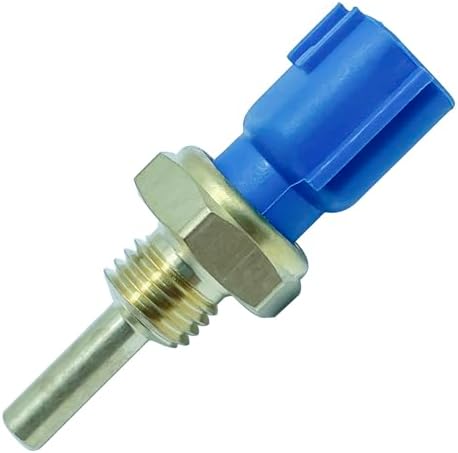
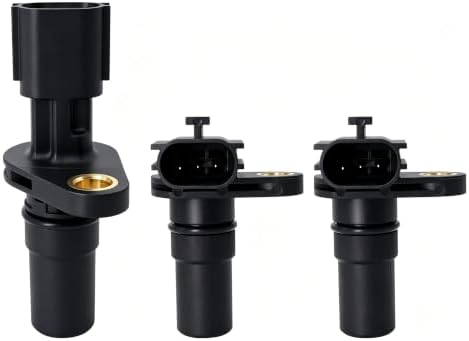
CVT Belt Temperature Sensor
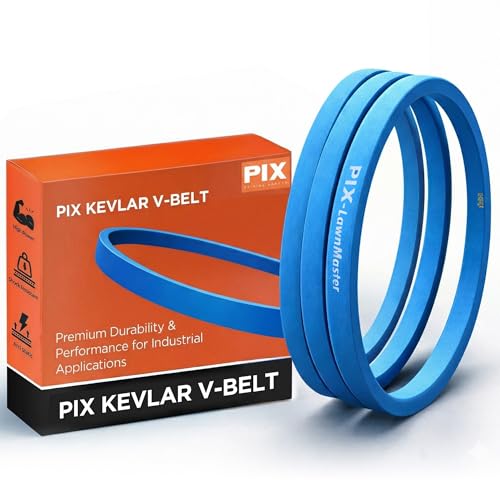
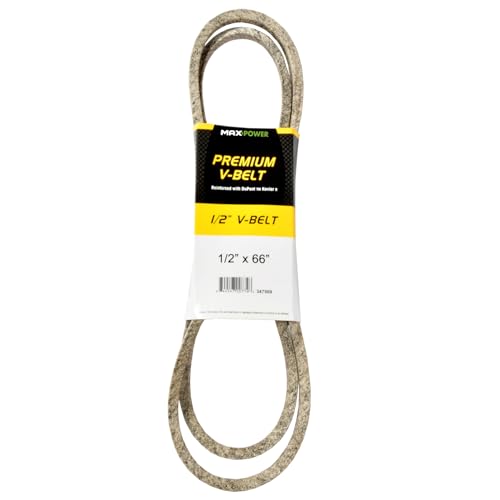
Kevlar Reinforced Drive Belt
All-Weather Clutch Grease
📌 Welcome back to the dirt, gearheads, trail builders, and weekend camping warriors! 💡
💡 Today we are popping the hood and diving deep into the mechanical heart of your rig. 💡
If you want to keep your UTV or ATV pulling hard up those steep, muddy inclines, you need to understand your continuously variable transmission. ⚙️
Specifically, you need to know exactly how weather affects CVT performance in off-road vehicles. 🌦️
We are talking about real mechanical insight, not just surface-level fluff from a generic manual. 🛠️
Recent forum discussions and new parts releases over the last couple of years have completely changed how we approach clutch tuning. 📊
Manufacturers and aftermarket engineers are now integrating advanced thermal mapping into factory ECUs to adjust clutch engagement dynamically. 🧠
Let us break down the science of your belt and sheaves so you can conquer any climate the trail throws at you. 🏔️
The Cold Weather Crunch: Ice, Slip, and Stiff Belts
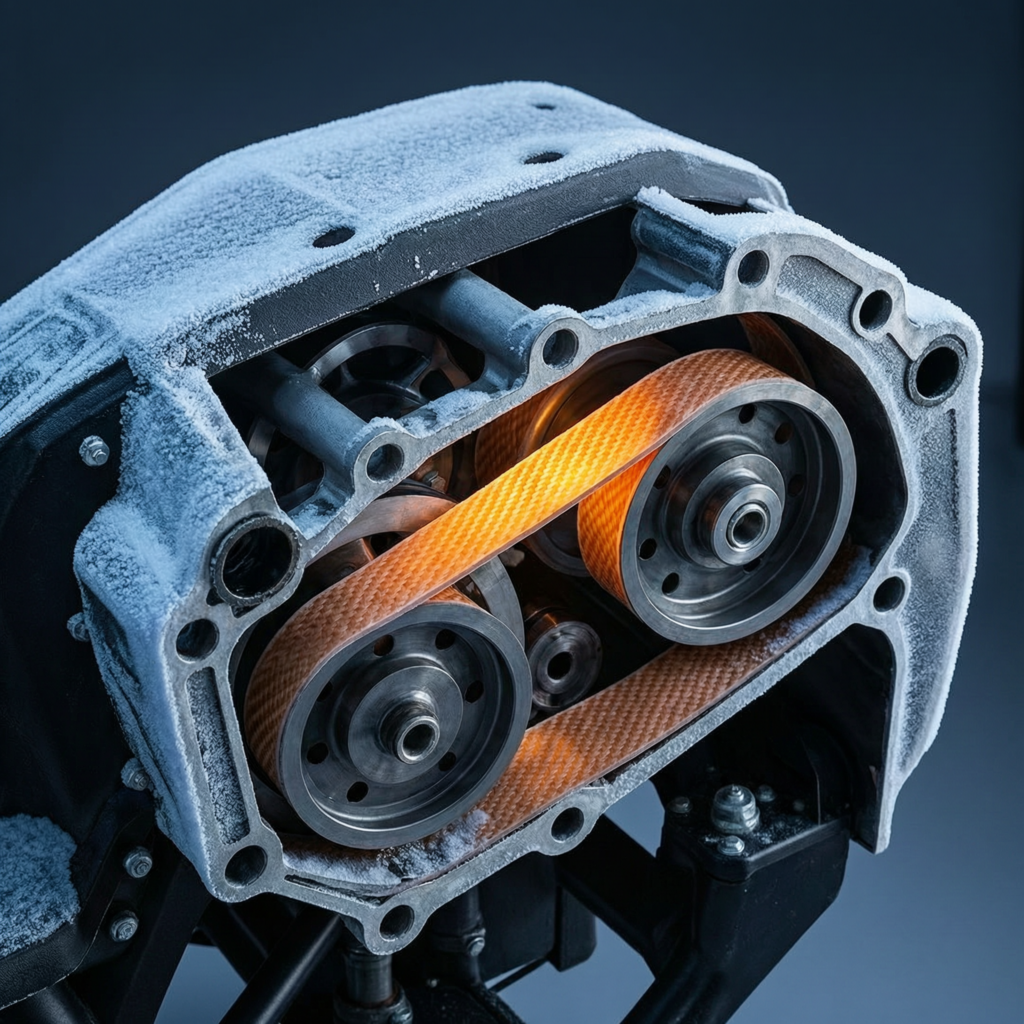
When the temperature drops below freezing, the physical properties of your CVT belt change dramatically. 🥶
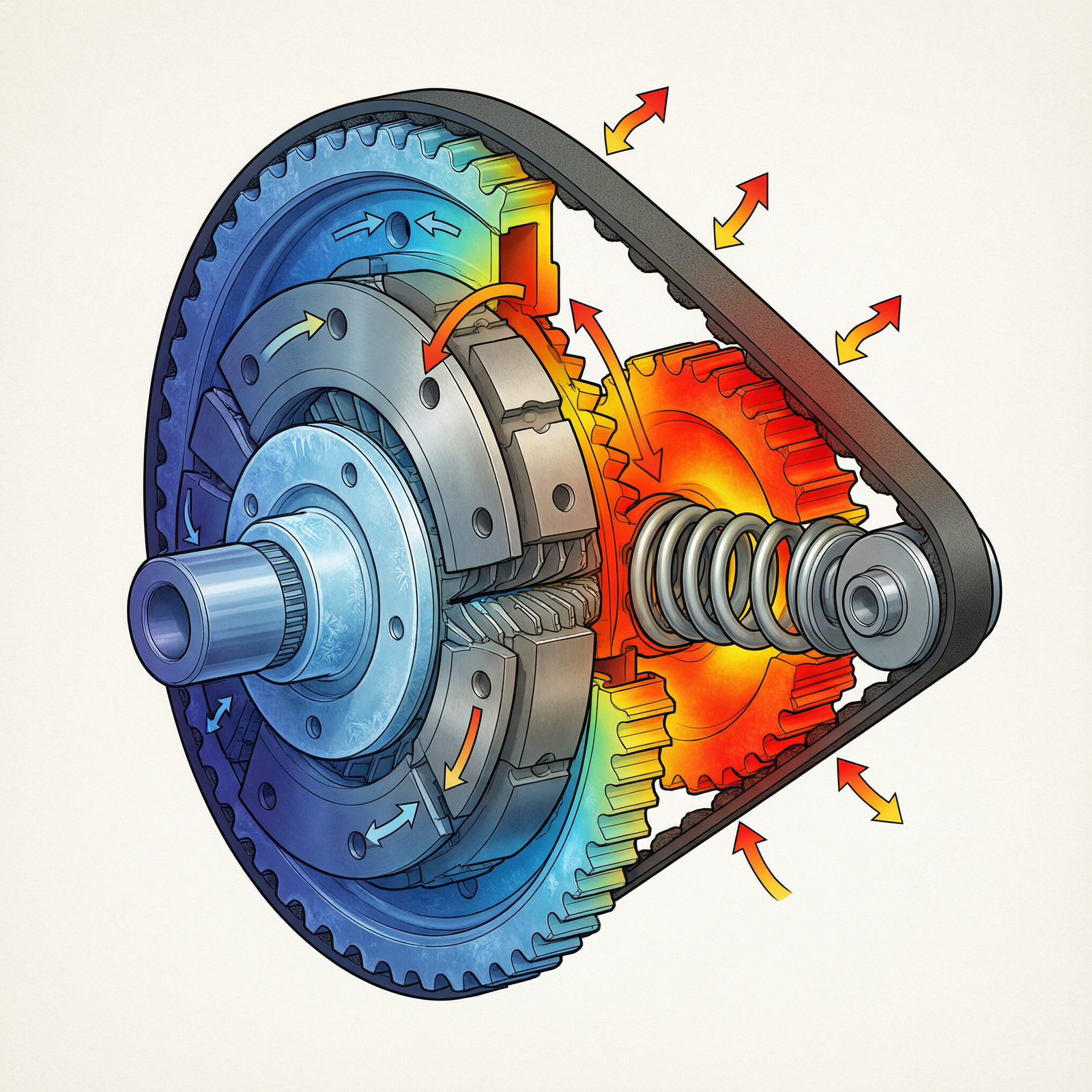
The elastomers and aramid fibers in the belt compound become incredibly rigid in sub-zero environments. 🧊
This rigidity severely reduces their ability to grip the machined faces of the primary and secondary sheaves. 📉
You will notice a distinct lag in engagement and a high-pitched squeal when you first twist the throttle. 🎧
The belt literally cannot bend smoothly into the narrow V of the primary clutch without slipping. 🔄
Furthermore, moisture ingress can freeze inside the clutch housing, creating actual ice dams that restrict weight movement. ❄️
When the primary clutch weights cannot fly out freely, your rig will bog down and overheat the belt through sheer friction. 🔥
Pro Tip: Always let your rig idle for at least five minutes in sub-zero temps to allow the belt to warm up and gain flexibility before hitting the throttle! ❄️
Some trail veterans even install small electric clutch heaters to pre-warm the housing before a deep snow ride. 🔌
It sounds extreme, but it completely eliminates that initial cold-weather belt slip that glazes your expensive drive belt. 🛡️
Summer Heat: The Enemy of Belt Longevity
Now let us swing the pendulum to the other extreme and talk about blazing hot summer desert runs. ☀️
High ambient temperatures combined with heavy loads create a thermal nightmare inside your sealed transmission cover. 🌡️
The friction generated by the belt riding up and down the sheaves creates massive amounts of internal heat. 🔥
When the internal housing temperature exceeds three hundred degrees, the belt rubber begins to break down chemically. 🧪
Remember that excessive heat glazes the belt surface, creating a shiny, slick finish that guarantees catastrophic slip under heavy loads! 🔥
Check out our off-road collection Amazon products
Once a belt is glazed, no amount of sanding will truly restore its original friction coefficient for heavy towing or climbing. 🛑
Heat also causes the aluminum sheaves to expand, which subtly alters the belt riding height and shifts your engagement RPM. 📏
This thermal expansion can make your secondary clutch feel incredibly sluggish and unresponsive on steep, hot inclines. 🐢
“A cool running transmission is a transmission that actually transfers power to the ground.” 🏁
To combat this, you absolutely must upgrade your cooling airflow if you plan on riding in dunes or desert environments. 🌬️
Altitude and Air Density: The Hidden Variables
Many riders completely forget that altitude plays a massive role in how weather affects CVT performance in off-road vehicles. 🏔️
As you climb higher, the air becomes significantly thinner and less dense. 📉
Your engine loses power because it cannot pull in enough oxygen to maintain sea-level horsepower. 🌬️
However, your CVT clutch weights are still trying to push the belt based on the original sea-level tuning parameters. ⚖️
This mismatch causes the engine to lug down severely, generating excessive heat without the cooling airflow to dissipate it. 🥵
“Tuning your clutch weights for sea level will leave your rig bogging and overheating when you hit the high mountain trails.” 🏔️
You must swap to lighter primary clutch weights when riding at high elevations to allow the engine to rev freely. 🪶
Humidity is another hidden killer that sneaks up on you during those muggy summer swamp rides. 💧
High moisture levels in the air can condense inside the clutch housing when the rig cools down after a hard run. 💦
This moisture leads to microscopic surface rust on the clutch weights and the sheave faces. 🟤
Rusty sheave faces act like sandpaper, rapidly wearing down the sides of your belt and creating dangerous play in the drivetrain. 📉
| Weather Condition | Primary CVT Effect | Recommended Mod |
|---|---|---|
| Sub-Freezing ❄️ | Belt stiffening and initial slip | Extended warm-up and clutch heater |
| Extreme Heat ☀️ | Belt glazing and sheave expansion | Forced air intake and vented cover |
| High Humidity 💧 | Moisture ingress and rust on weights | Sealed clutch housing and desiccant |
Trail-Tested Modifications for Extreme Climates
So how do we actually fix these issues and keep our rigs pulling hard in any weather? 🛠️
First, you need to look at the official engineering specs from the major manufacturers to understand your baseline. 📖
You can study the baseline engineering at Honda Powersports to see how they handle thermal management. 🏍️
Similarly, the engineers at Polaris Off-Road have pioneered some incredible forced-air induction designs. 🚜
If you ride in the deep south, check out the cooling tech from Can-Am Off-Road for extreme heat solutions. 🌴
For high-altitude mountain trails, look at the weight tuning guides from Kawasaki SidexSide. 🏔️
And do not forget the legendary reliability data found in the Yamaha Side-by-Side service manuals. 📘
Check out our off-road collection Amazon products
Here are the absolute best modifications you can make to your transmission to fight the weather. 🏆
- Install a high-flow forced air induction kit to pull cool, dense air directly into the clutch housing. 🌬️
- Upgrade to a premium Kevlar-reinforced belt designed specifically for high-temperature friction coefficients. 🛡️
- Apply a thin layer of synthetic clutch grease to the primary shaft splines to prevent micro-welding in humid conditions. 🛠️
Upgrading your air intake path is the single most cost-effective modification you can make to drop internal transmission temperatures by up to twenty percent! 📉
You should also invest in a high-quality digital infrared thermometer to check your housing temps after every hard ride. 🌡️
If the housing is too hot to touch with your bare hand, your belt is cooking and you need more airflow. 🖐️
Never ignore your clutch temp gauge, because thermal runaway can melt your primary sheave bushing in a matter of minutes on a steep climb! 🌡️
“The trail does not care about your horsepower numbers if your belt is slipping at the critical moment.” 🌲
Another crucial step is to completely disassemble and clean your clutches at least twice a year. 🧼
Use compressed air and specialized clutch cleaner to remove all the belt dust and moisture residue. 💨
Belt dust acts like an insulator, trapping heat inside the housing and accelerating thermal degradation. 🧱
Keeping the sheaves perfectly clean ensures the belt can ride smoothly without generating unnecessary friction. ✨
Always carry a spare belt and the proper hex wrenches, because a snapped belt in the backcountry is a trail-killer regardless of the weather! 🎒
Understanding these mechanical nuances is what separates the weekend riders from the true trail veterans. 🏆
Keep your belts tensioned, your housings sealed, and your cooling paths completely clear of mud and debris. 🛠️
See you out on the dirt, and keep those transmissions shifting smooth! 🏁
Search Helpful “how weather affects CVT performance in off-road vehicles” Videos on YouTube
🔍 Explore More: See all Wild Testing guides for how weather affects CVT performance in off-road vehicles.
Check out our off-road collection Amazon products