


As a dedicated off-road enthusiast, I know that getting stuck is not a matter of if, but when.
Whether you’re navigating deep mud, climbing rocky inclines, or traversing challenging trails, there will inevitably be a moment when your side-by-side needs a little extra help to get out of a sticky situation.
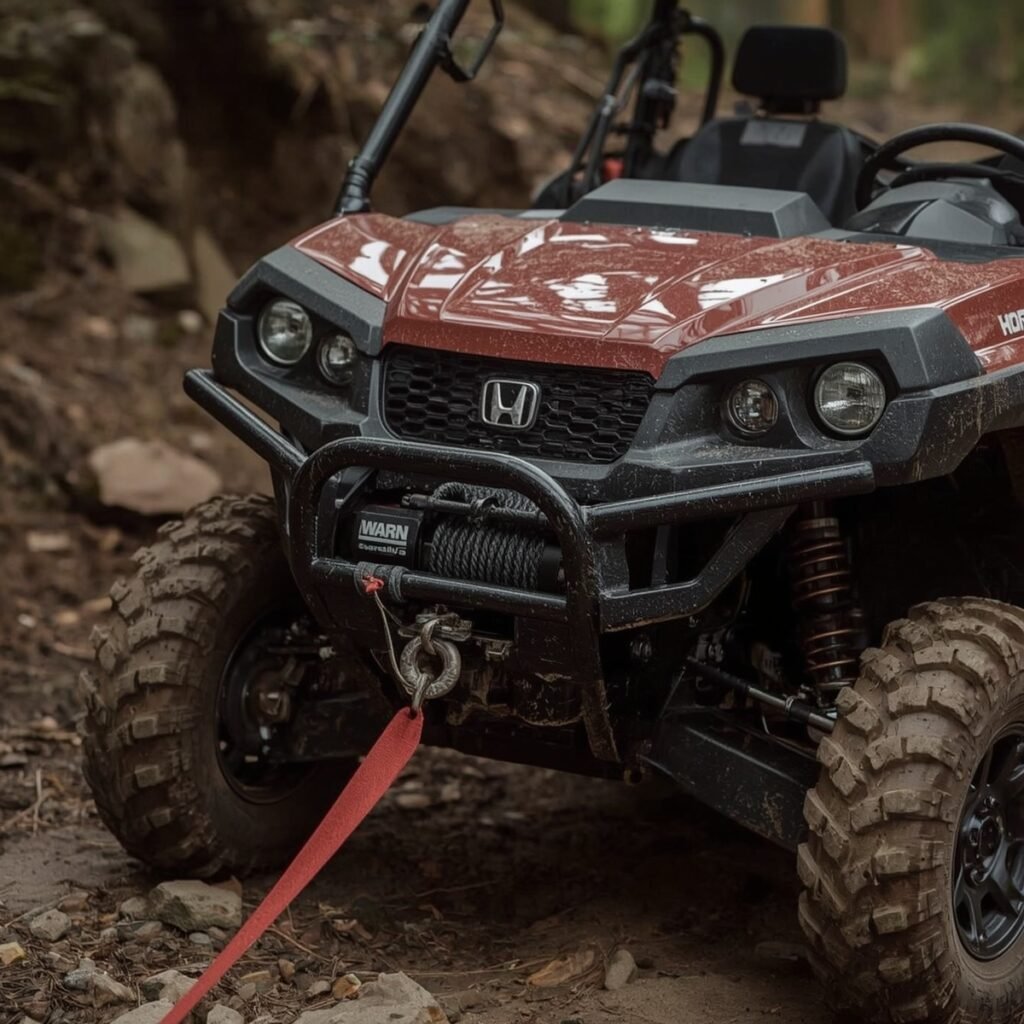
That’s where a reliable winch becomes your most invaluable recovery partner.
It’s more than just an accessory; it’s a crucial piece of safety equipment that can turn a frustrating predicament into a manageable challenge, allowing you to continue your adventure with confidence.
Choosing the best winch for Honda Pioneer 1000 can be a daunting task with so many options on the market.
You need a winch that’s powerful enough for your machine, durable enough to withstand harsh off-road conditions, and reliable when you need it most.
In this comprehensive guide, I’ll share my insights and recommendations on top-rated winches specifically suited for the Honda Pioneer 1000.
We’ll explore updated technical specs, key features, and discuss the pros and cons of different types to provide essential tips that help you make an informed decision.
Why Your Honda Pioneer 1000 Needs a Dedicated Winch
The Honda Pioneer 1000 is a beast on the trails, boasting a 999cc liquid-cooled twin-cylinder engine and exceptional torque. However, even the best drivetrain can’t defy physics when you’re belly-deep in a mud bog or high-centered on a rock ledge. Adding a winch provides a mechanical advantage, essentially giving you a portable anchor point.
Beyond self-recovery, having the best winch for Honda Pioneer 1000 transforms your UTV into a rescue vehicle for your riding buddies. It also doubles as a powerful utility tool for moving heavy logs, clearing trails, or pulling stubborn stumps out of the ground on your property.
Key Considerations When Choosing a Winch for Your Honda Pioneer 1000
Selecting the right winch for your Honda Pioneer 1000 isn’t just about picking the biggest or most expensive one. Several technical factors come into play to ensure you get a winch that meets your needs and performs reliably when you need it most.
1. Winch Capacity (Pulling Power)
This is arguably the most important factor. A general rule of thumb for UTVs is to choose a winch with a pulling capacity of at least 1.5 times the Gross Vehicle Weight (GVW) of your machine.
The Honda Pioneer 1000, depending on the model (2-seater, 5-seater, Crew) and loaded with passengers and gear, has a dry weight around 1,700 to 1,900 lbs, with a GVWR approaching 2,500 lbs.
Therefore, a winch with a capacity of 3,500 lbs to 4,500 lbs is the absolute minimum, but 4,500 lbs to 5,500 lbs is generally recommended for the Pioneer 1000. Going slightly over the minimum recommended capacity provides a safety margin for tough recovery situations, pulling against suction in mud, or winching at steep inclines.
- Why it matters: Undersized winches can overheat, fail, or be unable to recover your UTV from difficult situations. A 4,500 lb winch gives you the reserve power needed for extreme recoveries.
2. Rope Type: Synthetic vs. Steel Cable
This is a common debate among off-roaders, and both have their distinct advantages:
- Synthetic Rope:
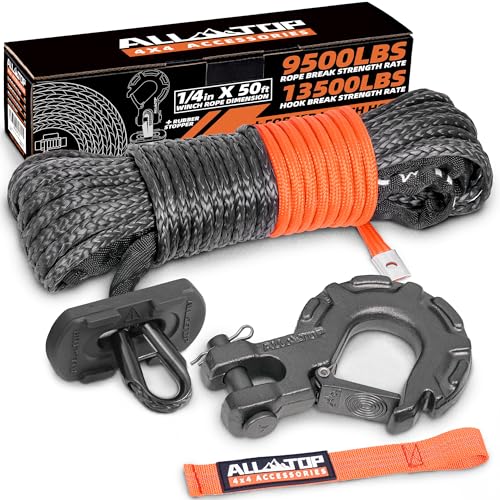
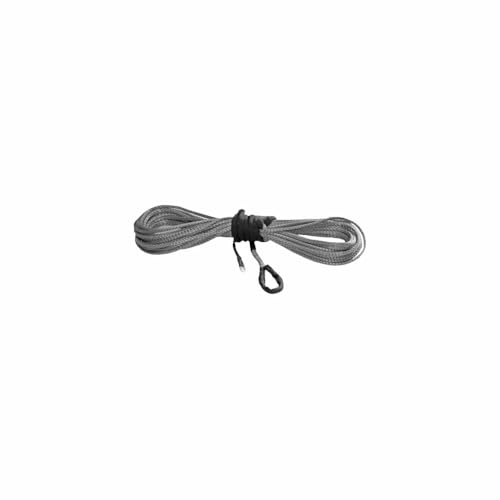
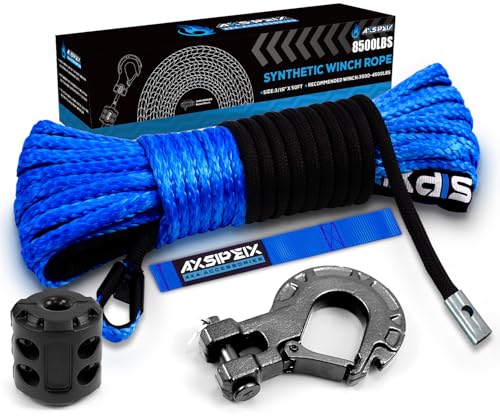
- Pros: Lighter, significantly safer (stores less kinetic energy, so if it breaks, it drops rather than snapping back dangerously), easier to handle (no sharp burrs or kinks), floats on water, and is generally stronger pound-for-pound.
- Cons: More susceptible to abrasion (requires an aluminum hawse fairlead and careful routing), can be damaged by prolonged UV exposure and extreme heat, and is more expensive to replace.
- Ideal for: Recreational riders, those who prioritize safety and ease of use, and those who frequently winch.
- Steel Cable:
- Pros: More resistant to abrasion, highly durable in harsh environments (mud, sharp rocks), and generally much more affordable.
- Cons: Heavier, stores massive amounts of kinetic energy (extremely dangerous if it snaps), can develop sharp broken strands (requiring heavy leather gloves), prone to kinking and rusting, and sinks in water.
- Ideal for: Heavy-duty utility work, commercial applications, or those on a tighter budget who don’t mind the extra maintenance.
For most Honda Pioneer 1000 owners, I personally recommend a winch with synthetic rope due to the significant safety and handling advantages.
3. Motor Type: Permanent Magnet vs. Series Wound
Check out our off-road collection Amazon products
SHOP THE COLLECTION- Permanent Magnet (PM) Motors: More common in smaller, less expensive winches. They are lighter, draw less current from your Pioneer’s stator, but can overheat more quickly under heavy, prolonged loads.
- Series Wound (SW) Motors: Found in higher-end, premium winches (like some WARN models). They offer more power and are more durable under sustained heavy loads but are heavier and draw more electrical current.
For a UTV like the Pioneer 1000, a good quality PM motor is often sufficient, but a series wound motor will provide superior performance and longevity for frequent, heavy-duty winching.
4. Gearing and Braking System
- Gearing: Look for a winch with a good gear ratio for efficient pulling. A 3-stage planetary gear system is the industry standard, offering high speed and smooth operation. Gear ratios around 150:1 to 260:1 are common.
- Braking System: An automatic, in-drum, load-holding mechanical brake is crucial. This mechanism instantly holds the load when the winch motor stops, preventing the cable from unwinding under weight. This is a vital safety feature you shouldn’t compromise on.
5. Waterproofing and IP Ratings
Off-roading means water, mud, and snow. Look for winches with an IP67 or IP68 rating. IP67 means the winch can withstand being submerged in 1 meter of water for 30 minutes, while IP68 allows for deeper, continuous submersion. Sealed contactors and motors are non-negotiable for creek crossings.
6. Mounting System and Compatibility
Ensure the winch you choose is compatible with your specific year and model of Honda Pioneer 1000. Many manufacturers offer vehicle-specific mounting plates or “ready-fit” winch kits that come with the correct bracket and pre-wired components for easier installation.
7. Remote Control Options
Most winches come with a wired remote. Many also offer wireless remote options, which provide greater flexibility and safety by allowing you to operate the winch from a safe distance and a better vantage point. Some advanced setups integrate directly into handlebar-mounted rocker switches.
Top Winch Recommendations for Your Honda Pioneer 1000
Recommended Insights From Our Guide Library:
- Best Winches for Honda Pioneer 1000: Your Ultimate Recovery Partner
- best UTV winch Archives – Pioneer Honda Lovers
- Dominating the Trails: KFI Winch vs. Warn Winch for Your Honda Pioneer
- Conquer the Climb: Why the Honda Pioneer Reigns Supreme on Steep Hills
- best winch line for snow Archives – Pioneer Honda Lovers
Based on the technical considerations above, here are some of the best winch for Honda Pioneer 1000 options that consistently receive high marks for performance, durability, and reliability in the off-road community.
1. WARN Axon 4500 / 5500 Series
WARN is a legendary name in winching, known for its robust and reliable products. The Axon series is particularly innovative, featuring a digital control system that monitors motor temperature and provides feedback.
- Technical Specs: IP68 waterproof, durable cast aluminum housing, digital control system, available with synthetic rope (S models), powerful permanent magnet motor, and a 3-stage planetary gear train.
- Why it’s great for Pioneer 1000: Unmatched reliability, advanced technology, and a reputation for getting the job done in the toughest conditions. While a premium option, it’s a lifetime investment.
2. SuperATV Black Ops Winches (4500 lb / 6000 lb)
SuperATV offers a range of winches, and their Black Ops series is specifically designed for hardcore UTV use. They are known for being powerful, durable, and often come with vehicle-specific mounting plates, making installation a breeze for the Honda Pioneer 1000.
- Technical Specs: Available in 4500 lb and 6000 lb capacities, IP67 waterproof gearing and motor, 14,000 lb minimum breaking strength synthetic rope, electromagnetic brake, wired and wireless remotes included. Many come as “Ready-Fit” kits.
- Why it’s great for Pioneer 1000: Excellent value for money, massive pulling power, and designed for direct bolt-on installation, simplifying the process significantly.
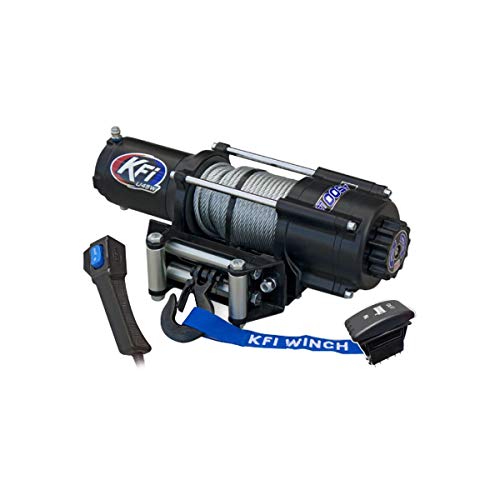
3. KFI Stealth Series Winches (4500 lb)
KFI Products are well-regarded for their quality and affordability. Their Stealth series winches are popular among UTV owners for their robust build and reliable performance, often at a more budget-friendly price point than premium brands.
- Technical Specs: 4500 lb capacity, fully sealed motor and gearbox, heavy-duty permanent magnet motor, all-metal planetary gear drive, 50ft synthetic rope, wired remote and handlebar-mounted mini-rocker switch included.
- Why it’s great for Pioneer 1000: Offers a great balance of performance and price. KFI also makes excellent model-specific mounting kits for the Pioneer 1000, ensuring a perfect fit without fabrication.
4. Rough Country 4,500 LB ProSeries
Rough Country has stepped up its winch game with the ProSeries line, offering incredible specs for the price point.
- Technical Specs: 1.4 HP permanent magnet motor, 50 ft synthetic rope, IP67 waterproof rating, wireless and wired remotes, lifetime warranty on the winch body.
- Why it’s great for Pioneer 1000: It’s a fantastic all-around winch that balances power, waterproofing, and affordability perfectly for weekend warriors.

Winch Installation Tips for Your Honda Pioneer 1000
Installing a winch on your Honda Pioneer 1000 can be a DIY project, especially with the “ready-fit” or quick-mount kits available. However, it requires careful attention to detail and electrical safety. Here are essential tips:
- Read the Instructions: Every winch and mounting kit is different. Thoroughly read the manufacturer’s installation manual before you begin. It will provide specific steps, torque specifications, and wiring diagrams for your model.
- Disconnect the Battery: Always disconnect your UTV’s battery (negative terminal first!) before working on any electrical components. This prevents accidental short circuits and potential damage to your Pioneer’s sensitive ECU.
- Mounting Plate First: Typically, you’ll install the winch mounting plate onto your Pioneer’s frame first. This often involves removing the front plastics or bumper for access. Ensure all bolts are tightened to the manufacturer’s specifications using thread locker.
- Winch to Mounting Plate: Once the mounting plate is secure, attach the winch to the plate. Pay attention to the orientation – some winches are designed to be mounted with the drum facing up or down to accommodate the fairlead and motor clearance.
- Wiring is Crucial: Winches require heavy-gauge wiring directly to the battery, often through a solenoid or contactor. Ensure all connections are clean, tight, and properly insulated with dielectric grease. Route wires away from the radiator, exhaust, or moving suspension parts.
- Fairlead Installation: Install the fairlead (roller for steel, aluminum hawse for synthetic) onto your bumper or winch mount. This guides the rope and protects it from abrasion. Ensure it’s aligned perfectly with the winch drum.
- Spool the Rope Correctly: When spooling the winch rope for the first time, ensure it’s under heavy tension. This helps prevent the rope from burying itself in the lower layers of the drum under load, which can crush and destroy the rope.
- Test Thoroughly: After installation, reconnect the battery and test the winch in a safe, open area. Spool it out and in a few times, checking for smooth operation, proper braking, and correct function of the remote controls.

Video Guide: Winching Basics and Installation
Seeing a winch setup in action can help clarify the installation process and safe operation techniques. Check out this helpful video:
Frequently Asked Questions (FAQ)
What size winch is best for a Honda Pioneer 1000?
The ideal size for the best winch for Honda Pioneer 1000 is between 4,500 lbs and 5,500 lbs of pulling capacity. This provides the necessary 1.5x to 2x multiplier over the Pioneer’s Gross Vehicle Weight Rating (GVWR) to safely pull the UTV out of deep mud, steep inclines, or heavy brush without overworking the winch motor.
Can I install a winch on my Pioneer 1000 myself?
Yes, most mechanically inclined owners can install a winch in 2 to 4 hours. Buying a vehicle-specific winch mount kit designed for the Honda Pioneer 1000 drastically reduces the difficulty. You will need basic hand tools, thread locker, and a multimeter for the electrical connections.
Check out our off-road collection Amazon products
SHOP THE COLLECTIONShould I get a synthetic or steel winch rope?
Synthetic rope is highly recommended for recreational UTVs. It is much lighter, doesn’t rust, and most importantly, it is significantly safer. If a synthetic rope breaks under tension, it drops to the ground. A broken steel cable stores immense kinetic energy and can snap back through the windshield with lethal force.
Where is the best place to mount a winch on a Pioneer 1000?
The best location is directly to the front frame rails using a dedicated mounting plate, hidden behind the front fascia or integrated into a front bumper. This keeps the weight centered and low, preserving the Pioneer’s center of gravity and approach angle.
Conclusion
Equipping your Honda Pioneer 1000 with one of the top-rated winches is an investment in peace of mind and enhanced off-road capability.
A reliable winch transforms your UTV from a recreational vehicle into a true recovery machine, ready to tackle unexpected challenges on the trail.
By carefully considering technical specs like pulling capacity, rope type, IP waterproof ratings, and motor design, you can select the best winch for Honda Pioneer 1000 that perfectly matches your riding style and the demands of your adventures.
Remember, a winch is only as good as its operator. Always practice safe winching techniques, carry appropriate recovery gear (like snatch blocks, tree savers, and heavy-duty shackles), and never exceed your winch’s rated capacity.
Community Reference & Authority Resources:
With the right winch and proper technique, you’ll be able to confidently explore more challenging terrain, knowing you have the power to get yourself (or a fellow rider) unstuck. Choose wisely, install correctly, and get ready to conquer any obstacle the trail throws your way!

🔍 Explore More: See all guides for Honda Pioneer.