As a fellow off-road enthusiast, I know the thrill of conquering challenging trails and exploring the untamed wilderness in my UTV.
But I also know the sinking feeling when your rig gets stuck, deep in mud or precariously perched on a rock.
It’s in these moments that a reliable recovery winch isn’t just a luxury; it’s an absolute necessity. Without one, a fun day can quickly turn into a frustrating, even dangerous, ordeal.
That’s why understanding “Winch wisdom: Choosing the right recovery winch for your UTV” is paramount for any serious off-roader.
In this comprehensive guide, I’ll share my personal insights and practical advice on selecting the perfect recovery winch for your UTV.
We’ll delve into the key factors to consider, from pulling capacity and rope type to motor and gear train, ensuring you make an informed decision.
I’ll also highlight some top-rated winches available on Amazon, complete with affiliate context, to help you get back on track quickly and safely.
So, let’s dive in and equip ourselves with the knowledge to tackle any recovery situation with confidence!
Understanding Winch Capacity: The Golden Rule of Recovery
When it comes to “Winch wisdom: Choosing the right recovery winch for your UTV,” capacity is king. This isn’t a component where you want to cut corners.
The general consensus among seasoned off-roaders, and a rule I personally adhere to, is to select a winch with a pulling capacity of at least 1.5 times the gross weight of your UTV.
For instance, if your fully loaded UTV (including passengers, gear, and fuel) tips the scales at 3,000 pounds, you’ll want a winch rated for a minimum of 4,500 pounds.
This 1.5x multiplier provides a crucial safety margin, accounting for the increased resistance encountered when pulling a stuck vehicle from mud, sand, or up an incline.
It ensures your winch isn’t constantly operating at its absolute limit, which can lead to premature wear and potential failure when you need it most.
Why 1.5x? The Science Behind the Strength
The 1.5x rule isn’t arbitrary; it’s based on real-world recovery scenarios.
When your UTV is stuck, the actual force required to move it can be significantly higher than its static weight.
Factors like suction from mud, friction from terrain, and the angle of the pull all contribute to this increased resistance.
A winch operating at its maximum rated capacity for extended periods will generate excessive heat, strain its motor, and rapidly deplete your battery.
By oversizing your winch slightly, you ensure it can handle these dynamic loads more efficiently and reliably, extending its lifespan and, more importantly, guaranteeing a successful recovery when you’re in a bind.
It’s an investment in peace of mind, knowing you have ample power to extract yourself from even the trickiest situations.
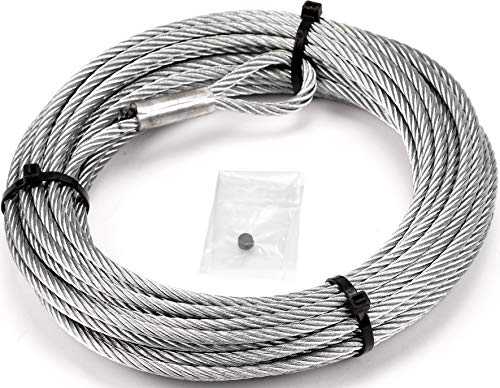

Rope Options: Synthetic vs. Steel – A Crucial Choice
Once you’ve determined the appropriate pulling capacity, the next critical decision in your “Winch wisdom: Choosing the right recovery winch for your UTV” journey is selecting the right rope.
The two primary options are synthetic rope and steel cable, each with distinct advantages and disadvantages that cater to different off-roading styles and preferences.
Synthetic Rope: Lightweight, Safe, and User-Friendly
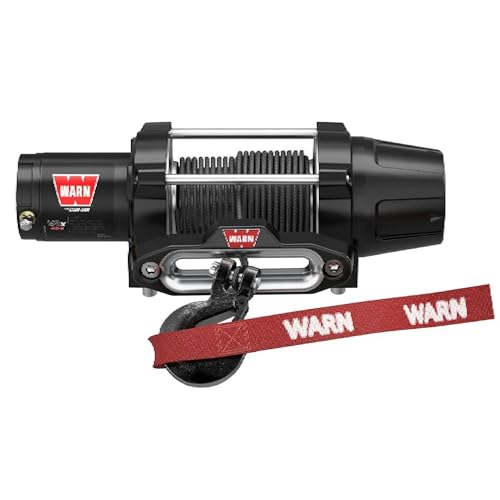
Synthetic ropes, typically made from high-strength polyethylene fibers like Dyneema, have become increasingly popular among UTV enthusiasts.
Their most significant advantage is their lightweight nature, making them much easier to handle and spool than steel cables.
This reduced weight also puts less strain on your UTV’s front end. More importantly, synthetic ropes are considerably safer.
In the rare event of a break, they store less kinetic energy and tend to fall to the ground, rather than whipping violently like steel cables, significantly reducing the risk of injury.
They are also less prone to kinking and don’t develop sharp burrs that can cut hands.
While generally UV-resistant, proper care, such as using a winch cover, can extend their lifespan.
Steel Cable: Durable, Abrasion-Resistant, and Traditional
Steel cables have been the traditional choice for winching for decades, and for good reason.
They are incredibly durable and highly abrasion-resistant, making them ideal for situations where the rope might rub against rocks, trees, or other abrasive surfaces.
If your off-roading adventures frequently involve dragging heavy obstacles or navigating through extremely rocky terrain, a steel cable might be a more robust option.
However, steel cables are significantly heavier and can be more challenging to manage.
They are also susceptible to kinking and can develop sharp strands over time, requiring gloves for safe handling.
In the event of a break, a steel cable can be extremely dangerous due due to its stored energy.
Ultimately, the choice between synthetic and steel depends on your typical terrain, recovery needs, and personal safety preferences.
For most UTV owners, especially those prioritizing ease of use and safety, synthetic rope is often the preferred modern choice.

Mounting Options: Where to Put Your Powerhouse
Beyond the winch itself, understanding the various mounting options is a key part of “Winch wisdom: Choosing the right recovery winch for your UTV.”
The way your winch is installed can significantly impact its effectiveness, accessibility, and even the structural integrity of your UTV.
There are several common configurations, each with its own set of advantages.
Front Mount: The Go-To for Self-Recovery
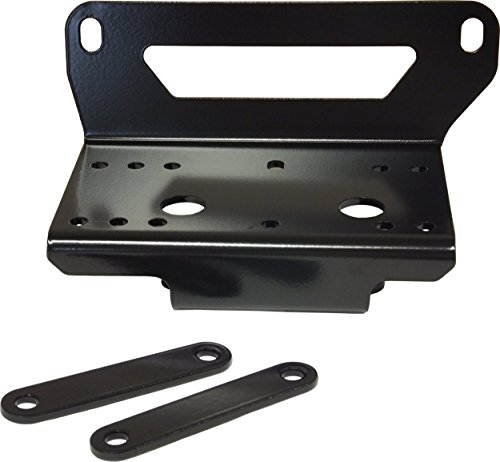
The front mount is by far the most common and often the most practical choice for UTV winches.
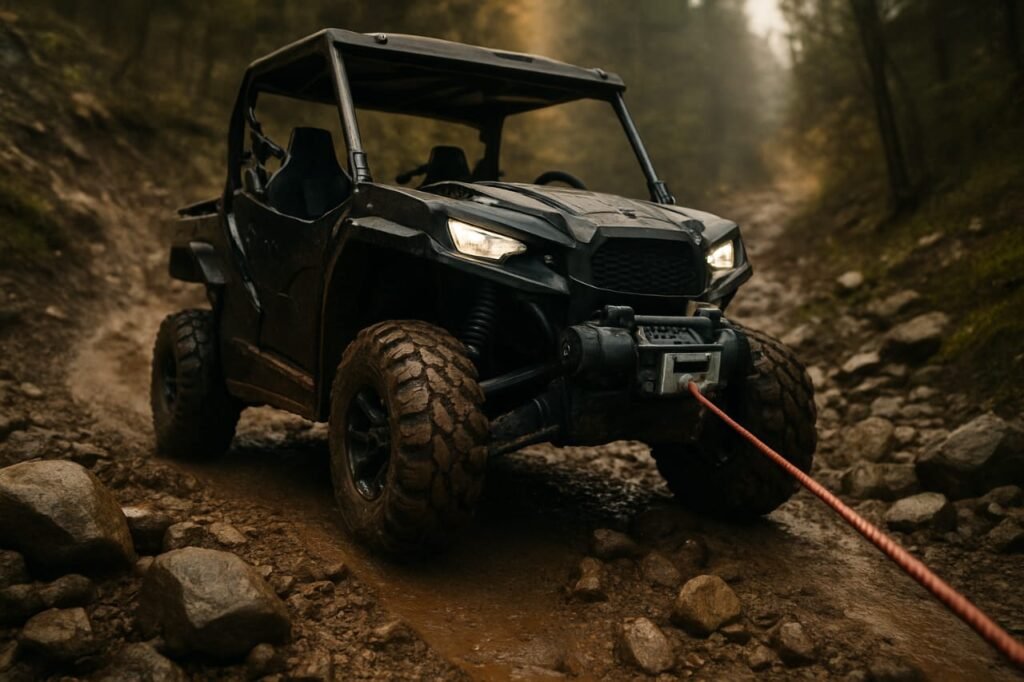
This setup places the winch at the front of your vehicle, typically integrated into a heavy-duty bumper or a dedicated winch plate. Its primary advantage is its utility for self-recovery.
When you’re stuck head-first in a mud pit or against an obstacle, a front-mounted winch allows you to pull yourself forward, often using a tree or another anchor point ahead of you.
This direct line of pull is usually the most efficient for getting unstuck.
Many UTVs come with pre-drilled mounting points or compatible bumpers, making installation relatively straightforward.
Rear Mount: Versatility for Hauling and Assisting
While less common as a primary recovery option, a rear-mounted winch offers a different kind of versatility.
This setup is particularly useful for pulling cargo, such as a trailer or heavy equipment, or for assisting other vehicles that might be stuck behind you.
Some off-roaders opt for both a front and rear winch for maximum recovery flexibility.
A rear mount typically involves a receiver hitch-mounted winch cradle, allowing for easy attachment and removal.
This can be a great addition for those who frequently use their UTV for utility tasks or group rides where assisting others is a common occurrence.
Multi-Mount Systems: The Best of Both Worlds
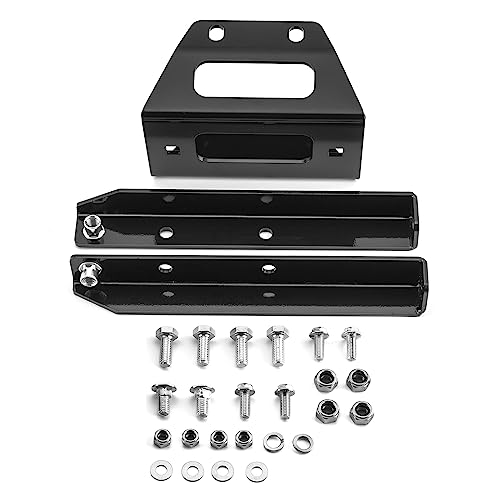
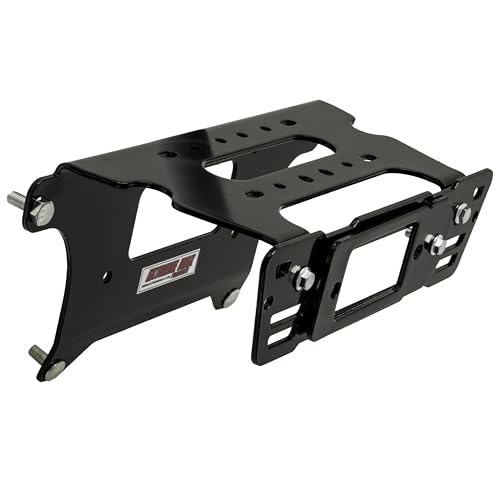
For the ultimate in flexibility, multi-mount systems allow you to use a single winch at either the front or rear of your UTV.
These systems usually involve a winch mounted on a portable cradle that can be quickly attached to receiver hitches at both ends of the vehicle.
This means you only need one winch, saving on cost and weight, while still having the ability to recover from multiple angles.
This option is particularly appealing for those who encounter diverse recovery situations or want to minimize permanent modifications to their UTV.
Regardless of the mounting option you choose, always ensure that your UTV’s frame and mounting system are robust enough to handle the full rated load of your winch.
A weak mounting point can be a catastrophic failure waiting to happen during a high-stress recovery.
Winch Controls: Command at Your Fingertips
Effective control over your winch is just as vital as its power and mounting.
When considering “Winch wisdom: Choosing the right recovery winch for your UTV,” the control system dictates how safely and efficiently you can operate your recovery gear.
Modern winches offer a few different control options, each designed to provide convenience and safety during those critical moments.
Handlebar Switch: Direct and Convenient
For many UTV owners, especially those who primarily operate their winch for self-recovery, a handlebar-mounted switch is a popular and straightforward choice.
This type of control is typically wired directly to your winch and mounted within easy reach on your UTV’s handlebars or dashboard.
Its main advantage is its convenience and immediacy.
You can operate the winch without dismounting, which is particularly useful in situations where you need to make minor adjustments to your pull or keep your hands on the steering wheel.
However, it does require you to be in close proximity to the UTV, which might not always be the safest position during a high-tension recovery.
Wired Remote Control: A Step Back for Safety
A wired remote control offers a significant safety advantage by allowing you to stand a safe distance away from the winch and the winch line during operation.
These remotes typically have a long cord that plugs into a port on your UTV, giving you the flexibility to position yourself where you have a clear view of the recovery operation without being in the direct line of fire should a cable snap.
This is especially important when dealing with heavy loads or complex pulls.
While it offers enhanced safety, the tethered nature means you still have a physical connection to the UTV, which can sometimes limit your movement or get snagged on obstacles.
Wireless Remote Control: Ultimate Freedom and Safety
The pinnacle of winch control technology is the wireless remote control.
This option provides the ultimate freedom of movement and maximum safety.
With a wireless remote, you can operate your winch from virtually any vantage point around your UTV, allowing you to assess the situation, guide the winch line, and ensure everyone is clear of danger.
Many premium winches, like the MO6.0 Series mentioned earlier, include wireless remotes as a standard feature.
This hands-free operation is invaluable, allowing you to maintain a safe distance and react quickly to any unforeseen issues during the recovery process.
It’s a feature I personally value highly, as it adds an extra layer of confidence to every recovery.
When choosing your winch, consider the types of recoveries you anticipate and prioritize the control system that offers the best balance of convenience and safety for your specific needs.
A well-chosen control system can make all the difference when you’re relying on your winch to get you out of a tough spot.
Conclusion: Your UTV’s Lifeline on the Trail
Navigating the world of UTV recovery winches can seem daunting, but armed with the right “Winch wisdom: Choosing the right recovery winch for your UTV,” you’re now equipped to make an informed decision.
We’ve explored the critical factors, from understanding the importance of adequate pulling capacity (remember the 1.5x rule!) to weighing the pros and cons of synthetic rope versus steel cable.
We’ve also delved into the strategic considerations of mounting options and the safety benefits of various control systems.
Ultimately, a well-chosen and properly maintained recovery winch is more than just an accessory; it’s your UTV’s lifeline on the trail.
It’s the difference between a minor setback and a major headache, between a quick recovery and being stranded.
Investing in a quality winch that suits your UTV and your off-roading style will not only enhance your adventures but also provide invaluable peace of mind.
So, go forth, explore with confidence, and always be prepared to pull yourself (or a friend) out of any sticky situation.
What are your go-to winch recovery tips?
Have you had an epic recovery story thanks to your trusty winch?
Share your thoughts and experiences in the comments below – let’s build this community of prepared off-roaders together!
Until next time, happy trails and safe winching!