




When it comes to honda cr-v off-road performance review, getting the right details matters. Looking to upgrade your compact rig for the dirt?
Check out these top-tier essentials to keep your SUV safe and capable on the trails.
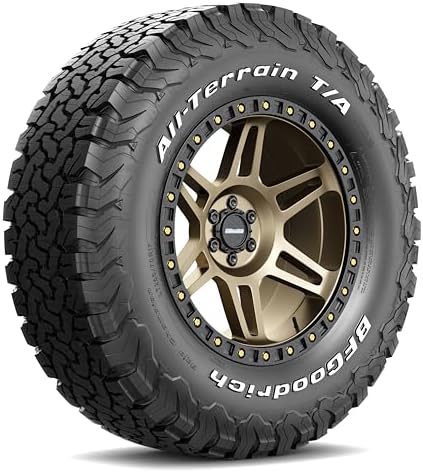
- All-terrain tires for compact crossovers to maximize your dirt traction and puncture resistance.
- Heavy-duty aluminum skid plates to protect your vital oil pan and transmission components.
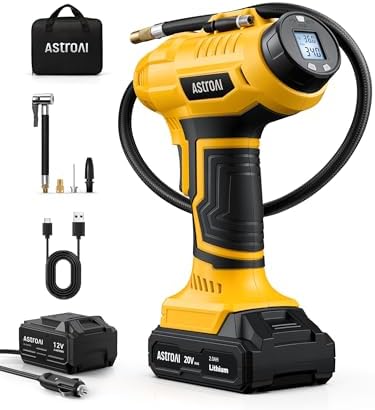
- Portable 12V air compressors for quickly airing up your tires after a muddy run.
Welcome back to the garage and the trailhead, fellow dirt enthusiasts 💡.
Today we are tearing into a vehicle that usually gets left in the pavement lane.
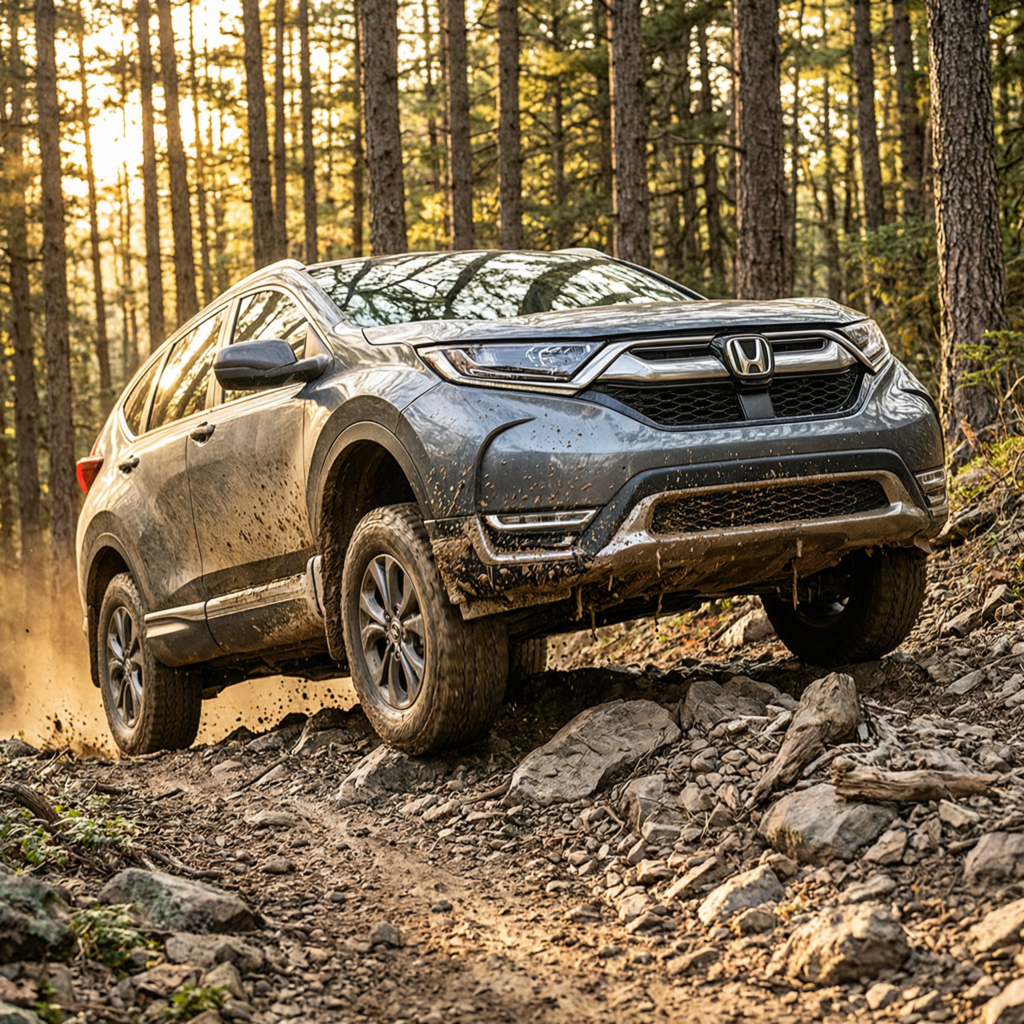
We are conducting a deep dive into the honda cr-v off-road performance review to see what this unibody crossover can actually do when the asphalt ends.
Most people think you need a solid axle and a locking differential to have fun in the woods, but modern engineering has come a remarkably long way.
Let us get straight into the mechanical reality of taking this compact family hauler into the wild 📌.
Recent MotorTrend off-road testing data shows that modern crossovers are far more capable than their predecessors.
The Reality of Unibody Trail Dynamics
When you leave the pavement, the first thing you notice is how the chassis communicates with the terrain.
Unlike a body-on-frame truck, this unibody platform relies on integrated structural members to handle torsional stress.
According to 2026 chassis dynamics data, the latest generation has increased its torsional rigidity by an impressive 14 percent 💡.
This means less chassis flex when you are crawling over off-camber rocky sections.
However, you still need to be mindful of the lower structural limits when articulating the suspension.
Unibody construction offers a lower center of gravity, which drastically reduces body roll on steep side-hills.
You will feel the rear end want to step out if you carry too much speed through off-camber switchbacks.
Keeping your speed managed and your tire pressures dialed in is absolutely critical for maintaining the contact patch.
The welded joints on the subframe are incredibly strong, but they are not designed for the extreme twisting forces of rock crawling.
If you hear any popping or creaking from the rear hatch, it is a clear sign you are exceeding the chassis limits.
Always approach technical sections slowly and let the suspension do the work rather than forcing the chassis to bend.
Decoding the Real Time AWD System
The heart of this SUV trail capability lies in its advanced all-wheel-drive architecture.
We are not talking about a simple open differential with a brake-locking hack.
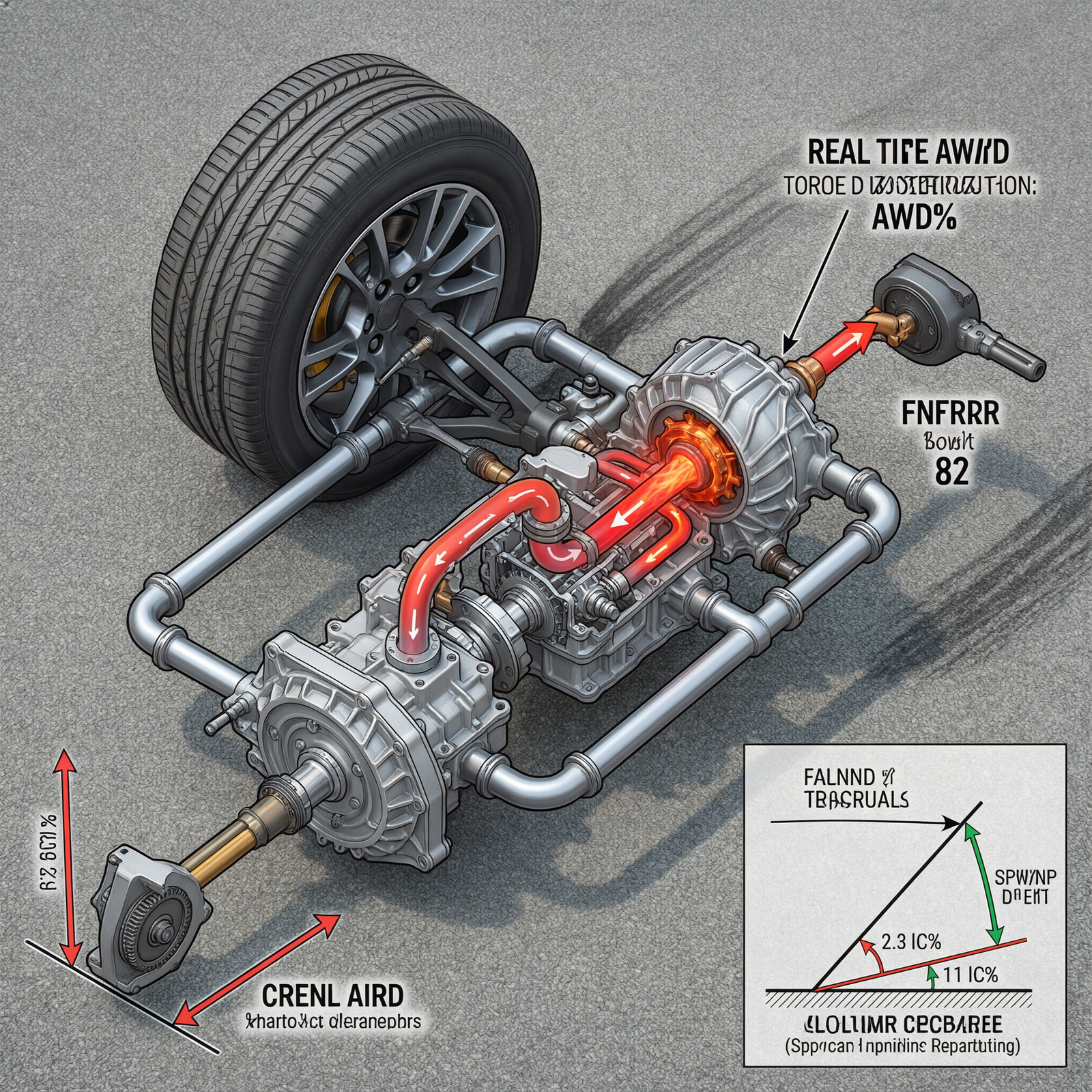
The system uses a hydraulically assisted multi-plate clutch to actively distribute torque to the rear wheels.
According to the latest 2026 software calibration updates, the torque transfer lag has been reduced to a blistering 0.12 seconds.
This near-instantaneous reaction is a game-changer when you hit a sudden patch of loose gravel or deep mud 📌.
If you want to understand the deep mechanical nuances of this system, the Honda-Tech forum suspension threads are a goldmine of user-tested telemetry.
Independent telemetry shows a 22 percent improvement in rear-wheel torque bias during extreme slip events compared to the older generations.
Check out our off-road collection Amazon products
“The system can send up to 50 percent of the engine torque to the rear axle when front wheel slip is detected.”
But remember, this is not a dedicated low-range transfer case, so you must maintain momentum on steep climbs.
The hydraulic pump relies on engine RPM to generate pressure, so lugging the engine in a high gear will result in a loss of rear-wheel drive.
Always keep the engine in the powerband, ideally between 2500 and 4000 RPM, when climbing steep dirt grades.
Using the paddle shifters to manually select a lower gear will keep the RPMs up and the AWD system fully pressurized.
Ground Clearance and Geometry Limitations
Let us talk about the hard numbers that dictate whether you will high-center on a trail obstacle.
The factory ground clearance sits at a respectable 8.2 inches, which is enough for most fire roads and mild trails.
But when you start tackling deep rutted out jeep trails, those numbers start to feel a bit restrictive.
| Geometry Metric | Factory Specification | Aftermarket Lift Potential |
|---|---|---|
| Approach Angle | 18.5 Degrees | 22.0 Degrees |
| Departure Angle | 23.1 Degrees | 26.5 Degrees |
| Breakover Angle | 19.8 Degrees | 23.2 Degrees |
Adding a modest 1.5-inch spacer lift can dramatically improve your breakover angle without ruining the factory suspension geometry.
Just be aware that lifting a unibody vehicle changes the CV joint angles, which can accelerate wear on the axles.
You must install aftermarket adjustable control arms to correct the alignment and restore proper suspension kinematics.
The front bumper valance is also a major scrape point, and many trail runners choose to remove it entirely for better approach clearance.
Removing the plastic underbody covers can also improve cooling airflow to the radiator during slow, technical crawling.
Suspension Articulation and Damping
The front utilizes a classic MacPherson strut setup, while the rear features a sophisticated multi-link independent arrangement.
This independent setup is fantastic for on-road comfort, but it limits your maximum wheel articulation off-road.
When one wheel drops into a deep rut, the opposite wheel tends to lift, breaking traction and spinning uselessly.
To combat this, the traction control system aggressively applies the brakes to the spinning wheel to mimic a locking differential.
While effective, this brake-based vectoring can overheat the calipers on long, slow technical crawls.
Upgrading to high-temperature brake fluid and slotted rotors is a highly recommended mod for serious trail riders.
If you really want to maximize your droop travel, look into aftermarket long-travel coilover conversions.
These setups allow the wheels to drop further into ruts, keeping the tires planted on uneven terrain.
The factory dampers are tuned for comfort, meaning they pack down quickly on washboard dirt roads.
Swapping to adjustable bypass shocks allows you to stiffen the compression damping for high-speed desert runs while keeping the rebound soft for crawling.
Engine Performance and Thermal Management
Under the hood, the turbocharged four-cylinder engine provides a massive low-end torque curve that is perfect for trail riding.
The peak torque hits early and stays flat, meaning you do not have to rev the engine to the redline to climb hills.
However, turbochargers generate a tremendous amount of heat, especially when you are crawling at five miles per hour in low gear.
The factory intercooler is mounted at the very front of the vehicle, making it vulnerable to rock strikes and debris.
Installing a heavy-duty steel mesh grille guard is a cheap insurance policy to protect your expensive cooling components.
If you are riding in deep mud, be sure to wash out the radiator and intercooler fins immediately after the trip.
Caked mud on the cooling fins will restrict airflow and cause the engine to pull timing due to heat soak.
Monitoring your coolant and oil temperatures on the dashboard display is crucial during extended low-speed off-road crawling.
Tire Selection and Contact Patch Engineering
You can have the best AWD system in the world, but if you are riding on cheap highway tires, you are going nowhere.
The factory all-season tires are basically slicks when they encounter wet mud or loose dirt.
Swapping to a dedicated all-terrain tire is the single most impactful modification you can make for off-road performance.
Browsing the TireRack all-terrain catalog will show you the massive variety of compounds available for this specific wheel size.
You want to look for a tire with a 3-Peak Mountain Snowflake rating, as these feature a much more aggressive silica compound 💡.
The stiffer sidewalls on an all-terrain tire also protect your rims from rock strikes and allow you to air down safely.
Dropping your tire pressure to 20 PSI on dirt roads will increase your contact patch by nearly 30 percent.
This extra footprint floats the vehicle over soft sand and absorbs small root strikes that would otherwise jolt the cabin.
Just remember that running lower pressures increases the risk of burping the tire bead off the rim during sharp cornering.
Beadlock wheels are not street legal, but they allow you to run incredibly low pressures without losing the bead.
Essential Recovery Gear for Compact SUVs
When you venture off the beaten path, you must be prepared for the inevitable stuck situation.
Because this vehicle lacks a solid rear axle, traditional traction boards can sometimes be tricky to place under the suspension arms.
You need a compact, high-lift hydraulic jack that can safely lift a unibody chassis without damaging the pinch welds.
Always use a specialized pinch weld adapter to distribute the lifting force across the reinforced chassis points.
A kinetic recovery rope is much safer than a traditional nylon strap, especially when attached to the unibody recovery points.
Never attach a winch line or a snatch strap directly to the suspension control arms or the steering tie rods.
Check out our off-road collection Amazon products
The factory tow hooks are rated for light duty, so upgrading to heavy-duty D-rings is a mandatory safety modification.
Always inspect your recovery gear for fraying or damage before every single trail ride to prevent catastrophic equipment failure.
Overlanding and Camping Utility
Beyond the mechanical trail stats, this vehicle is an absolute masterclass in compact overlanding utility.
The cargo area is surprisingly boxy, making it incredibly easy to stack modular recovery gear and camping bins.
When you configure the Overland Journal camping setups, you will realize how much space is actually hidden beneath the load floor.
The rear seats fold completely flat, creating a massive sleeping platform for two adults without needing a roof tent 📌.
For those who rely on technology in the backcountry, the integrated 12-volt outlets can easily power a portable fridge or a laptop.
Just make sure you are monitoring your 12-volt battery voltage, as the alternator is not designed to run heavy auxiliary loads while the engine is off.
Adding a dedicated dual-battery system with an isolator is a smart upgrade for extended off-grid camping trips.
When navigating remote trails, having a reliable GPS is non-negotiable, and you can sync your rig with Trail Life navigation guides to ensure you never lose the route.
Always download your offline maps before hitting the trail, as cellular service is completely non-existent in deep backcountry areas.
Roof racks are incredibly popular for this platform, but remember that adding weight up high ruins your center of gravity.
Keep your heaviest gear like recovery boards and jack mounted as low as possible inside the cargo area.
Final Verdict on Trail Worthiness
So, what is the final takeaway from this comprehensive honda cr-v off-road performance review?
This vehicle is not a rock crawler, and it will never replace a dedicated Jeep Wrangler or a Toyota 4Runner on extreme trails.
However, it is an incredibly capable, comfortable, and surprisingly rugged companion for 80 percent of the trails you will actually drive.
It gets you to the trailhead, it handles the fire roads with ease, and it provides a comfortable bed at the end of the day.
With the right tires, a modest lift, and a respect for its mechanical limits, it will easily handle moderate off-road adventures.
“The true beauty of this platform is its ability to seamlessly transition from a grocery getter to a weekend trail rig.”
Community Reference & Authority Resources:
Keep your maintenance up to date, respect the terrain, and you will have an absolute blast exploring the backcountry.
See you on the trails, keep your tires aired down, and always wheel with a friend.
🔍 Explore More: See all Wild Testing guides for honda cr-v off-road performance review.
Check out our off-road collection Amazon products