When it comes to beginner’s guide to riding a naked bike safely, getting the right details matters.
Listen up, trail warriors and pavement pounders.
I spend ninety percent of my life wrenching on UTVs, tuning bypass shocks, and crawling through deep mud.
But when the trails are closed and the asphalt calls, I throw a leg over my naked bike.
Why, you ask?
Because a naked bike is the absolute ATV of the street.
It is raw, it is mechanical, it is unfaired, and it demands your absolute respect.
If you can handle a thousand horsepower side-by-side through a rocky wash, you can handle a streetfighter.
But you need to translate those trail-honed instincts to the pavement.
This is your ultimate mechanical deep dive into mastering the streets.
The Mechanical Reality of Naked Bikes 🏍️
When you strip away the plastic fairings, you are left with the pure chassis and engine.
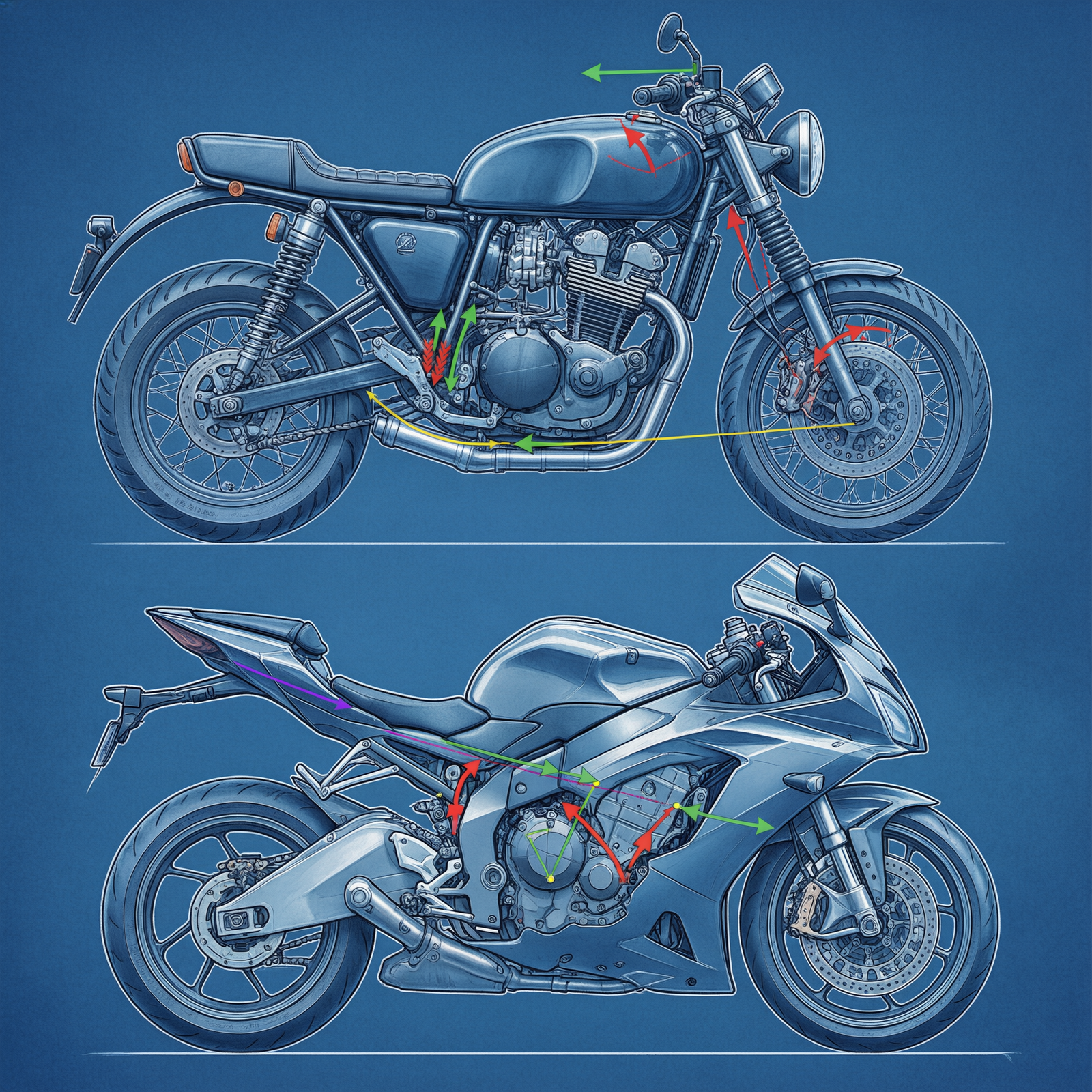
Think of a trellis frame like a chromoly roll cage on a RZR.
It provides immense torsional rigidity while allowing a tiny bit of flex for feedback.
Understanding the steering head angle is just as critical as knowing your UTV’s caster angle on a rocky trail.
Modern naked bikes feature a steeper rake than cruisers but slacker than pure sportbikes.
This gives you a perfect balance of straight-line stability and quick turn-in.
You will feel every bump through the handlebars because there is no windscreen to hide behind.
This direct feedback is exactly like feeling the trail through the steering wheel of a bare-bones utility ATV.
Chassis Geometry and Weight Transfer 💡
When you grab the front brake, the chassis dives.
This is where your suspension tuning knowledge comes into play.
Just like adjusting the compression damping on a front coilover, you need to manage the fork dive.
Proper sag settings ensure the geometry remains stable under heavy braking.
If your sag is too soft, the bike will wallow and upset the steering axis.
If it is too stiff, the front tire will skip over pavement imperfections.
Find that sweet spot, and the bike will track straight and true.
Throttle and Clutch Modulation 🔧
Let us talk about the powerplant.
Modern ride-by-wire throttles map the air-fuel mixture with the precision of a fuel-injected dirt bike, but with street-legal emissions compliance.
The latest 2025 and 2026 updates in IMU-based traction control are nothing short of miraculous.
These systems read pitch, roll, and yaw rates hundreds of times per second.
They adjust the throttle body opening to prevent the rear tire from breaking loose.
It is exactly like the selectable Eco and Sport modes on your modern UTV dashboard.
But you still need to modulate the wrist with surgical precision.
Roll on the throttle smoothly, just like you would feather the gas pedal out of a muddy rut.
Now, let us discuss the clutch lever.
The friction zone on a multi-plate wet clutch requires a delicate touch.
Think of it like managing the primary clutch engagement on a CVT system.
You want to feel the exact moment the plates begin to grab and transfer torque.
Practice finding this zone in your driveway until it becomes pure muscle memory.
A smooth clutch release prevents the rear tire from hopping and keeps the chassis settled.
Braking Dynamics and Trail Braking 🏁
Braking on pavement is a completely different animal than braking in the dirt.
Check out our off-road collection Amazon products
You have massive hydraulic disc brakes and sticky rubber compounds.
When you trail brake into a corner, you are managing the contact patch just like you would modulate the brakes on a steep ATV descent.
You bleed off speed while simultaneously leaning the bike over.
This transfers weight to the front tire, increasing its contact patch and grip.
But if you grab a handful of brake while leaned over, the tire will wash out.
Always progress your brake pressure as you increase your lean angle.
As you stand the bike up, you can squeeze harder.
It is a beautiful, mechanical dance of physics and friction.
Mastering this transition will make you faster and infinitely safer on the street.
Counter-Steering and Gyroscopic Effects 📌
At speeds above fifteen miles per hour, you must counter-steer to turn.
Push the left bar to go left, and push the right bar to go right.
This exploits the gyroscopic precession of the spinning wheels.
It is the same principle that keeps a UTV stable at high speeds, but on two wheels, it is your primary steering input.
Do not fight the handlebars.
Relax your arms and let the geometry do the work.
Look through the corner to where you want to go.
Your body will naturally follow your eyes, and the bike will lean in.
Maintenance Rituals for the Street 🛠️
You cannot ride hard if your machine is not dialed in.
A loose chain on a naked bike will destroy your sprockets faster than a muddy trail destroys a UTV CV joint.
Check your chain tension every five hundred miles.
Clean and lube it with a high-quality synthetic lubricant.
Inspect your brake pads for glazing or uneven wear.
Street stopping power relies entirely on friction material contact.
Monitor your tire pressures religiously.
Cold street tires behave completely differently than warm knobbies.
Give them a few miles to generate heat before you push the pace.
Always remember that street tires need heat to work, unlike the knobby tires we run in the deep mud.
For more comprehensive safety guidelines, always refer to the experts at Honda Motorcycle Safety.
They provide incredible resources for understanding machine dynamics.
You should also check out the Motorcycle Safety Foundation for formal training courses.
Their curriculum is the gold standard for new riders.
If you want to read up on the latest gear, the NHTSA Motorcycle Safety page is a great resource.
For deep dives into specific models, Cycle World Naked Bikes offers unparalleled technical reviews.
And for pure riding inspiration, Rider Magazine is a must-read.
Now, let us look at a quick comparison of street versus dirt specs.
Check out our off-road collection Amazon products
| System | Naked Bike Spec | Off-Road UTV Equivalent |
|---|---|---|
| Suspension Travel | 4.7 to 5.5 inches | 14 to 20 inches |
| Steering Lock | Limited by frame stops | Full lock to lock |
| Power Delivery | Linear with traction control | Selectable Eco and Sport modes |
Let us break down the core survival skills you need to practice.
- Check your tire pressures before every ride, as cold street tires behave completely differently than warm knobbies.
- Inspect your brake pads for glazing, because street stopping power relies entirely on friction material contact.
- Lubricate your chain every 500 miles to prevent drivetrain lash that can upset the chassis mid-corner.
- Adjust your rear shock preload to match your weight, ensuring the sag is dialed in for optimal geometry.
When you are out there, keep your head on a swivel.
Assume every car is going to pull out in front of you.
Position yourself in the lane to maximize your visibility and your escape routes.
Use engine braking to slow down without lighting up the brake light unnecessarily.
Downshift smoothly through the gearbox, matching the revs with a quick blip of the throttle.
This keeps the rear tire settled and prevents chassis upset.
It is the exact same technique you use when engine braking down a steep mountain trail.
A smooth downshift keeps the suspension compressed and the tire planted on the asphalt.
Let us hear it from the masters of the craft.
“A naked bike strips away the aerodynamic fairings to expose the raw mechanical soul of the machine.”
“You do not ride a streetfighter; you wrestle it, negotiate with it, and ultimately earn its respect.”
“The pavement is just a different type of trail, and your inputs must be just as deliberate and precise.”
At the end of the day, riding a naked bike is about connection.
It is about feeling the wind, hearing the intake roar, and sensing the road through the pegs.
It is an analog experience in an increasingly digital world.
Take your time, respect the machine, and always ride within your limits.
The trails will always be there, but so will the open road.
Stay safe, keep your wrenches tight, and see you out there.
Ride hard, ride smart, and never stop learning the mechanical arts.
Search Helpful “beginner’s guide to riding a naked bike safely” Videos on YouTube
🔍 Explore More: See all Wild Testing guides for beginner’s guide to riding a naked bike safely.
Check out our off-road collection Amazon products
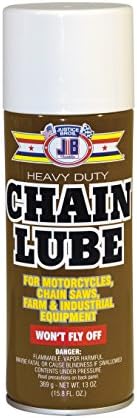

- Genuine Honda chain lube with MOLY, this chain lube is great because it sticks well and dries fast. It works with all ch…
- Contains MOLY and PTFE for superior lubrication. Dries fast leaving a no-fling film
- Compatible with all chains
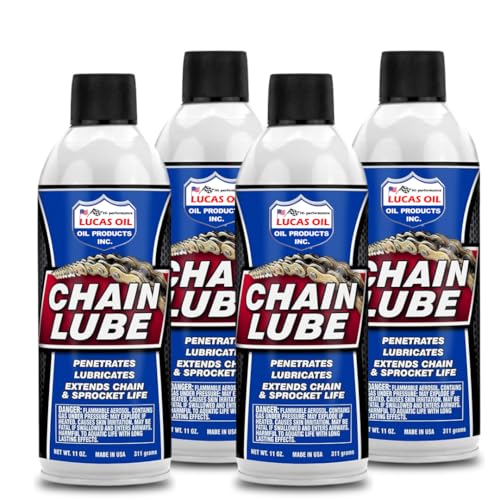
- 🏍️ Ideal for Motorcycle & ATV Chains Delivers smooth, friction-reducing lubrication on O-ring, X-ring, and roller chains…
- 🔗 Anti-Sling & Fast-Drying Formula Stays in place without throwing off — even at high RPMs.
- 🛡 Protects Against Rust & Corrosion Creates a water-resistant shield that blocks moisture, dirt, and road salt.