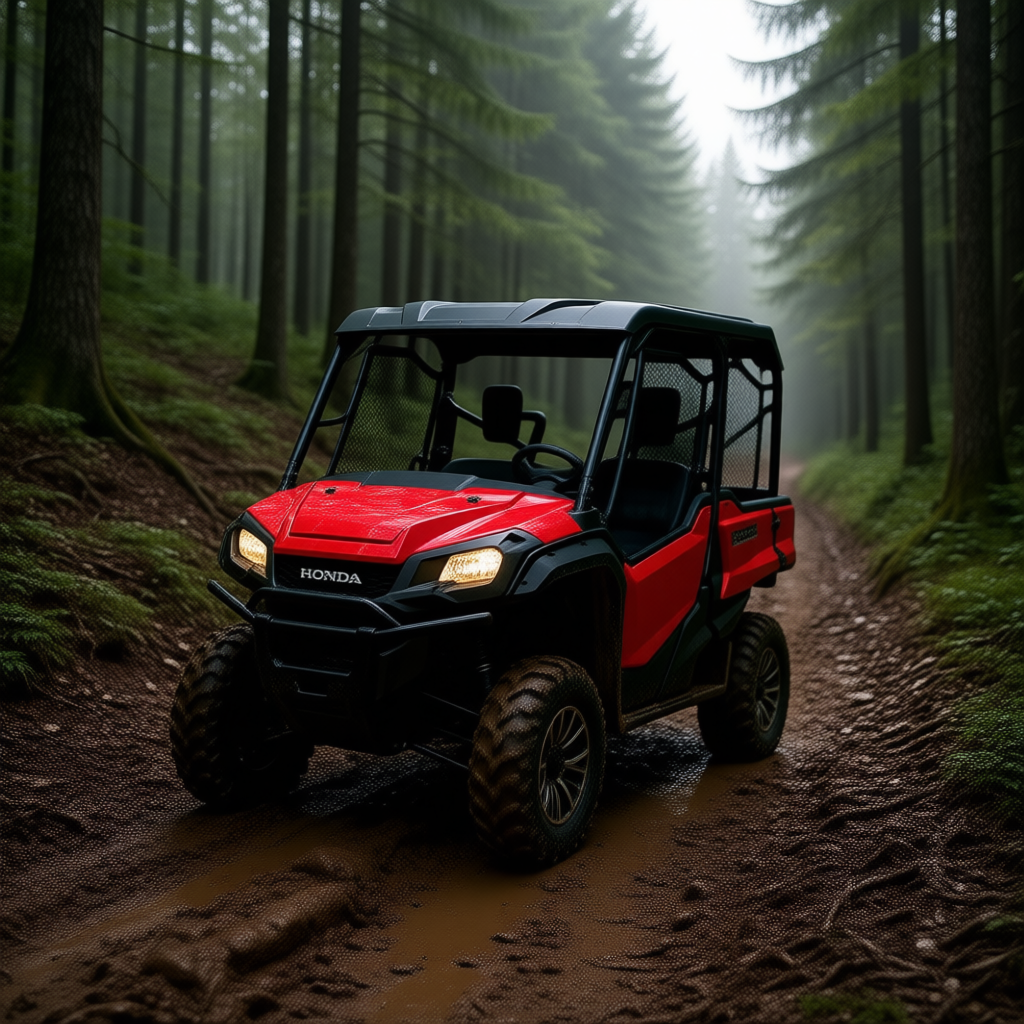
Why Install a Trailer Hitch on Your Mini Jeep or UTV?
When it comes to maximizing the utility of your compact off-road vehicle, a mini jeep trailer hitch installation is one of the most transformative upgrades you can make. Whether you are driving a custom-built mini jeep, a Mahindra Roxor, or a rugged side-by-side like the Honda Pioneer, adding a hitch instantly multiplies your hauling capabilities. Off-road enthusiasts and rural property owners alike rely on these compact vehicles to navigate tight trails, dense woods, and uneven terrain where full-sized trucks simply cannot go. By equipping your vehicle with a properly rated trailer hitch, you can effortlessly tow utility trailers loaded with firewood, camping gear, fencing materials, or even a small boat to your favorite remote fishing spot.
Furthermore, the modern mini jeep and UTV market has evolved significantly by 2026, with manufacturers engineering stronger chassis frames and more powerful drivetrains that are specifically designed to handle substantial towing loads. A high-quality hitch setup not only provides a secure connection point for your trailer but also integrates seamlessly with your vehicle’s rear bumper and frame rails. This structural integration ensures that the tongue weight and dynamic towing forces are distributed evenly, preventing frame fatigue and maintaining the structural integrity of your vehicle. For those who use their Honda Pioneer or mini jeep for daily chores around the farm or ranch, the ability to hook up a dump trailer or a sprayer rig saves countless hours of manual labor. Ultimately, investing in a trailer hitch transforms your recreational off-roader into a highly capable, multi-purpose workhorse that can tackle any task you throw at it.
Understanding Mini Jeep and UTV Towing Capacities
Before you purchase any hardware or begin your mini jeep trailer hitch installation, it is absolutely critical to understand the specific towing capacities of your vehicle. Every off-road vehicle has a manufacturer-defined Gross Combined Weight Rating (GCWR), which represents the maximum allowable weight of the fully loaded vehicle plus the fully loaded trailer. Exceeding this limit can lead to catastrophic brake failure, transmission overheating, and severe loss of steering control, especially when navigating steep off-road inclines or muddy trails. For instance, while a heavy-duty UTV like the Honda Pioneer 1000 towing capacity can handle up to 2,500 pounds in certain configurations, smaller mini jeeps and compact side-by-sides may be limited to 1,000 or 1,500 pounds.
In addition to the overall towing capacity, you must also pay close attention to the maximum tongue weight. Tongue weight is the downward force exerted on the hitch ball by the trailer coupler, and it typically should be between 10% and 15% of the total trailer weight. If the tongue weight is too light, the trailer will sway dangerously from side to side; if it is too heavy, it will lift the front end of your mini jeep, drastically reducing steering traction and braking efficiency. Always consult your owner’s manual or the manufacturer’s official specifications to verify these numbers before loading your trailer. It is also wise to factor in the weight of passengers, aftermarket accessories, and cargo stored in the vehicle bed, as all of these contribute to the Gross Vehicle Weight Rating (GVWR) and directly impact how much weight you can safely tow behind you.
Types of Trailer Hitches for Mini Jeeps and Side-by-Sides
Selecting the correct hitch type is a foundational step in the mini jeep trailer hitch installation process. The most common and versatile option for compact off-road vehicles is the rear receiver hitch. Receiver hitches feature a square tube opening—typically 1.25 inches or 2 inches—that accepts a removable drawbar and hitch ball. A 2-inch receiver is generally the preferred choice for UTVs and mini jeeps because it offers a wider selection of heavy-duty ball mounts, cargo carriers, and specialized off-road towing accessories. Class 1 and Class 2 receiver hitches are the standard for these vehicles, supporting gross trailer weights up to 2,000 and 3,500 pounds, respectively. You can explore a wide variety of the best UTV trailer hitches to find the perfect match for your rig.
Another option is the bumper hitch, which bolts directly to the vehicle’s rear bumper or a reinforced bumper bracket. While bumper hitches are often less expensive and easier to install, they are strictly limited to light-duty towing and are highly dependent on the structural strength of the bumper itself. For extreme off-road applications, some enthusiasts opt for a pintle hook setup or a heavy-duty clevis hitch. These configurations are designed to handle the severe articulation and uneven angles encountered on rocky trails, preventing the trailer from binding or snapping the hitch pin. However, pintle hooks are louder and less refined for standard highway or smooth-trail towing. When shopping for a hitch, always look for models that feature bolt-on, no-drill designs specifically engineered for your vehicle’s exact make and model, as these will provide the most secure and reliable fitment.
Step-by-Step Mini Jeep Trailer Hitch Installation Guide
Performing a DIY mini jeep trailer hitch installation is a rewarding project that can be completed in a standard home garage with basic hand tools. The first step is to prepare your workspace and ensure the vehicle is parked on a flat, level surface. Engage the parking brake, chock the front wheels, and safely support the rear of the vehicle using heavy-duty jack stands. Never rely solely on a hydraulic floor jack while working underneath your mini jeep or UTV. Once the vehicle is secure, clean the frame rails and mounting areas with a wire brush and penetrating oil to remove any dirt, mud, or surface rust that could interfere with the hardware.
When working with factory weld nuts that have been exposed to the elements, they are often packed with dirt, road grime, and rust. Before attempting to thread a new hitch bolt into these nuts, use a thread cleaning tap or an old bolt with a filed-down tip to chase the threads clean. Forcing a bolt into a dirty weld nut can strip the threads entirely, requiring a time-consuming and expensive repair. Additionally, you may need to temporarily lower the exhaust system by removing the rubber hangers to gain adequate clearance for maneuvering the heavy hitch assembly into position. Use a ratchet strap to support the exhaust pipe safely while you work.
Next, position the hitch assembly against the rear frame rails, aligning the mounting holes with the factory-threaded weld nuts or pre-drilled holes in the chassis. Many modern UTVs, including various models featured in our Honda Pioneer accessories catalog, come with pre-existing mounting points specifically designed for OEM and aftermarket hitch accessories. If your vehicle requires drilling, use a high-quality cobalt drill bit and apply cutting fluid to prevent the metal from overheating. Insert the provided grade-8 bolts, conical washers, and lock nuts, threading them in by hand to avoid cross-threading. Once all hardware is loosely in place, use a calibrated torque wrench to tighten the bolts to the manufacturer’s exact specifications in a crisscross pattern. This ensures even clamping force and prevents the hitch from shifting under heavy loads. Finally, reattach any removed bumper plastics or exhaust heat shields, and test the fitment of your drawbar and hitch ball.
Check out our off-road collection Amazon products
Essential Tools for a Flawless Hitch Installation
To guarantee a safe and professional-grade mini jeep trailer hitch installation, having the right tools at your disposal is non-negotiable. The most critical tool in your arsenal is a high-quality, calibrated torque wrench. Guessing the tightness of structural hitch bolts is incredibly dangerous; under-torqued bolts can vibrate loose on rough trails, while over-torqued bolts can stretch, snap, or strip the threads out of the vehicle’s frame. A standard 1/2-inch drive torque wrench that measures up to 150 ft-lbs will cover almost all UTV and mini jeep hitch applications.
Additionally, you will need a comprehensive metric and standard socket set, a set of combination wrenches, and a heavy-duty breaker bar for removing stubborn factory exhaust hangers or skid plate bolts. A wire brush attachment for a cordless drill is invaluable for cleaning frame mounting surfaces, while a can of high-penetrating lubricant like PB Blaster or Liquid Wrench will save your knuckles when dealing with rusty chassis hardware. Safety gear is equally important; always wear ANSI-rated safety glasses to protect your eyes from falling debris and rust flakes, and use heavy-duty mechanic’s gloves to protect your hands from sharp frame edges. Finally, keep a tube of anti-seize compound and a bottle of threadlocker (such as Loctite Blue) on hand. Applying threadlocker to the hitch bolts provides an extra layer of security against the intense vibrations generated by off-road driving.
Wiring Your Mini Jeep for Trailer Lights
A successful mini jeep trailer hitch installation is incomplete without a fully functional trailer lighting system. If you plan to tow your trailer on public roads, cross public trails, or drive during low-light conditions, functioning brake lights, turn signals, and running lights are legally required and essential for safety. Most compact off-road vehicles and UTVs utilize a standard 4-pin flat connector for trailer wiring. The easiest and most reliable method to integrate this connector is by using a custom-fit T-one wiring harness. These plug-and-play harnesses tap directly into the vehicle’s factory tail light wiring without the need to splice, cut, or solder any original wires.
Recommended Insights From Our Guide Library:
If a plug-and-play harness is not available for your specific mini jeep model, you will need to hardwire a universal 4-pin converter kit. This requires using a circuit tester to identify the correct tail light, brake, and turn signal wires behind the rear light assemblies. Use weatherproof butt connectors and heat shrink tubing to seal all splices, preventing moisture intrusion and corrosion. Route the wiring harness carefully along the vehicle’s frame rails, securing it with UV-resistant zip ties and avoiding any hot exhaust components or moving suspension parts. Apply a generous amount of dielectric grease to the 4-pin connector terminals to repel water and prevent electrical gremlins. When not in use, store the connector in a protected location or use a waterproof dust cap to extend its lifespan.
Safety Tips for Towing with Your Mini Jeep or Honda Pioneer
Towing a trailer with a lightweight, short-wheelbase vehicle like a mini jeep or a Honda Pioneer requires a different driving approach than towing with a full-sized pickup truck. Because the tow vehicle is relatively light, it is highly susceptible to trailer sway, especially when encountering crosswinds, passing large vehicles, or navigating uneven off-road camber. To mitigate this, always ensure your trailer load is properly balanced, with approximately 60% of the cargo weight positioned in the front half of the trailer bed and securely strapped down. Keep your speeds moderate; the smaller brakes and lighter suspension of a UTV or mini jeep require significantly more stopping distance when pulling a loaded trailer. Reviewing comprehensive off-road towing safety protocols is highly recommended before your first heavy haul.
Backing up a trailer with a short-wheelbase mini jeep requires practice and patience. The shorter the distance between the vehicle’s rear axle and the hitch ball, the faster the trailer will react to steering inputs. Make small, deliberate steering corrections, and if the trailer begins to jackknife, pull forward to straighten out the rig before trying again. When navigating steep off-road hills, remember that the added weight of the trailer will drastically reduce your vehicle’s climbing ability and increase the strain on your CVT or manual transmission. Always engage four-wheel drive and select the appropriate low-range gearing before attempting a steep incline with a loaded trailer. Furthermore, be mindful of the departure angle; a low-hanging trailer tongue or hitch receiver can easily catch on rocks or logs when transitioning from a steep downhill to a flat surface.
Before hitting the trail or the road, perform a rigorous pre-trip inspection. Verify that the hitch pin and safety clip are fully seated, the safety chains are crossed under the tongue and securely attached to the vehicle’s frame loops, and the breakaway cable (if equipped) is properly connected. Check the tire pressure on both the tow vehicle and the trailer, as under-inflated tires are a leading cause of trailer blowouts and sway incidents. If you frequently tow heavy loads near your vehicle’s maximum capacity, consider upgrading to heavy-duty rear suspension springs or adding an adjustable airbag kit to maintain proper ride height and steering geometry.
Maintenance and Troubleshooting Your Trailer Hitch
Once your mini jeep trailer hitch installation is complete, routine maintenance is required to ensure the system remains safe and functional for years to come. Off-road environments are incredibly harsh on metal components, exposing your hitch to mud, water, salt, and abrasive dirt. After every muddy or wet ride, wash the hitch receiver and ball mount with a pressure washer or a stiff brush and soapy water. Once dry, apply a light coat of rust-inhibiting spray or fluid film to the exposed metal surfaces to prevent oxidation. The inside of the receiver tube is particularly prone to rust; keep it coated with a dry graphite lubricant or insert a plastic receiver plug when the hitch is not in use to keep out moisture and debris. Incorporating these steps into your regular UTV maintenance guide will prolong the life of your equipment.
Beyond the receiver tube, the hitch ball and coupler mechanism require dedicated attention. Inspect the hitch ball for signs of uneven wear, flat spots, or deep grooves. A worn hitch ball can cause the trailer coupler to bind, leading to premature failure and dangerous detachment on the trail. Lubricate the hitch ball with a specialized towing grease or a dry graphite spray before every trip to reduce friction and prevent the coupler from wearing out. Similarly, check the trailer coupler latch mechanism to ensure it engages fully and locks securely over the ball. If your hitch setup utilizes a locking pin, ensure the lock cylinder is lubricated and free of debris so it functions reliably in freezing or muddy conditions.
Periodically, inspect all mounting hardware for signs of loosening or fatigue. The intense vibrations from trail riding can cause even properly torqued bolts to back out over time. Use a torque wrench to re-check the hitch bolts every few months or after any particularly grueling off-road excursion. If you notice excessive rattling or clunking when accelerating or braking, the drawbar may be loose inside the receiver tube. This can be easily resolved by installing a hitch tightener or anti-rattle clamp, which uses a U-bolt and plate to pull the drawbar firmly against the receiver wall, eliminating play and reducing wear on the hitch components.
Frequently Asked Questions (FAQs)
Can I install a trailer hitch on my mini jeep myself?
Yes, most mini jeep and UTV trailer hitches are designed for straightforward, bolt-on installation. With basic hand tools, a torque wrench, and a safe jacking setup, an experienced DIYer can complete the installation in two to three hours. Always refer to the manufacturer’s instructions and consult resources like etrailer.com for model-specific fitment guides.
Check out our off-road collection Amazon products
What size hitch ball do I need for my UTV trailer?
The required hitch ball size depends on your trailer’s coupler. The most common sizes for light-duty utility and off-road trailers are 1-7/8 inches and 2 inches. Always match the ball size exactly to the coupler stamping to prevent dangerous detachment.
Do I need a weight distribution hitch for my Honda Pioneer?
Weight distribution hitches are generally not used on UTVs or mini jeeps due to their short wheelbase and lightweight frames. Instead, focus on proper load balancing, maintaining correct tongue weight, and upgrading your vehicle’s rear suspension if necessary. For official towing regulations and safety standards, you can review guidelines from the National Highway Traffic Safety Administration.
Community Reference & Authority Resources:
How do I prevent my hitch receiver from rusting?
The best way to prevent rust is to keep the receiver clean and dry. Apply a rust-preventative spray paint or a protective wax coating to the exterior, and always use a receiver plug or store a hitch tightener inside the tube to block moisture and dirt. For OEM replacement parts and specifications, visit Honda Powersports.
🔍 Explore More: See all guides for Honda Pioneer.