The roar of a gasoline engine has long been synonymous with off-road adventure. 🏍️
However, a silent revolution is underway, driven by the increasing availability and sophistication of the ATV electric drive conversion kit. 💡
These kits allow enthusiasts to transform their existing gas-powered ATVs into high-torque, zero-emission electric vehicles. ⚡
The benefits are compelling: instant torque, minimal maintenance, and a near-silent operation that opens up new possibilities for hunting, utility work, and stealthy trail riding. 🤫
This comprehensive guide will break down the core components of a conversion kit, compare the critical motor and battery technologies, and discuss the practical realities of making the switch. 🛠️
The Core Components of an Electric Conversion Kit
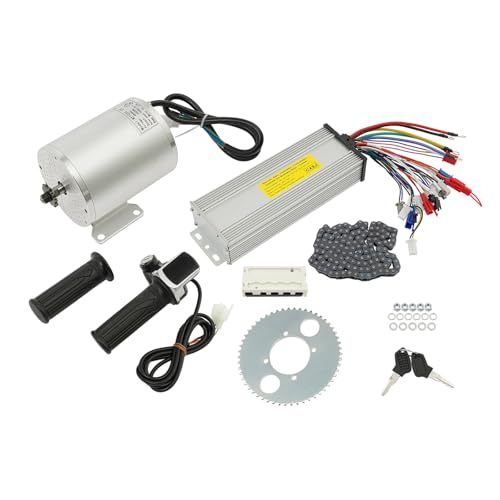
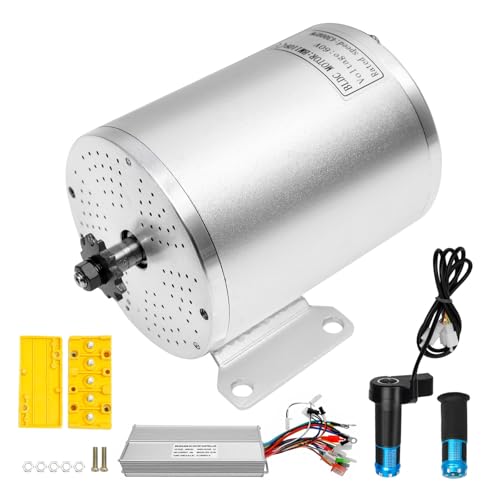
An electric conversion kit replaces the entire internal combustion engine (ICE) drivetrain with an electric powertrain. 🔄
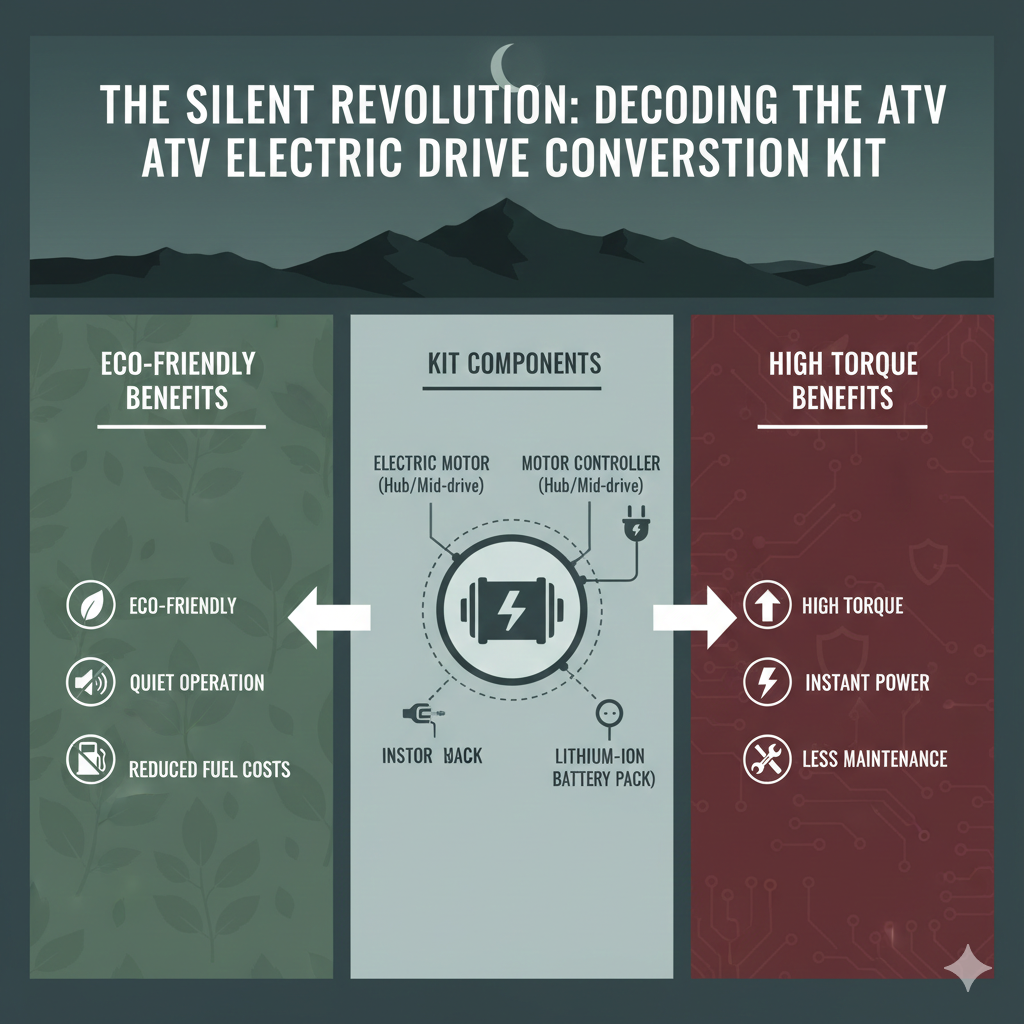
While kits vary in complexity and power, they all share four fundamental components. 📌
1. The Electric Motor
The motor is the heart of the electric conversion, responsible for converting electrical energy into mechanical motion. ⚙️
The choice between AC (Alternating Current) and DC (Direct Current) motors is crucial for off-road performance. 🧐
| Motor Type | Key Off-Road Advantage | Performance Characteristic |
|---|---|---|
| DC (Brushed/Brushless) | High starting torque, simpler control, and lower cost. | Excellent for rock crawling and low-speed utility work. |
| AC (Induction/Synchronous) | Higher efficiency, less maintenance, and better sustained high-speed power. | Preferred for high-performance racing and long-distance trail riding. |
For most ATV conversions, the instant, massive torque of a DC or a high-performance AC motor is the main draw, providing superior low-end grunt compared to a gas engine. High-Performance Electric ATV Motors are specifically designed for these demands. 💪
2. The Battery Pack
The battery pack is the fuel tank of the electric ATV, and its technology determines the vehicle’s range and power output. 🔋
The primary choice is between standard Lithium-ion (Li-ion) and Lithium Iron Phosphate (LiFePO4). 🧪
- Li-ion: Offers higher energy density, meaning more range for the same weight. However, it is more susceptible to thermal runaway (overheating). 🌡️
- LiFePO4: Offers superior safety, longer cycle life, and better stability in extreme temperatures, making it the preferred choice for rugged off-road applications where safety is paramount. LiFePO4 batteries are widely regarded as the safest lithium chemistry. 🛡️
Example –
“The future of off-roading is silent, powerful, and electric.”
3. The Motor Controller
The motor controller is the brain that manages the flow of power from the battery to the motor. 🧠
It translates the rider’s throttle input into precise motor speed and torque, ensuring smooth and efficient power delivery. 📈
High-quality controllers also manage regenerative braking, which captures energy back into the battery when the rider decelerates, extending the overall range. ♻️
The Benefits of an Electric ATV Conversion
Switching to an electric powertrain offers several distinct advantages over a traditional gas engine. 🌟
Instant and Consistent Torque
Electric motors deliver 100% of their torque from 0 RPM. 🚀
This instant, linear power is unmatched by any gas engine, providing incredible low-speed control and the ability to crawl over obstacles with ease. ⛰️
This characteristic is a game-changer for technical riding and utility hauling. 🚜
Minimal Maintenance and Noise
Electric motors have far fewer moving parts than an ICE, eliminating the need for oil changes, air filters, spark plugs, and complex valve adjustments. 🛠️
This drastically reduces maintenance time and cost. 💰
Furthermore, the near-silent operation is a huge advantage for hunters, wildlife observers, and those who ride in noise-sensitive areas. 🦌
Example –
“Silence is the new horsepower.”
Installation and Practical Considerations
While the concept is straightforward, the installation of an **ATV electric drive conversion kit** is a significant project that requires mechanical and electrical knowledge. 💡
Installation Complexity
The process involves removing the gas engine, fabricating custom motor mounts, and integrating the new electric motor with the existing chain or driveshaft. 🔗
The most challenging aspect is often the secure and safe mounting of the heavy battery pack, which must be protected from impacts and water. 💧
Many DIY builders opt for turn-key kits that include pre-fabricated mounting plates to simplify the process. Electric ATV Conversion Project blogs offer valuable insights into the DIY process. 📝
Range and Charging
Range anxiety is a common concern. 😟
The actual range depends heavily on the battery capacity (measured in kWh), the terrain, and the riding style. ⛰️
Aggressive riding and steep climbs will deplete the battery much faster than cruising on flat trails. 📉
Charging is typically done via a standard household outlet, but some high-power systems can utilize Level 2 EV chargers for faster turnaround times. 🔌
The Future is Now
The **ATV electric drive conversion kit** is democratizing the shift to electric off-roading. 🌍
It offers a sustainable, high-performance alternative to buying a brand-new electric ATV, allowing riders to breathe new life into their existing machines. ♻️
As battery technology continues to improve in energy density and safety, the range and power of these converted ATVs will only increase. 📈
For the mechanically inclined rider, the conversion kit is a rewarding project that results in a unique, powerful, and future-proof off-road machine. Embrace the silence and the torque; the electric trail awaits. 🏞️
Summary of Conversion Kit Choices
Choosing the right components is key to a successful conversion. 🔑
Here is a quick comparison of the major choices. 📌
| Component Choice | Pros | Cons |
|---|---|---|
| AC Motor | Higher efficiency, less maintenance, better high-speed performance. | Higher cost, more complex controller required. |
| DC Motor | Excellent starting torque, lower cost, simpler control. | Lower efficiency, requires brush replacement over time. |
| LiFePO4 Battery | Superior safety, longer cycle life, better thermal stability. | Lower energy density (less range for the same weight). |
| Li-ion Battery | Higher energy density (more range for the same weight). | Higher safety risk, shorter cycle life. |
The choice ultimately depends on your budget, mechanical skill, and primary use case—be it a silent hunter’s vehicle or a high-performance trail machine. The power to choose is yours. 🏆
References and Further Reading
For those who wish to delve deeper into the technical aspects of electric conversion, the following resources are highly recommended. 📚
- E-Quadrocycle conversion kit 5kW – Miromax.
- Are You Electric UTV-Curious? Meet Super Powers Mobility – UTV Driver.
- AC vs DC vs BLDC Motor Efficiency Comparison – Tyto Robotics.
- LiFePO4 vs. Lithium-Ion Batteries: Choosing the Best Option – EVLithium.
- Looking for advice on building an electric ATV – Permies Forum.
Happy converting! 🥳