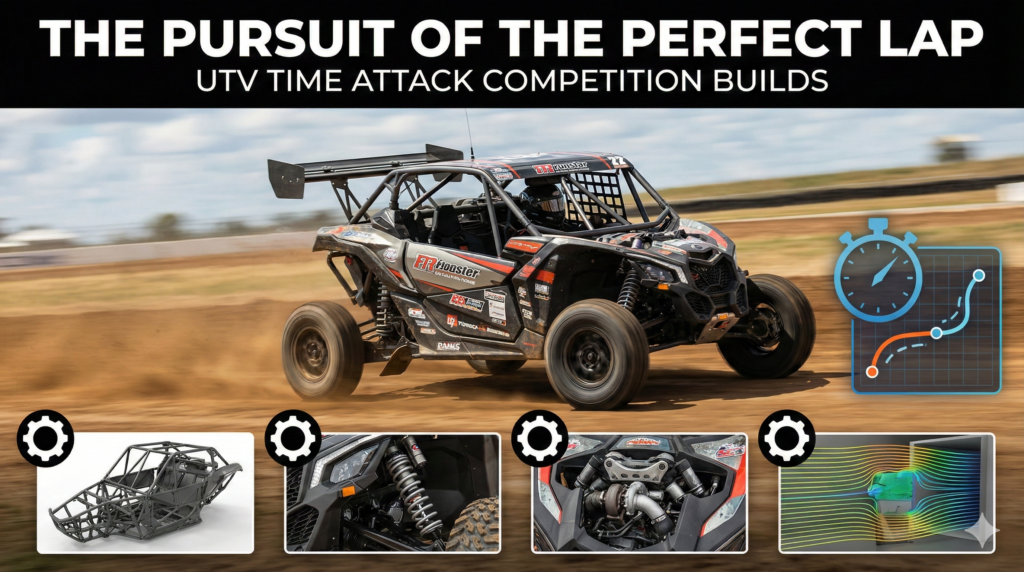



Time Attack is a motorsport discipline where the objective is simple: complete a lap of a circuit or course in the fastest possible time. While traditionally dominated by highly modified sports cars, the thrill of the single-lap sprint has found a new, aggressive home in the off-road world with UTV time attack competition builds. These machines are a fascinating blend of desert racer durability and circuit racer precision, built to handle high-speed corners, technical sections, and the unique demands of a dirt or mixed-surface track.
A UTV built for time attack is a specialized weapon. It requires a level of engineering and tuning far beyond a standard trail machine. Every component, from the chassis to the suspension and the engine, is optimized for one goal: to shave precious tenths of a second off the clock. This is a sport where precision meets power, and the smallest detail can be the difference between a podium finish and a frustrating defeat.
I’ve seen some incredible UTV time attack builds, and the level of engineering is truly inspiring. This comprehensive guide will break down the four pillars of a successful UTV time attack competition builds: chassis and safety, extreme suspension tuning, maximizing engine performance, and the often-overlooked role of aerodynamics.
Phase 1: Chassis and Safety—The Foundation of Speed
In time attack, the chassis is the foundation upon which all performance is built. It must be rigid, lightweight, and, most importantly, safe.
1. Chassis Reinforcement
- Gusset Kits: The stock UTV chassis, especially around suspension mounting points and the firewall, is often too flexible for the extreme forces of time attack. Chassis gusset kits are essential to reinforce these weak points, improving rigidity and ensuring predictable handling.
- Roll Cage: A custom, certified race-spec roll cage is mandatory. Unlike desert racing cages that prioritize durability, time attack cages focus on maximizing chassis stiffness while adhering to safety regulations.
2. Occupant Safety
- Seating and Harnesses: Lightweight, high-containment racing seats and 5- or 6-point harnesses are critical for keeping the driver and co-driver securely in place against high G-forces.
- Fire Suppression: A professionally installed, plumbed fire suppression system is a necessary safety measure, ready to deploy instantly in the event of an engine or fuel fire.
| Component | Time Attack Optimization | Performance Benefit |
|---|---|---|
| Chassis | Full gusseting and reinforcement | Increased rigidity for precise handling and suspension feedback. |
| Roll Cage | Certified, tied into frame | Maximum safety and structural integrity at high speeds. |
| Seats/Harnesses | High-containment racing seats | Keeps occupants secure, allowing for better control input. |
| Tires | High-speed, low-profile radial tires | Maximized contact patch and reduced rolling resistance for speed. |
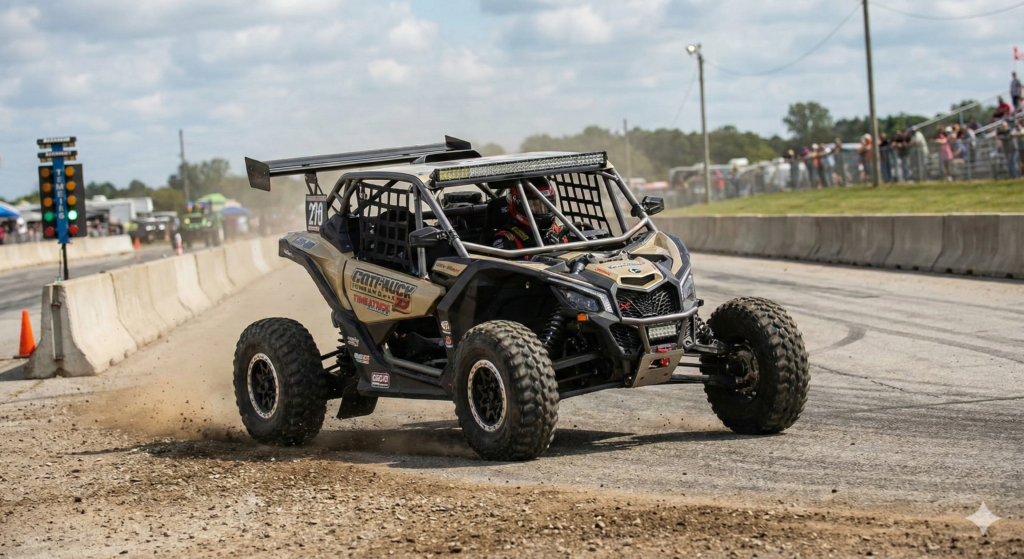
Phase 2: Extreme Suspension Tuning—Mastering the Mixed Surface
Suspension is arguably the most critical factor in a UTV time attack build, as it must manage high-speed stability, cornering grip, and the absorption of off-road bumps.
1. Long-Travel and Custom Valving
- Long-Travel Kits: While long-travel suspension is common in UTVs, for time attack, the focus shifts from maximum articulation to precise, controlled damping. Custom long-travel A-arms and trailing arms increase the track width for stability.
- Race-Spec Shocks: High-end, large-body shocks (e.g., Fox, King, Walker Evans) with external bypasses are the standard [1]. The key is the custom valving and spring rates tuned specifically for the time attack course’s surface and speed profile.
2. Anti-Roll and Stability
- Sway Bars: Upgraded, adjustable front and rear sway bars are essential to control body roll during high-speed cornering, ensuring the tires maintain an optimal contact patch with the ground.
- Steering Stabilizer: A high-quality steering stabilizer reduces bump steer and driver fatigue, allowing the driver to maintain a consistent line through rough sections.
Phase 3: Maximizing Engine Performance and Drivetrain Reliability
Time attack demands maximum power for the shortest possible duration. Engine builds are focused on high-output, reliable power delivery.
1. Forced Induction and Tuning
- Turbo/Supercharger Upgrades: Most competitive builds utilize upgraded turbochargers or superchargers, often paired with high-flow intercoolers, to dramatically increase horsepower.
- ECU Tuning: A custom ECU tune is necessary to manage the increased boost, fuel delivery, and ignition timing. This is where a builder can extract every last bit of safe power from the engine.
2. Drivetrain Durability
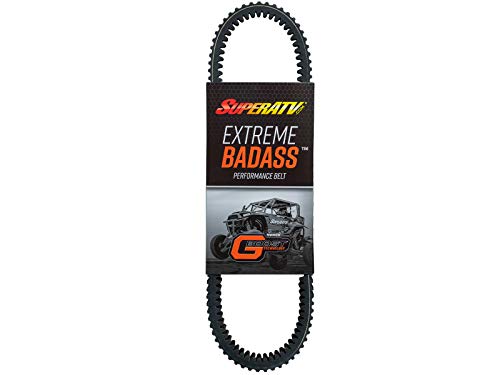
- Clutch Kits: The CVT clutch is a major weak point under racing conditions. Performance clutch kits with heavier weights and stiffer springs are installed to handle the massive torque and heat, preventing belt slip and failure [2].
- Heavy-Duty Components: Upgraded axles, drive shafts, and differential components are necessary to handle the shock loads and sustained stress of aggressive driving.
Phase 4: Aerodynamics and Weight Reduction—The Marginal Gains
While UTVs are not typically aerodynamic machines, marginal gains in weight reduction and airflow management can make a difference in a time attack setting.
1. Weight Reduction
- Minimalist Approach: Every non-essential component is removed. This includes interior trim, unnecessary wiring, and heavy stock parts.
- Lightweight Materials: Components like doors, roofs, and even body panels are often replaced with lightweight carbon fiber or aluminum alternatives.
2. Airflow Management
- Windshields and Roofs: While a full windshield can reduce wind resistance, it also adds weight and can affect visibility. Many time attack builds opt for half-windshields or none at all, focusing on minimizing drag while maintaining driver visibility [3].
- Cooling Vents: Strategic venting in the bodywork and roof is used to direct airflow to critical components like the intercooler, radiator, and clutch housing, ensuring they operate at peak efficiency.
Conclusion: The Ultimate Off-Road Sprint Machine
The UTV time attack competition builds represent the cutting edge of off-road performance engineering. They are a testament to the versatility of the UTV platform and the relentless pursuit of speed. Building one requires a holistic approach, balancing the need for raw power with the necessity of precise handling and uncompromising safety.
From the gusseted chassis to the custom-valved shocks and the high-output engine, every modification is a calculated step toward the perfect lap. For the enthusiast looking for the ultimate high-speed, high-precision off-road challenge, the UTV time attack scene offers an unparalleled proving ground for both machine and driver.
The clock is ticking. Are you ready to build your ultimate sprint machine?
References
[1] Holley – UTV Suspension: How to Pick the Perfect Upgrades
[2] Performance Racing – The UTV Invasion
[3] SuperATV Off-Road Atlas – Do UTV Windshields Reduce Noise and Wind Resistance?
[4] DRT Motorsports – The Ultimate Guide to Going Faster in Your UTV
[5] Bandit UTV Suspension – How to Optimize Your UTV for Better Performance