



The pursuit of speed and agility in the off-road world is a relentless one. 🚀
For the dedicated enthusiast and the professional racer, every single pound matters. ⚖️
This is the core philosophy behind the evolution of the lightweight sport ATV design, a discipline that blends cutting-edge engineering with a deep understanding of physics. 💡
A lighter ATV is not just faster in a straight line; it is fundamentally better in every performance metric that matters on the trail or the track. 🏁
It handles better, accelerates quicker, and allows the suspension to work with far greater efficiency. 🤓
This comprehensive guide will peel back the layers of this design philosophy, revealing the materials, ratios, and geometries that define the next generation of high-performance quads. 📌
The Golden Ratio: Power-to-Weight and Acceleration
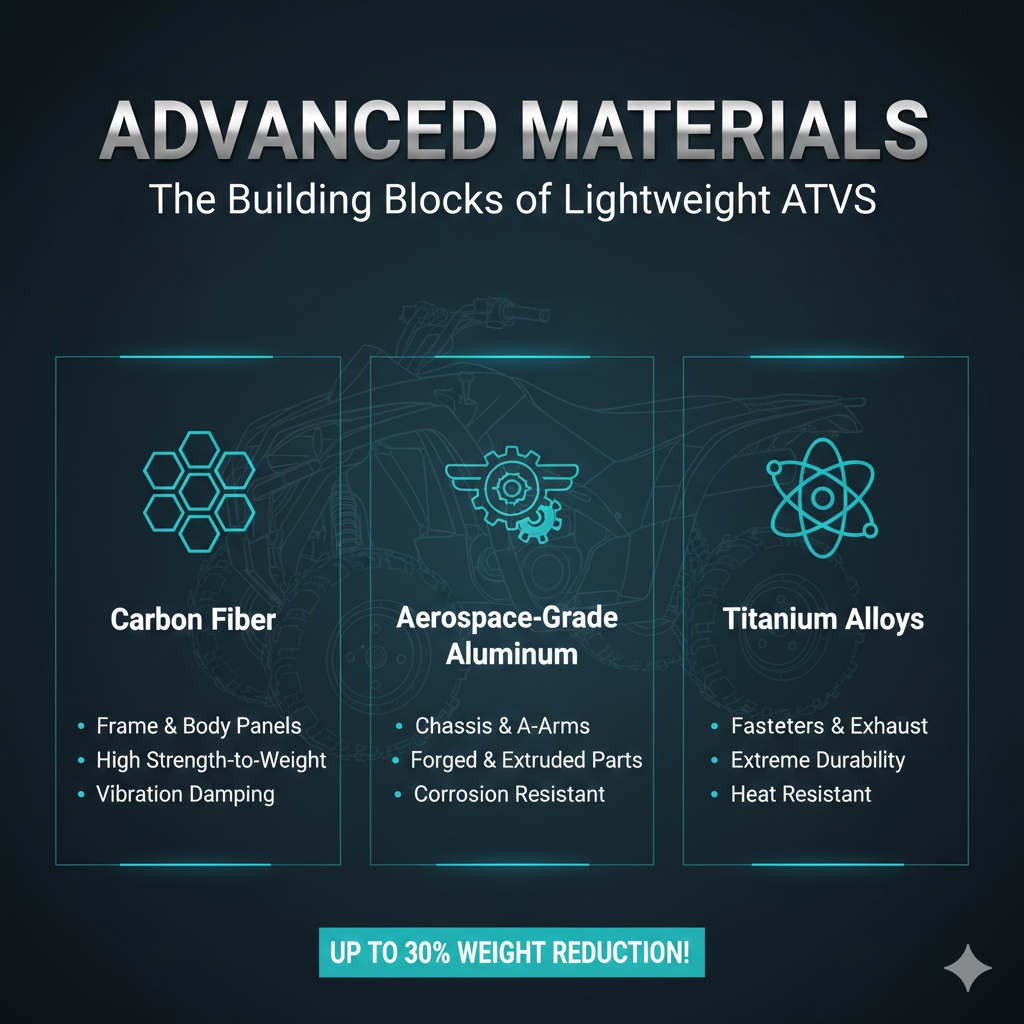
The single most important metric in sport ATV performance is the power-to-weight ratio. 📈
It is a simple calculation—engine horsepower divided by the vehicle’s total weight—but its impact is profound. ✨
A machine with a superior ratio is inherently more efficient, as the engine expends less energy moving its own mass. 🔋
This translates directly into quicker acceleration and reduced strain on all drivetrain components. 💪
Example –
“The fastest way to make a machine faster is to make it lighter.”
Reducing the weight by just 10 pounds can have the same effect on acceleration as adding 1 horsepower, making weight savings a highly effective performance upgrade. 🤯
This is why manufacturers and custom builders invest heavily in shedding every ounce possible. 🤏
The Impact on Handling and Braking
The benefits of a lightweight design extend far beyond straight-line speed. 💨
A lighter ATV is easier to control, especially when maneuvering through tight turns or correcting a slide. 🤸
The rider can more easily shift the vehicle’s mass, allowing for more aggressive and precise handling. 🎯
Furthermore, less mass means less kinetic energy to dissipate when slowing down. 🛑
This results in significantly improved braking performance and reduced brake fade on long, fast descents. ⬇️
Advanced Materials: The Foundation of Lightweight Design
The quest for lightness begins with the frame, the very skeleton of the ATV. 🦴
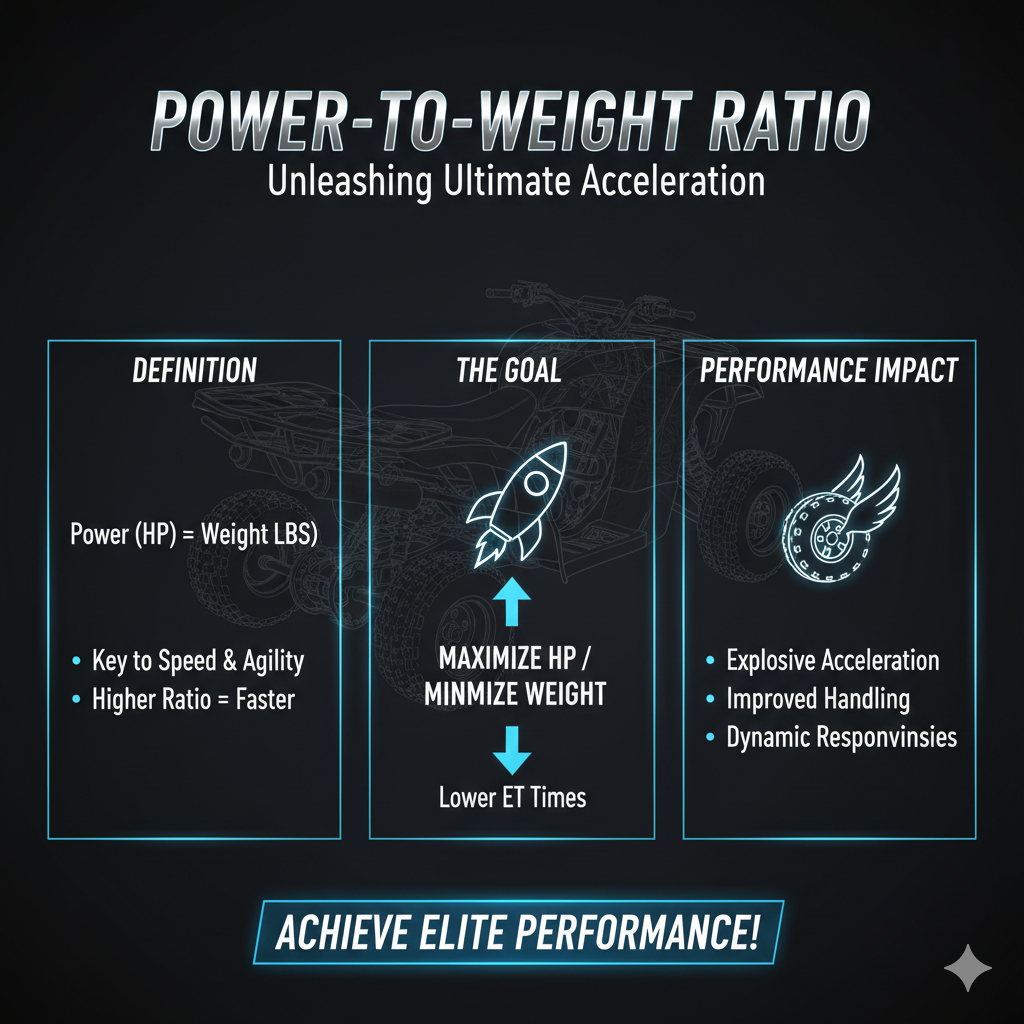
Modern sport ATV design relies on materials that offer an exceptional strength-to-weight ratio. 💎
| Material | Key Advantage | Application in ATV Design |
|---|---|---|
| Chromoly Steel (4130) | High tensile strength allows for thinner, lighter tubing. | Main chassis, subframes, and high-stress suspension components. |
| Aluminum Alloys | Excellent weight savings, especially in larger components. | Swingarms, wheel hubs, and engine cases. |
| Carbon Fiber | Ultimate strength-to-weight, though expensive. | Body plastics, skid plates, and some high-end racing components. |
Chromoly steel, in particular, is the material of choice for custom and racing frames. 🛠️
Its superior strength means builders can use smaller diameter or thinner-walled tubing compared to standard mild steel, resulting in a significantly lighter, yet incredibly strong, chassis. Advanced ATV Chassis Materials are constantly being explored to push these limits further. 🚀
The Unsprung Weight Advantage: A Game Changer
Weight reduction is not a one-size-fits-all concept. 🧐
Engineers make a crucial distinction between sprung weight and unsprung weight. 🧠
Sprung weight is the mass supported by the suspension (the frame, engine, rider). 🧍
Unsprung weight is the mass that moves with the wheels and is *not* supported by the suspension (wheels, tires, axles, A-arms). ⬇️
Reducing unsprung weight is arguably the most impactful performance modification you can make to a sport ATV. 🏆
A lower unsprung mass allows the suspension to react faster and more effectively to bumps and terrain changes. ⚡
The wheels are less prone to bouncing and stay in contact with the ground for longer, which improves traction and control. 🤝
Key Unsprung Components for Weight Reduction
The focus for unsprung weight reduction is on the components furthest from the chassis. 🎯
These are the areas where the smallest weight savings yield the largest performance gains. 🌟
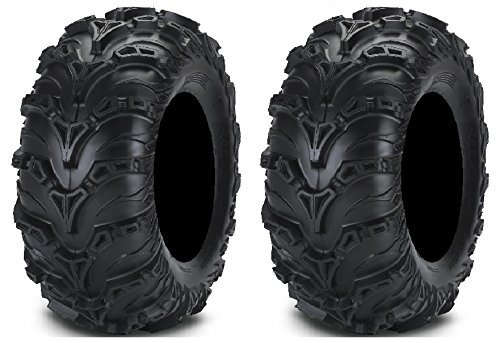
- Wheels and Tires: Switching from heavy steel wheels to lightweight aluminum or carbon fiber wheels is the most common and effective step. Aluminum ATV Wheels vs Steel Wheels is a critical choice for performance. ⚙️
- A-Arms and Swingarms: Using lightweight aluminum or chromoly in the construction of the A-arms significantly reduces unsprung mass, improving suspension responsiveness. 🔗
- Axles and Hubs: High-strength, lightweight alloys for axles and hubs are essential for minimizing rotational mass, which further boosts acceleration. 💨
Suspension Geometry: Where Lightness Meets Control
The design of the suspension geometry is intrinsically linked to the vehicle’s weight. 📐
A lighter ATV allows engineers to fine-tune the suspension for maximum travel and precision without sacrificing stability. 🧭
The Role of A-Arm Design
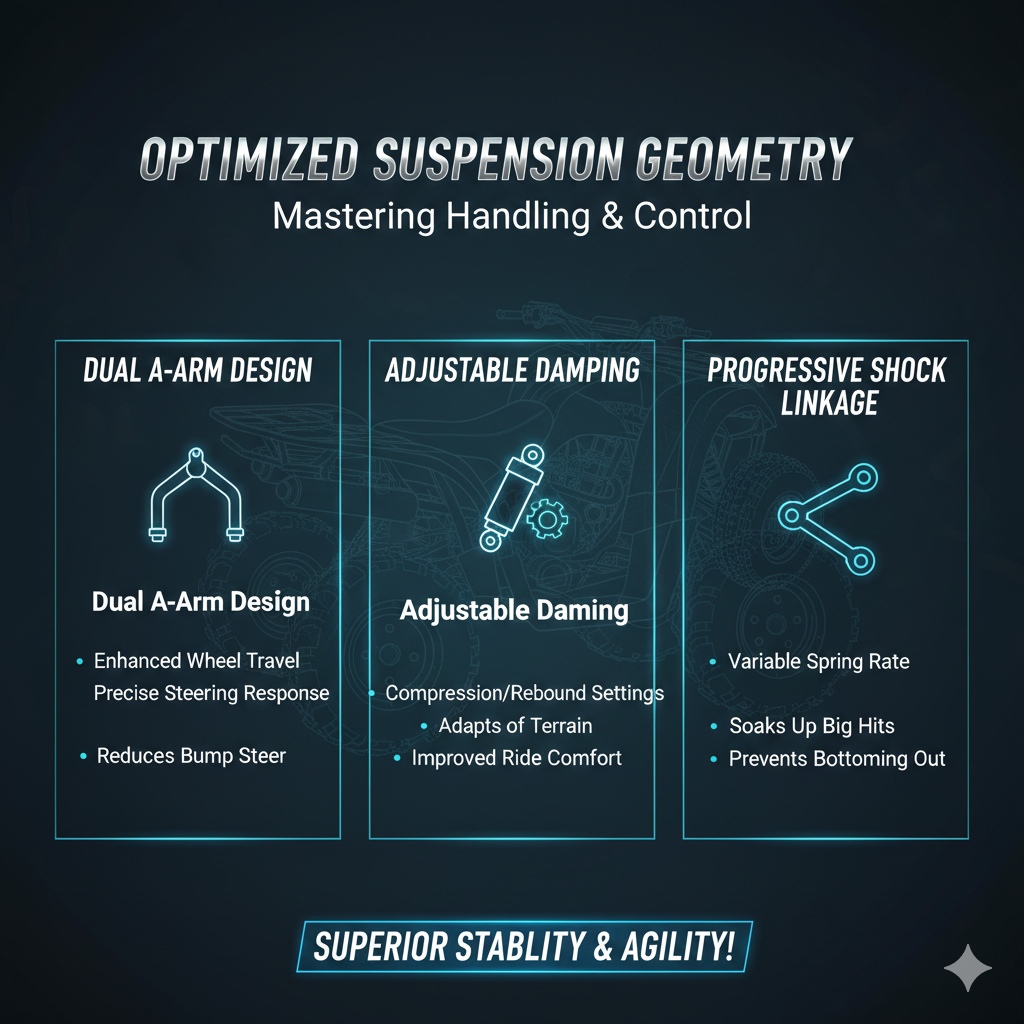
The A-arms, or control arms, dictate the movement of the wheels and are critical to handling. 🧭
In sport ATVs, the design focuses on achieving optimal camber and caster angles throughout the suspension travel. 📏
A lightweight A-arm design not only reduces unsprung weight but also allows for a more aggressive, performance-oriented geometry. 📈
This results in better cornering stability and reduced bump steer, which is the tendency of the steering to change when the suspension compresses. 🛣️
The goal is to maintain a consistent tire contact patch with the ground, regardless of the terrain. Understanding Suspension Geometry in ATVs is key to unlocking the full potential of a lightweight build. 🔑
Example –
“Weight is the enemy of performance, and unsprung weight is the enemy of handling.”
Component-Level Weight Reduction: The Details Matter
The final stage of lightweight design involves meticulous attention to every single component on the ATV. 🔬
These small savings add up to a significant overall reduction in mass. ➕
Lithium Batteries: The Modern Power Source
One of the most effective ways to shed pounds is by replacing the traditional lead-acid battery with a lithium-ion (LiFePO4) equivalent. 🔋
A lithium battery can weigh up to 70% less than a conventional battery while offering superior cranking power and a longer lifespan. ⏳
This is a simple, high-impact modification that reduces both overall and sprung weight. EarthX Lithium Batteries for ATVs / UTVs are a popular choice for this upgrade. 🔌
Exhaust and Fasteners
The exhaust system is another prime target for weight reduction. 💨
Switching from a heavy steel exhaust to a full titanium system can save several pounds. 🏷️
Titanium is incredibly light and durable, making it ideal for high-heat, high-stress applications. 🔥
Even the fasteners—the nuts and bolts holding the machine together—are scrutinized. 🔩
Replacing steel bolts with titanium or aluminum equivalents in non-critical areas is a common practice in high-end racing builds. 🏎️
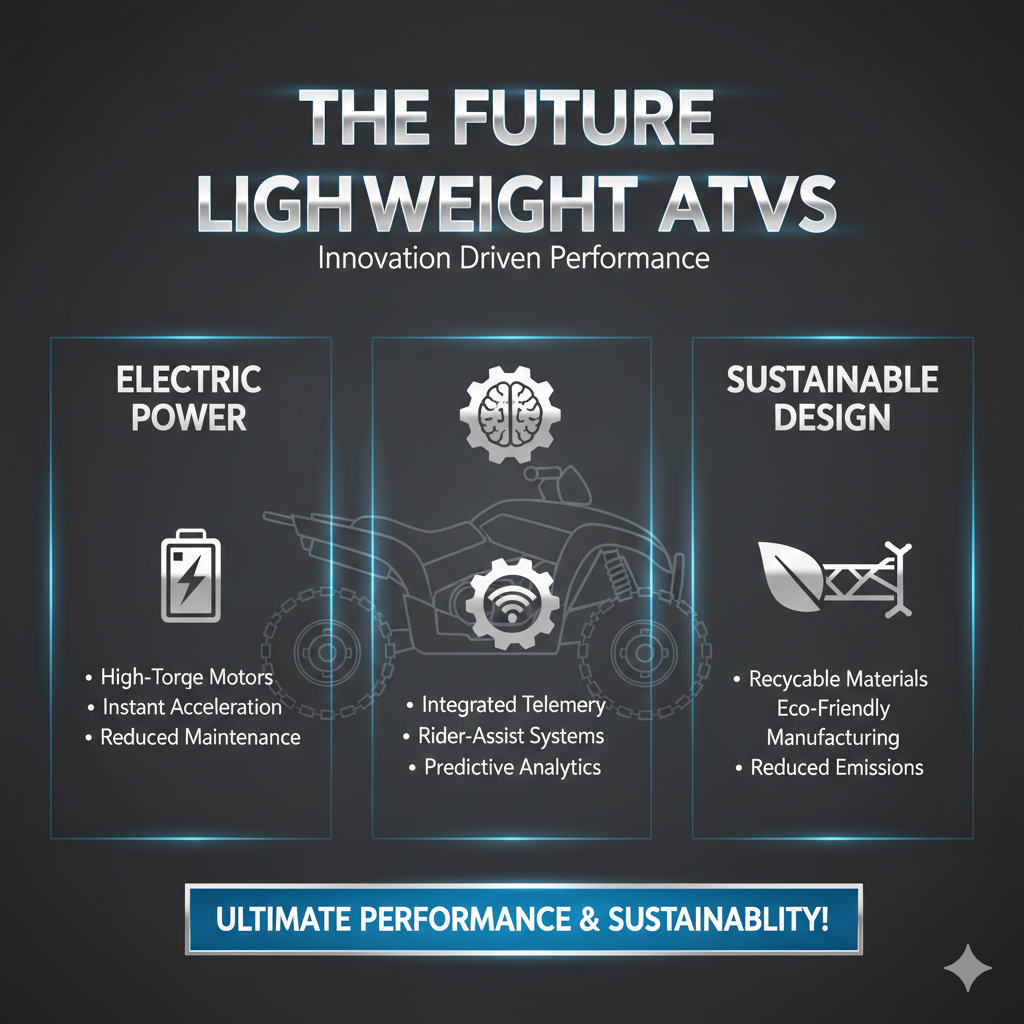
The Future of Lightweight Sport ATV Design
The trend toward lighter, more agile sport ATVs is accelerating. 🚀
The future will see an even greater reliance on composite materials, advanced manufacturing techniques like 3D printing, and integrated design. 💡
The goal is to create a machine where every component serves multiple purposes and contributes to the overall weight reduction strategy. 🎯
This relentless pursuit of lightness is what separates a good ATV from a truly great one. 🌟
It is the difference between simply riding the trail and truly mastering it. 👑
The next generation of sport quads will be defined by their ability to deliver massive power with minimal mass, ensuring an exhilarating and precise ride every time. Honda Sport ATVs and other manufacturers are leading this charge. 🏁
Embrace the featherweight fury, and experience the ultimate in off-road performance. The trail awaits your lighter, faster machine. 🏞️
Summary of Lightweight Benefits
The advantages of a lightweight sport ATV design are comprehensive and synergistic. 🤝
They combine to create a machine that is safer, faster, and more responsive. ✅
| Performance Metric | Impact of Weight Reduction | Key Technology |
|---|---|---|
| Acceleration | Directly improved via superior power-to-weight ratio. | Lithium Batteries, Titanium Exhaust. |
| Handling & Agility | Reduced inertia makes steering and direction changes easier. | Chromoly Chassis, Optimized A-Arm Geometry. |
| Suspension Response | Lower unsprung weight allows shocks to react faster to bumps. | Lightweight Aluminum Wheels, Carbon Fiber Components. |
| Braking Efficiency | Less mass requires less force to stop, reducing stopping distance. | Reduced Overall Vehicle Mass. |
The continuous innovation in lightweight sport ATV design is a testament to the engineering prowess dedicated to the off-road segment. 🛠️
It is a philosophy that prioritizes performance through efficiency, resulting in a superior machine for every rider. 💯
References and Further Reading
For those who wish to delve deeper into the technical aspects of ATV design, the following resources are highly recommended. 📚
- Our 6 Favorite Sport 4×4 ATVs – ATV Rider.
- ATV Power-To-Weight Ratio – Your Ultimate Guide To More … – Fat Boys Offroad.
- ATV Weight – How To Trim Some Pounds – MotoSport.
The journey to the perfect sport ATV is a journey of continuous weight reduction. 📉
Every gram counts. 🎯
Every component is a potential area for improvement. 🌟
Happy riding! 🥳