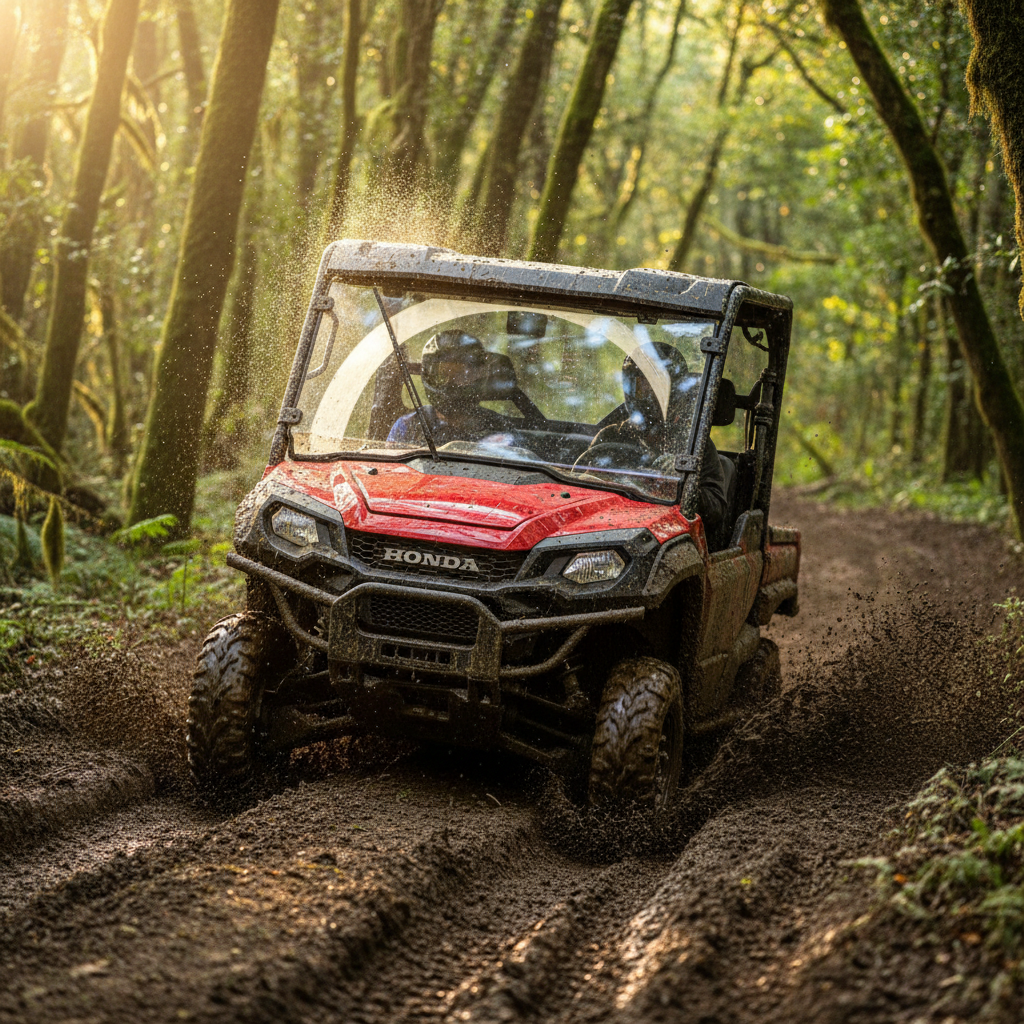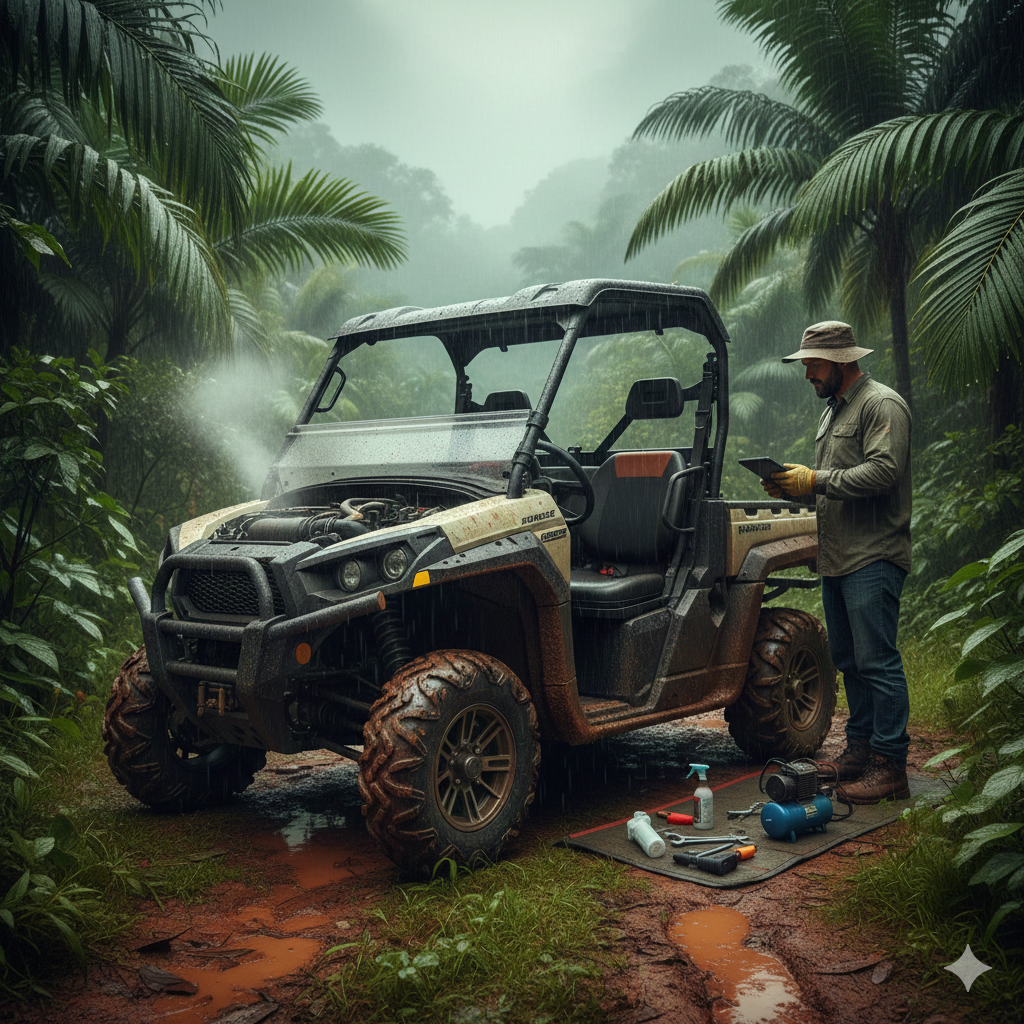
The tropical climate, with its intense heat, near-constant humidity, and frequent, torrential downpours, is arguably the most challenging environment for any off-road vehicle. Unlike the dry heat of the desert or the freezing cold of the Arctic, the tropics combine high temperatures with excessive moisture, creating a perfect storm for corrosion, overheating, and biological growth.
For UTV owners operating in these lush, yet brutal, conditions, standard maintenance simply won’t cut it. You need a specialized approach—a set of tropical climate UTV maintenance techniques designed to combat the unique threats posed by this environment.
I’ve seen firsthand how quickly a neglected UTV can succumb to the jungle. The key to longevity in the tropics is a proactive, multi-front defense against the three main enemies: rust, heat, and rot.
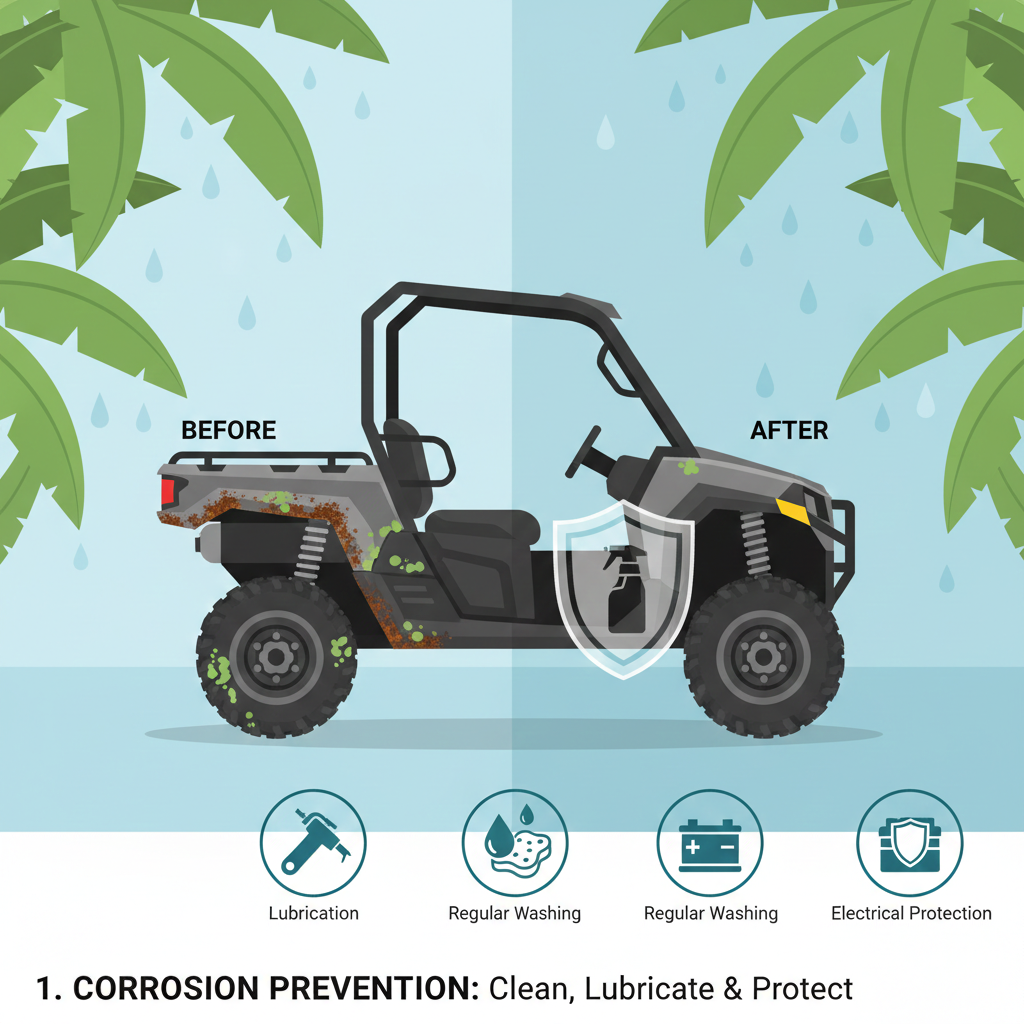
Phase 1: The Relentless Enemy—Corrosion Prevention
The combination of high humidity, salt air (near the coast), and constant moisture makes rust the number one threat to your UTV’s structural integrity and electrical system.
1. Immediate and Thorough Cleaning
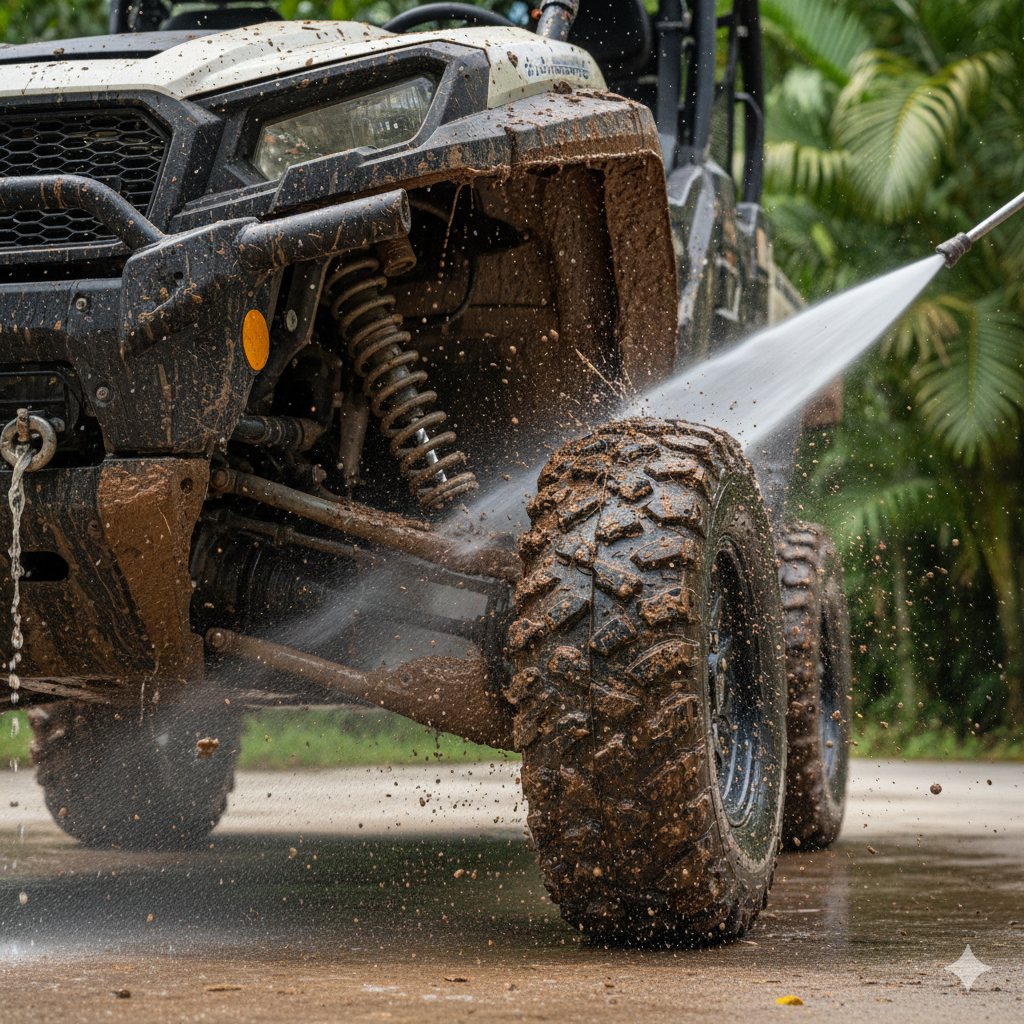
- Post-Ride Wash: The most crucial step is to wash your UTV immediately after every ride, especially if you’ve been through mud, salt water, or coastal areas [1]. Mud traps moisture and chemicals, accelerating corrosion.
- Undercarriage Focus: Pay special attention to the undercarriage, suspension components, and frame. Use a high-pressure washer to dislodge all trapped debris and mud.
- Drying: After washing, allow the UTV to dry completely. If possible, use a leaf blower or compressed air to force water out of crevices, electrical connectors, and hidden pockets.
2. Protective Coatings and Lubrication
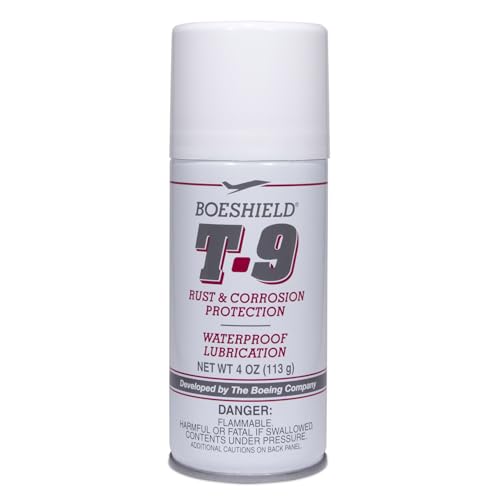
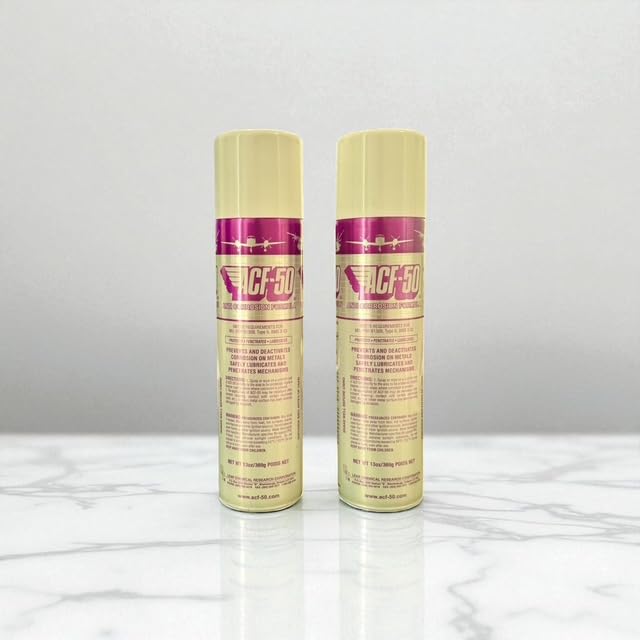
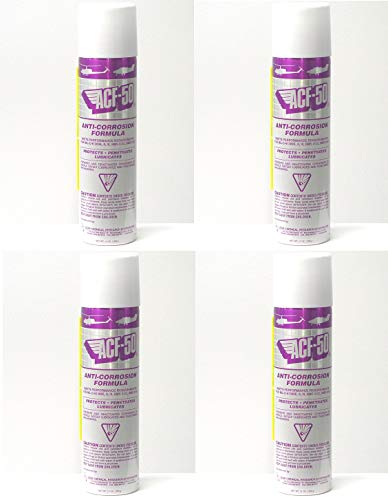
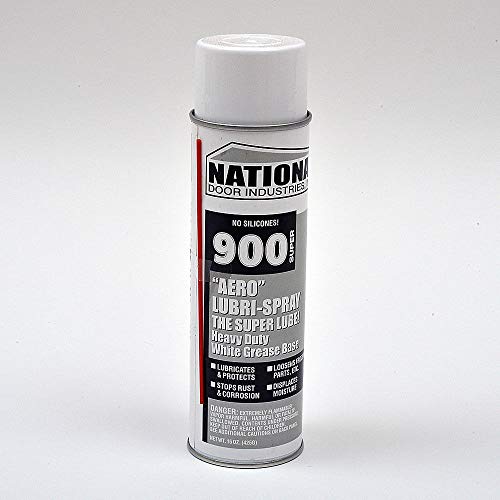
- Anti-Corrosion Sprays: Regularly apply a high-quality anti-corrosion spray or rust inhibitor to all exposed metal parts, including the frame, suspension arms, and electrical connections. Products like Boeshield T-9 or Fluid Film create a protective barrier against moisture.
- Dielectric Grease: Apply dielectric grease to all electrical connectors, plugs, and battery terminals. This prevents water intrusion and corrosion, which can lead to frustrating electrical gremlins.
- Lubrication: Keep all moving parts, such as universal joints, bushings, and pivot points, well-lubricated. The constant moisture will quickly wash away standard grease.
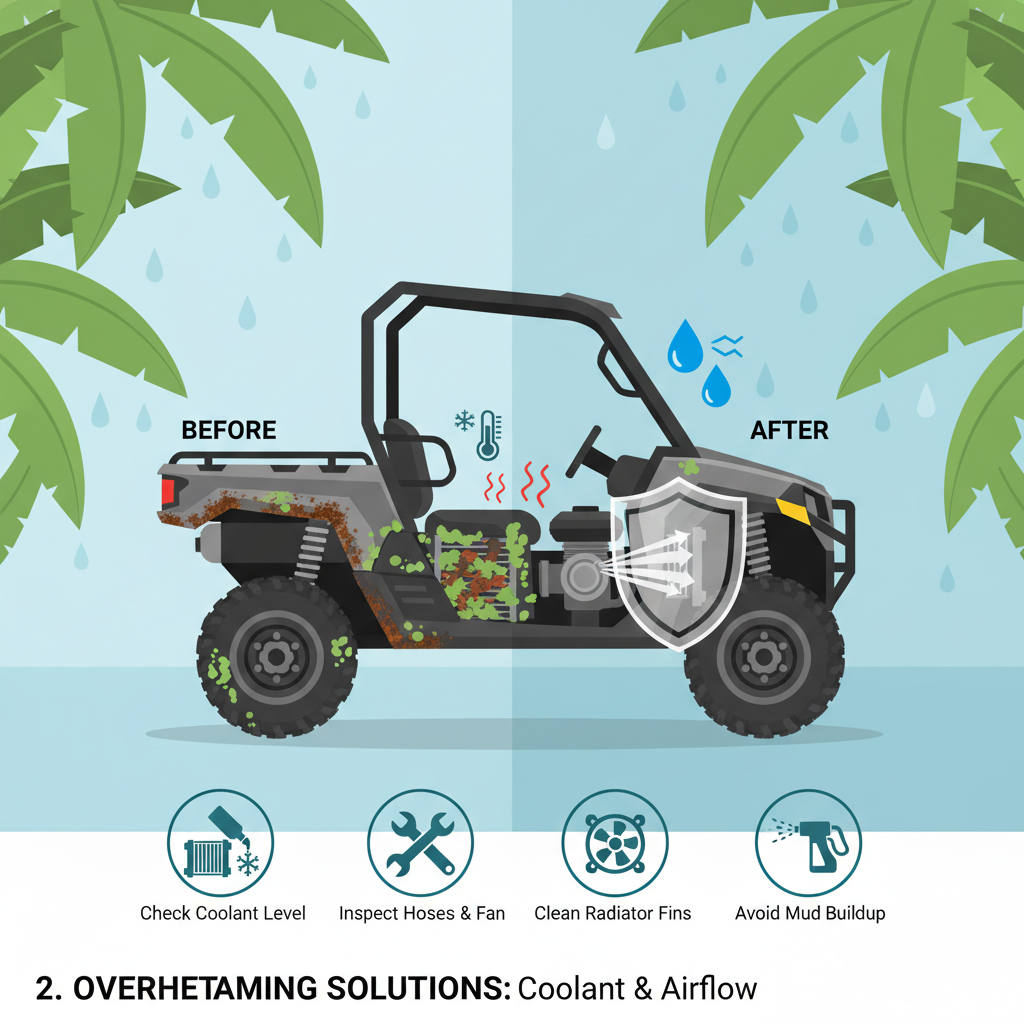
Phase 2: Beating the Heat—Cooling System Efficiency
High ambient temperatures combined with high humidity mean your engine’s cooling system is working overtime. Any drop in efficiency can lead to overheating and engine damage.
1. Radiator and Cooling Fins
- Keep it Clean: The radiator and oil cooler fins must be kept absolutely clean. Mud, dust, and vegetation can quickly clog the fins, drastically reducing heat transfer [2]. During your post-ride wash, gently spray the radiator from the back side to push debris out.
- Coolant Quality: Ensure your coolant is fresh and at the correct concentration. Old coolant loses its anti-corrosion and heat-transfer properties. Flush and replace the coolant according to the manufacturer’s schedule.
- Fan Check: Regularly inspect the cooling fan and its shroud for damage. Ensure the fan is activating at the correct temperature and that the fan blades are clean and free of debris.
2. Fluid Management
- High-Quality Oil: Use a high-quality synthetic oil that can withstand high operating temperatures without breaking down. Check the oil level frequently, as high heat can lead to increased oil consumption.
- Airflow: Ensure all air intakes and vents are clear. Consider installing a hood scoop or vents to promote better airflow through the engine bay.
Phase 3: The Damp Threat—Mold, Mildew, and Water Intrusion
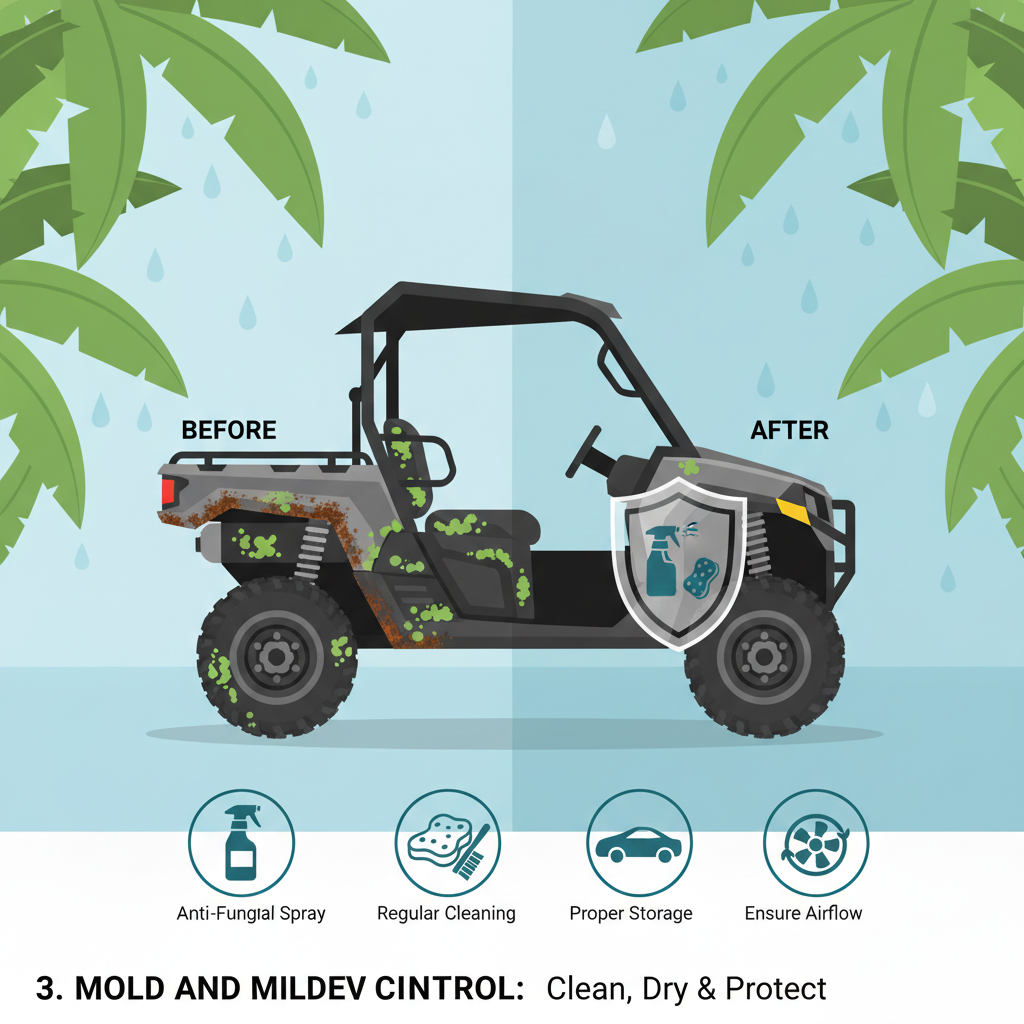
The high humidity and frequent rain create an ideal breeding ground for mold and mildew, which can damage seats, harnesses, and electronics.
1. Cabin and Storage
- Drying the Interior: Never store a UTV with a wet interior. After a ride, remove floor mats and drain plugs, and leave the cab open to air out completely. If possible, use a dehumidifier or fan to speed up the drying process.
- Mold Prevention: Treat fabric surfaces, like seats and harnesses, with a mold and mildew inhibitor. For storage, consider using moisture-absorbing packets (desiccants) inside the cab and storage boxes.
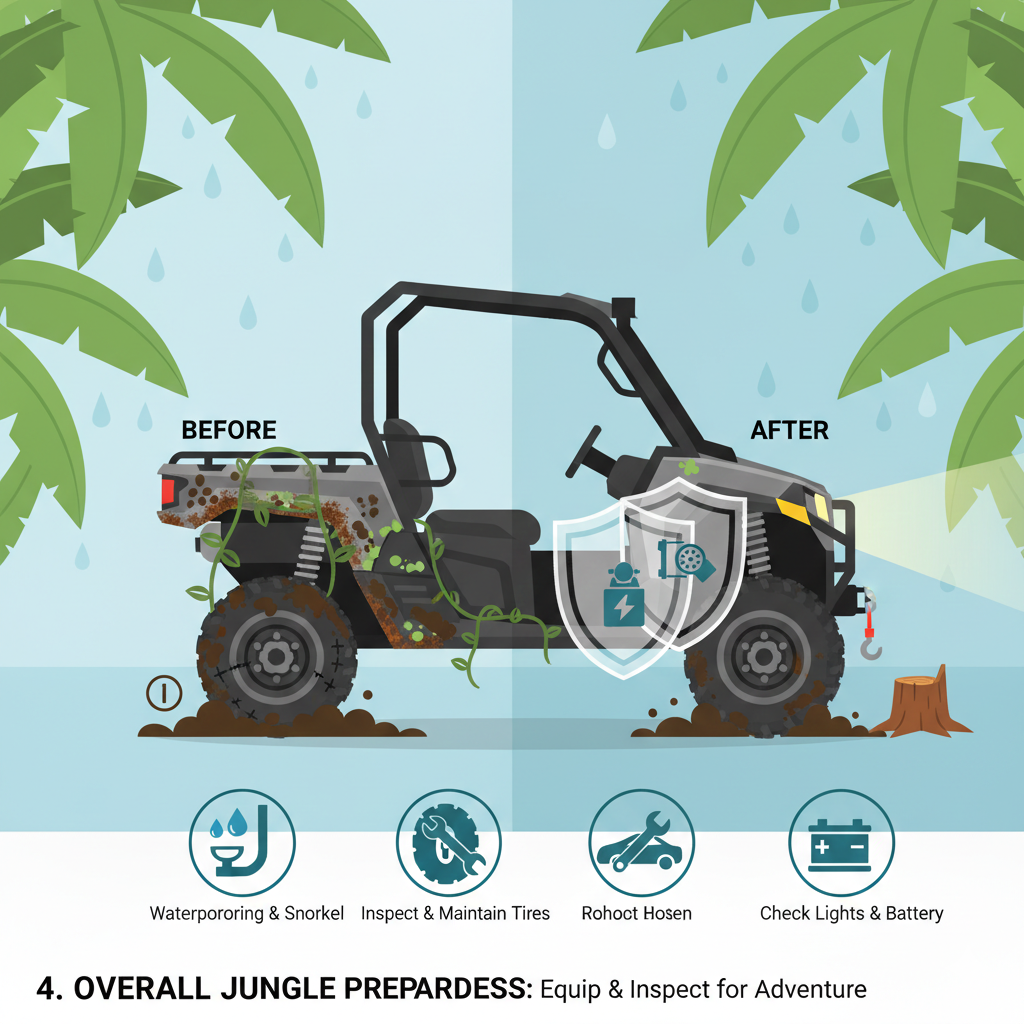
- Waterproofing Electronics: While UTV electronics are generally water-resistant, the high humidity can still cause issues. Ensure all aftermarket electronics (radios, GPS, switches) are marine-grade and sealed.
2. Air Intake and CVT
- Snorkel Systems: If you frequently cross deep water, a snorkel system for the engine air intake and the CVT inlet/outlet is highly recommended. This prevents catastrophic engine damage and belt slippage from water intrusion.
- CVT Drain: Regularly check and clear the CVT housing drain plug to ensure any water that enters can escape.
| Tropical Maintenance Area | Primary Threat | Key Maintenance Technique |
|---|---|---|
| Corrosion | High Humidity & Salt | Immediate, thorough cleaning and anti-corrosion sprays. |
| Overheating | High Ambient Heat | Keep radiator fins clean and use fresh, quality coolant. |
| Mold/Mildew | Constant Moisture | Thorough drying of the interior and use of desiccants. |
| Water Intrusion | Torrential Rain/Fording | Snorkel system for engine and CVT, and sealed electronics. |
Conclusion: A Well-Oiled, Rust-Free Machine
Tropical climate UTV maintenance is a commitment to diligence. It requires more frequent cleaning, a greater focus on rust prevention, and a constant vigilance over your cooling system. By adopting these specialized techniques—from immediately washing off the mud to applying protective coatings and ensuring your cab is dry—you can significantly extend the life and reliability of your UTV.
The jungle may be tough, but a well-maintained machine is tougher.
Keep it clean, keep it cool, and keep exploring the wild.
References
[1] Team ECC – UTV Maintenance Tips to Maximize Machine Life
[2] Hobby Farms – ATV And UTV Maintenance
[3] Tracy Motorsports – Hot Weather UTV Maintenance Tips
[4] Interstate Cycles – 14 Ways to Prevent Rust From Developing on Your ATV
[5] Cardo Systems – Essential UTV Maintenance Tips