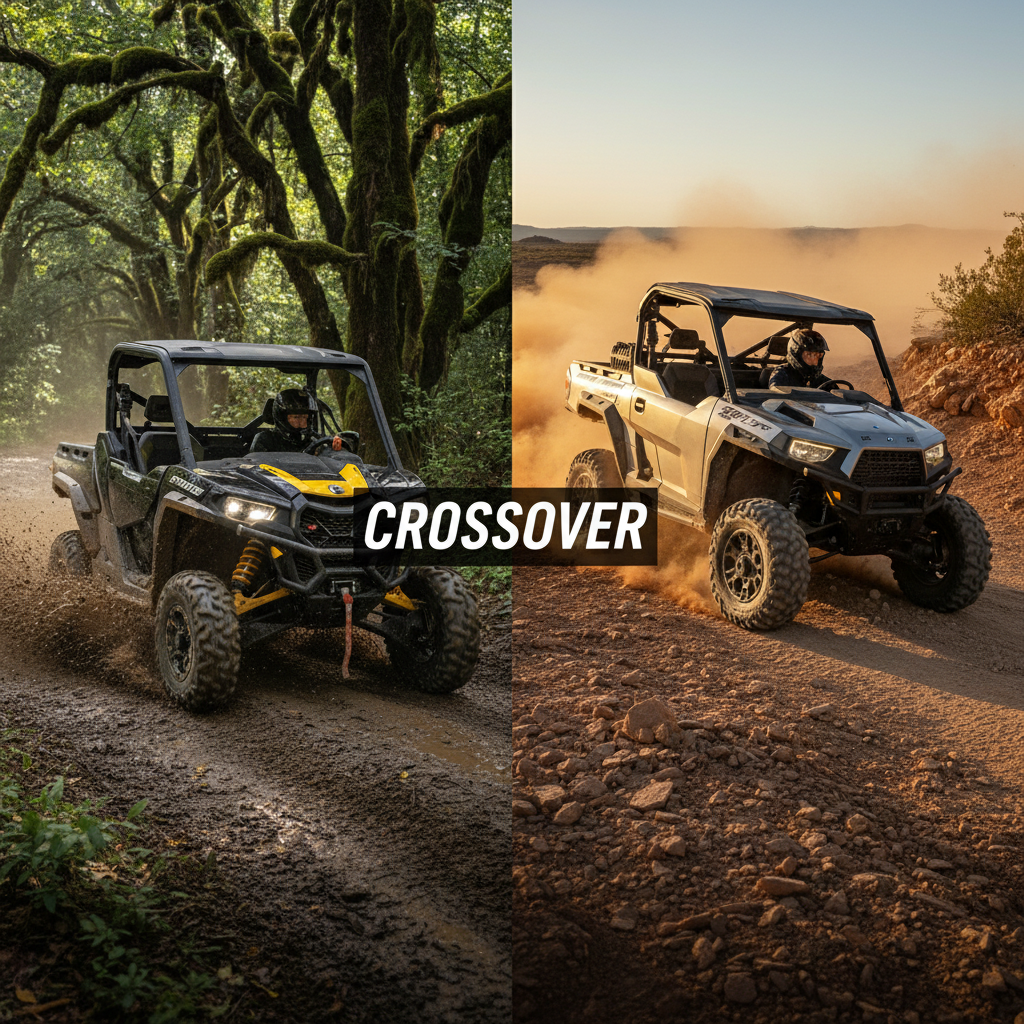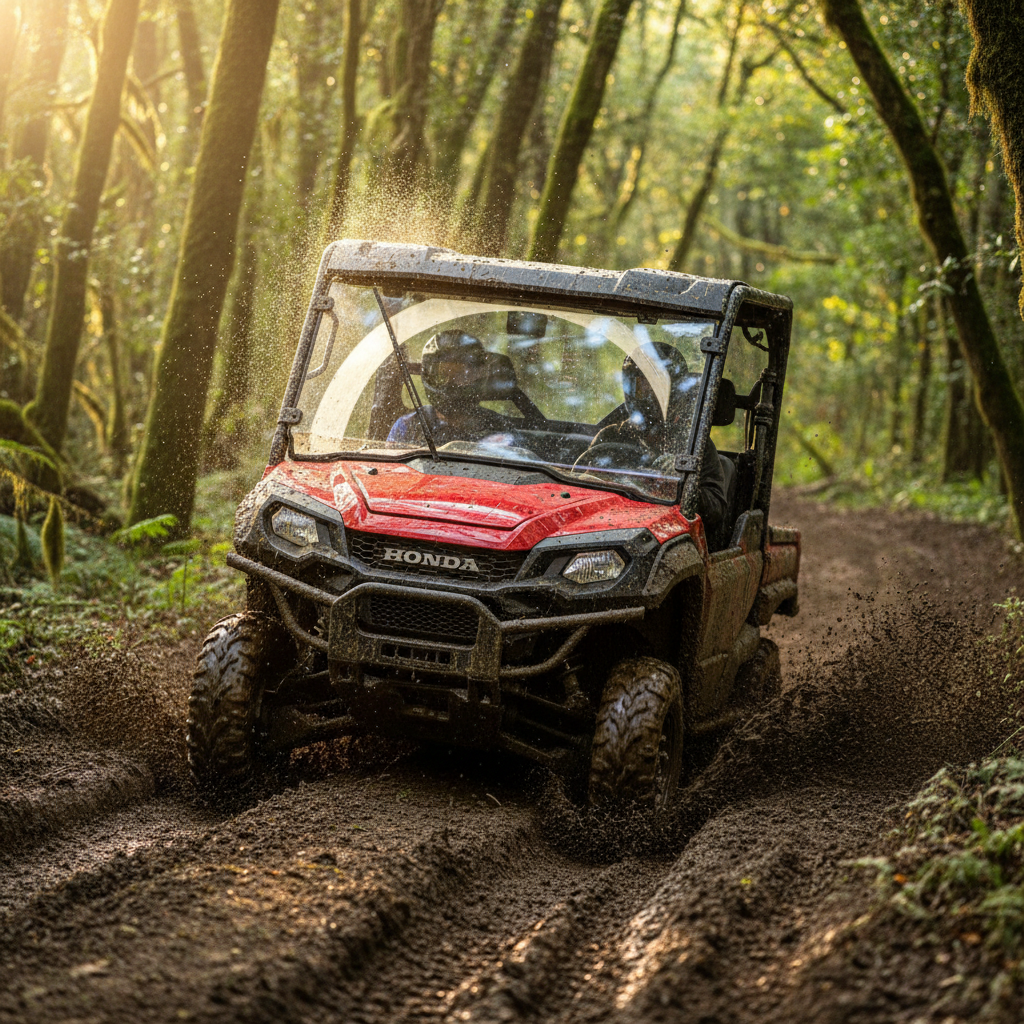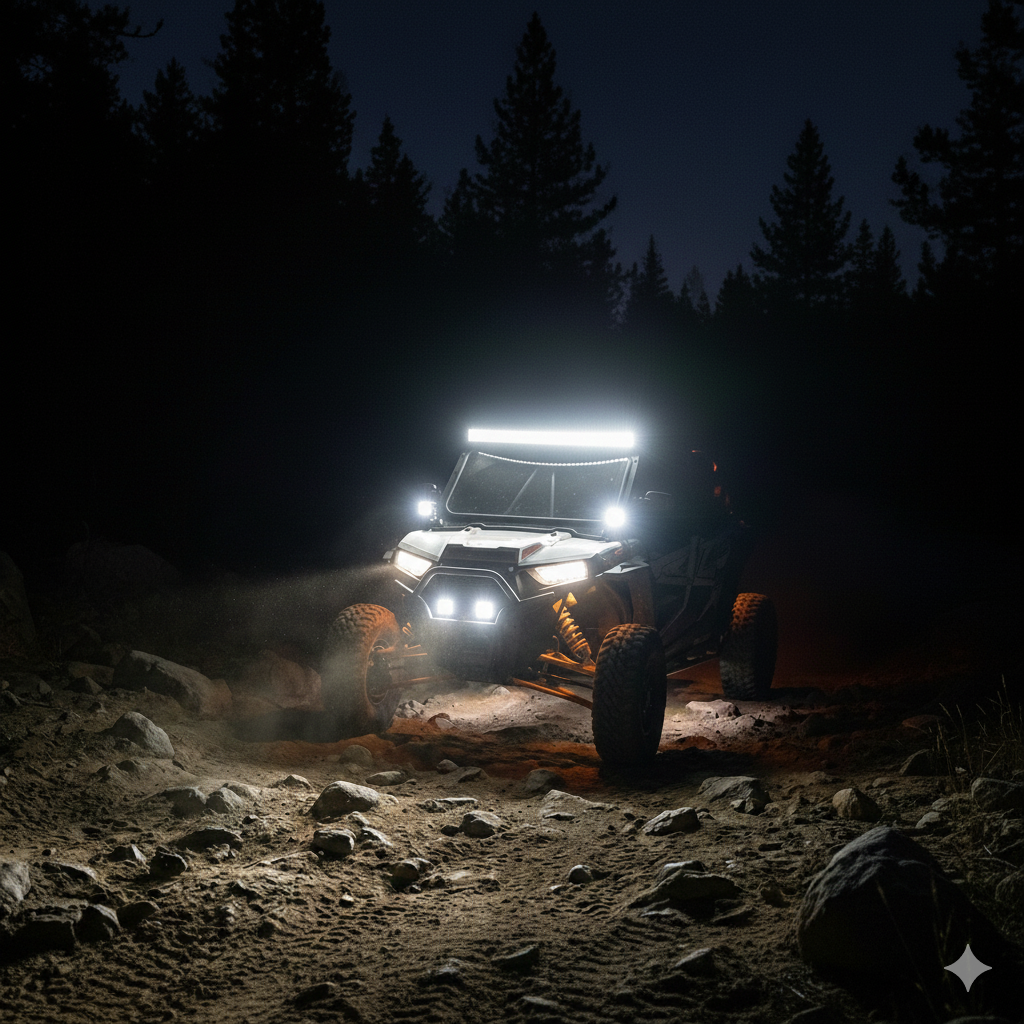
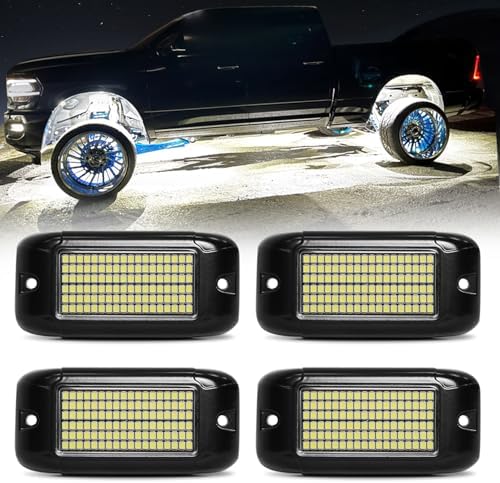
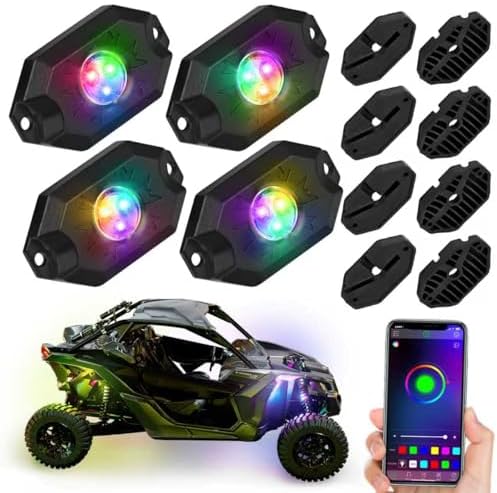

When the sun dips below the horizon, the off-road world transforms. The trails you know by heart become a maze of shadows, hidden obstacles, and deceptive terrain. The stock headlights on your ATV or UTV are simply not engineered for the demands of high-speed night riding or technical rock crawling. This is where advanced lighting for safety steps in, turning night into day and making the difference between a thrilling adventure and a costly accident.
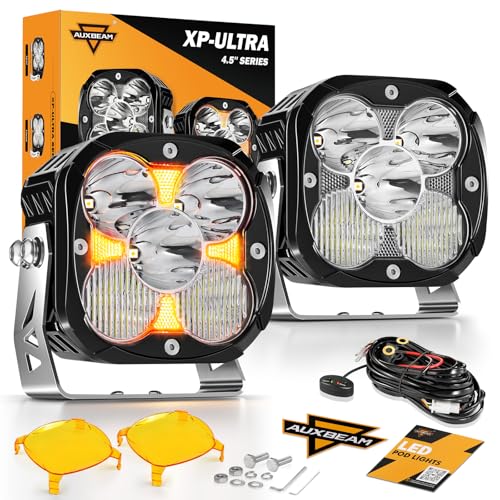
Modern off-road lighting is a marvel of engineering, moving far beyond simple halogen bulbs. LED technology has revolutionized the industry, offering incredible brightness, energy efficiency, and durability that can withstand the harshest environments. But it’s not just about raw lumens; it’s about putting the right light in the right place at the right time.
I’ve spent countless hours on the trail after dark, and I can tell you that the single greatest upgrade for night safety is a well-designed lighting system. This guide will illuminate the different types of advanced lighting, explain the crucial beam patterns, and provide best practices for integrating a system that maximizes your visibility and minimizes your risk.
Phase 1: The Core Technologies—LEDs and Beam Patterns
The foundation of advanced lighting for safety is the light source itself and how that light is projected onto the trail.
1. LED Technology (The Modern Standard)
Light Emitting Diodes (LEDs) have become the undisputed champion of off-road lighting.
- Efficiency: LEDs draw significantly less power than traditional halogen or HID lights, reducing the strain on your UTV’s electrical system.
- Durability: They have no fragile filaments, making them highly resistant to vibration and shock—essential for the rough-and-tumble world of off-roading.
- Instant On: LEDs provide instant, full brightness, which is a safety advantage when quickly switching between low and high beams.
2. Understanding Beam Patterns
The pattern of the light is more important than its raw brightness. The best lighting systems utilize a combination of patterns to create a seamless field of vision.
- Spot Beam: A narrow, focused beam designed for maximum distance. Ideal for high-speed desert running where you need to see far ahead.
- Flood Beam: A wide, diffused beam designed to illuminate the immediate area around the vehicle. Excellent for slow-speed rock crawling and trail navigation.
- Combo Beam: The most common and versatile, combining the distance of a spot beam with the width of a flood beam.
- Driving/Wide Cornering: A pattern designed to fill the space between the flood and spot beams, specifically illuminating the sides of the trail to spot hazards like washouts or wildlife.
| Beam Pattern | Primary Use | Key Advantage |
|---|---|---|
| Spot | High-speed distance viewing | Maximum throw and penetration |
| Flood | Slow-speed technical terrain | Wide peripheral illumination |
| Combo | General trail riding | Versatility and balanced coverage |
| Driving | Cornering and side visibility | Fills in the mid-range gaps |
![Diagram showing the coverage area of different off-road light beam patterns.]](https://pioneerhonda.blog/wp-content/uploads/2025/11/1764166965219.png)
Phase 2: Strategic Lighting Placement for Safety
The placement of your lights is crucial for maximizing their safety benefits. A single light bar is a good start, but a layered approach provides the best visibility.
1. Forward-Facing Lights (Seeing Ahead)
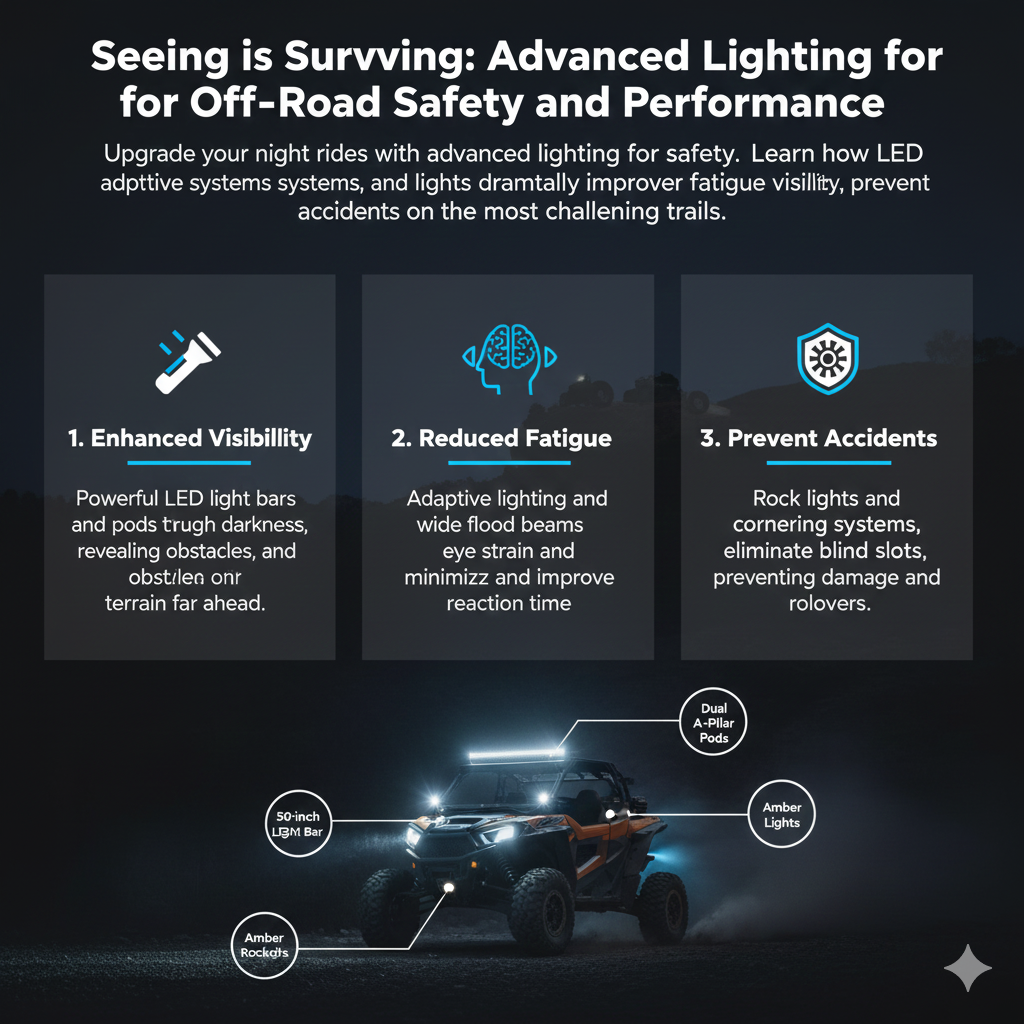
- Light Bars: Typically mounted on the roof, bumper, or grille, light bars provide the bulk of your forward illumination. A roof-mounted bar offers the best distance but can cause glare on the hood in dusty conditions.
- A-Pillar/Ditch Lights: Mounted on the A-pillars, these lights are angled outward to illuminate the sides of the trail. They are invaluable for seeing around corners before you turn, preventing you from driving into a ditch or hitting a hidden obstacle.
2. Rock Lights (Seeing Below)
Rock lights are small, powerful LED pods mounted underneath the UTV, typically in the wheel wells or near the frame rails.
- Function: They illuminate the ground directly beneath the vehicle, allowing the driver to see the precise placement of tires on rocks, ledges, and technical obstacles.
- Safety Benefit: They prevent costly damage to the drivetrain and suspension and significantly reduce the risk of rollovers during slow-speed crawling by ensuring accurate tire placement.
3. Rear-Facing Lights (Being Seen)
Visibility is a two-way street. Advanced lighting for safety also means ensuring other riders can see you.
- Brake/Tail Lights: Ensure these are bright and functional.
- Dust Lights/Chase Lights: Mounted high on the roll cage, these lights are typically amber or red and are designed to cut through heavy dust or fog, making your UTV visible to riders approaching from the rear. This is a critical safety feature in group rides.
Phase 3: The Future of Off-Road Lighting—Adaptive Systems
The next frontier in advanced lighting for safety is adaptive technology, which dynamically adjusts the light output based on the UTV’s movement.
1. Adaptive Cornering Lights
- How it Works: These systems use sensors to track the steering wheel angle and the UTV’s yaw rate. As you turn the wheel, the light beam automatically pivots into the turn, illuminating the path ahead before the UTV’s main beam can catch up.
- Safety Benefit: This eliminates the “black hole” effect in corners, giving the driver crucial seconds to react to obstacles that would otherwise be hidden.
2. Speed-Sensitive Output
- How it Works: The light system is programmed to adjust its beam pattern and intensity based on the UTV’s speed. At low speeds (e.g., rock crawling), the system emphasizes a wide flood pattern. At high speeds (e.g., desert running), it shifts to a tight spot pattern for maximum distance.
- Safety Benefit: This ensures the driver always has the optimal light pattern for the current driving condition, reducing the need to manually adjust multiple switches and minimizing driver fatigue.
Conclusion: Light Up Your Adventure
Advanced lighting for safety is a game-changer for any off-road enthusiast. It’s an investment that pays dividends in performance, confidence, and, most importantly, accident prevention. By understanding the different types of lights, their beam patterns, and the best mounting locations, you can create a customized system that perfectly suits your riding style.
Don’t settle for dim, factory lighting. Upgrade your visibility, reduce your risk, and unlock the full potential of your UTV after dark.
See the trail, own the night, and ride safe.
References
[1] Baja Designs – LED Lights for Side by Sides – Best UTV Lights
[2] Sylvania Automotive – View All Off Road Lights
[3] Gobi Racks – What to Look For in LED Light Bars for Off-Road Vehicles
[4] DENALI Electronics – Side by Side UTV LED Light Outfitting Guide
[5] American Bright LED – Off-Road LED Lighting in Extreme Powersports Applications