


The UTV accessory market is a multi-billion dollar industry, constantly churning out new products to enhance performance, utility, and aesthetics.
However, the sheer volume of new material consumption raises significant environmental questions, challenging the industry’s commitment to sustainability.
A new trend is emerging, driven by innovation and ecological awareness: the rise of recycled material UTV accessories.
This movement is proving that accessories can be both rugged and responsible, utilizing waste streams to create products that are often lighter, stronger, and more durable than their virgin-material counterparts.
Choosing these accessories is a powerful way for UTV owners to actively participate in the circular economy and reduce their vehicle’s overall environmental impact, turning their machine into a statement of stewardship.
The Plastic Revolution: From Waste to Wearable Gear
Plastics are essential for many UTV accessories due to their low weight, impact resistance, and weatherproofing qualities, but their environmental cost is high.
The shift to using post-consumer recycled (PCR) plastics is a game-changer for the industry, transforming waste into high-performance components.
High-Density Polyethylene (HDPE) for Body Armor
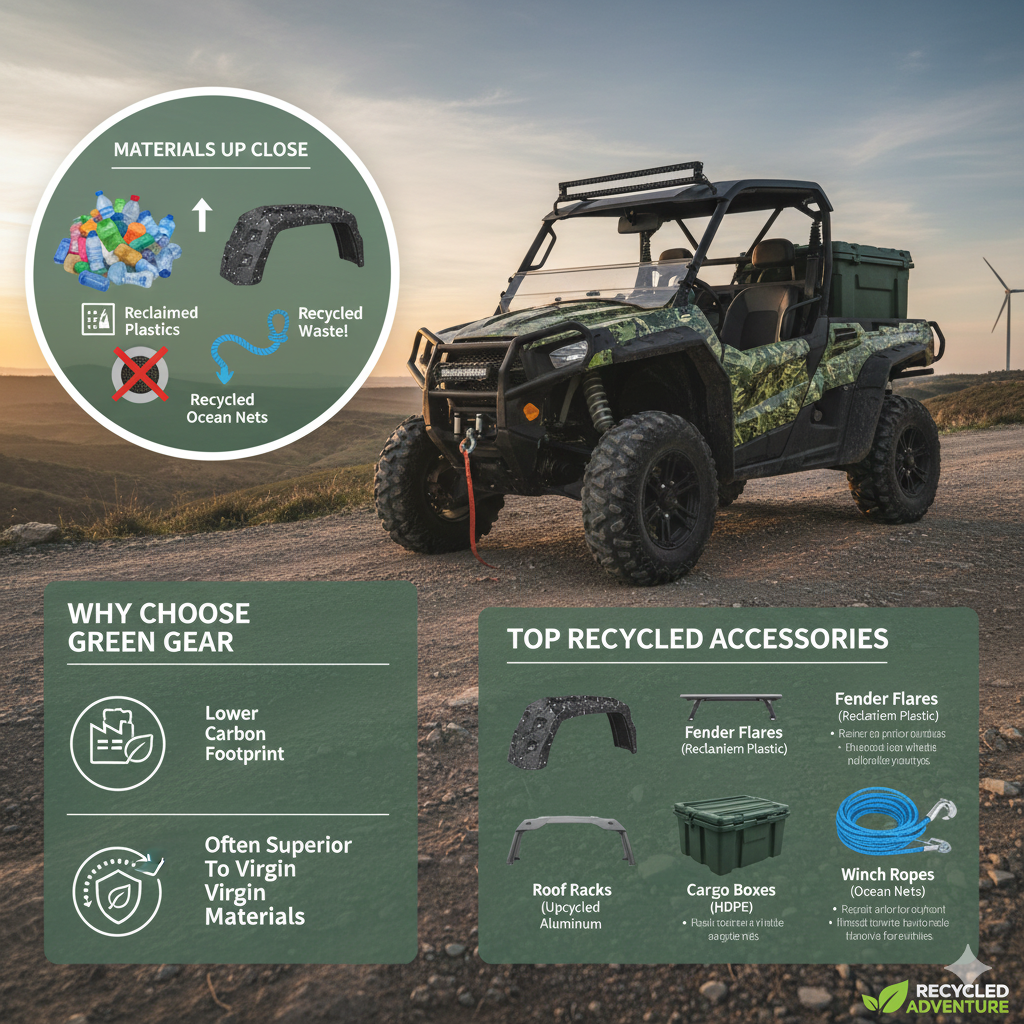
High-Density Polyethylene (HDPE), commonly sourced from recycled milk jugs and detergent bottles, is an ideal material for UTV body armor, including skid plates, A-arm guards, and fender flares.
Recycled HDPE offers exceptional impact strength, low friction, and resistance to chemicals and moisture, making it perfectly suited for the harsh off-road environment [1].
The process of recycling HDPE requires significantly less energy—up to 88% less—than producing virgin plastic, translating directly into a lower carbon footprint for the final accessory [2].
Furthermore, its natural slickness allows the UTV to slide over obstacles more easily than metal, reducing the chance of getting hung up on rocks or logs and minimizing trail damage.
The engineering challenge of using recycled HDPE has been overcome by advanced compounding techniques that ensure consistent material properties, even with varied feedstock sources.
Recycled PET for Soft Goods and Upholstery
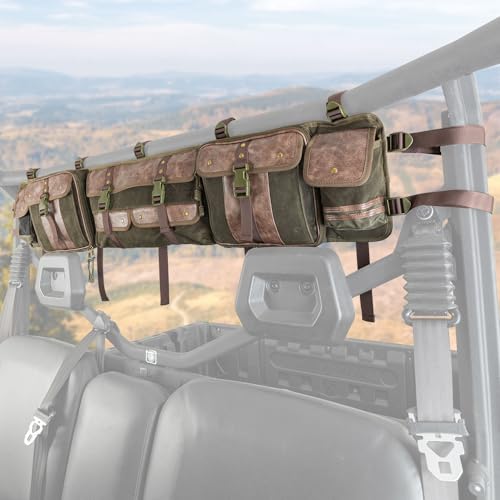
Accessories like storage bags, seat covers, and cab enclosures are increasingly being made from fabrics derived from recycled polyethylene terephthalate (rPET), which comes from plastic water and soda bottles.
This material is durable, UV-resistant, and water-repellent, meeting the demanding requirements of the UTV environment while diverting millions of plastic bottles from landfills and the ocean [3].
The manufacturing process for rPET fabric also uses less water and energy compared to producing virgin polyester, offering a clear environmental advantage without compromising on the necessary ruggedness.
The development of solution-dyed rPET further enhances sustainability by incorporating the color pigment into the polymer before spinning, which drastically reduces water and energy use compared to traditional fabric dyeing processes.
Metals and Composites: Upcycling for Structural Integrity
For accessories requiring high structural integrity, manufacturers are turning to upcycled and recycled metals and composites, proving that recycled content does not mean compromised strength or durability.
Recycled Aluminum for Racks and Bumpers
Aluminum is a favorite material for UTV racks, bumpers, and cages due to its excellent strength-to-weight ratio.
The use of recycled aluminum is a massive environmental win, as it requires only about 5% of the energy needed to produce primary aluminum [4].
Accessory manufacturers are sourcing high-grade, post-industrial recycled aluminum alloys to create lightweight, corrosion-resistant accessories that reduce the UTV’s overall weight, contributing to better fuel efficiency and reduced wear on suspension components.
This commitment to recycled content is a direct response to the high embodied energy of primary metal production, making the accessory market a key player in carbon footprint reduction.
The purity and alloy composition of recycled aluminum are now so well-controlled that they meet the stringent structural requirements for safety-critical components like roll cages and heavy-duty bumpers.
Sustainable Wood and Bamboo for Cargo Solutions
In certain applications, such as cargo bed dividers, tool organizers, or custom storage solutions, manufacturers are exploring the use of sustainably harvested or reclaimed wood and bamboo composites.
Bamboo, a rapidly renewable resource, offers exceptional strength and flexibility, making it an ideal, lightweight alternative to traditional plastics or metals for certain interior and cargo accessories [5].
When treated properly, these materials can withstand the elements while offering a unique,
natural aesthetic that complements the outdoor environment, moving away from the purely industrial look.
The use of wood-plastic composites (WPCs), which blend recycled plastic with wood fibers, offers a durable,
weather-resistant material that utilizes two waste streams simultaneously, creating a highly sustainable and functional accessory.
Innovative Upcycling: From Ocean Waste to Essential Gear
Some of the most compelling recycled material accessories come from innovative upcycling projects that target specific,
problematic waste streams, turning environmental hazards into essential off-road equipment.
Ocean Plastic Recovery Gear
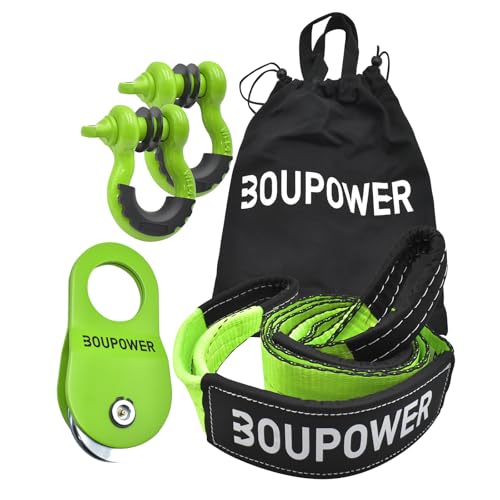
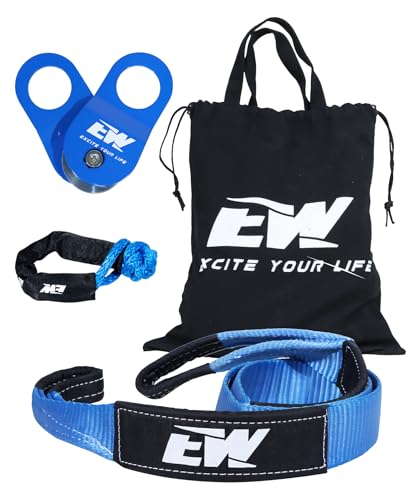
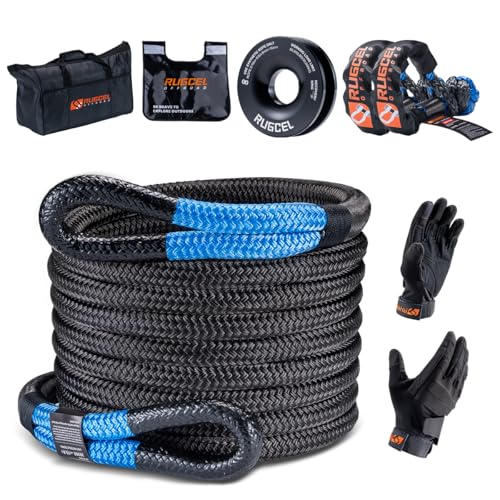
A growing number of companies are creating recovery gear—such as winch ropes, soft shackles,
and tow straps—from nylon and polyester recovered from discarded ocean fishing nets and other marine plastic waste.
These materials, known as “ghost nets,” are a major threat to marine life,
and their recovery is a significant environmental act [6].
By transforming them into high-strength, load-bearing recovery gear,
manufacturers are not only cleaning the oceans but also providing UTV owners with incredibly durable and reliable accessories.
The resulting products often meet or exceed the strength specifications of their virgin-material counterparts,
proving that recycled content can be synonymous with high performance.
The high tensile strength of the recovered nylon makes it particularly suitable for the extreme forces encountered during vehicle recovery operations, offering a clear performance advantage.
Tire Rubber for Floor Mats and Liners
The rubber from end-of-life tires is a massive waste challenge, with billions of tires discarded globally each year.
Accessory manufacturers are successfully utilizing this reclaimed rubber to create heavy-duty,
all-weather floor mats, cargo liners, and bed extenders for UTVs.
This application is a perfect fit, as the material is already designed for extreme durability, weather resistance, and grip [7].
This closed-loop solution turns a difficult waste product into a highly functional and necessary UTV accessory,
preventing it from ending up in landfills or being incinerated.
The process of devulcanization allows the rubber to be re-molded and reused without significant loss of its elastic properties,
making it an ideal material for accessories that require flexibility and impact absorption.
The Consumer’s Role: Making the Sustainable Choice
The success of the recycled material accessory market depends on the conscious purchasing decisions of the UTV community,
making the consumer the final and most critical link in the circular economy.
Choosing a recycled accessory is a powerful vote for a more sustainable industry and a cleaner planet.
Verifying Recycled Content and Sourcing
As the market grows, consumers must be diligent in verifying the claims of recycled content to avoid “greenwashing.”
Reputable manufacturers provide clear documentation on the percentage of recycled material used and the source of that material (e.g., post-consumer,
post-industrial, or ocean-bound plastic) [8].
Supporting companies with transparent supply chains encourages the entire industry to adopt higher standards of sustainability and accountability.
Look for certifications from third-party organizations that validate the recycled content and the ethical sourcing of the materials,
providing an extra layer of assurance for the eco-conscious buyer.
Durability as Sustainability and the Circular Design
The most sustainable accessory is the one that lasts the longest,
regardless of its initial material source.
Recycled materials, when properly engineered, can offer superior longevity,
reducing the need for frequent replacements and the associated manufacturing footprint.
This concept of “durability as sustainability” is a key selling point for these eco-conscious products,
proving that the green choice is also the smart,
long-term investment for the serious off-roader [9].
Furthermore, the best accessories are designed with the circular economy in mind,
meaning they are easily disassembled and the materials can be recycled again at the end of the product’s life,
closing the loop entirely.
The Future of Sustainable UTV Accessories
The trend toward recycled materials is just the beginning; the future of UTV accessories will be defined by continuous innovation in material science and a deeper commitment to the principles of the circular economy.
Bio-Based and Hybrid Materials
The next frontier involves the integration of bio-based materials,
such as polymers derived from plant starches or cellulose, with recycled content.
These hybrid materials offer the best of both worlds:
the renewable nature of the bio-based component and the durability and cost-effectiveness of the recycled content.
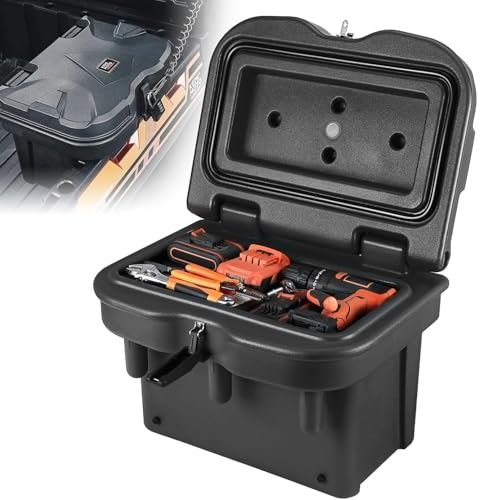
For instance, a cargo box could be molded from a blend of recycled HDPE and a bio-plastic,
reducing the overall reliance on fossil fuels while maintaining the necessary strength and weather resistance [10].
Additive Manufacturing with Recycled Feedstock
The rise of additive manufacturing (3D printing) offers a unique opportunity to utilize recycled plastic and metal powders as feedstock for custom UTV accessories.
This on-demand manufacturing process reduces material waste,
allows for rapid prototyping, and enables the creation of highly customized,
complex parts that are perfectly tailored to the UTV and the rider’s needs [11].
The ability to use recycled materials in this process further solidifies the sustainable credentials of the accessory market.
The End-of-Life Responsibility and Take-Back Programs
A truly sustainable accessory is one that is designed for its own end-of-life,
ensuring that it can be easily recycled or repurposed.
This involves using single-material construction where possible and clearly marking components with their material type for easy sorting.
The most forward-thinking manufacturers are implementing take-back programs,
where customers can return their old,
worn-out accessories to the company,
which then ensures the material is properly recycled and fed back into the production loop [12].
This closes the loop entirely, transforming the linear “take-make-dispose” model into a truly circular one,
a model that the UTV community is uniquely positioned to embrace.
The future of UTV accessories is green, driven by a commitment to innovation and a profound respect for the environment.
By choosing accessories made from recycled materials,
UTV enthusiasts can outfit their machines for the toughest adventures while ensuring they leave a lighter footprint on the planet they love to explore,
making every upgrade a step toward a more sustainable off-road world.