

When it comes to a street legal kit for Polaris Ranger install or upgrading any side-by-side, getting the right details matters. The call of the open road, combined with the thrill of the trail, is a dream for many off-road enthusiasts. Transforming your UTV into a street-legal vehicle bridges this gap, allowing you to seamlessly transition from rugged terrain to paved roads with confidence and compliance.
But how do you navigate the often-complex world of UTV street legalization? This comprehensive guide is crafted to illuminate the path, focusing on the installation of a street legal kit, leveraging the latest 2026 insights, DOT regulations, and advanced plug-and-play technologies.
Understanding the Essentials: What Makes a UTV Street Legal?
Before diving into the installation, it is crucial to grasp the core components required to make your Polaris Ranger, Honda Pioneer, or Can-Am Maverick compliant with road regulations. While specific laws vary drastically by state and municipality, a typical street legal kit includes several key elements designed to enhance visibility, audibility, and communication on public roads.
If you are wondering how do I know if my UTV needs turn signals to be street legal, the simplest rule of thumb is to check your local Department of Motor Vehicles (DMV) or Department of Natural Resources (DNR) guidelines. In most jurisdictions, if your side-by-side is registered for on-road use and operates on public streets with speed limits over 35 mph, turn signals, brake lights, and a horn are mandatory. Some states offer “slow-moving vehicle” exemptions for rural roads, but full street legality requires standard automotive lighting compliance.
These general requirements encompass turn signals, a minimum 110dB horn, rearview and side mirrors, a lighted license plate bracket, and often a DOT-approved windshield. Many modern 2026 kits integrate advanced features like brake light integration and hazard light functionality directly into your factory taillights, simplifying the setup and maintaining the OEM aesthetic of your machine.
In 2026, we are seeing a significant trend towards “plug-and-play” CAN-bus compatible kits that drastically reduce installation time and complexity. These systems communicate directly with the vehicle’s ECU, preventing dashboard error codes and making the upgrade more accessible than ever for DIY enthusiasts and professional mechanics alike.
Beyond Blinkers: What Else Do You Need for Full Compliance?
A frequent question in the off-road community is: what else do I need to make my side-by-side street legal besides turn signals? While blinkers are the most complex electrical component to install, they are only one piece of the legal puzzle. To achieve full street legality, your UTV must meet a holistic set of safety standards that mirror traditional passenger vehicles.
First, visibility is paramount. You will need a comprehensive mirror setup. This typically includes a center rearview mirror mounted to the roll cage or dashboard, alongside dual side mirrors. For side mirrors, breakaway designs with 3-axis rotation are highly recommended, as they prevent damage when navigating tight trails or parking in cramped urban spaces. Additionally, many states require a DOT-approved polycarbonate windshield. Half-windshields are popular for trail riding, but full windshields are often mandated for highway-legal UTV classifications. If your state mandates a full windshield, you will likely also need to install an electric wiper system and a washer fluid reservoir to maintain visibility during inclement weather.
Street legality also extends to the rubber meeting the road. Many factory UTVs come equipped with aggressive, off-road-only tires that lack the DOT stamp required for highway use. Operating non-DOT tires on public roads can result in immediate citations and may void your insurance in the event of a blowout or collision. Upgrading to DOT-compliant all-terrain tires ensures you maintain traction on wet pavement while satisfying legal requirements.
Furthermore, safety restraints and speed tracking are critical. Factory UTVs often come with basic lap belts, but street-legal conversions in many states require 3-point harnesses or automotive-grade seatbelts. Your machine must also have a functioning speedometer and odometer. While most modern digital dash clusters display speed, older models may require an aftermarket GPS speedometer to comply with local traffic laws. For more detailed preparation, checking out dedicated UTV maintenance and prep guides can ensure your machine is mechanically sound for highway speeds.
The Heart of the System: Turn Signals and Lighting Upgrades
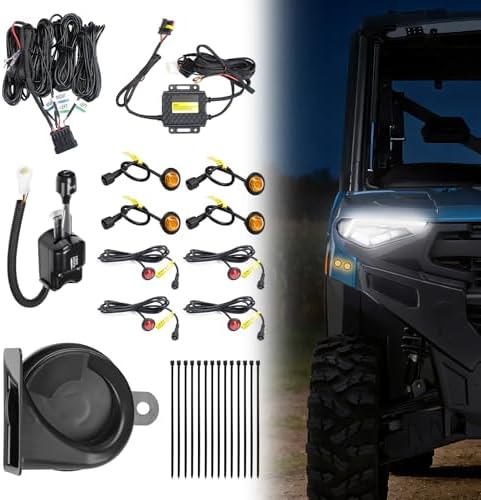
Turn signals are paramount for safe road navigation, signaling your intentions to other drivers and preventing catastrophic collisions. Most premium 2026 kits offer front and rear turn signals, utilizing high-lumen LED technology for superior visibility even in direct sunlight. Some advanced kits feature sequential LEDs for a modern, eye-catching look that mimics high-end sports cars, while others utilize traditional round amber LEDs for a rugged, utilitarian aesthetic.
For Polaris Ranger 500 and XP 1000 models, installation typically involves routing wires for front signal lights, integrating taillight adapters, and connecting dash indicators. Kits often come with sequential LED strips that fit snugly between the headlight housing and the hood panel, providing a sleek, integrated appearance without the need for drilling or permanent modifications.
A vital part of these kits is the solid-state control module. Unlike older, relay-based systems that could fail entirely and cause hyper-flashing, modern solid-state modules manage the turn signal logic with precision. They include output circuit protection to prevent electrical issues like shorts, over-current, or under-voltage conditions. This design enhances reliability and longevity, ensuring your signals work flawlessly whether you are idling in traffic or cruising down a county road.
Check out our off-road collection Amazon products
Mirrors, Horn, and License Plate Integration
Beyond signaling, visibility and audibility are key components of a street-legal UTV. A comprehensive street legal kit invariably includes rearview and side mirrors to provide a comprehensive view of your surroundings. When selecting side-by-side mirrors, look for shatter-proof glass and adjustable tension hinges that won’t vibrate loose on washboard roads.
Check out our off-road collection Amazon products
SHOP THE COLLECTIONMany kits come with an integrated 110dB horn, typically operated by a dashboard switch or integrated into the steering column turn signal lever. This ensures you can alert inattentive drivers or pedestrians when needed. Mounting the horn and running its harness usually involves routing wires through the firewall grommet and connecting directly to the control module or a dedicated 12V relay to ensure maximum volume without voltage drop.
And, of course, no street-legal vehicle is complete without a properly displayed and illuminated license plate. Kits from top manufacturers include dedicated connectors for optional LED license plate frames, ensuring compliance and easy installation without splicing into the main wiring harness. This plug-and-play approach prevents accidental short circuits that could blow your main ECU fuse.
Installation Demystified: A Step-by-Step Diagnostic Workflow
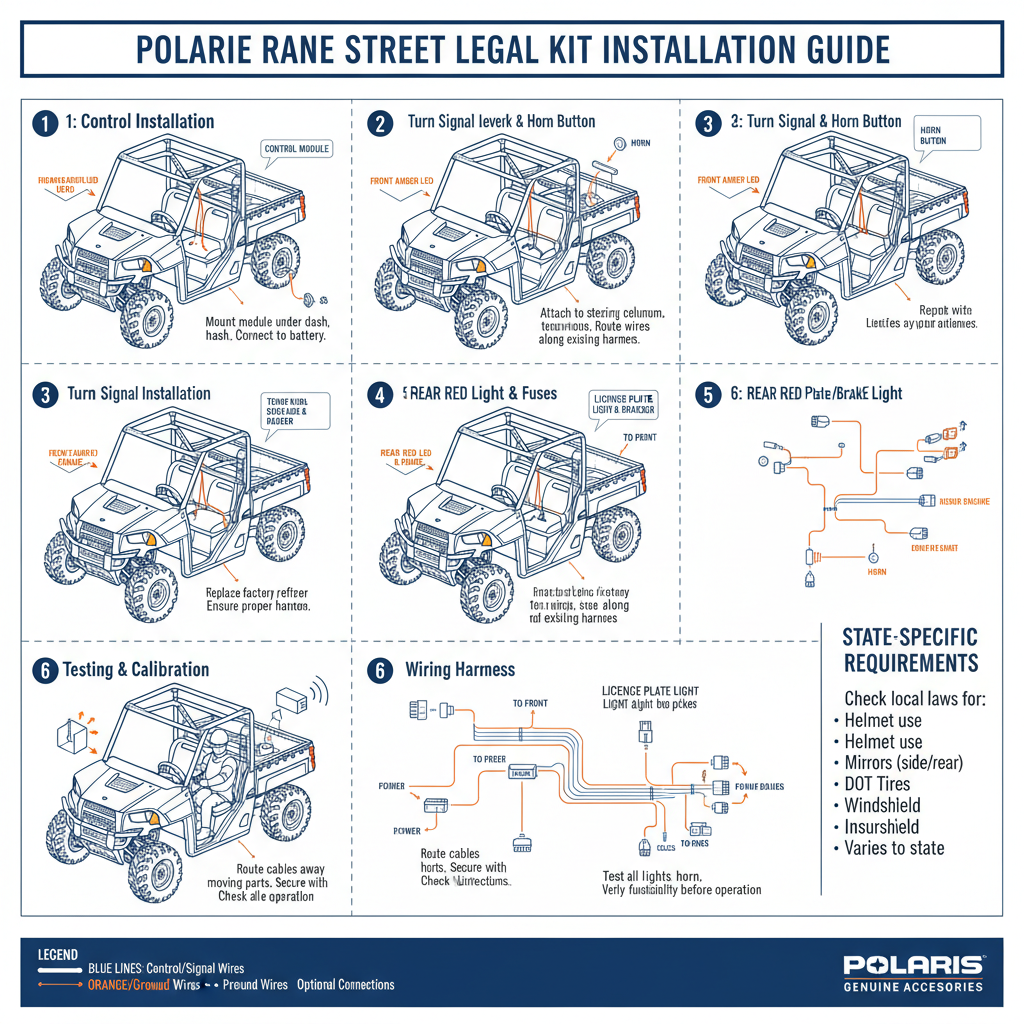
While the exact steps vary slightly by kit and UTV model, the general installation process for a street legal kit follows a logical, methodical progression. Most installations begin with the removal of dash panels, the center console, and sometimes the hood to access critical wiring pathways and the main fuse block.
Connecting the turn signal lever to the steering column or installing an all-in-one dash-mounted switch is an early step. This is followed by running the main control module and power cables. Wiring involves connecting front and rear light components, often using plug-and-play connectors that interface directly with OEM wiring harnesses. A key piece of advice from experienced installers is to carefully follow the factory wiring harness paths when routing new cables. This ensures a clean, protected, and reliable installation, minimizing the risk of pinched wires or exposure to environmental elements like mud, water, and extreme heat.
Finally, connecting to the power source—typically the Polaris pulse connector or a dedicated switched 12V accessory terminal—and testing all functionalities completes the electrical setup. Always use a multimeter to verify voltage at the control module before connecting the LED strips to prevent catastrophic damage to the sensitive diodes.
Diagnostic Troubleshooting: Solving Common Wiring Issues
Even with plug-and-play kits, DIY installers frequently encounter electrical gremlins. If your turn signals hyper-flash, it usually indicates a mismatch in resistance between the LED bulbs and the control module. While older systems required installing physical load resistors that generate excessive heat, modern 2026 solid-state modules feature adjustable flash rates via internal dip switches or Bluetooth apps.
If your horn fails to sound, the issue is almost always a voltage drop across a poor ground connection. UTV chassis grounds can be unreliable due to powder coating or rust. Always run a dedicated ground wire directly to the negative battery terminal or a verified bare-metal chassis point, and use a multimeter to confirm a solid 12V reading under load.
Recommended Insights From Our Guide Library:
- Transforming UTVs into Street-Legal Vehicles: Your Complete Guide
- Florida UTV Street Legal Guide: Turn Signals, Kits & New Laws – Pioneer Honda Lovers
- Street Legal UTV Guide: Requirements, Mods & Road Rules – Pioneer Honda Lovers
- Navigating the Pavement: Essential Guide to Street Legalizing Your Off-Road UTV – Pioneer Honda Lovers
- Texas Trails to Tarmacs: Your Ultimate Guide to a Street Legal UTV – Pioneer Honda Lovers
Another common issue is the brake light failing to integrate with the new turn signals. This occurs when the taillight adapter harness is misaligned with the OEM plug. Carefully inspect the pinout diagram provided by the manufacturer, ensuring the brake circuit and turn circuit are not crossed, which can cause back-feeding and blow the main fuse.
Here is a simplified breakdown of common components and their roles in the street legal ecosystem:
| Component | Purpose | Installation Note |
|---|---|---|
| Turn Signal Lever/Switch | Activates front/rear turn signals and hazards. | Mounts on steering column or dash, connects to control module. |
| Solid-State Control Module | Manages all electrical signals, prevents hyper-flashing. | Secured under the dash, central hub for wiring. |
| Front LED Signals | Ensures forward visibility for turns and hazards. | Integrated into factory lights or mounted as strips/pods. |
| Taillight Adapters | Converts OEM rear lights to run/brake/turn signals. | Plug-and-play inline with factory tail light wiring. |
| 110dB Horn Kit | Audible warning device for traffic safety. | Mounts under hood or dash, connects to control module/switch. |
| Mirrors (Side/Rearview) | Provides rearward and lateral visibility. | Mounted to roll cage or dash, depending on style. |
| License Plate Frame (Lit) | Displays and illuminates license plate at night. | Secured to rear of vehicle, wires to control module. |
Crucial Legalities, DMV Compliance, and Inspections
Making your Polaris Ranger or Honda Pioneer street legal is not just about installing parts; it is about understanding and adhering to your state’s specific laws. Many states regulate aspects like overall vehicle height, tire size, and lighting brightness on public roads. For instance, auxiliary off-road lights, while essential for trails, often need to be covered or turned off on highways due to their blinding intensity.
It is wise to research your local Department of Motor Vehicles (DMV) regulations or consult with a reputable off-road modification shop before undertaking major changes. Some states require a physical inspection after modifications to ensure compliance with safety standards, including brake performance and lighting alignment. Ignorance of the law is no excuse, especially when it comes to vehicle modifications that impact public safety.
Many states utilize a dual-registration system, requiring both an OHV (Off-Highway Vehicle) sticker for trail use and a standard license plate for road use. Understanding the geographical boundaries where each registration applies is vital. Crossing from a designated trail network onto a county road requires your machine to be fully equipped with all street-legal apparatus, even if you are only on the pavement for a few hundred yards.
Securing the right insurance is perhaps the most overlooked aspect of UTV street legalization. Standard homeowner’s policies or off-road specific ATV insurance will not cover you if you are involved in a collision on a public roadway. You must obtain a specialized UTV street-use policy or add a rider to your existing auto insurance. Failure to do so leaves you personally liable for property damage and medical expenses.
Ensuring that your kit components are DOT-compliant (Department of Transportation) is also a critical factor for legal operation. Always double-check that your chosen kit meets these standards, especially for lighting and mirrors, to avoid costly fines, impoundment, or legal issues in the event of an accident. Careful planning and research prevent headaches down the road, literally.
Check out our off-road collection Amazon products
The Evolving Landscape: 2026 UTV Street Legal Innovations
The off-road industry is constantly innovating, and street legal kits are no exception. The trend towards modular, plug-and-play systems with advanced features continues to grow, simplifying the process for enthusiasts. Solid-state electronics are becoming standard, offering enhanced durability and protection against electrical faults caused by the harsh vibrations and moisture inherent to off-road environments.
Expect to see even more sophisticated integrations with a vehicle’s OEM systems in 2026, including gauge cluster turn indicators, intelligent brake light functionality that pulses under hard deceleration, and Bluetooth-enabled diagnostic modules. Manufacturers are already showcasing model-specific kits that interface seamlessly with digital dash clusters, indicating a clear focus on future models and streamlined, error-free installations.
This ongoing evolution makes it an exciting time for UTV owners looking to expand their vehicle’s versatility. The future of UTV street legalization is bright, offering more intuitive and reliable solutions than ever before, bridging the gap between pure off-road machines and daily drivers.
Final Thoughts on Your Street Legal Journey
Making your side-by-side street legal is a fantastic upgrade that opens up a world of possibilities, from cruising local roads to reaching trailheads without the need for a trailer or truck. By investing in a quality, DOT-compliant kit, understanding the intricate installation process, and respecting local regulations, you can confidently transform your off-road beast into a versatile, road-ready companion.
Remember, safety and compliance go hand-in-hand with adventure. Always prioritize a meticulous installation, use dielectric grease on all exterior connections, and perform regular checks of your new components to ensure a safe journey, whether on the pavement or the path less traveled. Happy trails and safe travels!
Shop Polaris Ranger Accessories at Everything Polaris Ranger
Check out our off-road collection Amazon products
SHOP THE COLLECTIONFind Custom Dynamics Lighting Solutions
Understand Off-Road Modification Legalities at LINE-X
🔍 Explore More: See all Wild Testing guides for street legal kit for polaris ranger install.
Check out our off-road collection Amazon products
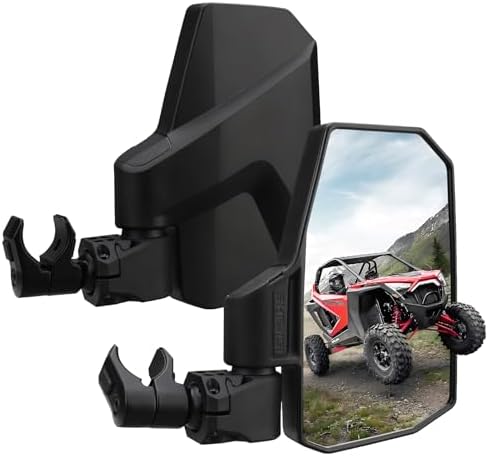
- The latest C-type aluminum clamps are compatible with almost all UTVs (except for full-door models). They can be easily …
- This side mirror offers a large 8.3 x 4.8-inch field of view with high-definition, shatterproof convex glass, allowing y…
- Compatible with Polaris RZR Ranger General、Can am Commander Defender、Honda Pioneer Talon SXS、Kawasaki Mule KRX,Yamaha Wo…
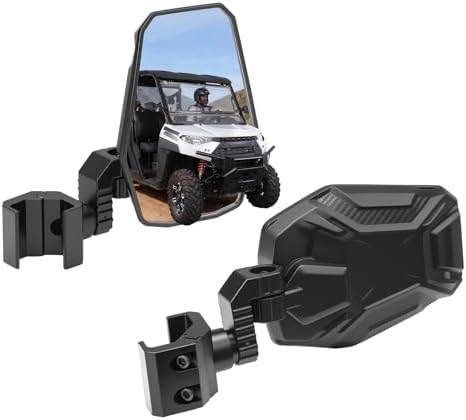
- Windshield-Compatible Design: Special low-profile clamps provide full windshield compatibility. (Note: For glass windshi…
- Upgraded 3-Axis Rotation: KEMIMOTO UTV mirrors feature 3-axis rotation to allow maximum adjustability. Ball-joint connec…
- Breakaway and Splash-Proof: UTV rear view mirrors can be folded inward and avoid crushing when you encounter obstacles s…
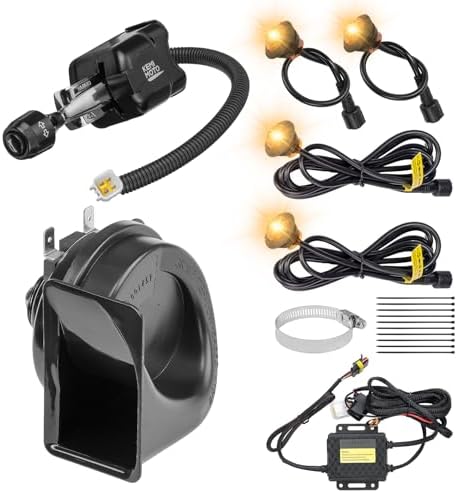
- 3-in-1 Multi-Function Stalk: This KEMIMOTO utv turn signal kit features a column switch that integrates three street-leg…
- Easy Installation: The KEMIMOTO turn signal switch features an upgraded harness length for vehicles up to 220 inches, pe…
- 110dB Horn: The KEMIMOTO UTV turn signal kit features a powerful yet considerate 110dB horn designed to alert nearby veh…
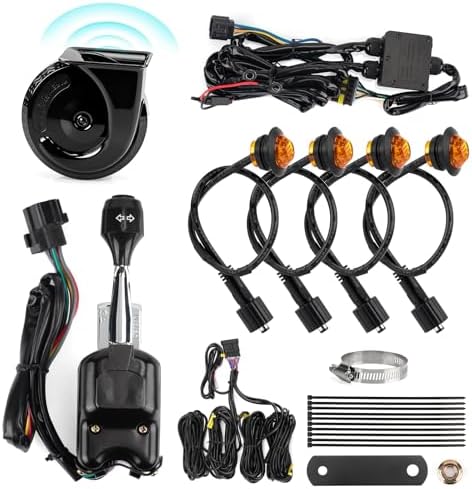
- 【Enhance Safety & Street Legal】 Equip your SXS with this universal turn signal kit to ensure street legality and signifi…
- 【Plug & Play Installation】 Say goodbye to complex wiring! This kit features a pre-wired integrated harness that simplifi…
- 【Extra Long Harness】 Designed with versatility in mind, our kit includes upgraded extended wiring: a 169-inch front harn…

- Universal Compatibility: Our street-legal turn signal kit is designed to fit a wide range of vehicles; it is compatible …
- Plug & Play Installation: Pre-wired system (no wire splicing required!) with extended cables. Our side-by-side turn sign…
- 110dB Horn: The KEMIMOTO UTV turn signal kit features a powerful yet considerate 110dB horn designed to alert nearby veh…
Community Reference & Authority Resources:
🔍 Explore More: See all guides for Honda Pioneer.