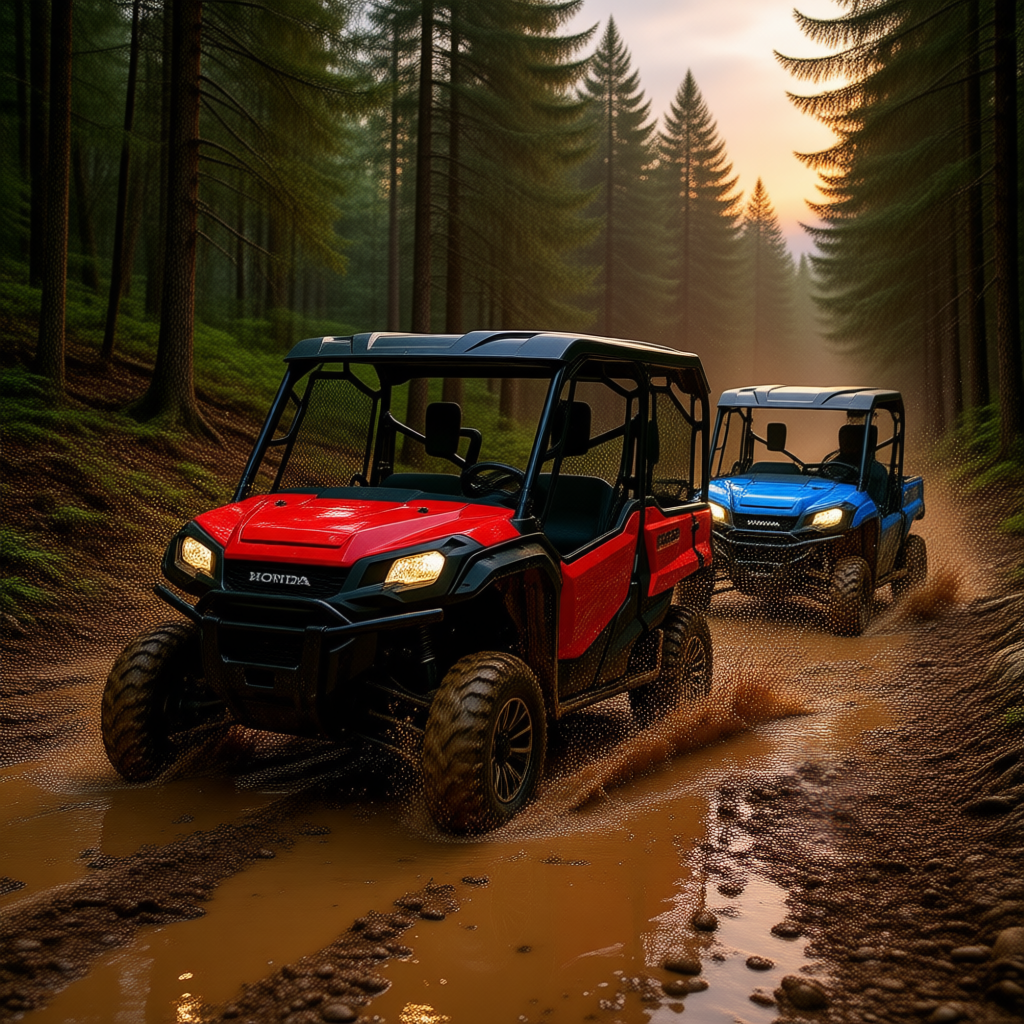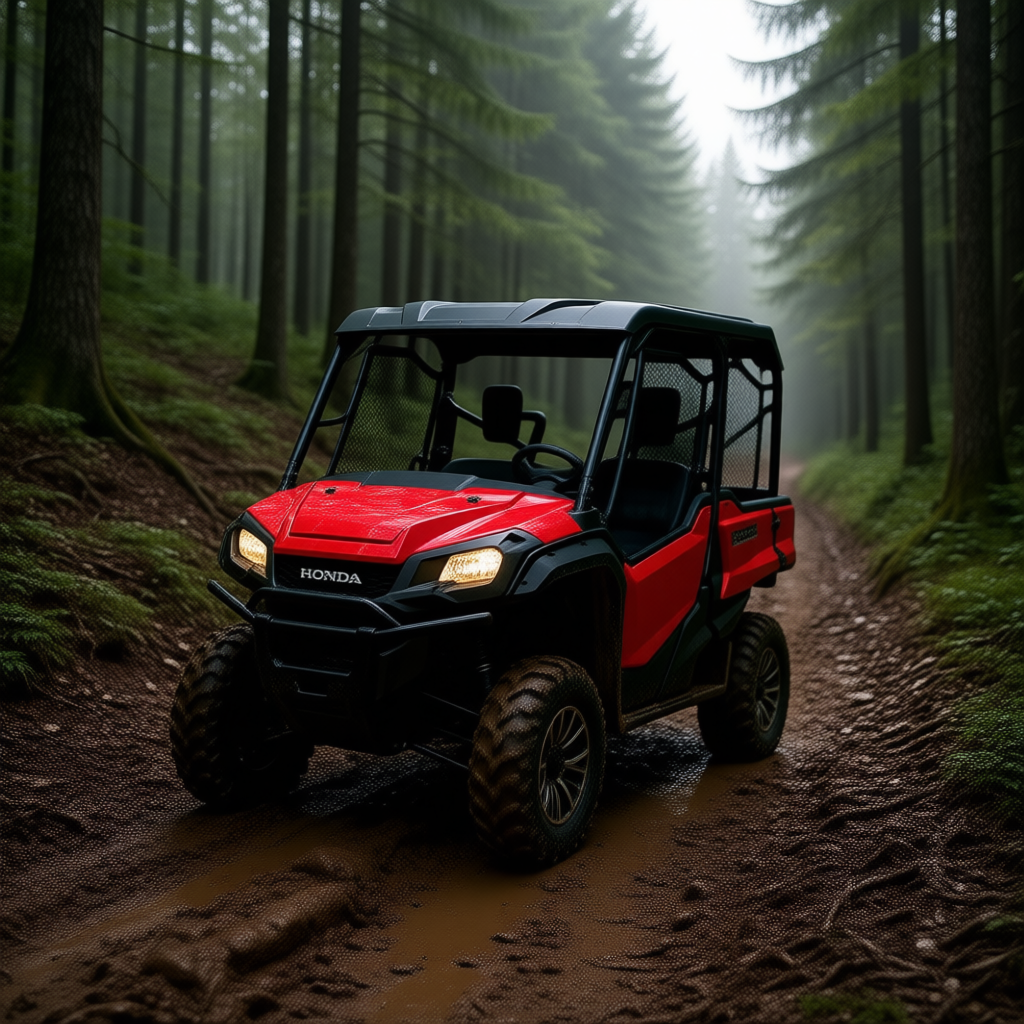

For any Honda Pioneer owner, the thrill of off-road adventure is undeniable.
Whether you’re tackling rugged trails, working hard on the farm, or exploring vast landscapes, your UTV is your most trusted companion.
However, with rising fuel costs and a universal desire to maximize every single ride, getting the best possible fuel mileage from your Pioneer becomes a top priority. If you have ever found yourself searching for ways to boost your Honda Pioneer 1000 MPG, you are not alone.
I’ve been there—watching the fuel gauge drop faster than I’d like on a long trail ride, and wondering if there’s a better way to make those precious gallons last. The good news is, there absolutely is!
In this comprehensive guide, I’ll share expert hacks to improve your Honda Pioneer fuel mileage.
These aren’t just theoretical tips; they’re practical, proven strategies that can significantly boost your UTV’s efficiency, saving you money at the pump and extending your range on every outing. A stock Honda Pioneer 1000 typically gets anywhere from 15 to 20 MPG depending on the terrain, but with a few tweaks, you can push that number higher.
From simple at-home maintenance adjustments to smart driving habits and clever vehicle setups, we’ll cover everything you need to know to get the most out of your fuel tank.
Let’s turn your Pioneer into a lean, mean, fuel-sipping machine!
1. Master Your Maintenance: The Foundation of Fuel Efficiency
Just like any vehicle, a well-maintained Honda Pioneer is a fuel-efficient Pioneer. Neglecting routine maintenance is a surefire way to burn through more gas than necessary. Think of it as keeping your UTV in peak athletic condition. Sticking to a strict Honda Pioneer 1000 maintenance schedule is the first step toward better fuel economy.
A. Air Filter: Your Engine’s Lungs
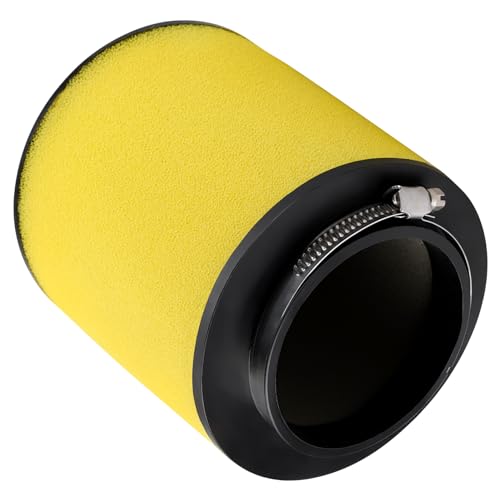
Your engine needs a massive volume of clean air to burn fuel efficiently. A clogged, dirty, or oil-soaked air filter chokes the engine, disrupting the air-to-fuel ratio. This forces the ECU to compensate, often resulting in richer fuel mixture, harder working components, and a noticeable drop in MPG.
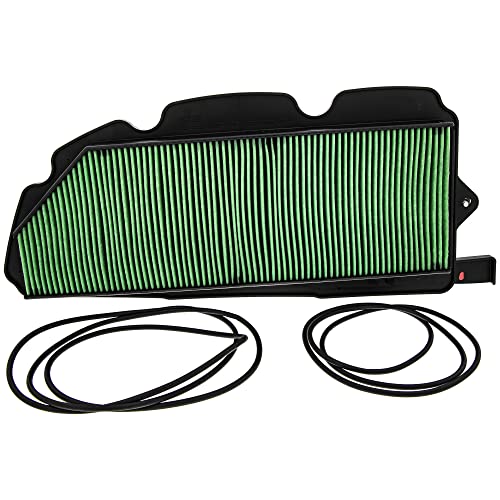
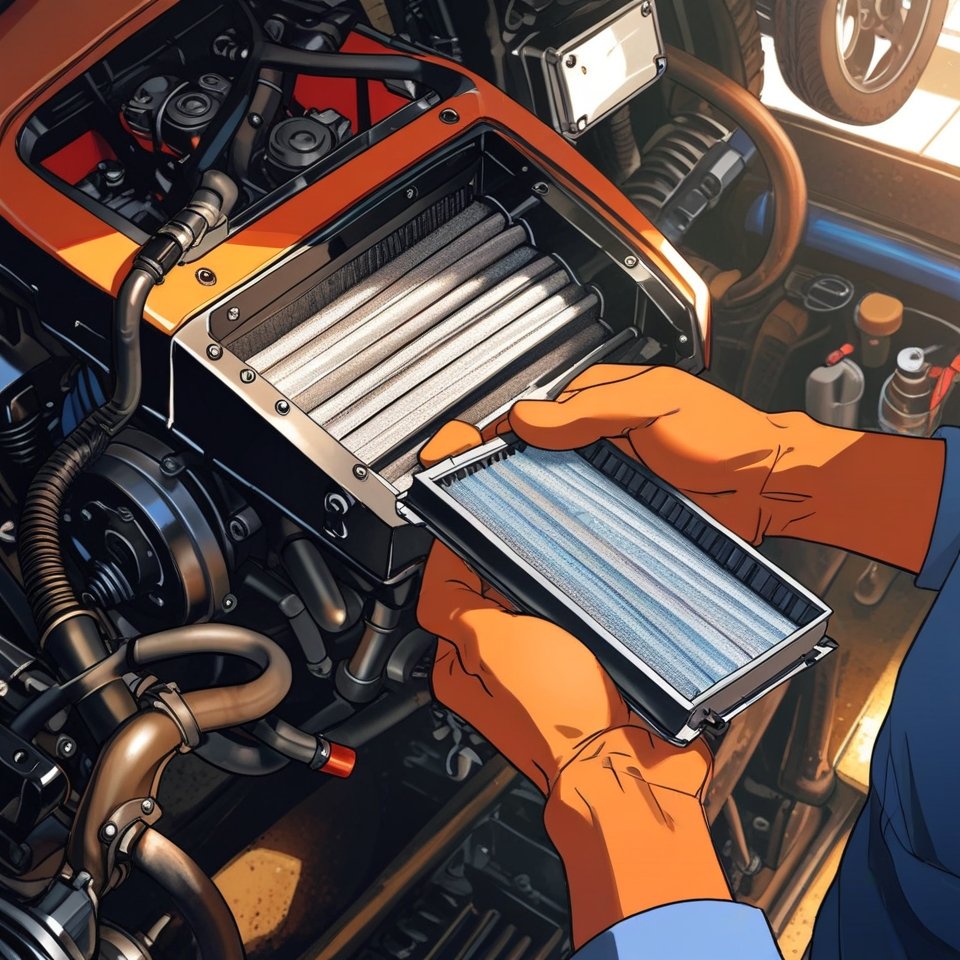
- The Hack: Regularly inspect and clean or replace your air filter. If you ride in dusty conditions (like dry desert trails or sandy farms), this needs to be done much more frequently than the manufacturer’s recommended intervals. A clean air filter ensures optimal airflow, leading to better combustion and improved mileage. Watch the video below for a quick walkthrough on inspecting and swapping out your filter.
B. Spark Plugs: The Ignition Spark
Worn or fouled spark plugs lead to incomplete combustion, literally wasting unburnt fuel out of your exhaust and reducing your overall power output. Because they are relatively inexpensive, ignoring them is throwing money away.
- The Hack: Check your spark plugs at recommended intervals. Look for signs of wear, heavy carbon buildup, or an incorrect gap. Upgrading to an Iridium spark plug can provide a stronger, more consistent spark, which improves combustion efficiency. Always replace them with the correct type and gap specified for your Pioneer model.
C. Oil and Fluid Changes: Smooth Operations
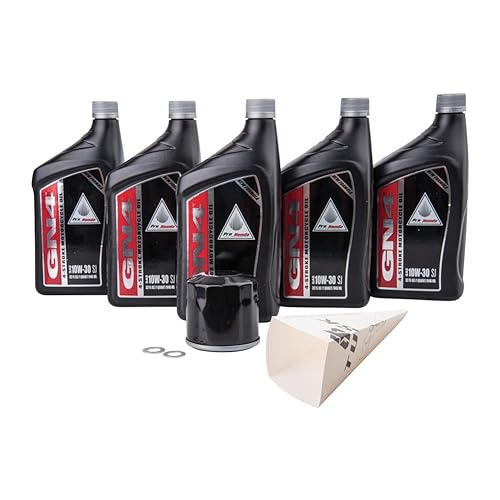
Fresh, clean oil and fluids drastically reduce friction within the engine and drivetrain. Less friction means your engine doesn’t have to work as hard to turn the crankshaft, allowing components to move more freely and efficiently. This directly translates to better fuel economy.
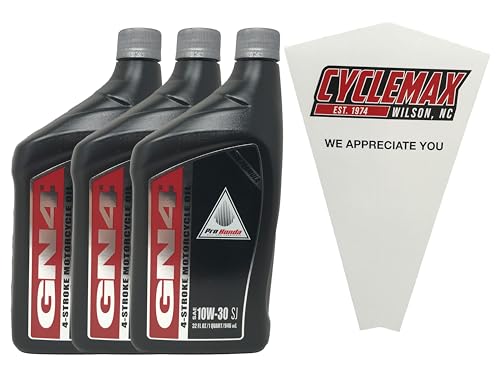
- The Hack: Adhere strictly to your service schedule. Use the recommended viscosity and type of oil. Finding the best oil for Honda Pioneer models usually means sticking to Honda’s GN4 or HP4S, or a high-quality UTV-specific full synthetic oil. Don’t forget your differential and transmission fluids, as binding, degraded gear oil creates massive drag in the drivetrain.
Check out our off-road collection Amazon products
SHOP THE COLLECTION2. Adopt Smart Driving Habits: Your Foot on the Pedal Matters
Your driving style has a profound impact on fuel consumption. Aggressive driving wastes fuel, while smooth, controlled inputs can significantly extend your range. Think of yourself as a fuel-saving artist, painting smooth lines on the trail.
A. Smooth Acceleration and the CVT System
Rapid acceleration and sudden braking are ultimate fuel guzzlers. Every time you stomp on the gas, your engine demands a massive dump of fuel to quickly increase speed. Furthermore, aggressive throttle inputs cause your CVT clutch to slip and generate excess heat, robbing you of power and fuel.
- The Hack: Accelerate gradually and smoothly to let the CVT belt engage fully before demanding high RPMs. Anticipate stops and corners to allow for gentle deceleration. This not only saves fuel but also drastically extends your Honda Pioneer CVT belt life. Imagine there’s an egg under your accelerator pedal – you don’t want to break it!
B. Maintain Consistent Speeds
Fluctuating speeds force your engine to constantly adjust its load, which is far less efficient than maintaining a steady pace. While off-roading often involves varied terrain, try to find a consistent speed when conditions allow.
Recommended Insights From Our Guide Library:
- The Hack: On open trails, fire roads, or flat sections, try to maintain a consistent, moderate speed. Avoid unnecessary bursts of speed followed by heavy braking. The sweet spot for fuel efficiency in a Pioneer 1000 is often found at lower to mid-range RPMs (usually around 25-35 mph), well before you hit top speed.
C. Avoid Excessive Idling
Leaving your UTV idling for extended periods consumes fuel without getting you anywhere. While a brief 30-second warm-up is necessary in cold weather, prolonged idling at the trailhead or campsite is incredibly wasteful. According to the Department of Energy’s driving habits guide, heavy idling can get 0 miles per gallon and degrades your oil quality faster.
- The Hack: If you’re going to be stopped for more than a minute or two (e.g., waiting for friends, opening a gate, or scouting a trail), shut off your engine. Modern fuel-injected UTVs are designed for frequent starts and don’t need long warm-up periods.

3. Optimize Your UTV’s Setup: Every Pound and PSI Counts
Beyond maintenance and driving habits, how your UTV is physically set up can significantly impact its fuel consumption. Every extra pound, every bit of mechanical drag, and every underinflated tire can steal precious miles per gallon.
A. Tire Pressure: The Often-Overlooked Factor
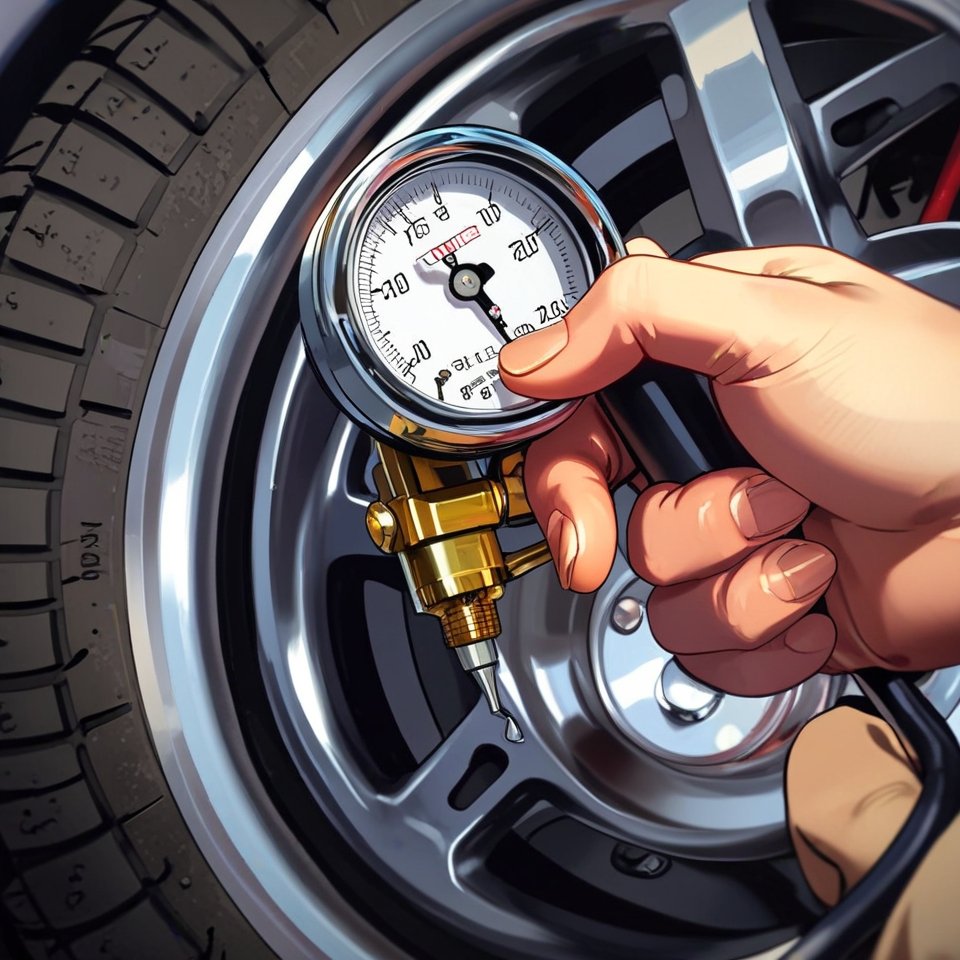
Underinflated tires create a massive contact patch, increasing rolling resistance and forcing your engine to work significantly harder to push the machine forward. Conversely, overinflated tires can reduce traction and make the ride incredibly bumpy, but for pure fuel economy on hardpack, proper inflation is key.
- The Hack: Regularly check and maintain your tire pressure according to the official Honda Powersports recommendations. For deep mud or sand, you might air down, but for general trail riding, keeping them around 12-14 PSI (or higher for heavy loads) is ideal. Check out our complete UTV tire pressure guide to dial in your setup. A few pounds of air can make a surprising difference in your MPG!
B. Reduce Unnecessary Weight
Physics dictates that every extra pound your UTV carries requires more kinetic energy (and thus more fuel) to accelerate and climb hills. While you absolutely need your essential safety gear and tools, consider what you’re hauling that isn’t strictly necessary.
- The Hack: Before each ride, do a quick inventory of your cargo. Do you really need that 50lb extra cooler, those heavy power tools, or a full-size spare if you’re just going for a short, easy ride near the pavement? Upgrading to lightweight UTV accessories like aluminum roofs or poly windshields can also shave off dozens of pounds permanently.
C. Aerodynamics and Wind Resistance
While UTVs aren’t exactly aerodynamic marvels to begin with, anything that creates significant wind resistance acts like a parachute, severely impacting fuel economy at speeds over 25 mph.
- The Hack: Believe it or not, running just a front windshield without a roof or rear windshield can actually create a high-pressure air pocket in the cab, acting as an air brake. If you frequently ride at high speeds on open land, consider adding a roof to slice through the air better, or removing bulky, empty cargo boxes. Even small changes can reduce drag. The EPA notes on fuel economy highlight that aerodynamic drag is one of the biggest factors in highway fuel loss.
4. Keep Your Fuel System Clean
Check out our off-road collection Amazon products
SHOP THE COLLECTIONOver time, carbon deposits can build up on your fuel injectors and intake valves. Ethanol-blended pump gas can also leave behind varnish and attract moisture, degrading fuel quality and reducing combustion efficiency.
- The Hack: Run a high-quality fuel system cleaner (like Sea Foam or a dedicated EFI cleaner) through your gas tank every few fill-ups. This helps clean the injectors, ensuring a perfect, atomized spray of fuel into the cylinder, which maximizes your Honda Pioneer 1000 MPG.
Conclusion: Fueling More Adventures
Improving your Honda Pioneer’s fuel mileage isn’t about sacrificing performance, capability, or fun; it’s about smart maintenance, mindful driving, and optimizing your UTV’s physical setup.
By implementing these expert hacks, you can significantly extend your trail range, reduce your overall operating costs, and enjoy more time exploring without worrying about the fuel gauge.
Remember, every small effort adds up. From ensuring your air filter is spotless and your tires are properly inflated, to practicing smooth acceleration and avoiding unnecessary trailhead idling, these habits will make a tangible difference at the gas pump.
Your Honda Pioneer is built for incredible adventure, and with better fuel efficiency, you can explore further and longer than ever before.
So, take these tips to heart, apply them to your next ride, and experience the satisfaction of a highly efficient machine. Happy trails, and may your tank always be full (or at least last much longer than before)!
Community Reference & Authority Resources:


🔍 Explore More: See all guides for Honda Pioneer.