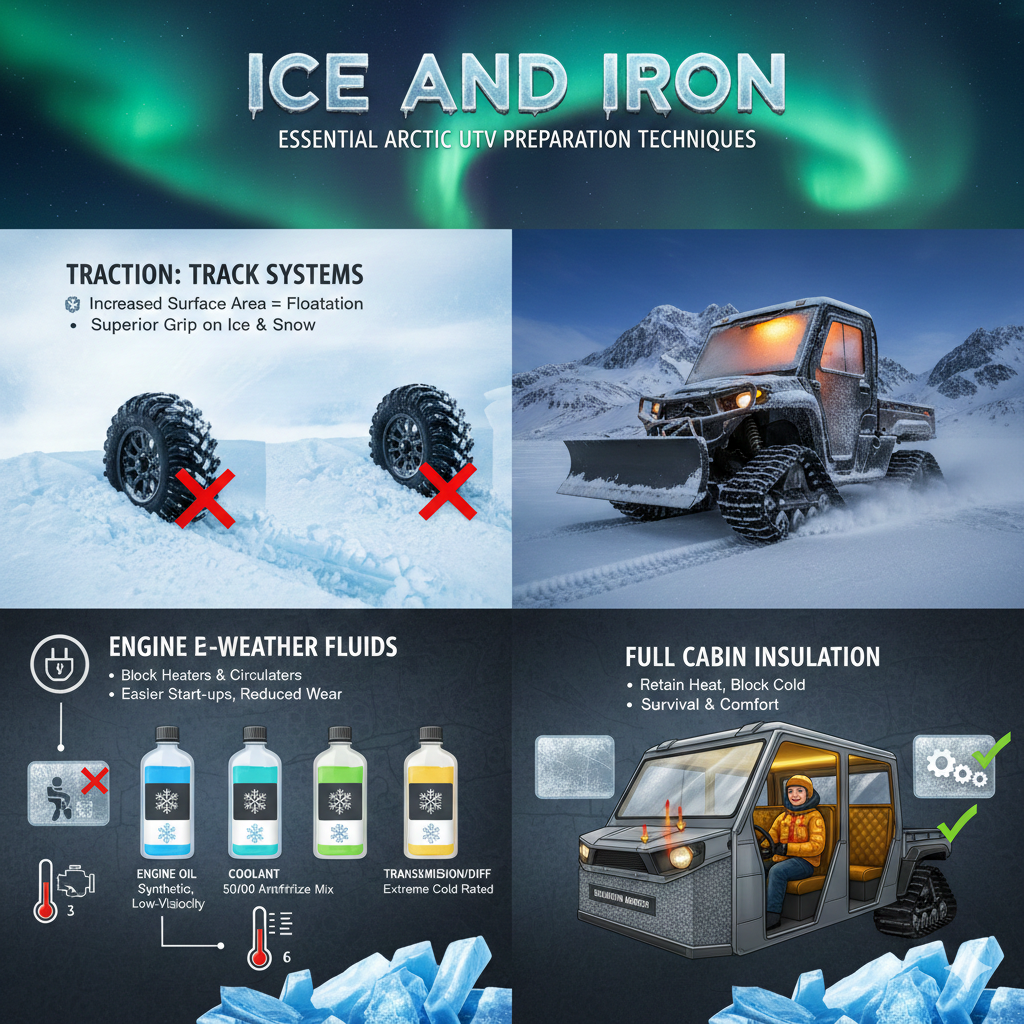





The Arctic environment presents the ultimate challenge for any machine. Temperatures plummet far below freezing, snow and ice create treacherous terrain, and mechanical failures can be life-threatening. A standard UTV, built for temperate climates, simply won’t survive the relentless cold without significant modification. To transform your side-by-side into a reliable workhorse or a capable expedition vehicle for the frozen north, you need a specialized set of Arctic UTV preparation techniques.
This is not just about staying warm; it’s about ensuring your engine starts, your fluids flow, and your machine maintains traction on ice and deep snow. The cold is unforgiving, and every component must be addressed with meticulous care.
Having studied the methods used by professional guides and researchers in the far north, I can confirm that these preparations are non-negotiable. This guide will break down the critical modifications and maintenance steps required to make your UTV an ice and iron warrior.
Phase 1: Traction and Mobility—The Track System
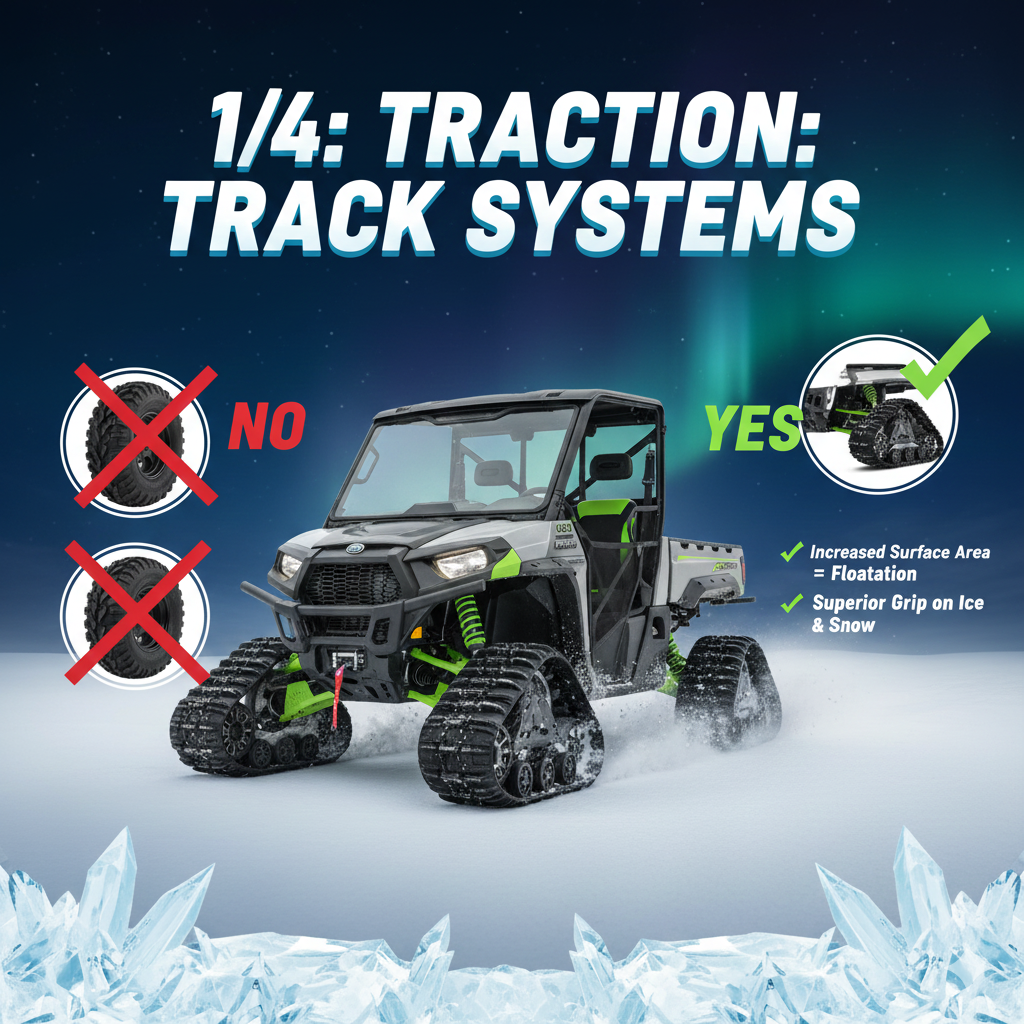
Wheels are useless in deep snow and on thick ice. The single most important modification for Arctic travel is the installation of a dedicated track system.
1. Track System Selection
- Surface Area: Track systems, such as those from Camso or Polaris, replace the wheels with four independent track units. This dramatically increases the contact patch, reducing ground pressure and allowing the UTV to float over deep snow.
- Traction: The aggressive treads on the tracks provide unparalleled grip on ice and packed snow, offering far superior traction compared to even the best studded tires.
- Installation Considerations: Installing a track system often requires a lift kit and can put extra strain on the drivetrain. Ensure your UTV’s suspension and gearing are rated to handle the added weight and resistance.
Phase 2: Engine Survival—Pre-Heating and Fluids
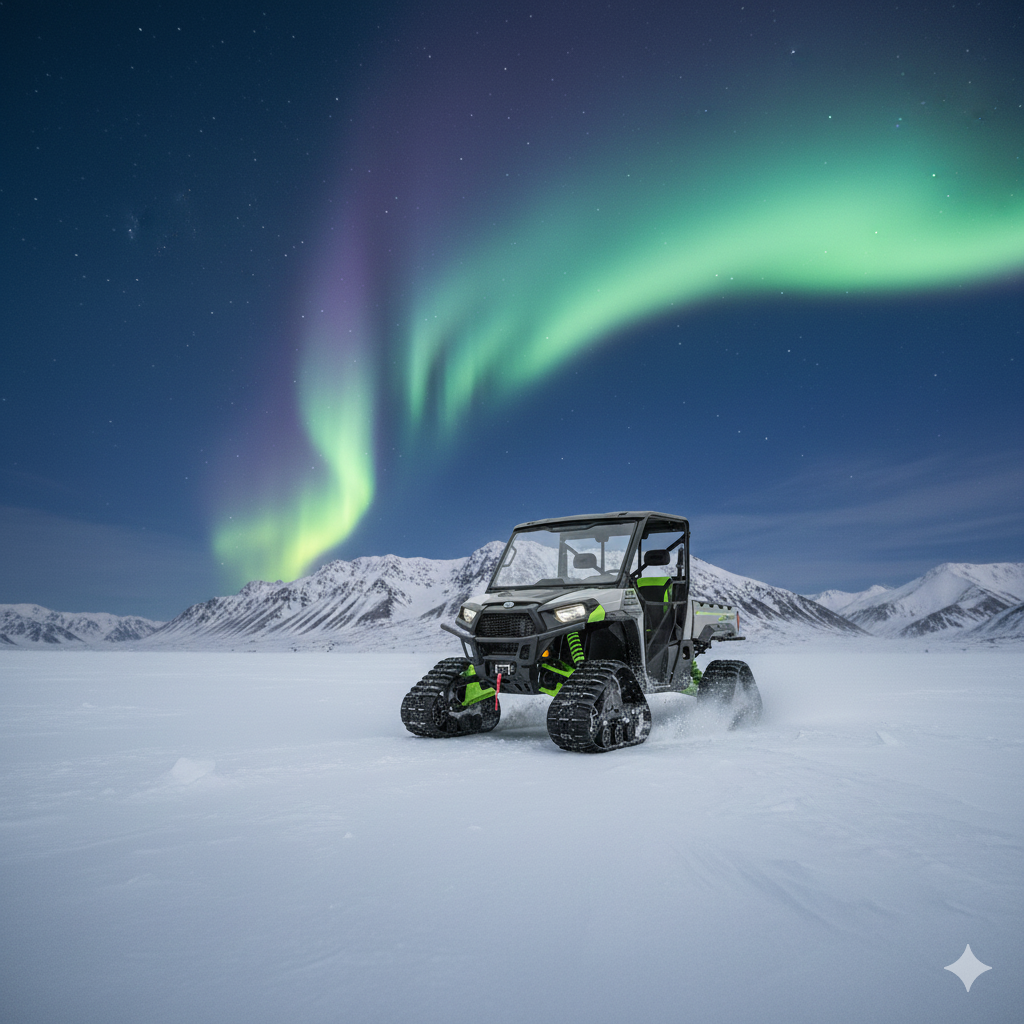
Starting an engine in sub-zero temperatures is a major hurdle. The cold thickens fluids and drains battery power, making pre-heating essential.
1. Engine Pre-Heating
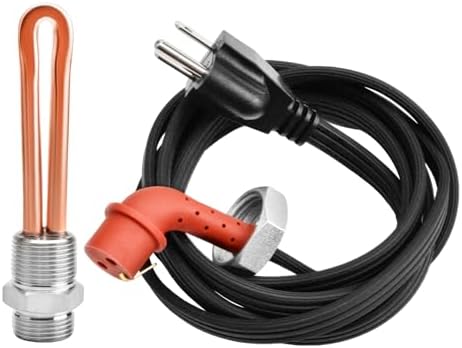
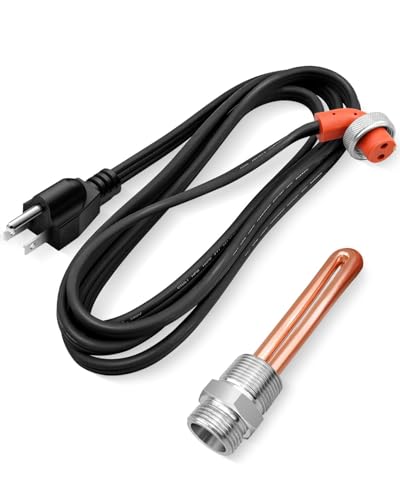
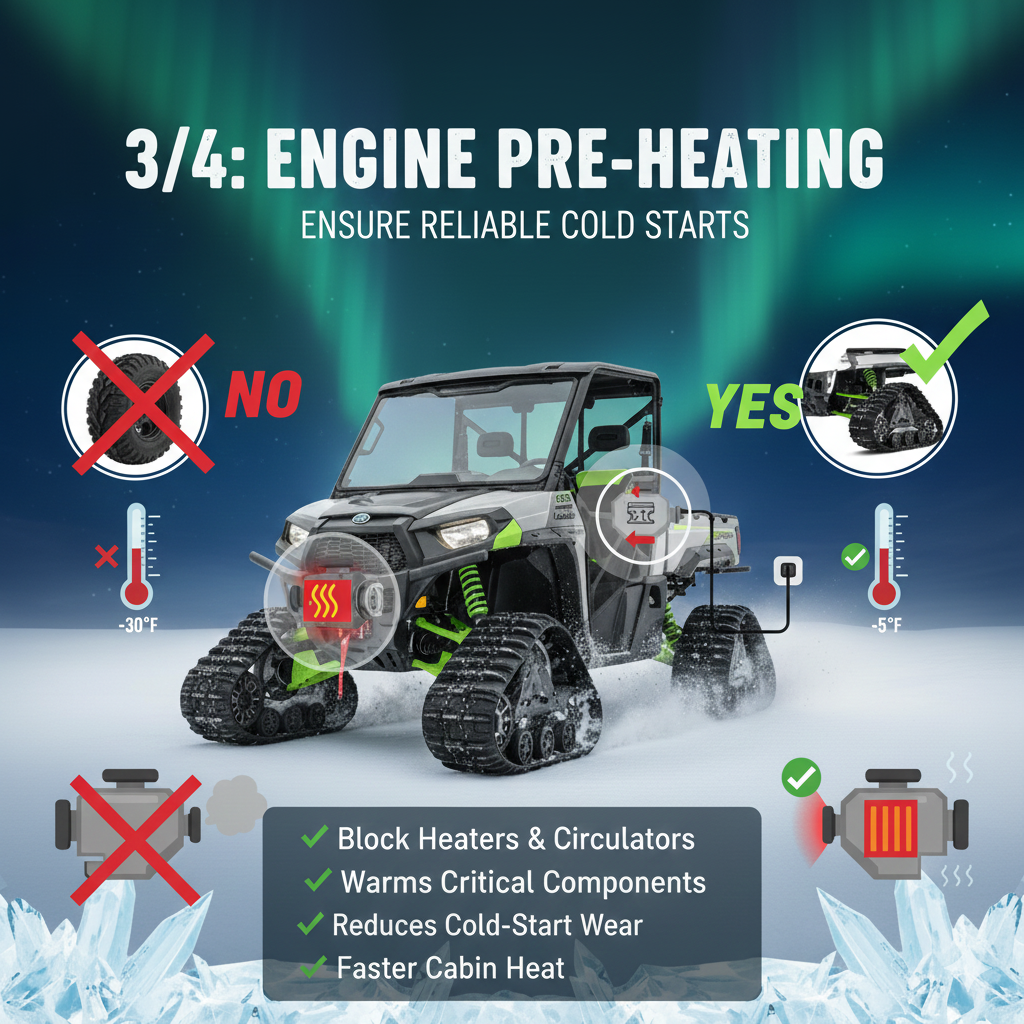
- Engine Block Heater: An engine block heater is a mandatory component for Arctic operation [1]. It is typically an electric heating element installed directly into the engine block or a coolant hose. It keeps the engine block and coolant warm, ensuring easier starting and immediate lubrication.
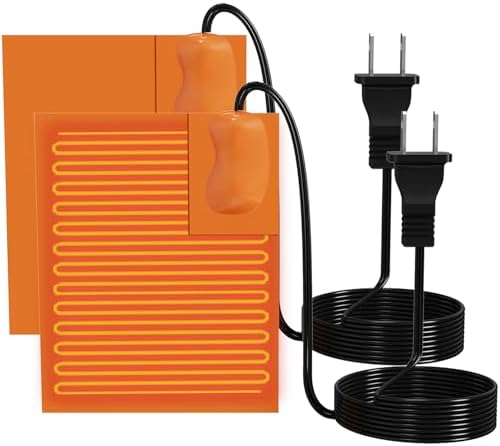
- Oil Pan Heater: For even better cold-weather starting, an oil pan heater pad can be installed to keep the engine oil warm and prevent it from becoming too viscous, which is a common cause of engine wear during cold starts [2].
- Battery Warmers: Cold dramatically reduces battery capacity. A battery heater pad, which is plugged in alongside the block heater, keeps the battery warm, ensuring maximum cranking power when you need it most.
2. Cold-Weather Fluids
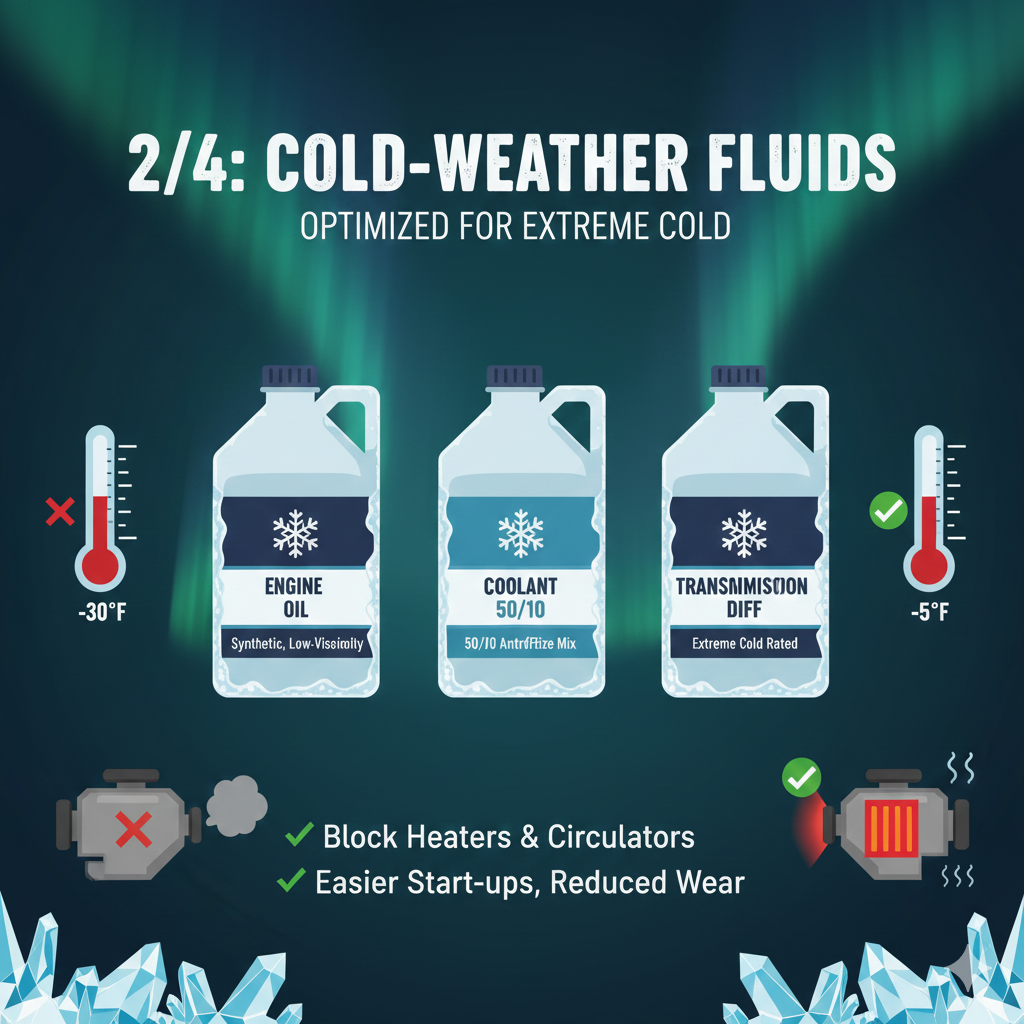
- Engine Oil: Switch to a synthetic, winter-grade engine oil (e.g., 0W-40 or 5W-30) that is specifically designed to maintain fluidity at extremely low temperatures [3]. This ensures the oil circulates quickly upon startup, protecting critical engine components.
- Coolant: Ensure your coolant mixture is rated for the lowest expected temperatures. A 50/50 mix of antifreeze and distilled water is standard, but in extreme cold, a higher concentration of antifreeze may be necessary to prevent freezing and catastrophic engine damage.
- Fuel System: Consider using a diesel anti-gel additive if running a diesel UTV, or a fuel stabilizer in gasoline engines, to prevent fuel line freezing and condensation issues.
Phase 3: Occupant Protection—Cabin and Insulation
The driver and passengers need a fully sealed and heated environment to operate safely for extended periods.
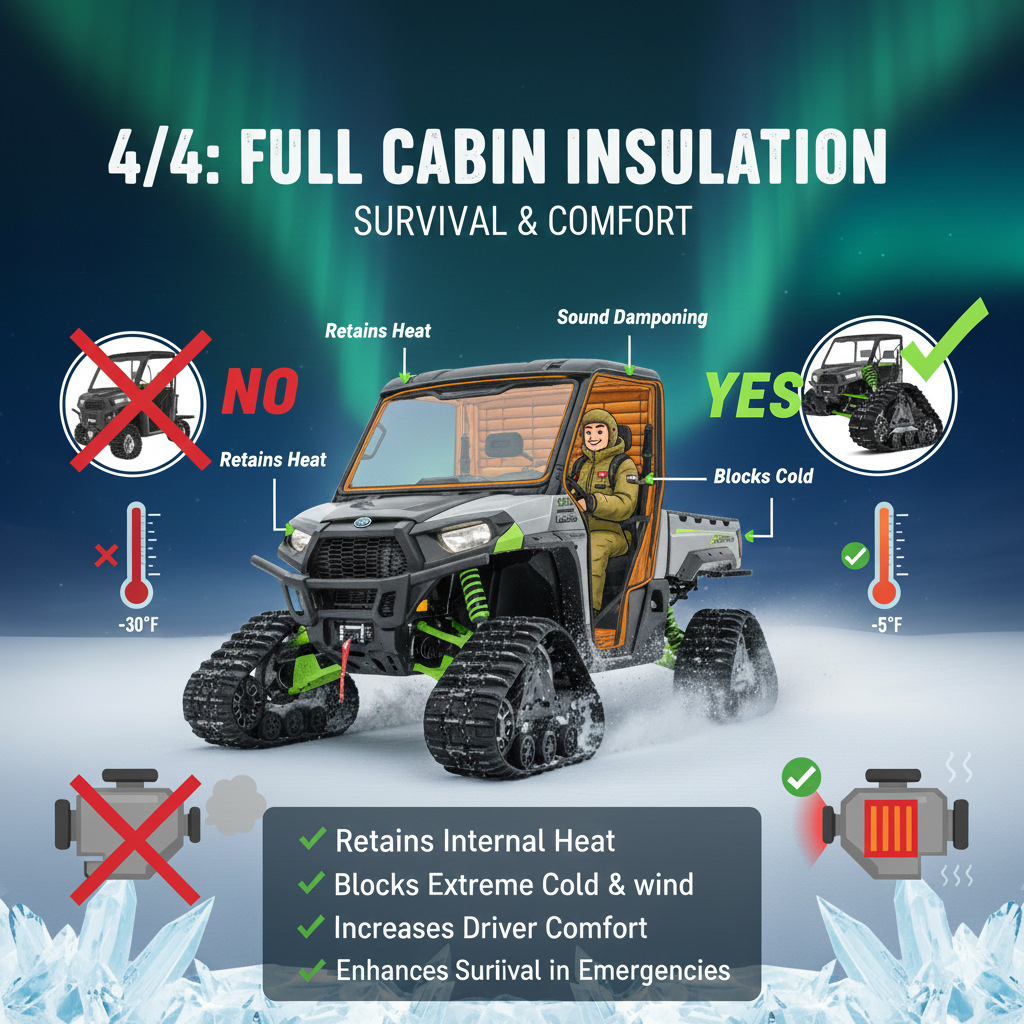
1. Full Cabin Enclosure
- Hard Cab: A full hard cab enclosure is essential. This includes a hard roof, full doors, and a glass or polycarbonate windshield and rear panel. The enclosure must be completely sealed to keep out wind, snow, and moisture.
- Insulation: Insulating the cab is critical for retaining heat. Apply adhesive foam and aluminum-coated insulation to the floor, firewall, and tunnel to reduce heat loss and block cold air intrusion [4].
2. Heating and Defrosting
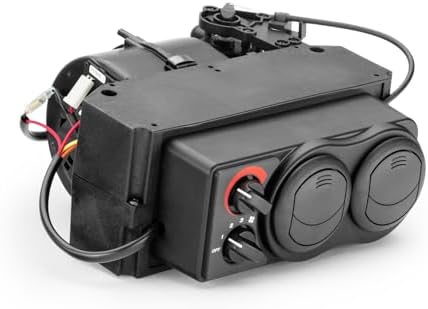
- Cab Heater: A dedicated cab heater, typically a liquid-to-air unit that taps into the engine’s coolant system, is necessary to maintain a comfortable temperature inside the cab [5].
- Defrost: The heater system must include a robust defrost function for the windshield to maintain visibility, which is constantly threatened by condensation and ice buildup.
| Arctic Preparation Area | Key Modification | Purpose |
|---|---|---|
| Traction | Full Track System | Float over deep snow and grip ice. |
| Engine Start | Engine Block Heater | Pre-heat engine block and coolant for reliable starting. |
| Lubrication | Winter-Grade Synthetic Oil | Maintain fluidity at sub-zero temperatures. |
| Comfort | Full Hard Cab & Heater | Protect occupants from wind, snow, and extreme cold. |
Phase 4: Reliability and Safety
In the Arctic, reliability is paramount. A small failure can quickly escalate into a survival situation.
1. Electrical System
- High-Output Alternator: The added draw from heaters, lights, and winches requires a high-output alternator to keep the battery charged, especially at idle.
- Sealed Wiring: All electrical connections must be sealed and protected from moisture to prevent corrosion and short circuits caused by melting snow and ice.
2. Survival Gear
- Recovery Gear: A powerful winch, recovery straps, and a shovel are mandatory. Getting stuck in deep snow without recovery gear is a dangerous scenario.
- Emergency Kit: A comprehensive Arctic survival kit must be carried, including extra warm clothing, high-calorie food, a satellite communication device, and a secondary heat source.
Conclusion: Mastering the Frozen Frontier
Arctic UTV preparation techniques are a comprehensive set of modifications that address the unique challenges of extreme cold.
By focusing on superior traction, engine pre-heating, cold-weather fluids, and a fully insulated cabin, you can ensure your UTV remains a dependable and safe vehicle, even in the most hostile environments on Earth.
The Arctic is a magnificent place to explore, but it demands respect and preparation. With these modifications, your UTV will be ready to face the ice and iron of the frozen frontier.
Stay warm, stay safe, and keep exploring!
References
[1] RV Heater – ATV Block Heater: The Complete Guide
[2] Reddit – Engine block heater for UTV?
[3] ATV.com – How to Properly Prepare Your ATV or UTV for the Winter
[4] Facebook – How to seal and insulate a CFMOTO cab for winter?
[5] SuperATV Offroad Atlas – Do UTV Cab Heaters Really Work?