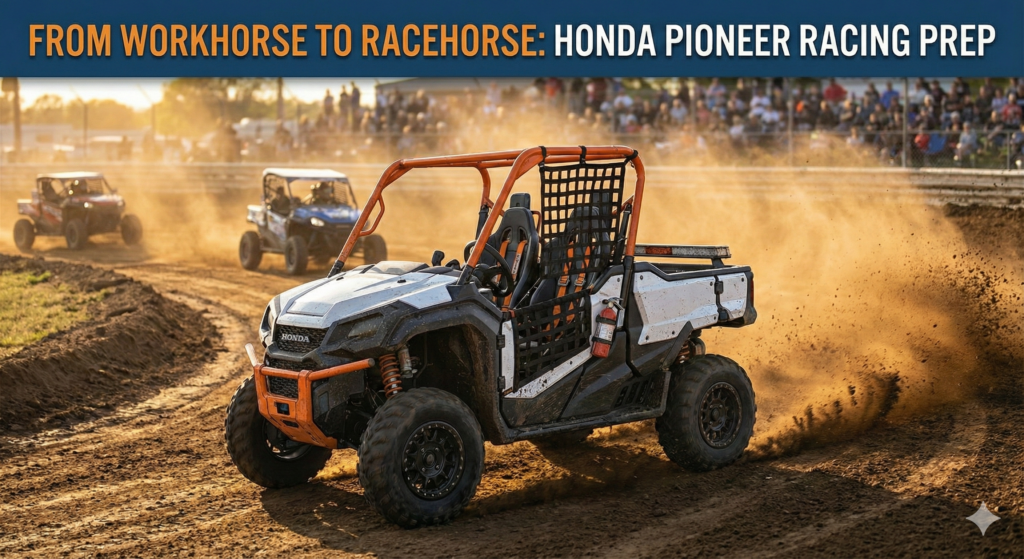

The Honda Pioneer series, particularly the Pioneer 1000, is legendary for its reliability, utility, and rugged durability. It is the quintessential workhorse of the UTV world, a machine built to haul, tow, and conquer the toughest jobs. However, a growing community of enthusiasts is proving that the Pioneer is capable of much more than just farm work and trail riding. They are transforming this dependable utility vehicle into a formidable competitor on the race track. The journey from a stock utility UTV to a race-ready side-by-side is a challenging but rewarding one, requiring meticulous attention to safety, performance, and adherence to strict regulations.
If you are considering entering the world of UTV racing with your Honda Pioneer, you need a comprehensive plan. This is not a simple bolt-on affair; it is a complete overhaul focused on pushing the machine to its absolute limits while ensuring the safety of the driver and co-driver.
I’ve followed the evolution of the Pioneer in racing and have seen firsthand the dedication it takes to compete. This guide will walk you through the three critical phases of Honda Pioneer racing series preparation: ensuring safety, maximizing performance, and mastering the race-day checklist.
Phase 1: Safety First—Meeting Race Regulations
In any form of motorsport, safety is non-negotiable. Before you even think about horsepower, you must ensure your Honda Pioneer meets the stringent safety requirements of your chosen racing series (e.g., SCORE, BITD, local short-course leagues).
1. Roll Cage and Structure
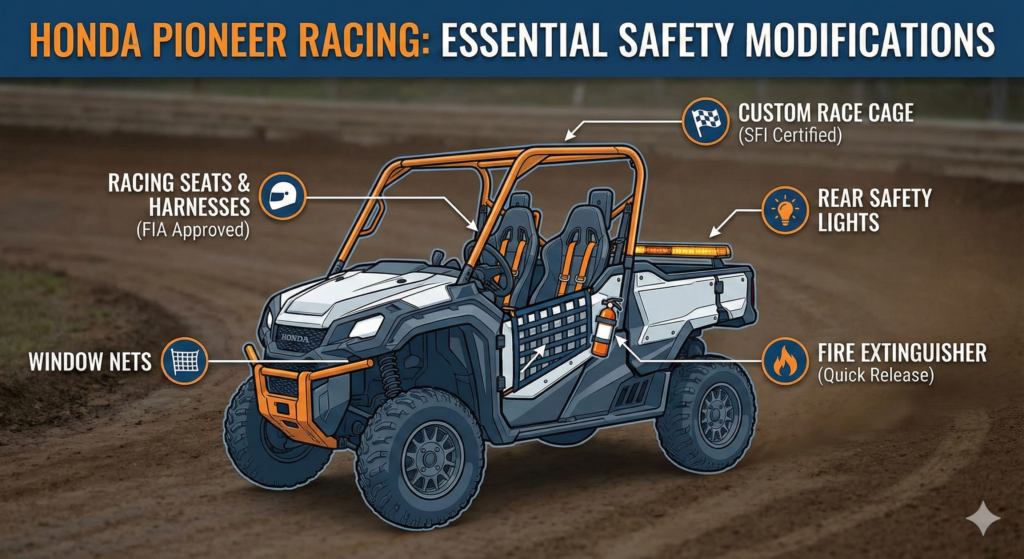
- Reinforcement or Replacement: The factory roll cage, while adequate for utility use, is often insufficient for racing. Most series require a full, certified race-spec roll cage built from chromoly or DOM tubing [1]. This cage must be securely tied into the frame at multiple points to protect occupants in the event of a rollover.
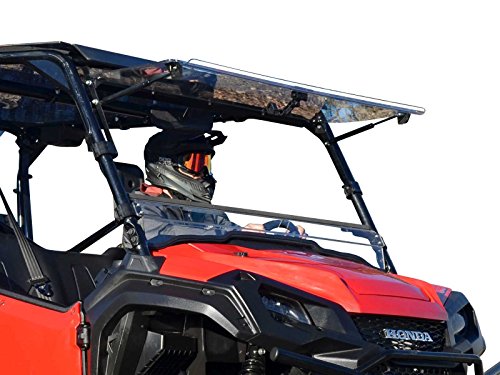
- Door and Netting: Full doors or safety nets are mandatory to keep limbs inside the vehicle. Quick-release window nets are a common requirement for rapid exit in an emergency.
2. Occupant Restraint and Seating
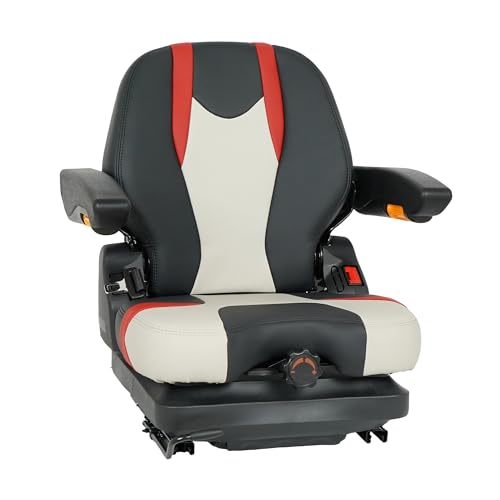
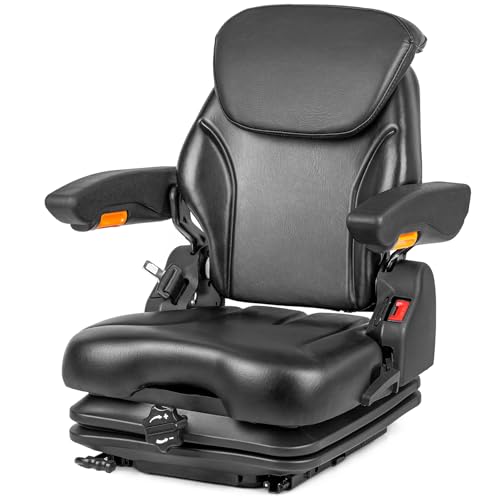
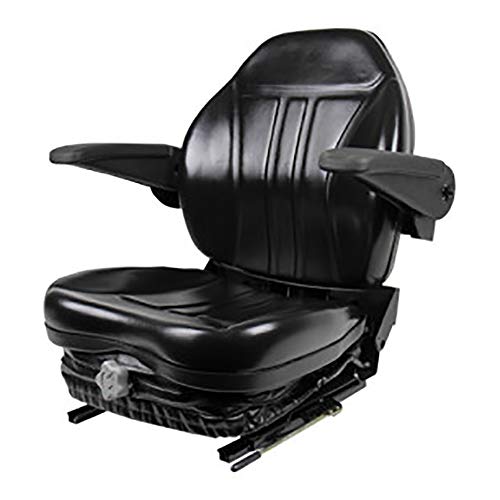
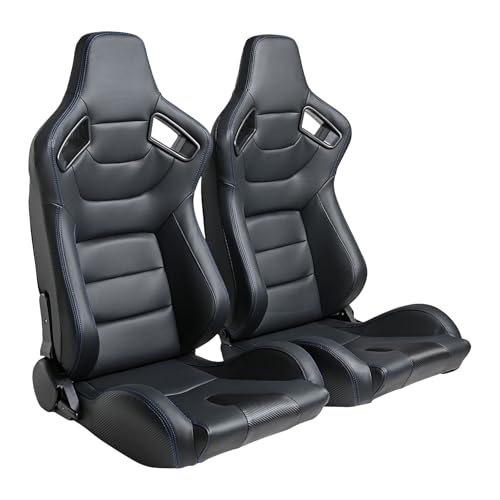
- Race Seats: Replace the stock seats with FIA or SFI-approved racing seats that provide superior lateral support and energy absorption.
- Harnesses: Install a 5-point or 6-point racing harness for both driver and co-driver. These must be mounted to a dedicated harness bar that is part of the race cage, not the factory seat mounts.
3. Fire Suppression and Emergency Gear
- Fire Suppression System: A plumbed, on-board fire suppression system is a common requirement, especially for longer endurance races. This system should be accessible by both occupants and activated by a pull handle.
- External Fire Extinguisher: A secondary, easily accessible fire extinguisher (typically 2.5lb ABC) must be mounted within reach of the driver.
- Emergency Cut-Off: An external electrical cut-off switch, accessible from outside the vehicle, is mandatory for emergency shutdown.
| Safety Component | Racing Requirement | Purpose |
|---|---|---|
| Certified Roll Cage | Mandatory tie-in to frame, specific tubing size/material. | Maximum occupant protection during high-speed rollover. |
| 5/6-Point Harnesses | Must be mounted to a dedicated harness bar. | Securely holds occupants in place, preventing ejection. |
| Fire Suppression | Plumbed system with external pull handle. | Rapidly extinguish engine or fuel fires. |
| Fuel Cell | Often required to replace stock tank for safety and capacity. | Prevents fuel spillage and fire risk in a crash. |

Phase 2: Performance Upgrades—Unlocking the Pioneer’s Potential
The Honda Pioneer is a utility machine, which means it was not designed for the sustained high-RPM abuse of racing. Performance upgrades must focus on both power and durability.
1. Engine and Drivetrain Enhancements
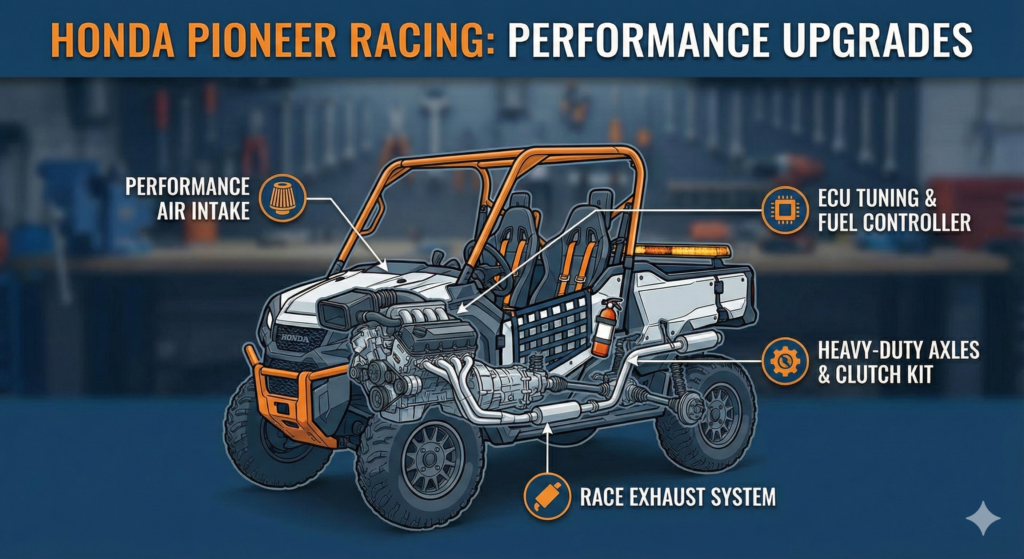
- ECU Tuning: The single most effective performance upgrade is an ECU reflash or performance tune [2]. This can adjust fuel mapping, ignition timing, and remove factory speed/rev limiters, significantly boosting horsepower and torque.
- Intake and Exhaust: A high-flow cold air intake and a performance exhaust system will allow the engine to breathe better, increasing power output.
- Clutch Optimization: The Pioneer’s automatic dual-clutch transmission (DCT) is incredibly durable, but for racing, it benefits from specialized clutch additives and performance clutch kits to handle the increased power and heat [3].
2. Suspension and Handling
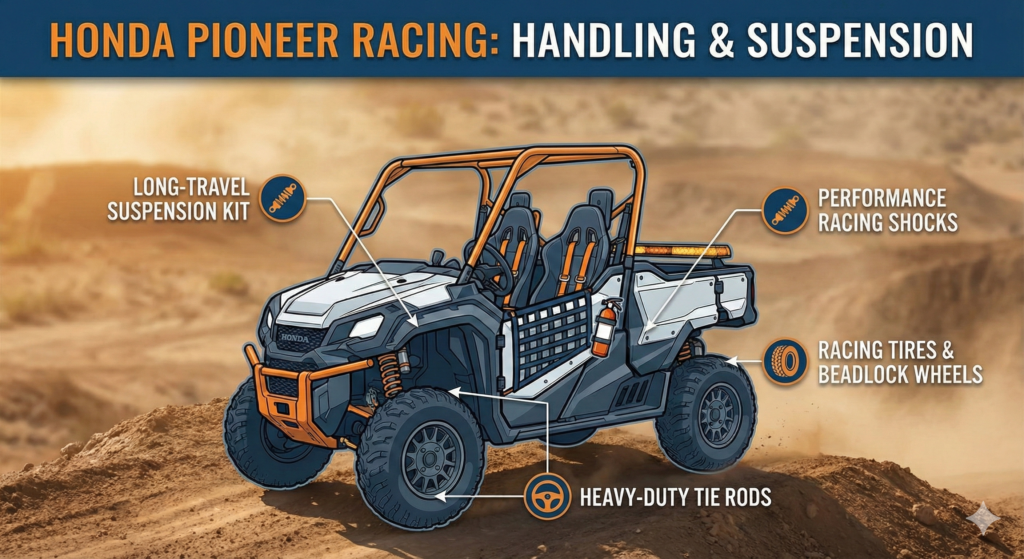
- Shocks and Springs: The stock suspension must be replaced with long-travel, fully adjustable race-spec shocks (e.g., Fox, King). These provide the necessary damping and travel to handle high-speed whoops and jumps without bottoming out.
- A-Arms and Axles: High-clearance A-arms and heavy-duty axles are essential to withstand the abuse of racing and prevent breakage.
- Steering: A heavy-duty steering rack and a steering quickener will improve handling and reduce the number of turns required for full lock, a huge advantage in tight sections.
3. Cooling and Reliability
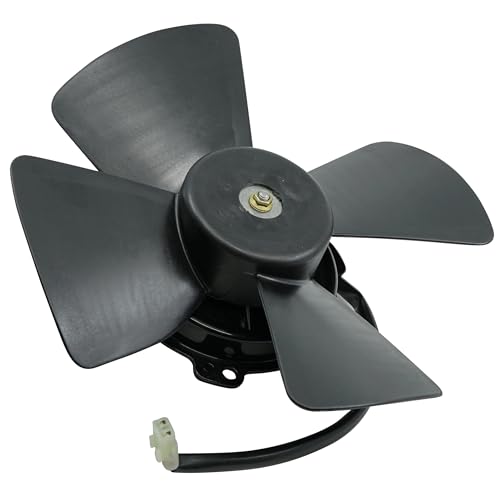
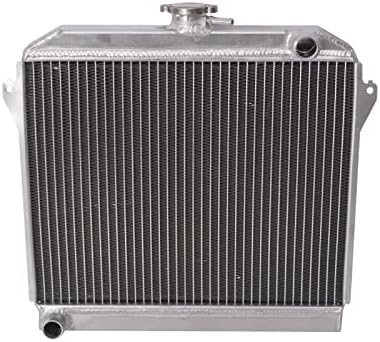
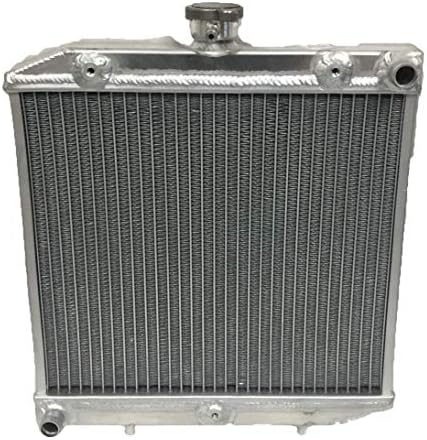
- Cooling System: Racing generates extreme heat. Upgrading to a larger, high-capacity radiator and installing an auxiliary oil cooler is crucial for maintaining optimal engine temperatures and preventing overheating failures.
- Skid Plates: A full set of heavy-duty UHMW or aluminum skid plates is mandatory to protect the undercarriage, drivetrain, and vital components from rocks and debris [4].
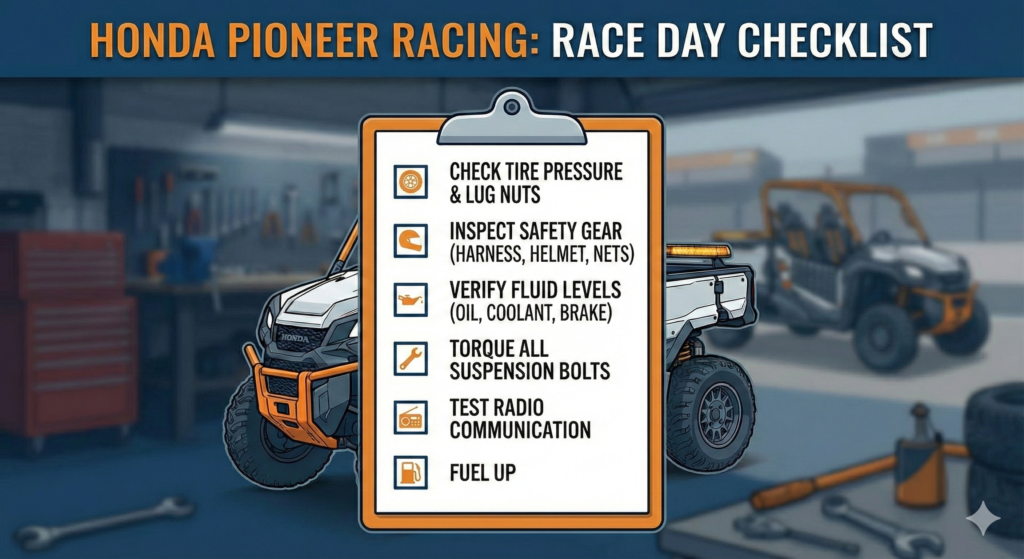
Phase 3: The Race-Day Checklist and Preparation
Preparation extends beyond the garage. A successful race depends on meticulous pre-race checks and a solid pit strategy.
1. Pre-Race Inspection
- Nut and Bolt Check: Every single nut and bolt on the vehicle must be checked and torqued to spec. Racing vibrations can loosen fasteners quickly.
- Fluid Check: All fluids (oil, coolant, brake fluid) must be fresh and at the correct level. Use high-quality racing-grade fluids.
- Tire and Wheel Inspection: Inspect tires for cuts, wear, and proper pressure. Check wheels for cracks or bends. Carry at least one mounted spare tire.
2. Navigation and Communication
- GPS and Tracking: Install a reliable GPS unit (e.g., Lowrance, Garmin) for navigation and a series-mandated tracking device. The co-driver is responsible for navigation, making a clear, shock-mounted display essential.
- Intercom System: A clear, noise-canceling intercom system is vital for communication between the driver and co-driver, allowing for quick decisions and warnings on the course.
3. Pit Strategy and Spares
- Pit Crew: A well-trained pit crew is as important as the vehicle itself. They should be familiar with quick-change procedures for tires, fuel, and minor repairs.
- Essential Spares: Carry critical spares in the vehicle, such as a spare belt (if applicable), tie rods, and basic tools. For the Pioneer’s DCT, carrying a spare clutch is not practical, but having the tools and knowledge to address common issues is key.
Conclusion: The Thrill of the Race
The Honda Pioneer racing series preparation is a testament to the versatility and underlying toughness of this machine. While it starts life as a utility vehicle, with the right safety modifications, performance upgrades, and meticulous preparation, the Pioneer can hold its own against purpose-built sport UTVs.
The challenge of racing a Pioneer is unique—it’s a blend of endurance, mechanical sympathy, and strategic driving. It’s about proving that reliability and utility can also be the foundation for high-performance motorsport. If you are ready to trade the quiet reliability of the farm for the adrenaline-fueled chaos of the race track, the Honda Pioneer is a surprisingly capable platform to begin your racing journey.
See you at the starting line.
References
[1] UTV Race Regulations Guide – General Safety Requirements
[2] Everything Honda Offroad – Honda Pioneer Engine Performance Mods
[3] Hess Motorsports – Naturally Aspirated Stage 2 Engine Performance Packages Honda Pioneer 1000
[4] Vessel Powersports – Top 5 Must-Have Parts for Your Honda Pioneer
[5] UTV Driver – UTV Racing Safety Gear Guide