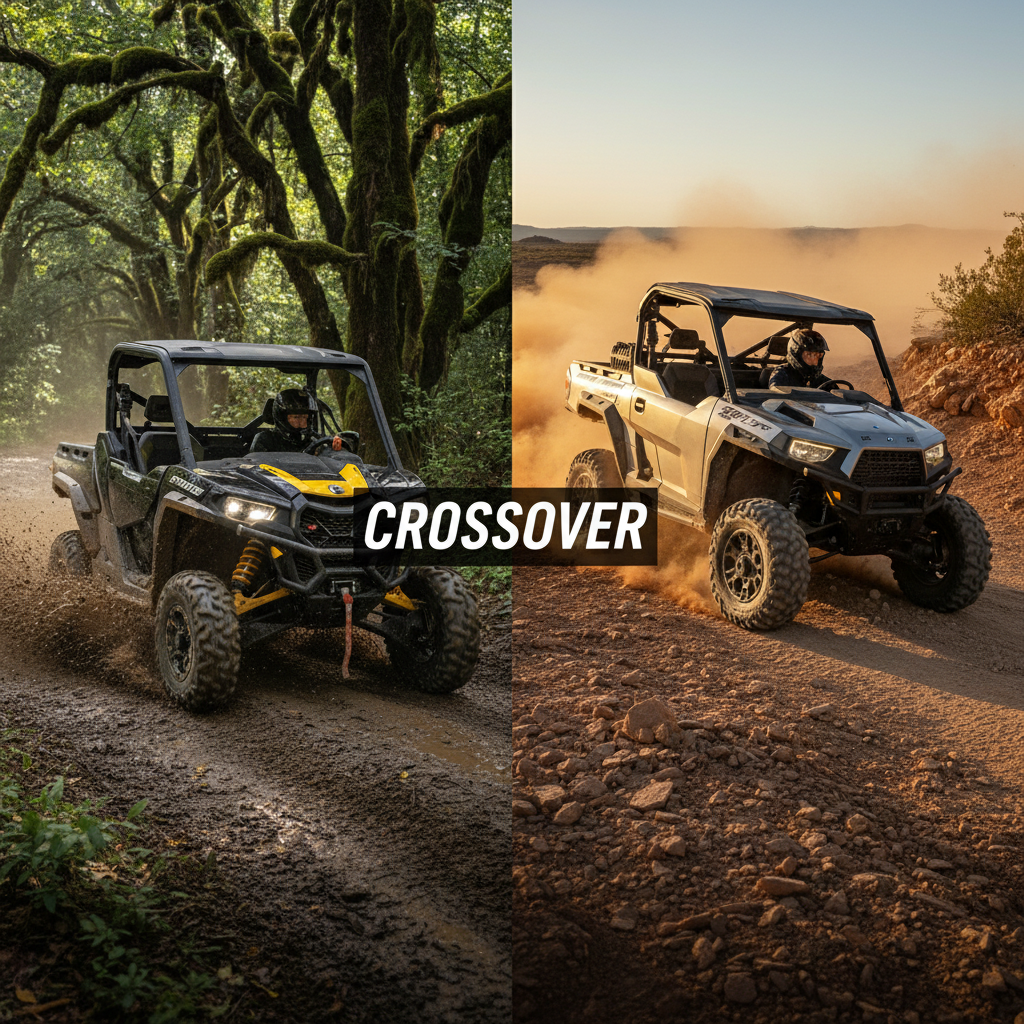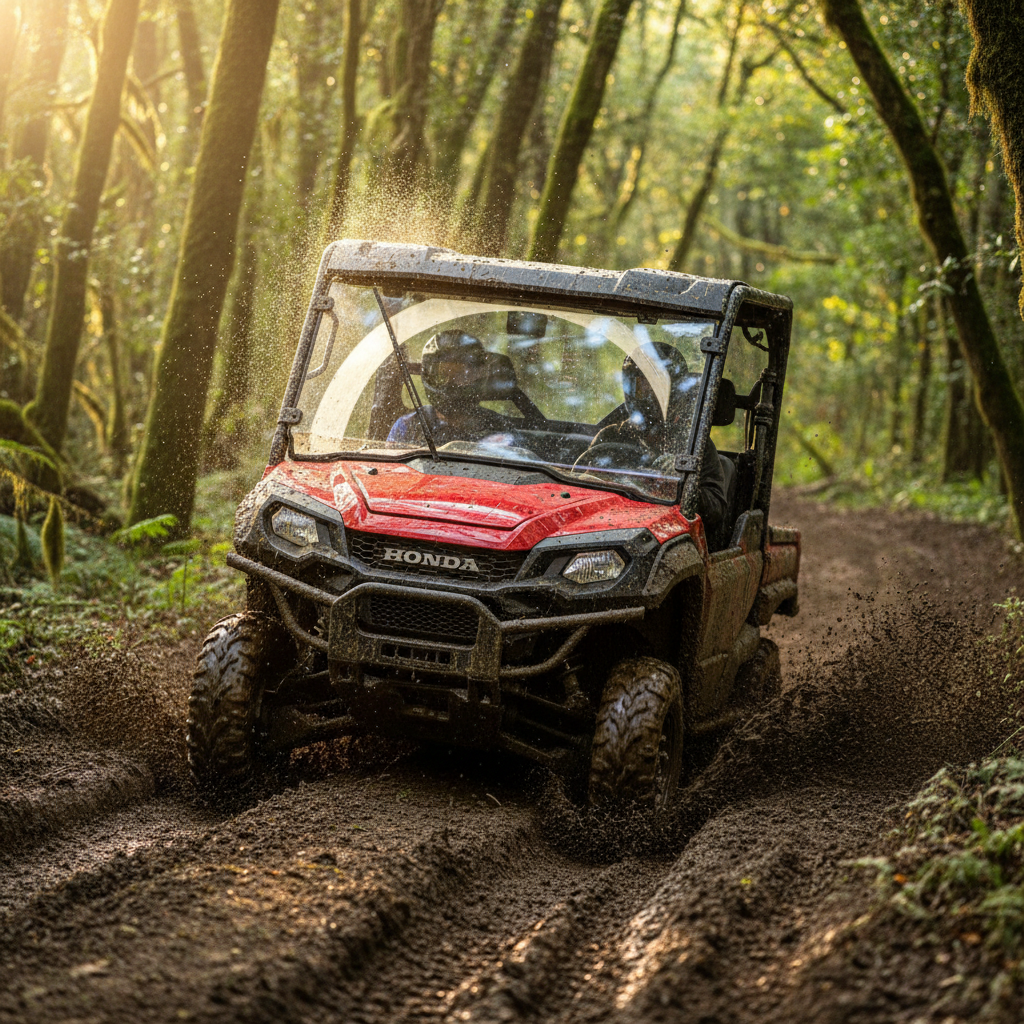


In the world of off-road endurance racing—think Baja 1000, King of the Hammers, or any 24-hour desert challenge—the spotlight is often on the race vehicle and its driver. But behind every triumphant finish is a team of unsung heroes, and their most critical tool is the endurance racing support vehicle. These are not just glorifies trucks; they are highly modifies, self-contained mobile workshops and communication hubs, often UTVs themselves, built to chase, repair, and resupply the race car in the most remote and hostile environments.
The role of a support vehicle, or “chase truck,” is to be the lifeline for the race team. It must be fast, reliable, and capable of carrying everything needed for a rapid, on-the-fly repair or pit stop. When the race vehicle is miles deep in the desert with a broken axle, the chase vehicle is the only thing standing between a DNF (Did Not Finish) and a comeback.
I’ve spent time with chase teams and seen the meticulous planning that goes into these builds. It’s a masterclass in organization and preparedness. This guide will walk you through the essential endurance racing support vehicle mods that transform a stock UTV or truck into the backbone of a winning race effort.
Phase 1: Communication and Navigation—The Lifeline
In the vastness of the desert, communication and accurate navigation are more critical than fuel. A support vehicle must be a rolling command center.
1. Advanced Communication Systems
- Race Radios: The standard is a high-power, reliable two-way radio system (often VHF or UHF) for vehicle-to-vehicle and vehicle-to-pit communication. Rugged Radios and PCI Race Radios are industry leaders, providing clear, noise-canceling communication even at high speeds [1].
- Satellite Communication: For areas outside of radio range, a satellite communication device (like an inReach or satellite phone) is mandatory for emergency contact and tracking.
2. Redundant Navigation
- Race GPS: The support vehicle must run the same GPS system as the race vehicle, pre-loaded with the course map, pit locations, and emergency extraction points. Devices like the Garmin Tread XL Baja Chase Edition are builtin specifically for this purpose [2].
- Backup Systems: A paper map and compass, along with a secondary GPS unit, are non-negotiable backups.
| System | Key Mod/Component | Purpose in Chase |
|---|---|---|
| Communication | High-power VHF/UHF Race Radio | Instant, clear communication with the race vehicle and pit crew. |
| Navigation | Race-spec GPS (e.g., Garmin Tread) | Accurate, real-time tracking of the race vehicle and course navigation. |
| Lighting | High-output LED Light Bars | Safe, high-speed travel in the dark and clear visibility for night repairs. |
| Fuel | Auxiliary Fuel Cells/Cans | Extended range and ability to refuel the race vehicle mid-course. |

Phase 2: Rapid Repair and Tool Organization—The Mobile Workshop
The primary function of a support vehicle is to facilitate rapid repairs. This requires a highly organized, secure, and accessible storage system for tools and spare parts.
1. Tool Storage and Organization
- Custom Tool Boxes: Tools must be secures to prevent shifting and damage during high-speed transit. Custom-built, lockable tool drawers and boxes are install in the bed or cargo area.
- Essential Spares: The vehicle must carry the most likely failure points for the race car: axles, tie rods, belts, fluids, and a spare tire for both the race car and the chase vehicle.
2. Power and Air
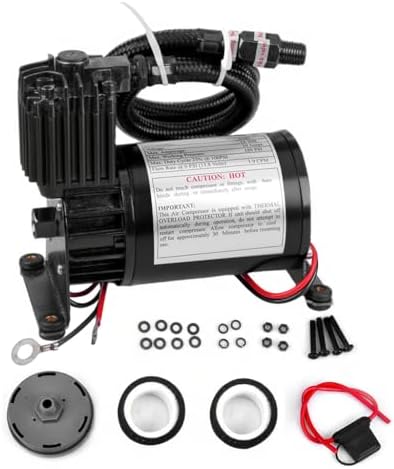
- Onboard Air Compressor: A high-capacity, onboard air compressor is essential for quickly changing tires, running air tools, and adjusting tire pressure.
- Power Inverter: A heavy-duty power inverter is need to run power tools, charge batteries, and operate sensitive electronics.
Phase 3: Vehicle Performance and Durability Mods
A support vehicle must be able to keep up with the race vehicle, often traversing the same brutal terrain. Durability and capability are paramount.
1. Suspension and Tires
- Heavy-Duty Suspension: The stock suspension must be upgraded to handle the massive payload of tools, fuel, and spares. Heavy-duty springs and re-valved shocks are necessary to maintain ride height and control.
- Tires: The chase vehicle needs extremely durable, puncture-resistant tires. Desert-rated radial tires with a high ply rating are the standard to minimize flats.
2. Lighting and Visibility
- Auxiliary Lighting: High-output LED light bars and pod lights are essential for safe night driving and for illuminating a repair site. These must be mounted to provide a wide, clear field of vision.
- Dust Lights: Amber or blue dust lights mounted high on the vehicle are mandatory for visibility in heavy dust conditions, ensuring the chase vehicle can be seen by other teams.
Phase 4: Crew Comfort and Endurance
Endurance racing is a marathon for the support crew as well. The vehicle must be modified to keep the crew functional and alert for days on end.
1. Seating and Storage
- Comfortable Seating: Upgraded, ergonomic seats with proper lumbar support are critical for the crew who spend countless hours in the vehicle.
- Secure Storage: Dedicated, secure storage for food, water, and personal gear is needed. A high-capacity cooler is a must for keeping the crew hydrated and fed.
2. Safety and Recovery
- Recovery Gear: A heavy-duty winch, recovery straps, and shackles are essential for recovering the race vehicle or the support vehicle itself.
- First Aid and Survival: A comprehensive trauma kit and survival gear (extra water, blankets, emergency beacons) must be carried, as the support vehicle is often the first responder in a remote incident.
Conclusion: The Backbone of the Team
The modifications for an endurance racing support vehicle are a fascinating study in applied engineering and logistics. These UTVs and trucks are the unsung heroes, the mobile pit stops that turn mechanical failure into a minor setback. They are built not for glory, but for the relentless pursuit of the finish line, embodying the spirit of teamwork and resilience that defines endurance racing.
If you are planning to join a race team, remember that your support vehicle is just as important as the race car. Mod it right, and you’ll be the hero that saves the day.
Keep your tools organized and your radio clear!
References
[1] Rugged Radios – Complete UTV Radio and Intercom Kits
[2] Garmin – Off-Road & Motorsports GPS
[3] Race-Dezert Forum – Chase Trucks- Ideas, Must Haves, Photos
[4] KC HiLiTES® – Race Truck and Chase Truck Walkarounds
[5] Foutz Motorsports – Chase Truck Builds