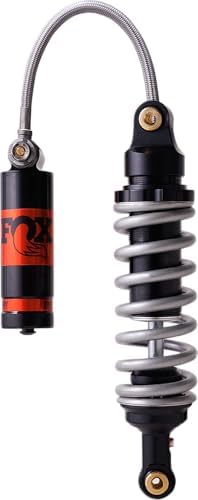
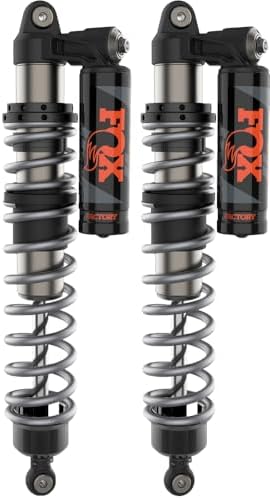
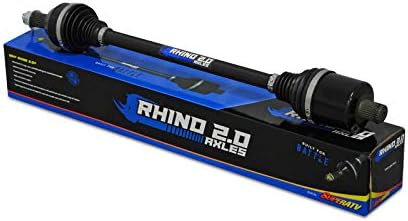


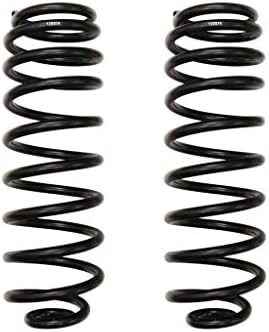

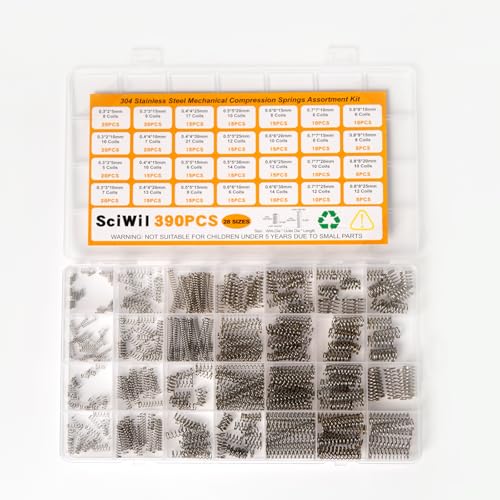
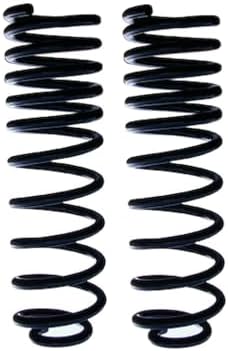


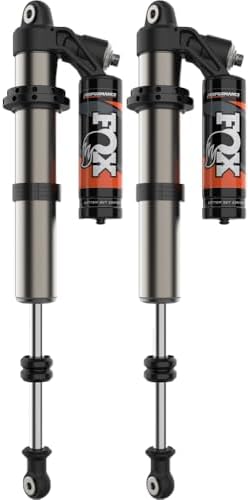

When it comes to how to improve fuel efficiency on honda atv, getting the right details matters. Before we dive into the dirt, check out these top-rated Amazon finds to get your rig trail-ready: Fox 2.5 Podium Shocks, SuperATV Rhino Axles, and Shockwave Dual Rate Spring Kits.
There is absolutely nothing quite like the feeling of your side-by-side soaking up a brutal whoop section without transferring every harsh impact straight into your spine.
As seasoned trail veterans, we know that factory suspension setups are always a compromise designed to meet a broad range of riders and strict price points.
When you start adding heavy camping gear, steel bumpers, winches, and larger tires, that delicate factory balance completely falls apart in the rough stuff.
This is exactly where dialing in your UTV suspension upgrades transforms a mediocre ride into an absolute trail-conquering machine.
Understanding the Basics of Shock Valving and Damping
The heart of any off-road suspension system lies within the internal valving of the shock absorbers.
Factory shocks typically use a very basic shim stack configuration that is tuned for comfort rather than high-speed impact absorption.
When you upgrade to aftermarket shocks, you gain access to complex piston designs that separate compression and rebound damping circuits.
Compression damping controls how fast the shock compresses when you hit a bump, while rebound damping controls how fast it extends back out.
If your rebound is too slow, the shock packs down and tops out on the next hit, resulting in a harsh and unpredictable ride.
If your rebound is too fast, the vehicle will wallow and bounce excessively through consecutive rough sections of the trail.
Recent 2026 telemetry data from desert racing shows that properly tuned rebound damping reduces driver fatigue by over forty percent on long endurance runs.
Upgrading your shock bodies from standard sizes to larger 2.5 inch diameters increases fluid capacity by over fifty percent, drastically reducing fade on long desert runs.
This extra fluid volume allows the shock oil to dissipate heat much more efficiently, keeping your damping characteristics consistent mile after mile.
According to the experts at UTV Driver, maintaining consistent shock temperatures is the single most important factor in high-performance off-road tuning.
Internal Floating Piston versus Emulsion Designs
When shopping for new shocks, you will quickly encounter the debate between internal floating piston and emulsion designs.
Emulsion shocks rely on the shock oil and nitrogen gas mixing together in a single chamber, which is fine for casual trail riding.
However, under heavy use, the gas bubbles mix into the oil and create a foamy consistency that completely ruins the damping performance.
An internal floating piston, or IFP, uses a physical barrier to separate the pressurized nitrogen from the shock oil.
This separation prevents aeration and ensures that the hydraulic fluid remains incompressible, giving you a incredibly crisp and predictable feel.
For serious overlanders and trail riders carrying heavy loads, an IFP shock is an absolute necessity for maintaining control.
Running a negative offset wheel without upgrading your tie rods and adjusting your bump steer is basically asking for a snapped component on the first rocky ledge you hit.
Changing your wheel offset alters the scrub radius and puts immense leverage on your steering components, which must be addressed during a suspension overhaul.
Mastering Spring Rates and Dual-Rate Setups
Shocks control the motion, but the springs support the weight of the vehicle and determine the ride height.
When you add a heavy steel front bumper, a winch, and a roof tent, the factory springs will sag and ruin your suspension geometry.
Upgrading to a higher spring rate compensates for this added weight and restores your factory ride height and travel.
However, a spring that is too stiff for the rear of the vehicle will result in a incredibly harsh ride when you are running empty.
This is where dual-rate spring setups come into play, offering the best of both worlds for heavily loaded camping rigs.
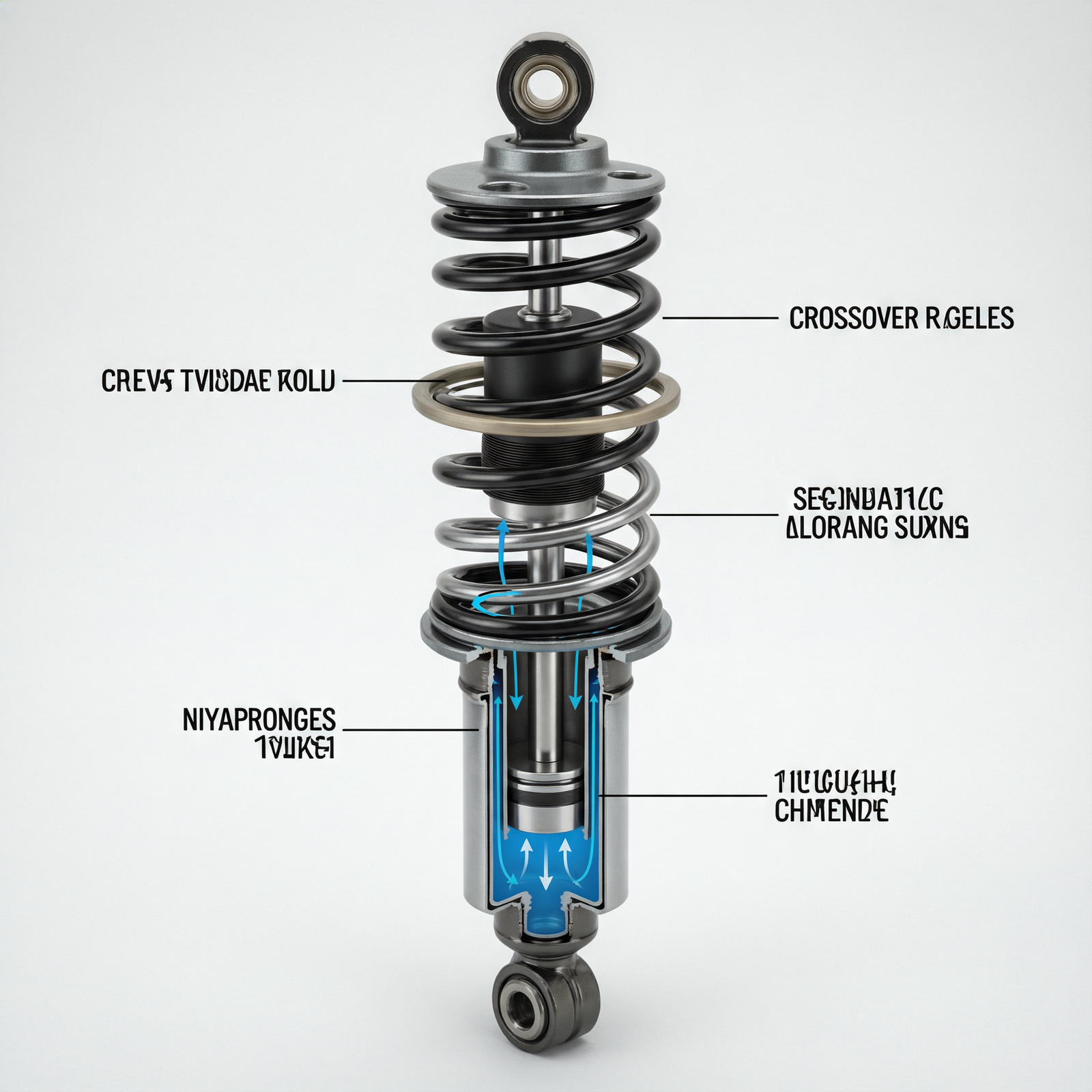
A dual-rate setup uses a main spring and a lighter secondary spring, separated by an adjustable crossover ring.
Under normal conditions, both springs compress together to provide a plush and comfortable ride over small trail chatter.
When you hit a large bump or carry a massive cargo load, the crossover ring engages and the stiffer main spring takes over to prevent bottoming out.
Properly tuning your crossover rings ensures the secondary spring engages exactly when you need it to prevent bottoming out under heavy camping loads.
The overlanding community heavily relies on this technology, as detailed in the comprehensive guides at Overland Journal.
Check out our off-road collection Amazon products
Adjusting the position of the crossover ring allows you to fine-tune exactly when the secondary spring rate engages based on your specific cargo weight.
Bleeding your shocks with high-quality nitrogen rather than standard compressed air eliminates cavitation and keeps the damping consistent at extreme temperatures.
Standard air contains moisture that can expand and contract unpredictably, whereas dry nitrogen provides a stable and consistent pressure curve.
Suspension Geometry and Unsprung Weight
Suspension upgrades are not just about the shocks and springs, but also about the geometry and the weight of the moving components.
Unsprung weight refers to the mass of the wheels, tires, axles, and hubs that are not supported by the suspension springs.
Reducing unsprung weight allows the suspension to react much faster to trail imperfections, keeping the tire planted on the ground.
Upgrading to lightweight aluminum wheels and removing heavy steel hubcentric rings can dramatically improve your suspension response.
Furthermore, ensuring your A-arms are perfectly parallel to the ground at static ride height is crucial for maintaining proper camber curves.
If your A-arms are angled incorrectly, the tire will tuck under the vehicle during compression, drastically reducing your contact patch.
Lift kits can sometimes ruin this geometry if they are not designed with proper drop brackets or extended ball joints.
Always consult with the technical staff at Side by Side Magazine before installing a massive lift kit to ensure your geometry remains intact.
Bump steer is another critical geometry issue that occurs when the tie rod and the A-arm move in different arcs during suspension travel.
This causes the wheels to toe in and out as the suspension cycles, making the vehicle feel incredibly twitchy and dangerous at speed.
Adjusting the height of your tie rod mounts or using aftermarket tie rods with corrected angles will eliminate this dangerous phenomenon.
As the saying goes on the trail, a vehicle that wanders all over the place is a vehicle that is going to end up in a ditch.
“Suspension isn’t just about going bigger; it’s about going smarter with your damping curves.”
Let us take a look at some common specifications when upgrading from a stock setup to a premium trail-ready configuration.
Check out our off-road collection Amazon products
| Component | Stock Spec | Upgrade Spec |
|---|---|---|
| Shock Body Diameter | 1.5 inch | 2.5 inch |
| Front Spring Rate | 150 lb/in | 200 lb/in |
| Suspension Travel | 10 inches | 14 inches |
| Shock Fluid Type | Standard Hydraulic | High-Temp Synthetic |
This table illustrates just how much of a difference proper component selection makes in the overall capability of your machine.
When you combine larger shock bodies with stiffer springs and increased travel, you completely transform the personality of the vehicle.
It is also vital to remember that your suspension components are only as good as the mounting points they attach to.
Worn A-arm bushings, loose pivot bolts, and degraded ball joints will introduce slop into the system and ruin the feel of expensive shocks.
Always inspect and replace these wear items before installing your new suspension components to ensure a tight and precise feel.
The mechanics at ATV.com always emphasize that a solid foundation is the key to a long-lasting suspension setup.
Another often-overlooked aspect of suspension tuning is the importance of limiting straps and bump stops.
Limiting straps prevent the suspension from over-extending and popping the CV axles out of their housings during extreme articulation.
Progressive rubber bump stops cushion the final inches of suspension compression, preventing a harsh metal-on-metal impact that can bend components.
Tuning the length of your limiting straps and the durometer of your bump stops is the final step in perfecting your ride.
It is a meticulous process that requires patience, but the rewards on the trail are absolutely immeasurable.
“The best upgrade you can make is the one that keeps all four tires planted on the dirt.”
Ultimately, building the perfect off-road rig is a deeply personal journey that reflects your specific riding style and camping needs.
Whether you are crawling over technical rock ledges or bombing through high-speed desert washes, your suspension is your lifeline.
Investing in high-quality components and taking the time to tune them properly will pay dividends every time you drop the hammer.
So grab your shock pump, hit the trails, and do not be afraid to click those compression adjusters to find your perfect sweet spot.
Happy trails, stay safe, and keep the rubber side down!
“Tuning your suspension is a continuous conversation between the machine and the terrain.”
For more insights on maintaining your rig, check out the fantastic resources at Rider Magazine.
Remember that every trail is different, and what works perfectly in the mud might be too stiff for the sand.
Do not be afraid to make adjustments on the fly using your external compression and rebound knobs.
Modern aftermarket shocks make this incredibly easy, allowing you to adapt to changing conditions without even needing tools.
This adaptability is what separates the casual weekend warriors from the true seasoned trail veterans.
Keep your tools sharp, your fluids clean, and your passion for the outdoors burning bright.
We will see you out on the dirt, where the real magic happens.
🔍 Explore More: See all Wild Testing guides for how to improve fuel efficiency on honda atv.
Check out our off-road collection Amazon products