
- Removes Bacteria & Parasites: The Microfiltration Membrane Removes 99.999999% of Waterborne Bacteria (Including E. Coli …
- Removes Microplastics: Removes the Smallest Microplastics Found in the Environment (Down to 1 Micron), and Reduces Turbi…
- Rigorous Testing: All Claims Are Verified with Laboratories Using Standard Testing Protocols Set by the US EPA, NSF, AST…

- Stainless Steel: Lightweight, sharp, and easy to clean. Made from food-grade, 18/8 stainless steel material, offer excel…
- Upgrade Carry Case: Add the elastic band to prevent the cutlery from rattling while in transit and ensures your bag will…
- 5 PCS Utensils Set: The minimalist set comes with an adult-sized fork, spoon, knife, chopsticks, and carrying case. The …

- Multipurpose Knife Set: This kitchen knives set includes 8″ Chef Knife, 8″ Slicing Knife, 7″ Santoku Knife, 8″ Serrated …
- Anti-rust coating: The healthy anti-rust coating protects the knife from oxidation and dishwasher safe, while the non-st…
- Easy to carry: Each knife comes with a blade guard for safe, compact storage in your kitchen cupboard. These knives are …
Let us dive into why the V6 family hauler is actually a secret overlanding weapon. 🚙
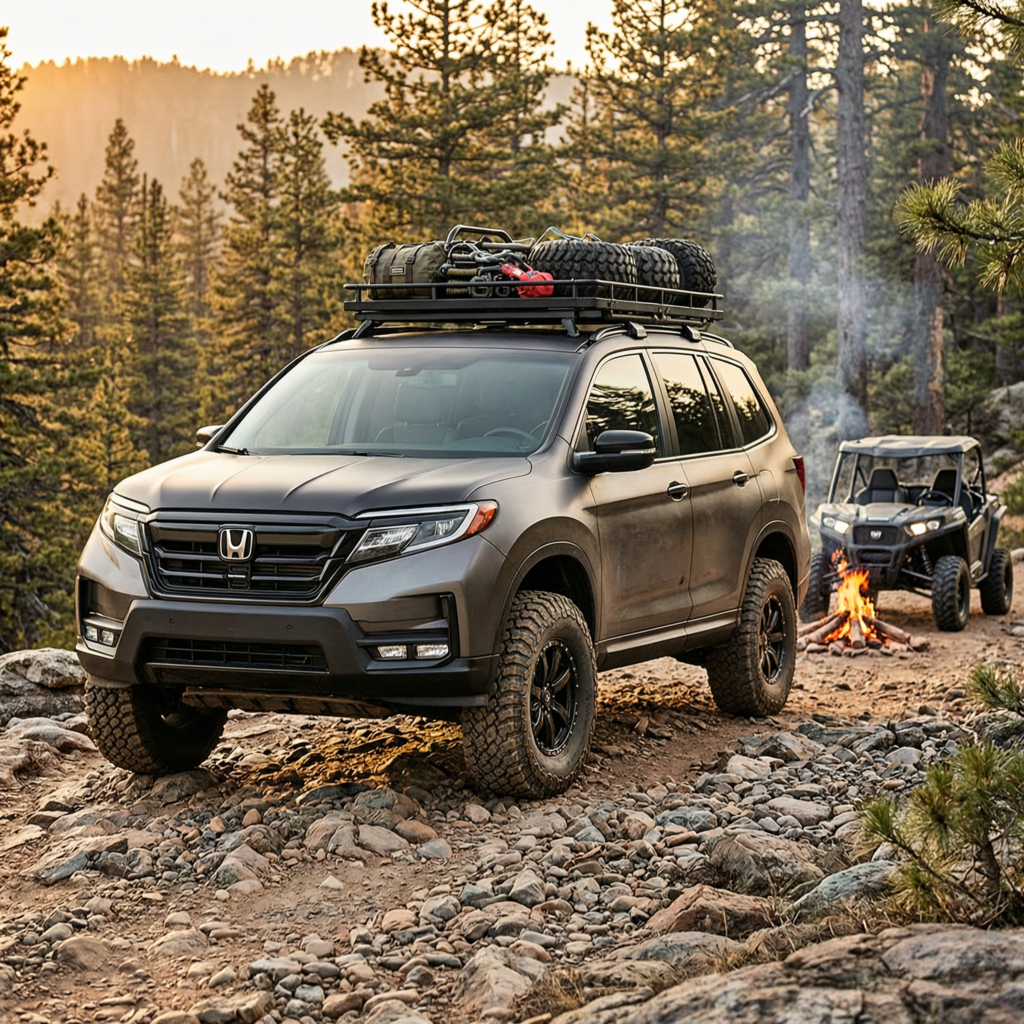
Most people completely underestimate the rugged capabilities hidden beneath the unibody chassis of this SUV. When you start researching an overlanding Honda Pilot build, you will quickly realize that this vehicle is far more than just a grocery getter. When you strip away the minivan stigma, you find a remarkably capable, highly intelligent machine ready for deep backcountry exploration.
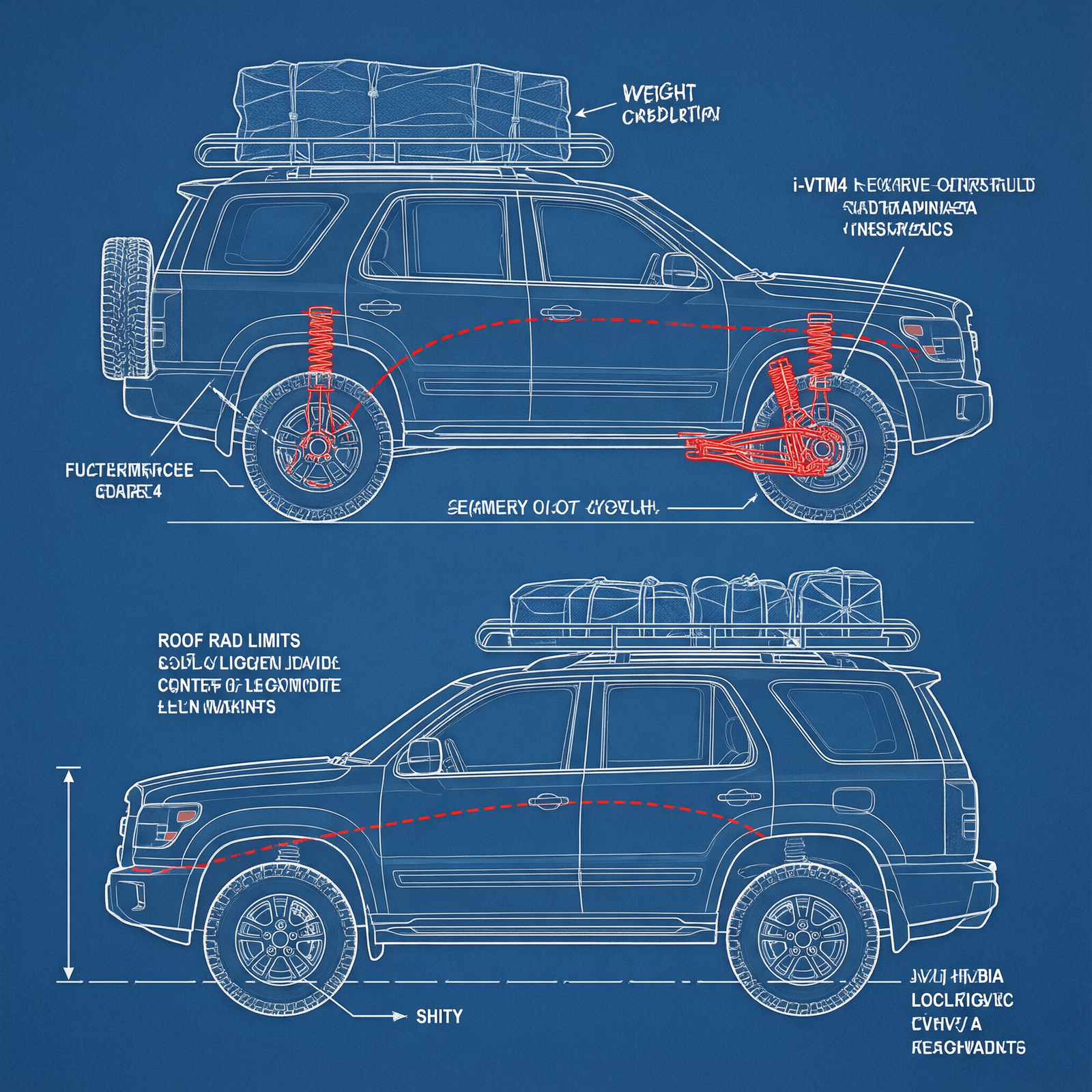
At the heart of this platform lies the legendary J35 V6 engine, producing a highly reliable 285 horsepower and 262 pound-feet of torque. This naturally aspirated powertrain provides more than enough grunt to haul a roof-top tent, a fridge slider, and all your recovery gear up steep mountain grades. Furthermore, this powertrain provides more than enough low-end grunt to haul your gear and pull a lightweight trail toy.
Speaking of trail toys, this setup is absolutely perfect for towing a Pioneer 700 UTV directly to the trailhead. 🏕️ You get the weather-sealed, multi-row comfort of a premium SUV combined with the utility of a dedicated off-road rig.
Let us break down the exact mechanical, logistical, and aftermarket upgrades you need to transform this daily driver into a wilderness-ready basecamp.
Unlocking the i-VTM4 all-wheel-drive potential requires serious mechanical sympathy. ⚙️
The foundation of any successful overlanding Honda Pilot is understanding its drivetrain. The intelligent Variable Torque Management (i-VTM4) all-wheel-drive system is an absolute masterpiece of automotive engineering. Unlike traditional open differentials that send power to the wheel with the least traction (which leaves you stuck in the mud), this system actively vectors torque based on slip and throttle input.
In demanding off-road situations, the i-VTM4 system can send up to seventy percent of the engine’s power directly to the rear axle. Even better, an electromagnetic clutch pack allows it to route one hundred percent of that rear torque to either the left or right rear wheel independently. This mimics the aggressive locking differential behavior you would expect from a high-end side-by-side or a heavily modified solid-axle truck.
To maximize this technology, you must ensure your tire pressures are perfectly balanced for the specific terrain. Running slightly lower pressures (airing down) increases the contact patch, smooths out the ride, and allows the ABS-driven traction control to work its magic without excessive wheel spin. Be sure to check out our guide on off-road tire pressures for optimal trail setups.
Suspension upgrades are absolutely mandatory when you load this rig with heavy overlanding cargo. 🏔️
The stock MacPherson strut front and multi-link rear setup is tuned primarily for highway comfort and suburban handling. When you add a 150-pound roof tent, a 60-pound fridge, and a few hundred pounds of recovery gear, the factory springs will completely bottom out, leading to premature wear and terrible handling.
You need to install progressive rate coilovers or high-quality lift struts that can handle the extra static weight without sacrificing down-travel and articulation. Look for adjustable damping systems that let you stiffen the rebound for washboard forest roads, preventing the vehicle from bucking over rapid bumps.
In 2026, we are seeing a massive trend toward active electromagnetic damping in the overlanding sector. These smart shocks adjust their valving in milliseconds based on terrain feedback from the chassis sensors. While still pricey, dropping an active setup or a premium 1.5-inch lift kit on your hauler will completely revolutionize your off-road comfort and capability.
Dialing in the suspension geometry prevents catastrophic CV joint failure on the trails. 🛠️
Lifting the vehicle by two inches fundamentally changes the operating angles of your constant velocity (CV) axles. If you ignore this critical detail, the inner CV joints will bind, overheat, and eventually snap when you hit full compression on a rocky trail.
You must upgrade to aftermarket axles specifically designed for lifted applications with increased plunge travel, or keep your lift under 2 inches to maintain factory geometry. Adding a set of polyurethane differential bushings will also eliminate the dreaded axle wrap under hard acceleration, ensuring you don’t snap a half-shaft when trying to crest a steep hill.
This keeps the drivetrain geometry stable when you are crawling over massive granite boulders. Always remember that suspension travel is useless if your geometry binds at the extremes of the stroke.
Check out our off-road collection Amazon products
Roof rack dynamics and aerodynamic drag will dictate your fuel economy on long highway stretches. 🌲
The factory roof rails are strong, but they are not designed to handle the dynamic loads of heavy overlanding gear. You need to install a dedicated low-profile crossbar system or a full roof platform with a high static and dynamic weight rating.
Wind noise at seventy miles per hour can be absolutely deafening if you use a bulky, square-tubing basket-style rack. Stick to aerodynamic crossbars and mount your recovery boards flush to minimize the frontal drag area. A roof top tent is amazing for quick deployments, but remember that it raises your center of gravity significantly.
You will need to take technical off-camber trails much slower to prevent the chassis from feeling top-heavy. If you are in the market for gear, read our breakdown of the best rooftop tents for SUVs to find the perfect match for your rig.
| Rack Component | Weight Capacity (Dynamic) | Aerodynamic Impact |
|---|---|---|
| Low-Profile Crossbars | 150 – 165 pounds | Minimal drag increase |
| Full Basket System | Up to 200 pounds | 15% fuel economy drop |
| Flat Tent Platform | 300+ pounds | Moderate wind resistance |
Check out our off-road collection Amazon products
SHOP THE COLLECTIONPower management and twelve-volt electrical systems are the lifeblood of a modern basecamp. 🔋
The factory alternator on the J35 V6 puts out a robust 150 amps of charging current. This is more than enough to run a fifty-liter compressor fridge, camp lights, and charge your auxiliary batteries simultaneously while driving down the highway.
However, you should never wire high-draw accessories directly to the factory starting battery. Install a dual-battery isolator or a smart battery-to-battery (DC-to-DC) charger to protect your main electrical system and ensure your Pilot always starts on the trail.
The 2026 overlanding trend is heavily shifting toward solid-state lithium iron phosphate (LiFePO4) battery banks. These new cells offer incredible energy density, weigh a fraction of lead-acid batteries, and completely eliminate the risk of thermal runaway. Mount your power station securely in the cargo area and run marine-grade tinned copper wire through the firewall.
Integrating UTV-grade lighting solutions will illuminate the darkest backcountry trails. 💡
Just like we wire a Pioneer 1000 for massive LED light bars, you can easily adapt those same principles to the SUV. Use a dedicated relay block, an inline fuse, and a heavy-duty switch panel to control your auxiliary off-road lights cleanly from the driver’s seat.
Make sure to route the wiring through waterproof connectors and use adhesive-lined heat shrink to seal every single connection against water crossings and dust. A good set of pod lights mounted on the roof rack will provide incredible scene lighting for your camp, while ditch lights help with tight forest trails.
Do not forget to install a rock light kit underneath the chassis to illuminate trail obstacles at night and make backing up in the dark stress-free. Proper lighting is not just about seeing the trail; it is about being seen by other vehicles in your convoy.
“True overlanding is not about the vehicle badge, it is about the mechanical sympathy and preparation you bring to the trailhead.”
Cargo organization and interior modularity maximize your living space in the wilderness. 🏕️
The third-row seats fold completely flat to create a massive cargo cavern for your gear. However, throwing loose duffel bags into the back will result in a chaotic mess after just one day on the dirt. Every time you need a jacket, your entire kitchen will collapse.
Recommended Insights From Our Guide Library:
Invest in a modular drawer system that locks your equipment securely in place during aggressive off-road driving. You can use the lower drawers for heavy items like tools, spare parts, and recovery gear to keep the center of gravity low.
The upper platforms are perfect for your kitchen setup, water jugs, and portable power stations. This organization system turns the back of the SUV into a highly functional mobile workshop and kitchen, saving you hours of unpacking at camp.
Maximizing the cargo volume requires strategic thinking and strict weight management. 📌
You have over one hundred cubic feet of space with the rear seats folded down. But volume means nothing if you exceed the payload capacity of the chassis and suspension. Always weigh your rig at a local CAT scale before heading deep into the backcountry to ensure you are safe and within GVWR limits.
Keep the heaviest items (water, tools, fridges) as close to the center of the vehicle and as low to the floor as possible. This strategic loading prevents the rear axle from sagging, reduces body roll, and maintains the front-end geometry for accurate steering.
Proper weight distribution keeps the center of gravity low, preventing the dreaded overlanding sway on washboard forest roads and high-speed desert whoops.
Tire selection and unsprung weight considerations will make or break your off-road experience. 🛞
Do not just slap the largest mud-terrain tires you can find onto the factory wheels. The wheel wells on this SUV simply do not have the clearance for massive thirty-five-inch rubber without severe rubbing on the strut or inner fender liner at full lock.
Stick to a conservative 255/55R18 or a slightly taller 245/65R17 all-terrain tire for the perfect balance of size, clearance, and gearing. Look for tires with a robust three-ply sidewall (Load Range C or D) to prevent punctures from sharp rocks and hidden stumps.
Remember that every extra pound of unsprung weight at the wheel hub drastically reduces your suspension performance, making the ride harsher and increasing wear on your wheel bearings.
Lighter wheels (such as forged aluminum or high-quality flow-formed alloys) and lighter tires will allow the shocks to react faster and keep the chassis composed over rough, undulating terrain.
Calculating the rotating mass ensures your V6 engine can breathe and accelerate properly. ⚙️
Heavier tires act like a massive flywheel, stealing acceleration, increasing braking distance, and putting extra strain on the 9-speed automatic transmission. If you want to run slightly larger all-terrain tires, you should consider a mild ECU tune or a throttle controller to adjust the shift points.
This helps the transmission hold the correct gear when climbing steep, rocky inclines with a heavy load, preventing excessive gear hunting. Always carry a high-quality portable air compressor (like a Viair 400P) and a complete tire repair kit in your cargo drawers.
Check out our off-road collection Amazon products
Being able to air down for the trail to increase traction and air back up for the highway to prevent tire squirm and overheating is a fundamental overlanding skill.
Recovery gear and emergency preparedness are non-negotiable for deep backcountry exploration. 🚨
Never leave the pavement without a proper recovery kit tailored to the weight of your specific vehicle. Because the Pilot is a unibody crossover, you cannot mount a traditional 12,000lb winch to a steel front bumper. Instead, utilize a hitch-mounted winch or rely on kinetic recoveries.
You need a kinetic recovery rope rated for at least double the gross vehicle weight of your loaded SUV (aim for a 5/8-inch or 3/4-inch rope). Include a set of heavy-duty soft shackles (never use steel D-rings on a unibody tow hook), a high-lift jack or exhaust air jack with a safe base plate, and rugged traction boards.
Always carry a comprehensive first aid kit, extra water, and emergency communication devices like a Garmin inReach satellite messenger. The wilderness is unforgiving, and your preparation is the only thing standing between a great adventure and a disaster.
Maintaining your rig ensures it will reliably take you back home after every epic trip. 🔧
Post-trip maintenance is just as important as the modifications you make before you leave. Crawl under the vehicle and inspect your aluminum or steel skid plates for deep gouges, cracks, or loose mounting bolts that could rattle their way out on the trail.
Check the CV joint boots for any tears or grease leaks caused by the increased suspension articulation. Clean or replace your engine air filter thoroughly, as dusty backcountry trails can clog it much faster than highway driving.
Wash the undercarriage to remove corrosive mud, trail grime, and road salt that can eat away at your suspension components and subframe. Treat your machine with respect, adhere to shorter fluid change intervals, and it will reliably carry you into the most remote corners of the map.
Check out our off-road collection Amazon products
SHOP THE COLLECTIONEmbrace the journey and let the open trail dictate your ultimate overlanding destiny. 🌲
Building the perfect overlanding Honda Pilot is a continuous journey of learning, tweaking, and improving. Every trail you drive will teach you something new about your vehicle’s capabilities and your own mechanical limits.
Do not be afraid to experiment with different tire sizes, suspension setups, and cargo layouts until you find the exact configuration that suits your adventure style.
Community Reference & Authority Resources:
Whether you are hauling a Pioneer UTV to the dunes or just exploring solo forest service roads, the memories you make are what truly matter. Get out there, wheel hard, camp under the stars, and never stop exploring the wild backcountry. 🏕️
🔍 Explore More: See all Wild Testing guides for the best camping setups for Honda Pilot overlanding.
Check out our off-road collection Amazon products
Community Reference & Authority Resources:
- Removes Bacteria & Parasites: The Microfiltration Membrane Removes 99.999999% of Waterborne Bacteria (Including E. Coli …
- Removes Microplastics: Removes the Smallest Microplastics Found in the Environment (Down to 1 Micron), and Reduces Turbi…
- Rigorous Testing: All Claims Are Verified with Laboratories Using Standard Testing Protocols Set by the US EPA, NSF, AST…

- Iron
- Made in China
- Carabiner Clips Product Include : 6pcs nonlocking carabiner clips , 6pcs keyrings.
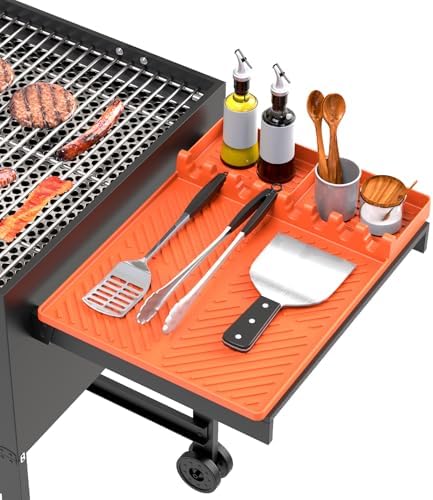
- Practical Size and Design: Our large size 16×11.5″ silicone spatula mat, is perfect for your grilling needs. Use it as a…
- Premium Food-Grade Material: Crafted from food-grade silicone, our griddle tools mat is durable, flexible, and smooth. I…
- Versatile and Upgraded Design: Our upgraded silicone spatula mat features a larger size of 16×11.5″ with 8 slots, provid…
🔍 Explore More: See all guides for Honda Pioneer.