





When it comes to best high ticket rugged navigation setup for long distance SxS trips, getting the right details matters.
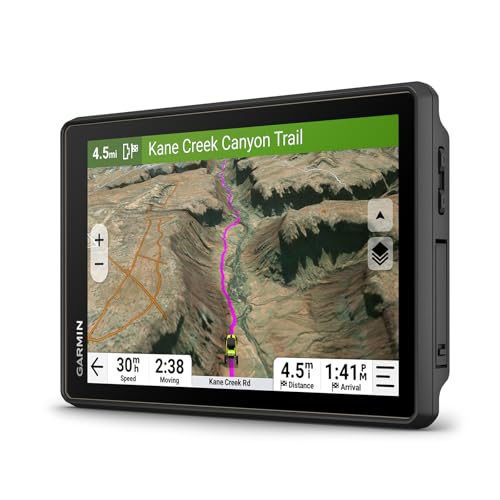
- Garmin Tread 2 SxS Edition (7-Inch)
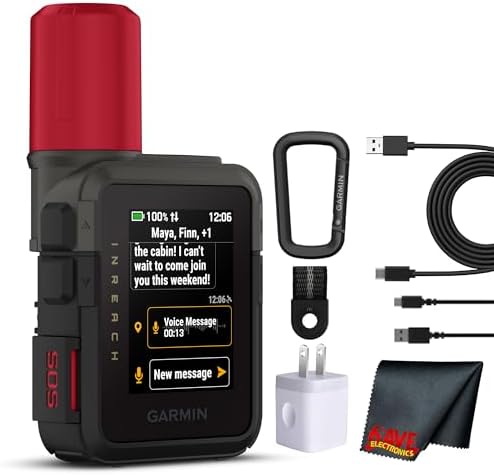
- Garmin inReach Messenger 2
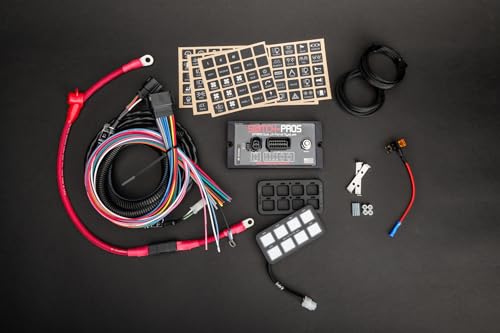
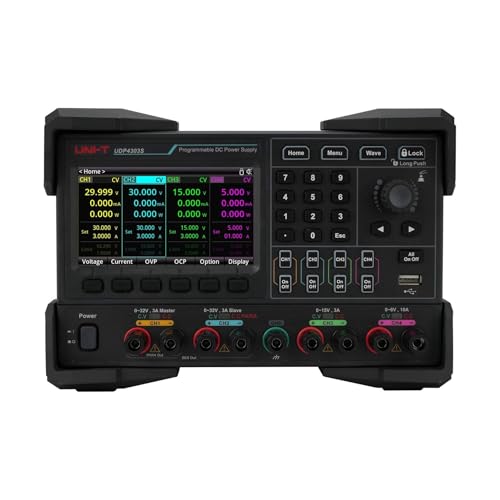
- Switch-Pros SP9100 Solid State Power Panel
Consumer electronics were engineered for climate-controlled environments, not the violent, dust-choked reality of backcountry expeditions. Strapping a standard tablet to a UTV dash creates a critical failure point. This breakdown details the precise physics behind trailside hardware destruction and outlines the definitive high-ticket stack required to maintain navigation, communication, and electrical stability miles from civilization.
The Technical Reality: Why Consumer Electronics Catastrophically Fail on the Trail
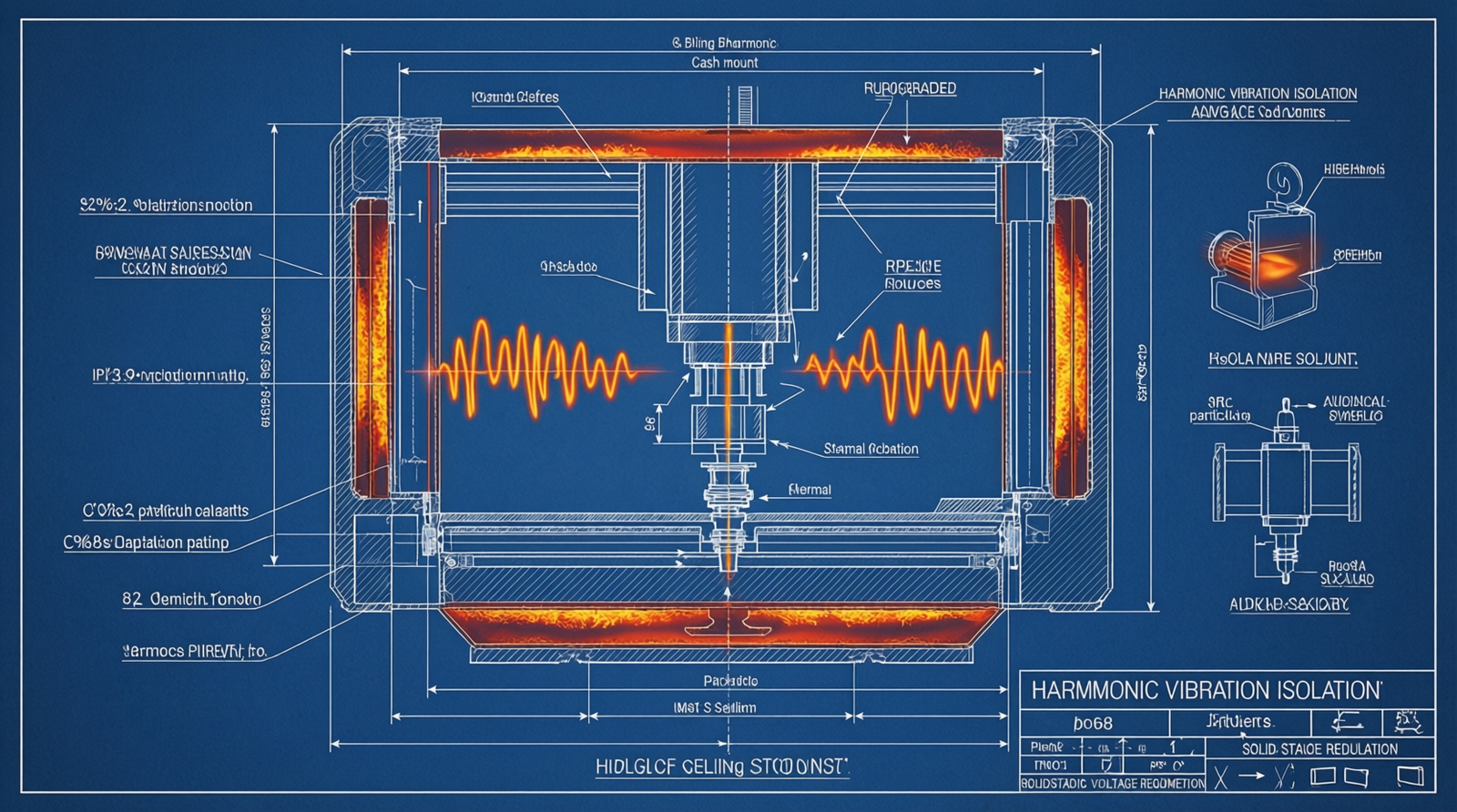
High-Frequency Harmonic Resonance & BGA Shear Failure
Rigid-chassis and single-seat SxS platforms generate continuous 12Hz to 18Hz vertical vibrations on corrugated dirt roads. When hitting whoops at speed, cheap plastic mounts hit their resonant frequency, creating cyclic shear stress that exceeds material yield strength and causes catastrophic structural snapping.
Inside the device, these micro-vibrations induce BGA solder joint micro-cracking on the motherboard, resulting in sudden power loss or a completely dead screen precisely when you need to locate the trailhead.
Fine Silicate Dust Ingress (<50 Microns) & Capacitive Screen Shorting
Off-road environments produce silicate dust under 50 microns in size, which behaves like a gas and penetrates non-IP68 sealed bezels and standard USB-C ports. When ambient humidity increases or light rain occurs, accumulated dust forms a conductive layer on the screen surface, causing ghost touching, unresponsive inputs, or total capacitive failure.
Packing a standard charging port with silt ruins the connection, forcing tedious trailside cleaning with compressed air and isopropyl alcohol just to restore power.
Thermal Runaway & Solar Load Blackouts
Check out our off-road collection Amazon products
Direct solar radiation exceeding 1000 W/m² combined with heavy CPU loads from topographical mapping pushes internal temperatures past 45°C (113°F). Sitting in open desert sun while processing GPS data generates massive internal heat that consumer devices cannot effectively shed.
This triggers thermal protection protocols designed to prevent battery swelling or fire, forcing the screen to dim to unreadable levels or shutting the unit down entirely, leaving drivers blind to the trail ahead.
Stator Voltage Spikes (15V–17V+) & PMIC Motherboard Fry
UTV stators and voltage regulators frequently output 15V to 17V+ spikes during high-RPM operation or deep battery discharge events. Plugging navigation gear directly into factory USB ports or cheap 12V adapters bypasses adequate voltage regulation, allowing these dirty, unstable spikes to instantly fry the internal Power Management IC.
The direct result is turning an expensive GPS into a useless brick mid-expedition.
The Core Gear Architecture: The 2026 High-Ticket Solution Stack
Primary Navigation: Garmin Tread 2 SxS Edition (7-Inch)
This unit features IPX7 water resistance, MIL-STD-810H testing for thermal shock and vibration, and an operating range of -20°C to 55°C. It is physically engineered to survive the exact thermal runaway and water ingress hazards that destroy consumer tablets. The 1000-nit sunlight-readable touchscreen remains perfectly visible in direct desert sun, while its multi-band GNSS receiver guarantees sub-meter accuracy under heavy canopy. Crucially, the sealed screw-on power cable entirely prevents sub-50 micron silt ingress common in standard USB-C devices.
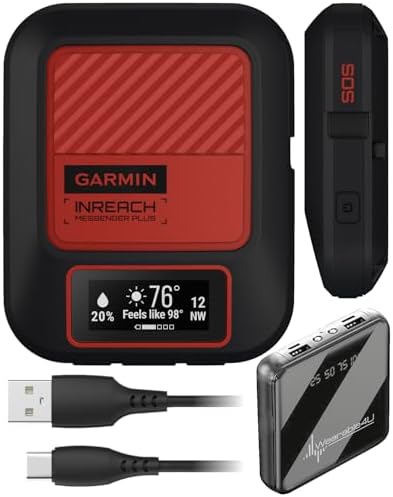
Satellite Communicator: Garmin inReach Messenger 2
Operating on the global Iridium network, this device offers a 28-day battery life in tracking mode and maintains an IPX7 rating. You gain reliable two-way messaging and interactive SOS capabilities anywhere on the planet without worrying about battery depletion on extended trips. The physical SOS button equipped with a hard-cover flap acts as a critical safety barrier, preventing accidental emergency deployment during high-G rollovers or cabin gear shifts.
Mounting System: Rugged Radios / BajaKits CNC 6061-T6 Billet Aluminum Dash Mount
Recommended Insights From Our Guide Library:
- Mastering Off-Road Navigation: Engineering Resilience for Extended Trail Expeditions – Pioneer Honda Lovers
- My Off-Road Navigation Essentials: Stay Found, Have Fun!
- Garmin Tread vs Voyager Pro: Best UTV GPS for Honda Pioneer
- The Navigator’s Edge: Essential UTV Rally Racing Navigation Systems – Pioneer Honda Lovers
- Expedition-Grade UTV Navigation: Engineering Reliability for Extreme Off-Road Telemetry – Pioneer Honda Lovers
Machined from marine-grade aluminum with a specialized elastomeric anti-vibration ball head, this system replaces brittle plastic with aerospace-grade metal. The integrated rubber dampeners absorb trail violence and specifically isolate 15Hz+ frequencies from the screen, solving the harmonic resonance issue that snaps cheap mounts. A 15 lbs Working Load Limit completely eliminates plastic ball joint wear, keeping your screen locked in place after hundreds of miles of washboards.
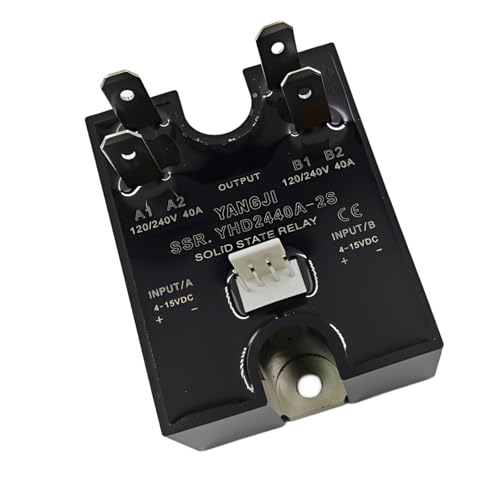
Power Management: Switch-Pros SP9100 Solid State Power Panel
Replacing mechanical relays with solid-state switching, this panel delivers a clean, regulated 13.8V output with built-in over-voltage and short-circuit protection. It functions as an advanced electrical filter and distribution hub for your UTV, guaranteeing steady power regardless of violent stator fluctuations. Fully programmable via Bluetooth, it provides total control over auxiliary power while directly solving the PMIC fry issue caused by dirty charging systems.
The Technical Setup Blueprint: Installation, Zoning, and Torque Specs
Platform Constraints & Electrical Routing Matrix
Dash mounting requires strict adherence to cooling clearances, steering articulation limits, and payload boundaries. Below is the exact specification matrix for major UTV platforms to ensure safe integration without interfering with transmission integrity or chassis operations.
| Platform Type | Critical Clearance Constraints | Trialside Repair Tools Required | Fastener Torque Specifications | Polaris RZR / Can-Am X3 (CVT) | Avoid blocking CVT intake snorkel; clear HVAC airflow and steering lock-to-lock | EPI/High Lifter Clutch Spreading Tool, T30 Torx bits, 13mm wrench (Can-Am tensioner) | T30 plastic/aluminum cover bolts: 8-10 ft-lbs | Honda Pioneer / Talon (DCT) | Clear drop-down tailgate hinge arc; respect 1,000-lb payload limit; compact cockpit dash limits | ECU relay inspection kit, dielectric grease for shift solenoids, 30A main fuse verification | M8 ROPS clamp bolts: 25-30 ft-lbs |
|---|
Check out our off-road collection Amazon products
Hardwiring Protocol & Wire Gauge Mandates
You must utilize 12 AWG or 10 AWG marine-grade tinned copper wire, terminated with heat-shrink ring terminals, and protected by an inline waterproof fuse holder using a 5A or 10A blade fuse. Running wire directly to the battery or busbar through a waterproof block ensures maximum current delivery without voltage drop. The marine-grade tinned copper resists corrosion, while the blade fuse protects your navigation combo from catastrophic electrical fires during short circuits.
Universal Fastener Torque Specs & Tool Requirements
M8 billet aluminum ROPS clamp bolts must be torqued to exactly 25-30 ft-lbs to prevent mount slippage during high-G cornering or rollover events. Proper clamping force on your roll cage is non-negotiable for securing expensive gear to the chassis. Maintaining a dedicated kit of T25, T30, T40 Torx bits alongside 8mm through 15mm metric sockets ensures you can service both your navigation mount and core mechanicals in the field.
Field Verdict & Operational ROI: The True Cost of Budget Setups
The Suction Cup & Plastic Ball Financial Drain
Extreme temperature swings from 40°F to 90°F destroy suction cup vacuum seals, while standard plastic RAM balls loosen after 500 miles of exposure. Cheap mounting solutions lack the physical capacity to handle extreme thermal expansion and continuous off-road vibration. Vacuum seals fail in the heat, dropping expensive tablets onto floorboards where they get crushed, while worn plastic joints render maps unreadable due to violent screen shaking. You ultimately spend more replacing broken consumer gear than investing in a proper setup initially.
Community Reference & Authority Resources:
Final ROI: Preventing Hardware Casualties on Multi-Day Expeditions
The true value of this architecture becomes obvious when you are fifty miles deep into the backcountry, the sun is blazing, and your screen remains perfectly legible despite violent washboards. We dismantled the physics of why consumer electronics fail off-road and engineered a definitive hardware stack to solve those exact mechanical and environmental failures. Investing in the Garmin Tread 2, CNC dampening mounts, and solid-state power management is mandatory operational insurance against being stranded without navigation or SOS capabilities. Consumer electronics simply cannot withstand continuous UV exposure, high ambient heat, and 18Hz harmonic violence. Bulletproof your rig, trust your gear, and keep your eyes on the trail.
🔍 Explore More: See all Wild Testing guides for best high ticket rugged navigation setup for long distance SxS trips.
Check out our off-road collection Amazon products