






When it comes to satellite communicator comparison for multi day off grid side by side trips, getting the right details matters.
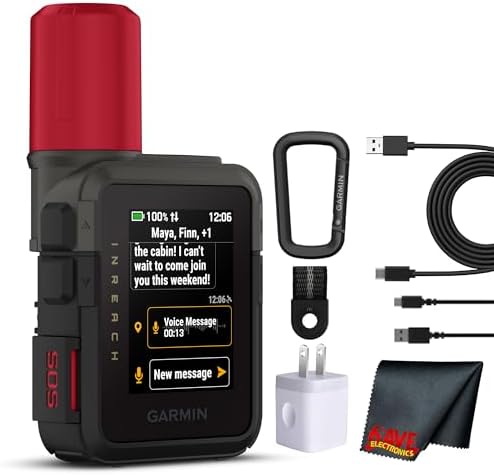
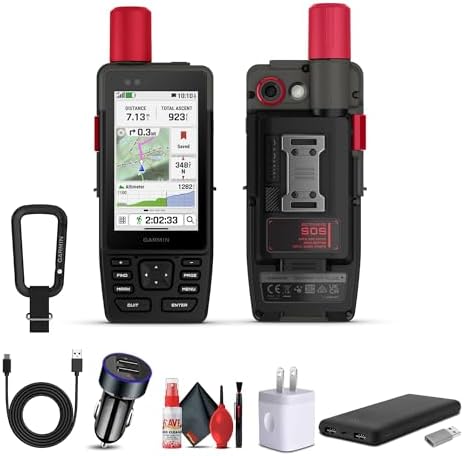
- Garmin inReach Messenger Plus
- Garmin inReach Mini 3 (Touchscreen Edition)
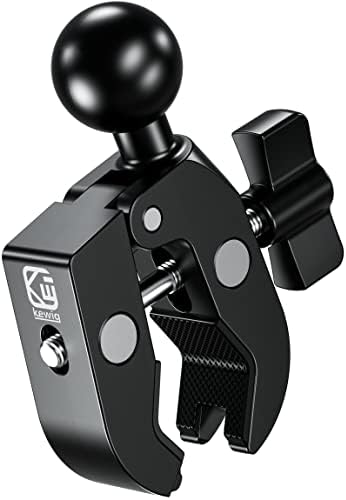
- RAM Mounts X-Grip with 1″ Ball Base and Tube Clamp
The Technical Reality: Why Standard Comms Fail in the UTV Environment
High-Frequency Resonance & Solder Fatigue Fractures
Stiffly sprung sport UTVs generate continuous high-frequency micro-vibrations between 12Hz and 18Hz, delivering shock loads up to 50G on square-edge impacts.
This exact resonance frequency fatigues internal lithium-polymer battery tab welds and LCD ribbon cable solder joints, resulting in a sudden dead device that leaves you blind in the backcountry.
Particulate Ingress & USB-C Galvanic Corrosion
Standard IP67 rubber flaps fail against off-road silt, allowing sub-10-micron glacial flour and alkali dust to bypass basic seals.
Conductive dust bridging the USB-C pins triggers micro-short circuits that permanently destroy the charging matrix, bricking your device exactly when you need to top off the battery at camp.
L-Band Signal Attenuation & Multipath Occlusion
Iridium L-band operations between 1616–1626.5 MHz dictate inherently poor penetration through solid mass and metal structures.
Mounting units below the roofline or near roll cages creates severe multipath interference that drops your link margin below the 10 dB threshold, creating a total dead zone during critical SOS attempts.
Thermal Runaway & LCD Isotropic Blackout
Direct solar radiation and engine bay radiant heat push internal ambient temperatures past 60°C (140°F) during slow technical crawls.
Thermal throttling immediately shuts down the charging circuit while standard LCD screens suffer isotropic failure, rendering the interface completely unreadable until natural cooling occurs.
The Core Gear Architecture: Hardware & Forum-Validated Solutions
The Cellular Handoff Trap vs Pure Iridium Reliability
Expedition forums consistently penalize cellular-reliant devices for true off-grid UTV trips due to aggressive signal hunting in remote zones.
Pure Iridium architecture bypasses this flaw entirely, remaining the only reliable deep-backcountry standard for consistent message transmission.
Check out our off-road collection Amazon products
| Network Type | Battery Drain Profile | Remote Zone Performance | Cellular Handoff | Aggressive weak-signal hunting | Fails to transmit in dead zones | Pure Iridium | Low-power mesh relay | Guaranteed deep-backcountry uptime |
|---|
Primary Unit Specifications & Multimedia Capabilities
Garmin inReach Messenger Plus moves beyond text-only messaging by transmitting compressed photos and audio clips directly to rescue coordinators.
The unit carries an IP68 rating, delivers 600 hours of battery life at 10-minute tracking intervals, supports up to 250 multimedia transmissions per charge, and retails around $499.99.
Secondary Unit Redundancy & Glove Compatibility
Garmin inReach Mini 3 (Touchscreen Edition) replaces legacy physical D-pads with a sunlight-readable capacitive touchscreen optimized for muddy conditions.
Weighing just 3.5 oz with an IPX7 rating and integrated barometric altimeter, this ~$449.99 unit serves as the perfect pocket-carried redundant lifeline.
SOS Trigger Mitigation & Subscription Flexibility
Shifting cargo and roll-cage impacts frequently depress exposed SOS buttons, triggering costly GEOS dispatches and wasting rescue resources.
Hardware must feature recessed triggers or rigid break-to-access shields, paired with Garmin’s month-to-month subscription pause feature to eliminate rigid annual contract penalties.
The Technical Setup Blueprint: UTV Architecture & Precision Installation
Vehicle Architecture Constraints: Transmission Routing Rules
Recommended Insights From Our Guide Library:
- The Lifeline Beyond the Horizon: Essential Emergency Communication Systems for Off-Roaders – Pioneer Honda Lovers
- Beyond the Beaten Path: Exploring Hidden Trails with GPS and Mapping Apps – Pioneer Honda Lovers
- Expedition-Grade UTV Navigation: Engineering Reliability for Extreme Off-Road Telemetry – Pioneer Honda Lovers
- Garmin Tread vs Voyager Pro: Best UTV GPS for Honda Pioneer
- Mastering Off-Road Navigation: Engineering Resilience for Extended Trail Expeditions – Pioneer Honda Lovers
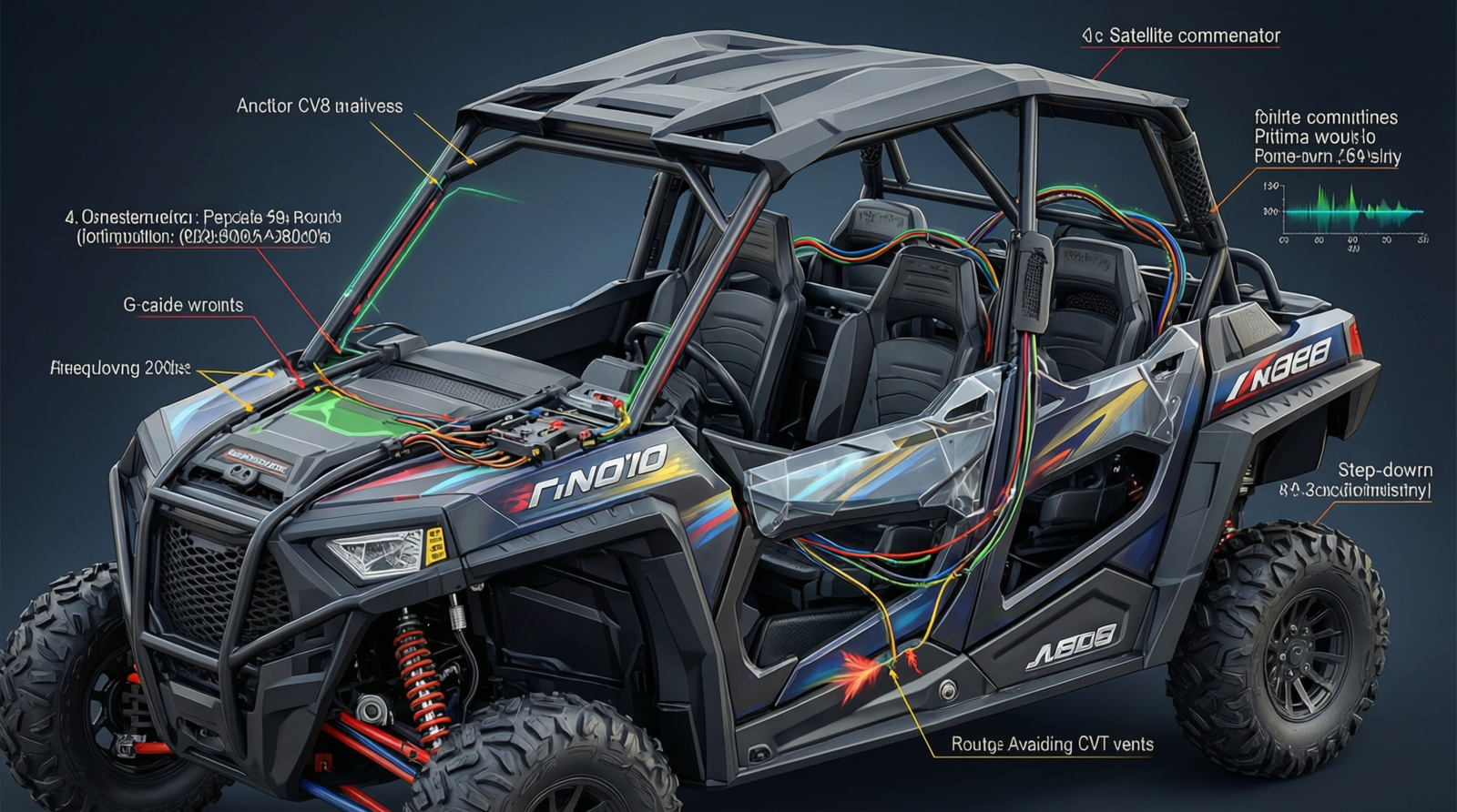
CVT platforms expel high-velocity, dust-laden hot air from rear or lower bed vents, requiring strict avoidance of comm wiring in these high-heat zones.
DCT platforms utilize automotive-style dual-clutch systems with no belt dust exhaust, allowing safe wiring routing through modular bed management channels and OEM firewall grommets.
| Platform | Transmission Type | Critical Routing Warning | Required Tools | Polaris RZR / Can-Am X3 | CVT | Avoid rear/lower vent exhaust | T30 Torx, 8mm/10mm sockets, clutch spreader | Honda Pioneer / Talon | DCT | Use Pro-Connect modular channels | 10mm/12mm/14mm sockets, fuse puller |
|---|
Roll Cage Mounting: Tube Diameters & Vibration Isolation
RAM Mounts X-Grip with 1″ Ball Base and Tube Clamp utilizes high-durometer rubber isolators to directly counter the 12Hz–18Hz resonance that fractures internal components.
Exact tube matching is mandatory: 1.75-inch OD bases secure Honda Pioneer and Talon hoops, while 2.0-inch OD bases lock onto Polaris RZR Pro and Can-Am X3 main frames.
Exact Torque Specifications & Fastener Security
| Component | Material | Torque Limit | Security Protocol | U-Bolts | Plastic Composite | 15 to 20 in-lbs | Prevent base cracking | Tube Clamps | Aluminum/Stainless | 8 to 10 ft-lbs | Apply blue Loctite 242 |
|---|
Check out our off-road collection Amazon products
Electrical Load Management & Step-Down Harness Wiring
UTV accessory ports typically max out at 15A fuses, but satellite units draw less than 0.5A during active transmission cycles.
Always install a 12V-to-5V USB-C step-down harness with ferrite bead chokes, tapping directly to fused busbars via dedicated 2A or 3A inline waterproof blade fuses to block 14.5V+ stator spikes.
Field Verdict & Operational ROI: The Cost of Failure vs The Stack
Calculating the True Cost of Comms Failure
The combined hardware investment sits near $950 plus precision mounting accessories, contrasting sharply against runaway GEOS fines and abandoned expedition costs.
This upfront engineering cost pays for itself instantly by preventing uncoordinated axle failures and guaranteeing visual rescue coordination in multipath canyons.
Final Loadout Recommendation & Deployment Strategy
Deploy the primary unit for base-camp multimedia coordination while keeping the secondary unit as a glove-friendly pocket backup.
Secure both mounts via vibration-isolated hardware, power through stator-filtered step-down harnesses, configure flexible subscriptions, and verify torque specs before every departure.
Conclusion
Community Reference & Authority Resources:
The true value of this engineered stack reveals itself not during garage wrenching, but when stranded in a shadowed canyon at dusk holding a fully charged unit that successfully transmitted high-resolution damage photos to rescue teams.
This protocol transforms fragile consumer electronics into a rugged, vehicle-integrated survival system, allowing you to torque mounts, verify inline fuses, and navigate extreme terrain with absolute operational confidence.
🔍 Explore More: See all Wild Testing guides for satellite communicator comparison for multi day off grid side by side trips.
Check out our off-road collection Amazon products