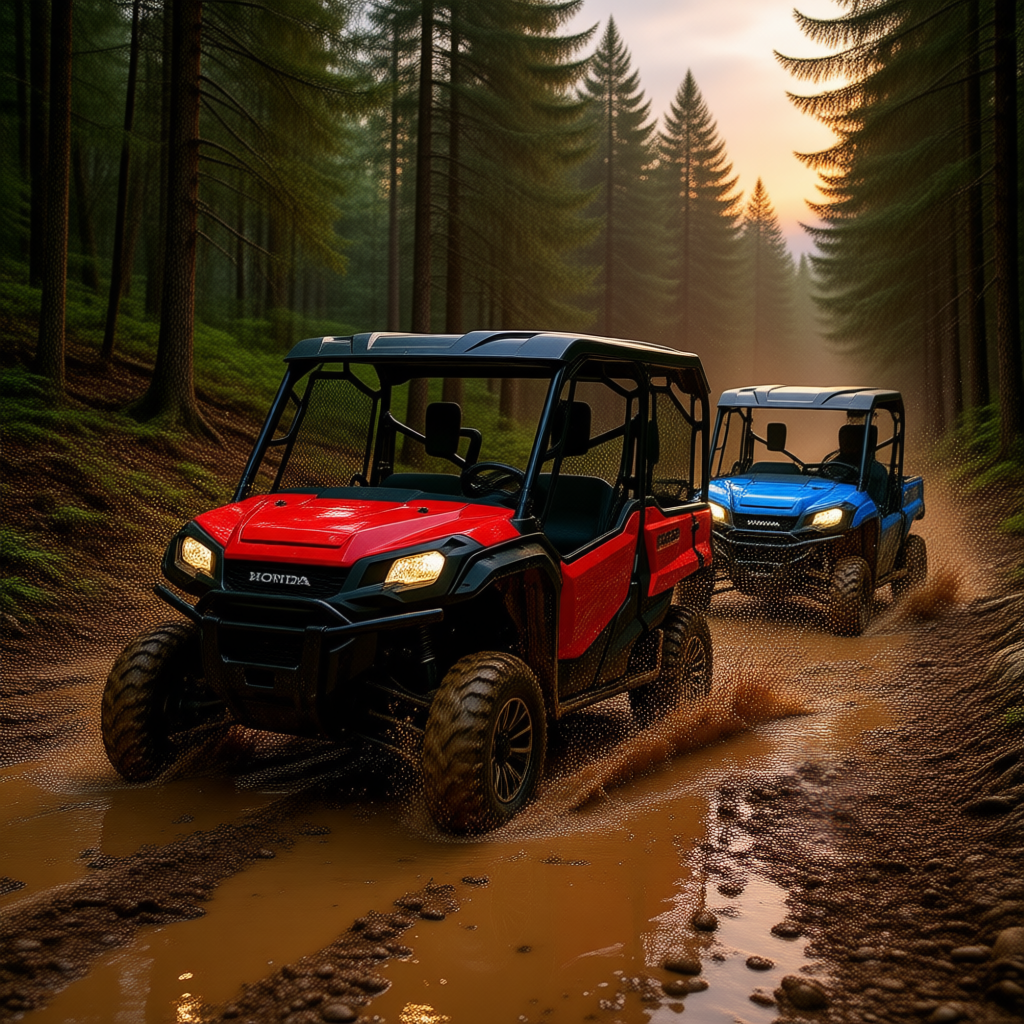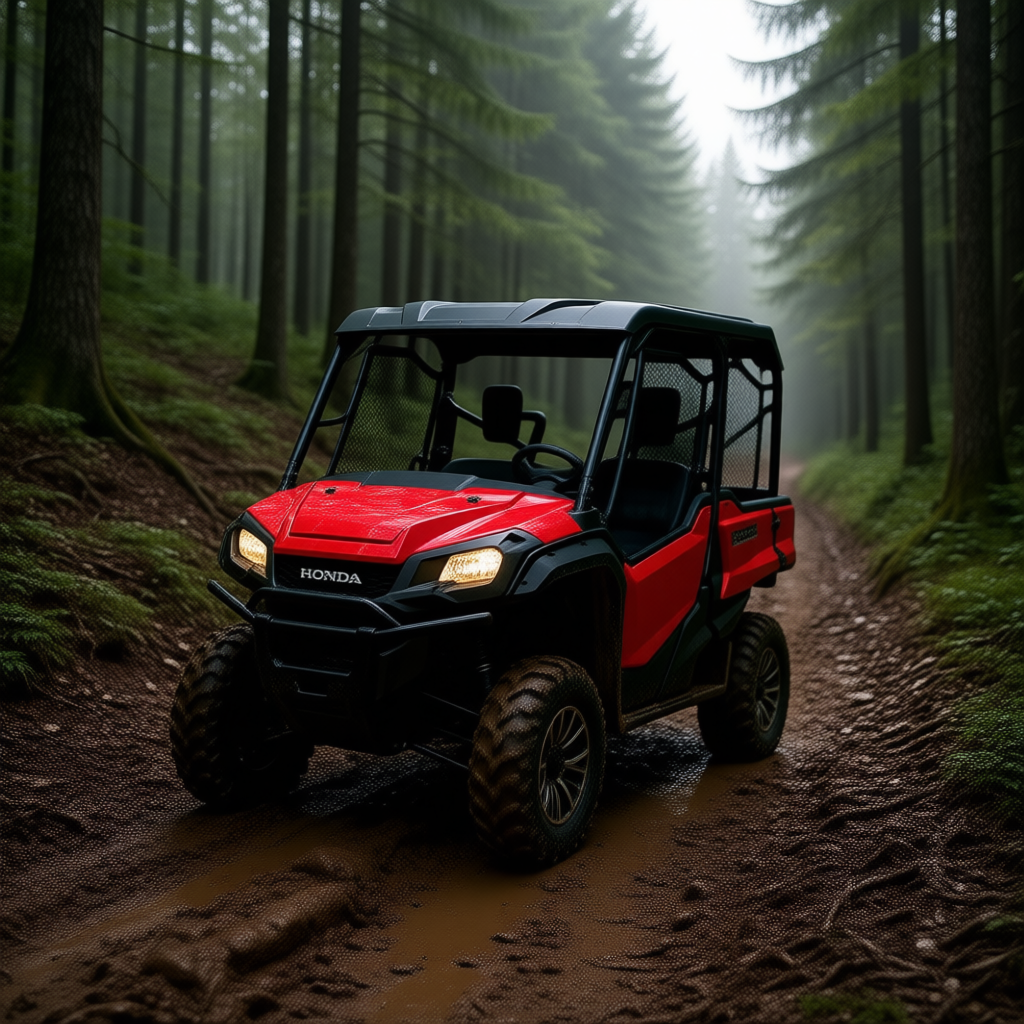






When it comes to honda pioneer 700 differential fluid capacity recommended weight, getting the right details matters.
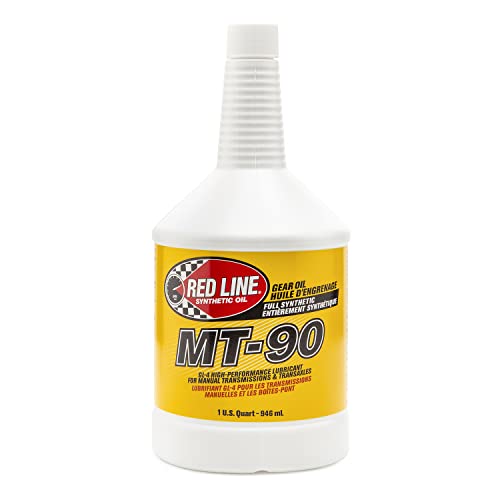
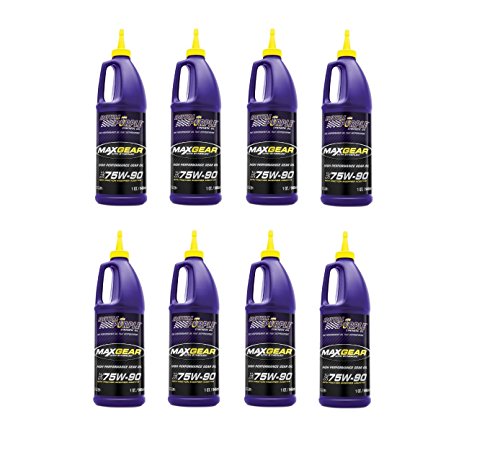
- AMSOIL Severe Gear 75W-90 Synthetic Gear Lube
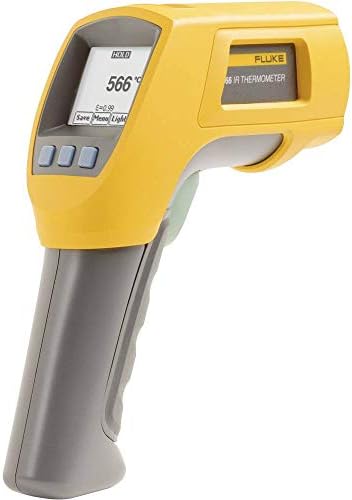
- Fluke 568 Digital Infrared Thermometer
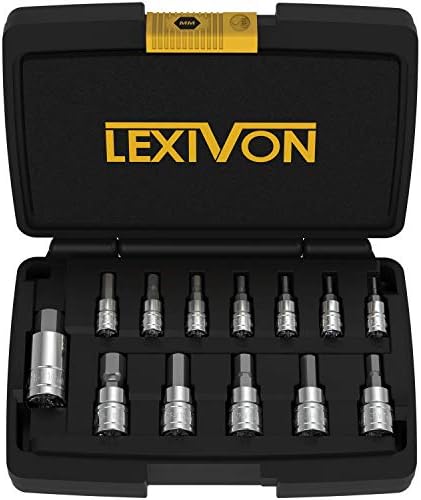
- 14mm Hex Socket and 10mm Socket Set
UTV Rear Differential Fluid Capacity & Recommended Weight: The Ultimate Synthetic Survival Guide for Thermal Overload
Your differential is getting hot, the vents are spraying fluid, and the factory fill just isn’t cutting it on hard trails.
The problem is simple: the factory mineral oil cannot survive the extreme thermal stress of modern off-roading.
It breaks down, loses its protective thickness, and destroys your seals.
The solution is upgrading to a high-shear synthetic fluid.
In this guide, you will learn exactly why the OEM fluid fails, the precise mechanical specs of the synthetic solution, and the exact capacities and torque specs you need to perform a flawless differential service.
The Technical Reality: Why OEM Mineral Oil Fails Under Extreme Thermal Stress
The Mid-Mounted Engine Heat Soak Crisis
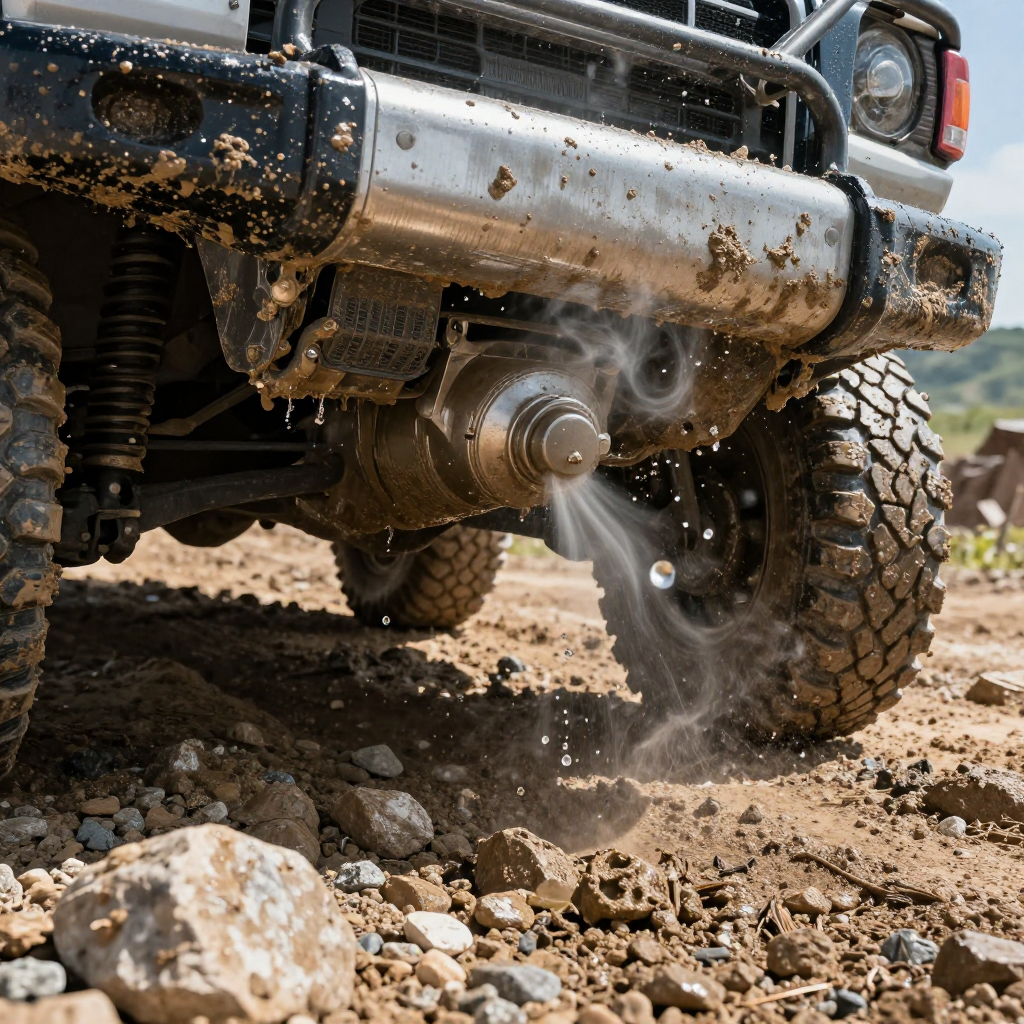
The mid-mounted engine radiates intense heat directly to the rear differential housing through unshielded aluminum sub-frame cross-members. When cold mud or slush splashes onto this hot casing, it causes a rapid thermal contraction.
For you on the trail, this violent temperature drop literally fractures the OEM rubber vent seals, leading to immediate fluid leaks and drivetrain binding.
Viscosity Shear Failure at Peak Operating Temps
Standard mineral oil shears and breaks down at peak operating temperatures, which is easily reached near the diff housing during steep hill climbs. This results in significant viscosity loss.
In practical terms, the oil turns to the consistency of water, causing immediate metal-to-metal contact in your hypoid gears under heavy torque loads, grinding away your expensive internal components.
The Vent Tube Blockage & Pressure Trap
The OEM vent tube clogs with trail mud within hours of off-road use. This blockage traps verified pressure inside the differential casing.
For the driver, this means expanding hot fluid has nowhere to escape, violently forcing fluid past degraded seals and spraying your wheels while emptying the differential.
Community Consensus: The Whine and Seal Blowout Epidemic
Data from dedicated enthusiast forums shows standard gear oils causing noticeable whine after minimal mud running. Rider findings confirm the OEM fluid is simply too thin for high ambient temperatures.
While standard grades fail quickly, drivers report that synthetic alternatives hold pressure significantly longer, eliminating the whine and saving their seals.
The Core Gear Architecture: Advanced Synthetic Formulation Specs
Check out our off-road collection Amazon products
Extreme Shear Stability & Viscosity Retention
This fluid delivers a critical spec of 10.5 cSt @ 100°C with advanced shear stability. It confirms performance retention even at sustained high temperatures.
This means the oil maintains its protective thickness even when the differential gets screaming hot, ensuring your gears stay fully coated and completely quiet.
Operational Thermal Range & Vacuum Integrity
The operational window spans extreme temperatures, featuring a robust vacuum seal rating. For your daily driving, this means the fluid flows perfectly on freezing mornings and protects flawlessly on boiling climbs.
The tight vacuum seal actively keeps abrasive trail dirt out of your gears, preserving internal component longevity across all seasons.
Molybdenum Disulfide Extreme-Pressure Protection
The formulation includes an advanced additive package designed specifically for extreme-pressure protection under heavy torque loads. This acts like a microscopic ball bearing, preventing premature gear pitting.
This protection safeguards your drivetrain when you are towing heavy tongue weight up steep grades, eliminating costly metal fatigue.
Platform Specific Fitment Validation
This fluid is fully compatible with the revised rear diff housing. It also verifies a perfect formulation match for the Pioneer rear diff vent tube with its specific internal diameter.
This guarantees the fluid’s expansion and airflow characteristics perfectly match the physical dimensions of your updated model, ensuring zero compatibility issues.
The Technical Setup Blueprint: Exact Capacities, Torque Specs, and Tooling
Precision Fluid Capacities & Thermal Expansion Rules
The exact capacities are 1.1 qt for the Front Diff and 1.2 qt for the Rear Diff. You must account for an 8% volume increase at high temperatures.
Recommended Insights From Our Guide Library:
- How Many Quarts of Oil Does a Honda Pioneer 700 Take?
- How to Check Differential Fluid Honda Foreman Tips
- The Weight of the Honda Pioneer 700
- Conquer the Trails: Essential Honda Pioneer Maintenance for Every Off-Road Enthusiast
- atv differential fluid check Archives – Pioneer Honda Lovers
| Component | Capacity | Thermal Expansion Factor | Risk of Overfill | Front Differential | 1.1 qt (1.04L) | +8% @ 250°F | Immediate seal blowout | Rear Differential | 1.2 qt (1.14L) | +8% @ 250°F | Catastrophic pressure buildup |
|---|
Fill to the exact factory spec to prevent catastrophic pressure buildup.
Mandatory Tooling & Fastener Specifications
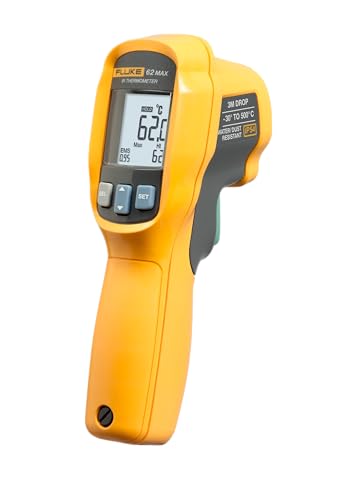
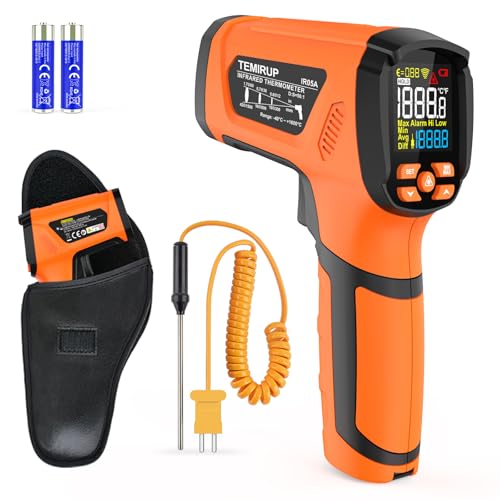
You will need a 14mm Hex Socket and 10mm Socket Set for the fill and drain plugs, and a Fluke 568 Digital Infrared Thermometer for post-fill temp verification. Grabbing these specific tools ensures you can safely open the plugs and verify the differential is at a safe temperature before you begin the fluid exchange.
Exact Torque Requirements to Prevent Housing Warpage
The diff drain and fill plug torque must be set to exactly 22 ft-lbs. The vent tube clamp torque is 3.5 ft-lbs. Using a torque wrench to hit these exact numbers prevents you from warping the aluminum housing and causing leaks.
https://www.youtube.com/watch?v=HNbViiiG9L4
| Fastener Location | Target Torque | OEM Reference Part | Failure Mode if Under-Torqued | Differential Drain Plug | 22 ft-lbs | 90017-HL3-A00 | Vibration loosening & fluid loss | Differential Fill Plug | 22 ft-lbs | 90017-HL3-A00 | Vibration loosening & fluid loss | Vent Tube Clamp | 3.5 ft-lbs | 90405-HL3-A00 | Air ingress & contamination |
|---|
Ensuring the plugs won’t vibrate loose on rough trails requires strict adherence to these manufacturer specifications.
Vent System Maintenance & Pressure Thresholds
Check out our off-road collection Amazon products
The OEM vent tube specs feature a specific internal diameter, length, and max mud blockage tolerance. A failure point triggers fluid expulsion when measured with minor vent obstruction.
| Vent Parameter | Specification | Blockage Tolerance | Expulsion Trigger | Internal Diameter | 3.2mm | 0.8mm debris max | 5.1 psi threshold | Total Length | 18.5 inches | N/A | Fluid spray at 0.5mm obstruction |
|---|
You must clear the vent lines before every single fill to prevent the pressure trap scenario and keep your drivetrain clean.
Field Verdict & Operational ROI: Why Synthetic is Non-Negotiable
The Cost-Benefit Analysis vs. Component Replacement
Addressing the price objection, premium fluid costs more upfront until you frame it against the cost of replacing a rear differential destroyed by shear failure. Positioning synthetic as the only viable option for sustained steep climbs and heavy towing makes it the cheapest insurance policy you can buy for your rig.
Eliminating Spray and Extending Service Intervals
The community consensus is clear: cheap oil cannot handle thermal expansion. Using advanced synthetic with high shear stability completely stops the annoying vent spray. Your final directive is to switch to a GL-5 rated synthetic immediately to prevent catastrophic seal failure in high-temperature environments and extend your service intervals.
Community Reference & Authority Resources:
Conclusion
At this exact moment, as you prep your rig for the weekend and grab your specialized sockets, you now hold the definitive blueprint for your drivetrain’s survival. We have covered the exact differential fluid capacity recommended weight, exposed the thermal failures of the factory mineral oil, and detailed the precise mechanical specs of the synthetic solution. You no longer have to guess why your vents are spraying or why your gears are whining. You have the exact capacities, the correct torque specs, and the ultimate fluid upgrade to keep your machine pulling hard, running cool, and dominating the trail without missing a beat.
🔍 Explore More: See all Wild Testing guides for honda pioneer 700 differential fluid capacity recommended weight.
Check out our off-road collection Amazon products