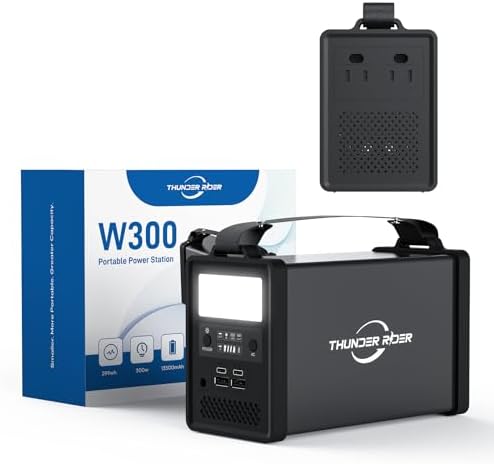


The modern UTV is more than just a recreational vehicle; it’s a mobile base camp, a recovery rig, and a platform for extended off-grid adventures. This evolution has brought with it a massive increase in electrical demands—from high-powered light bars and communication radios to electric coolers and complex entertainment systems. While dual battery setups are a great start, the ultimate solution for sustained, reliable off-grid power is the integration of a Portable Power Station UTV setup.
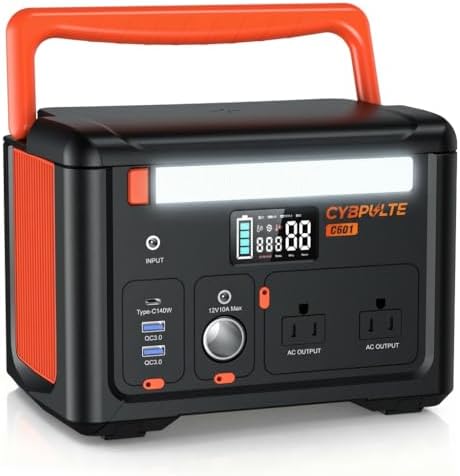
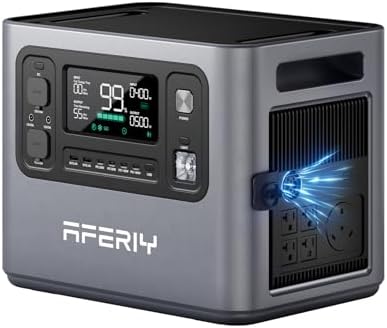
A Portable Power Station (PPS), often referred to as a “solar generator,” is a large-capacity battery (typically Lithium-ion) with built-in inverters, charge controllers, and multiple output ports (AC, DC, USB). This guide will detail how to select, integrate, charge, and utilize a PPS to revolutionize your UTV adventures.
Pillar 1: Selecting the Right Portable Power Station
Choosing the right PPS involves balancing capacity, output, and portability for the rugged UTV environment.
1. Capacity and Output: Sizing Your Power Needs
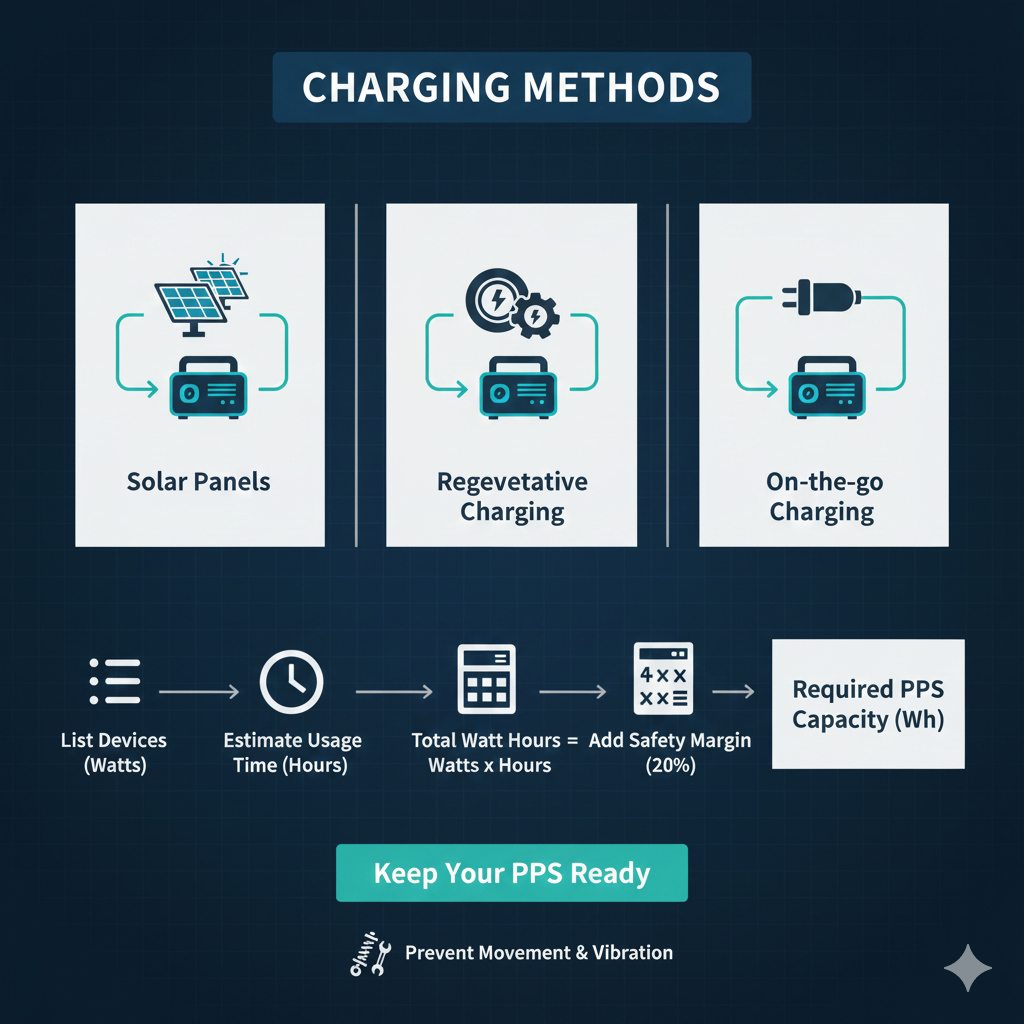
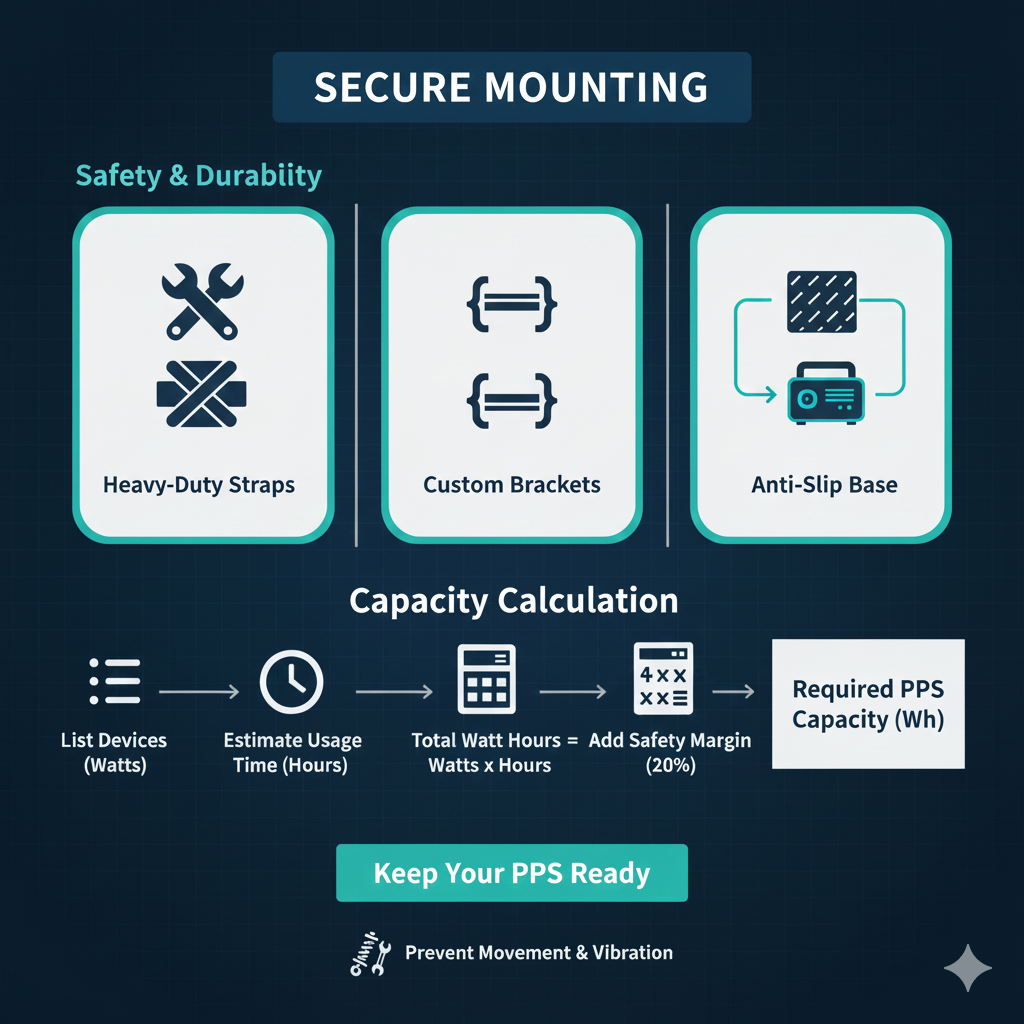
The first step is calculating your power requirements. PPS capacity is measured in Watt-hours (Wh), and output is measured in Watts (W).
- Capacity (Wh): This determines how long you can run your devices. For UTV camping, a capacity between 500Wh and 1500Wh is generally sufficient.
- Output (W): This determines what devices you can run. Ensure the PPS’s AC inverter can handle the peak wattage of your largest device (e.g., a coffee maker or a small air compressor). A 1000W continuous output is a safe minimum for most recovery and camping needs.
| Common UTV Accessory | Typical Power Draw (W) | Estimated Run Time on 1000Wh PPS |
|---|---|---|
| Electric Cooler/Fridge | 40W – 60W (Cycling) | 16 – 25 Hours |
| LED Light Bar (50″) | 150W – 250W | 4 – 6 Hours |
| Laptop Charging | 50W – 100W | 10 – 20 Hours |
| Communication Radio | 5W – 10W (Receive) | 100+ Hours |
2. Durability and Portability
The UTV environment is harsh. Look for PPS units built with a rugged exterior, durable handles, and a compact form factor that can withstand vibration and dust. While not all PPS units are IP-rated, choosing a model from a reputable brand known for outdoor gear (like Goal Zero, Jackery, or EcoFlow) ensures a higher level of build quality.
Pillar 2: Seamless Integration and Charging
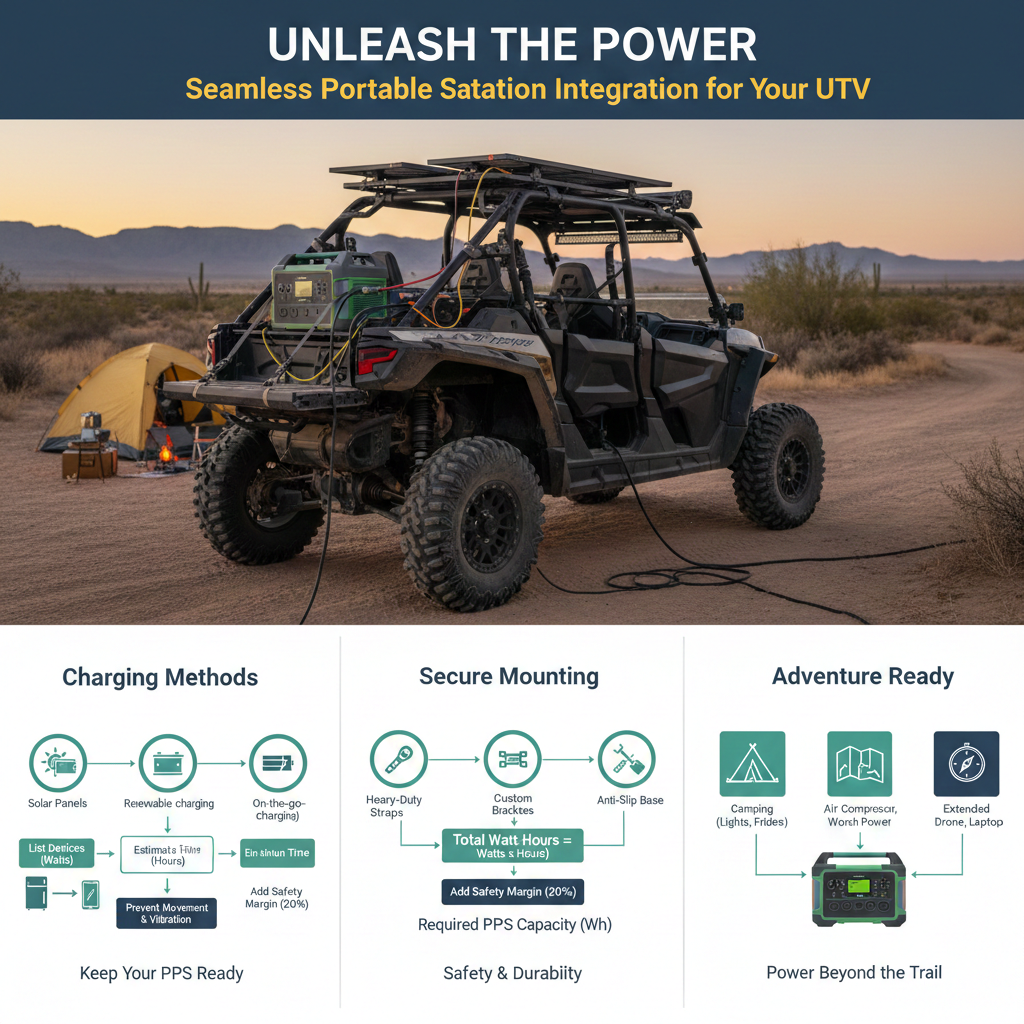
The key to a successful Portable Power Station UTV setup is a reliable, efficient charging method that utilizes the UTV’s power generation capabilities.
3. Alternator Charging via DC-DC Charger
Charging a PPS directly from the UTV’s 12V cigarette lighter port is slow and inefficient. The professional solution is a dedicated DC-DC charging system.
- The DC-DC Advantage: A DC-DC charger (like those from Redarc or Renogy) is a sophisticated device that takes the variable voltage from the UTV’s alternator and converts it into the precise, high-amperage charging profile required by the PPS [1]. This maximizes charging speed and protects both the UTV’s electrical system and the PPS battery.
- Wiring Best Practices: The DC-DC charger is typically wired directly to the UTV’s main battery (or accessory battery in a dual setup) using heavy-gauge wire (e.g., 8-gauge or 6-gauge) and then connected to the PPS via a high-current connector like an Anderson plug [2]. This allows for quick, secure connection and disconnection of the PPS.
4. Solar Charging for Off-Grid Sustainment
For multi-day trips where the UTV may be parked for extended periods, solar panels provide an essential charging backup.
- Panel Type: Foldable, portable solar panels (often 100W to 200W) are ideal for UTVs. They can be quickly deployed when parked and stored securely when riding.
- Integration: Most quality PPS units have a built-in MPPT (Maximum Power Point Tracking) charge controller, allowing you to plug the solar panel directly into the station. This creates a truly self-sufficient power system for your base camp.
5. Secure Mounting Solutions
A PPS is a heavy, valuable piece of equipment that must be secured against the extreme forces of off-road riding.
- Cargo Box Integration: The most common and secure mounting location is within a UTV-specific cargo box mounted in the rear bed [3]. This protects the PPS from dust, mud, and theft. The box can be modified with vents and a pass-through port for the charging cables.
- Custom Mounts: For larger units, custom metal brackets or tie-down systems that bolt directly to the UTV’s frame or roll cage are necessary. Use heavy-duty ratchet straps or quick-release mounts to ensure the PPS cannot shift or become a projectile during aggressive driving.
Pillar 3: Real-World UTV Use Cases
The power a PPS provides extends far beyond simply charging phones. It enables new levels of comfort, safety, and capability.
6. Enhanced Recovery and Safety
A PPS can be a life-saver in a recovery situation.
- Air Compressor: Running a high-volume air compressor (for airing up tires after a trail ride or reseating a bead) directly from the PPS’s AC outlet is far more efficient and less taxing on the UTV’s main battery than using a 12V accessory port.
- Jump Starting: Many PPS units have a dedicated jump-start feature, allowing you to jump-start your UTV (or a friend’s) without needing a second vehicle.
- High-Powered Lighting: Running powerful, temporary work lights or scene lighting directly from the PPS allows you to perform trail repairs or recovery operations at night without draining the UTV’s main battery.
7. The Ultimate Base Camp Power
For UTV overlanding and camping, the PPS is the centerpiece of your electrical setup.
- Electric Cooler/Fridge: Running a 12V electric cooler is the single biggest advantage of a PPS. It eliminates the need for ice and keeps food fresh for days, all while being powered by a separate, dedicated battery source.
- Comfort Accessories: Powering a CPAP machine, a small fan, or a portable electric blanket directly from the PPS ensures a comfortable night’s sleep without worrying about the UTV’s battery.
- Media and Communication: Easily power projectors for outdoor movie nights, charge camera batteries, and keep communication devices fully operational for extended periods.
Summary of Portable Power Station Integration
| Integration Aspect | Key Component/Action | Primary Benefit |
|---|---|---|
| Charging Efficiency | DC-DC Charger | Maximizes charging speed from the alternator; protects electrical systems. |
| Off-Grid Sustainment | Portable Solar Panel | Provides passive charging when the UTV is parked. |
| Safety/Security | Secure Cargo Box Mount | Protects PPS from impact, dust, mud, and theft. |
| Capacity | 500Wh – 1500Wh PPS | Sufficient power for multi-day camping and recovery needs. |
| Recovery Use | AC-Powered Air Compressor | Efficiently runs high-draw recovery tools without taxing the UTV battery. |
| Camping Use | Dedicated Fridge Power | Runs electric cooler/fridge for days, eliminating the need for ice. |
Integrating a Portable Power Station UTV setup is a game-changer for any serious off-road enthusiast. It provides a robust, flexible, and reliable source of power that significantly extends your capability and comfort in the backcountry. By carefully selecting your PPS, implementing a smart charging solution, and securing it properly, you can unlock the full potential of your UTV as an off-grid adventure machine.
[1] EcoFlow. (n.d.). Can You Charge a Power Station Using a Vehicle Alternator?. [URL to be inserted]
[2] Vunked. (n.d.).DC to DC Charger Wiring: The Complete Guide. [URL to be inserted]
[3] UTV Source. (n.d.).Cargo Boxes UTV Accessories & Parts – Storage. [URL to be inserted]
[4] Goal Zero. (n.d.).Yeti 3000 Lithium Portable Power Station with WiFi. [URL to be inserted]
[5] 4×4 Down Under. (n.d.).How Many Watts Does a 12V Fridge Use?. [URL to be inserted]
[6] Dirt Wheels. (2025).June 2025 – Solar & Rechargeable Power Banks. [URL to be inserted]
[7] Antigravity. (n.d.).Antigravity PS-45 Portable Power Station. [URL to be inserted]
[8] TechRadar. (2025).Best portable power station of 2025: Tested for real-world. [URL to be inserted]